Bihar
Śāṅkara Jyoti Prakāśa · शाङ्कर ज्योति प्रकाश
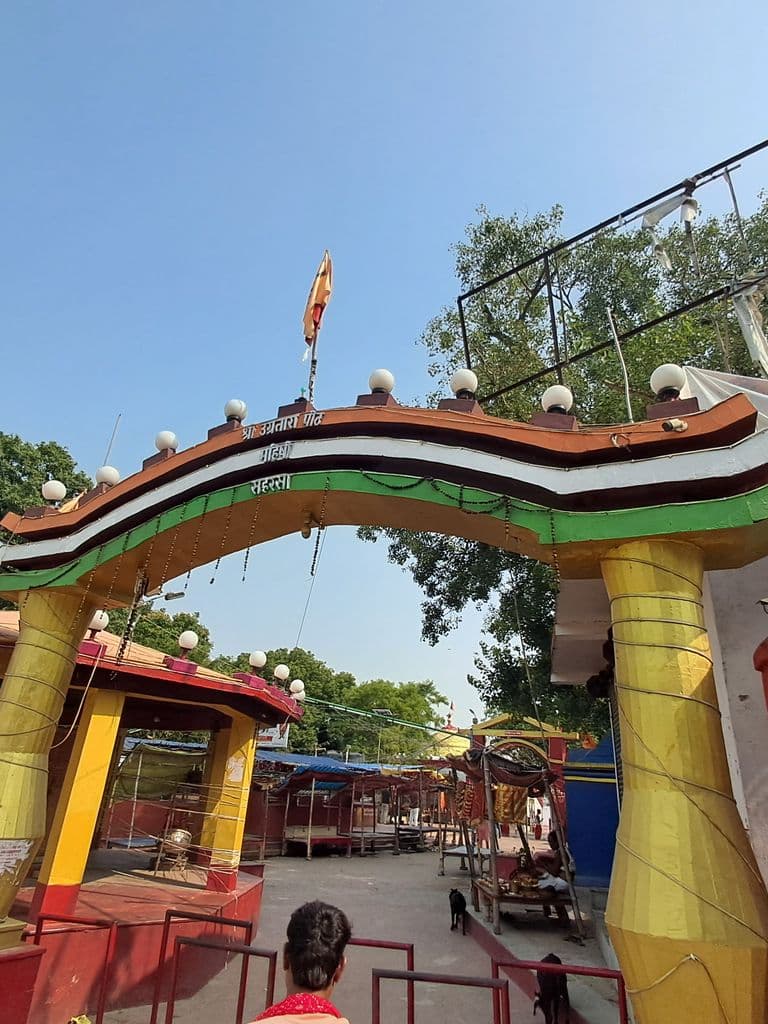
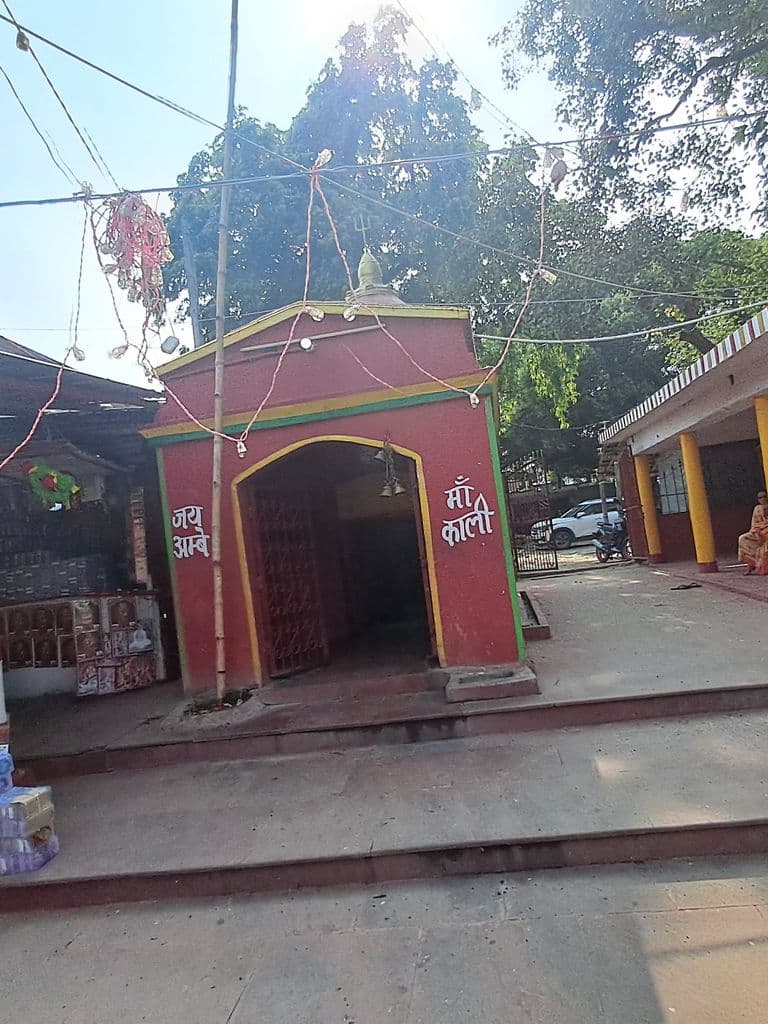
Ugra Tara Mandir - Mahishi (Saharsa)
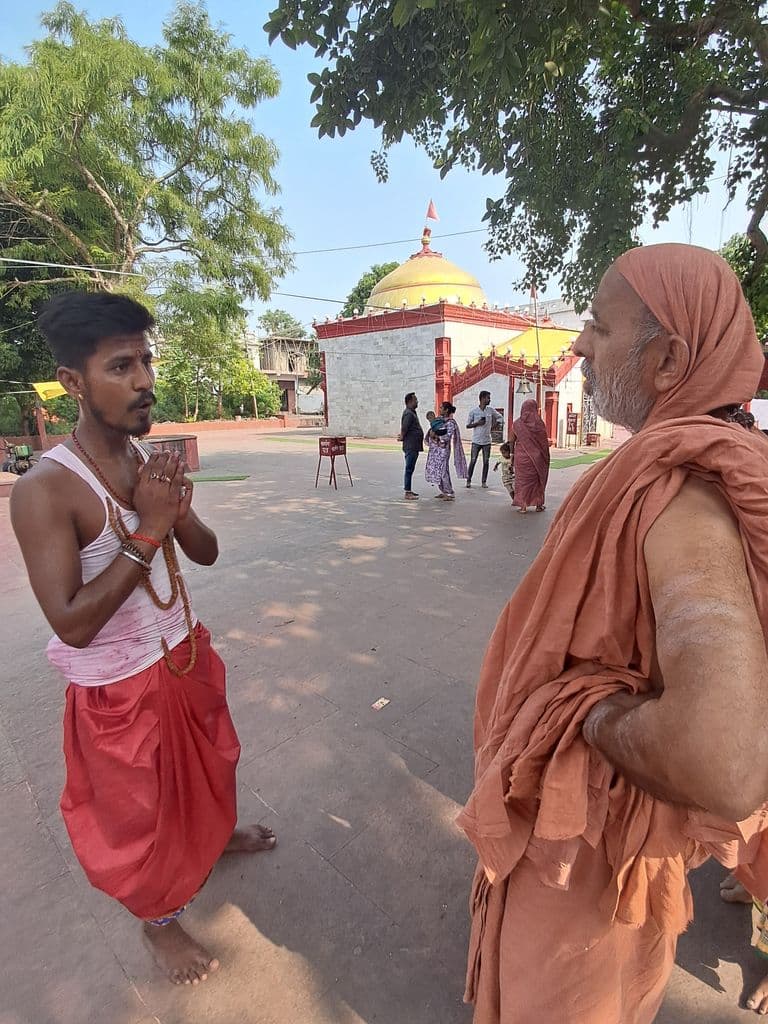
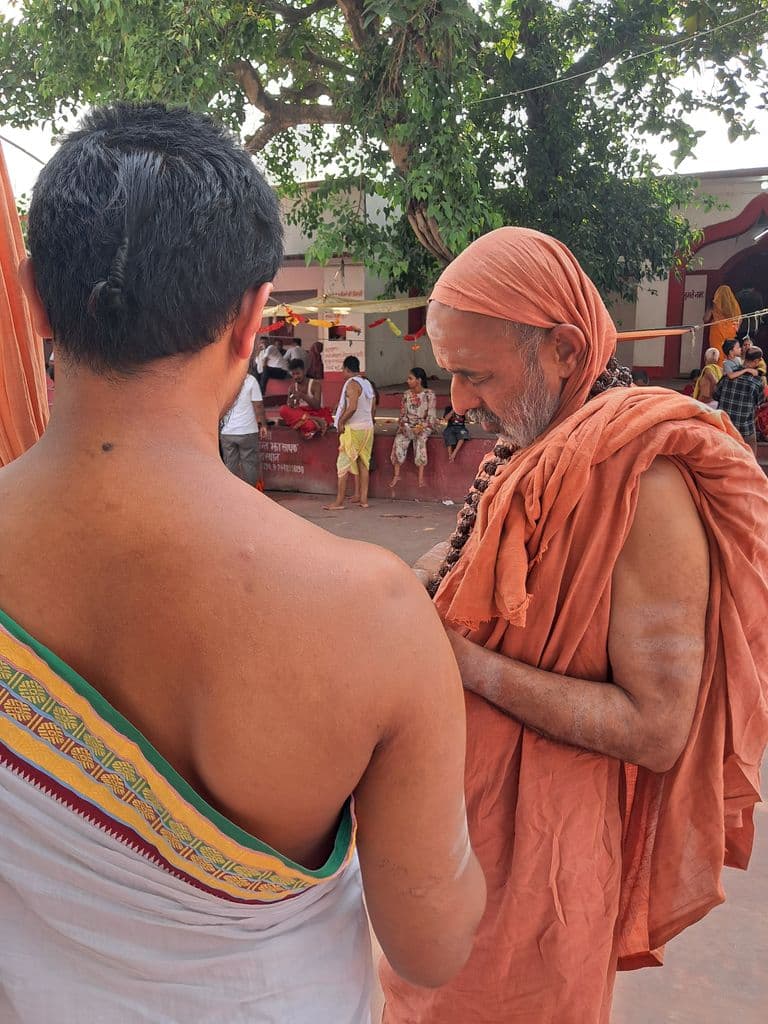
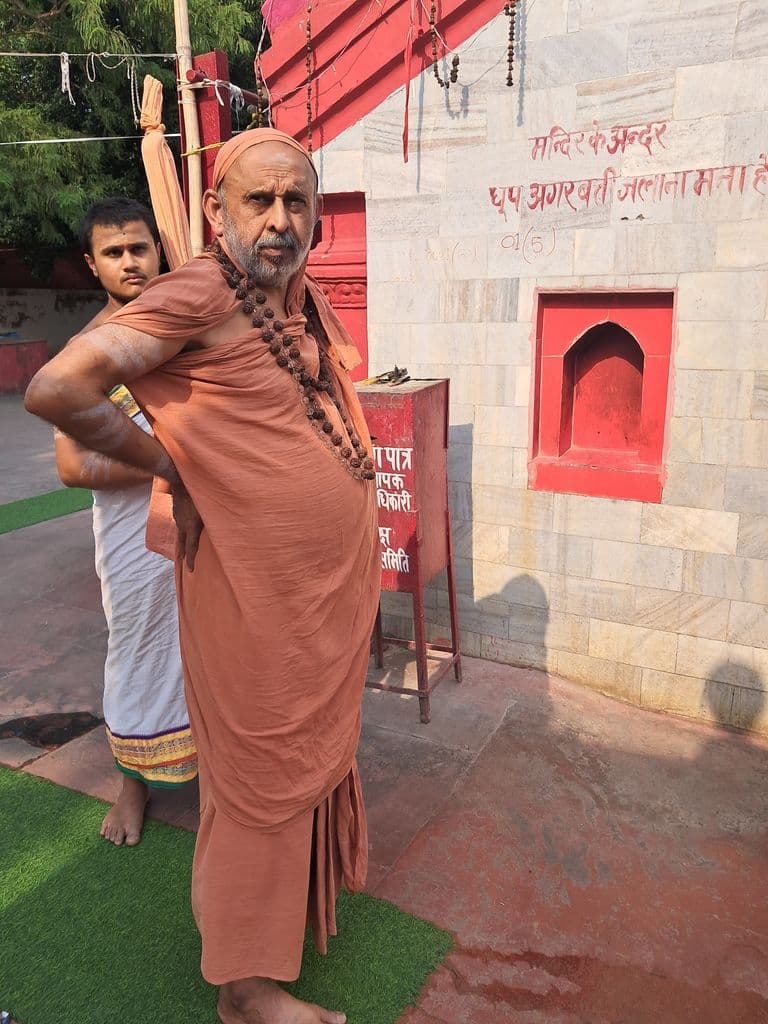
Visited 14 June 2026 during the 2026 Sampoorna Bharata Yatra.
Adi Shankaracharya's Visit
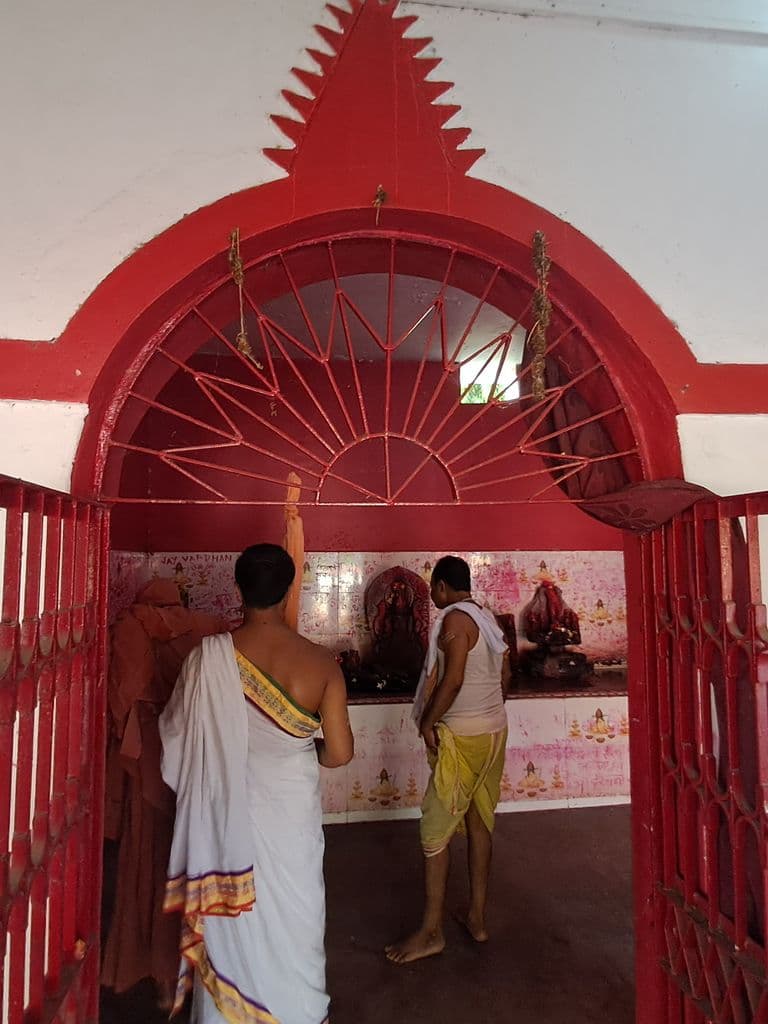
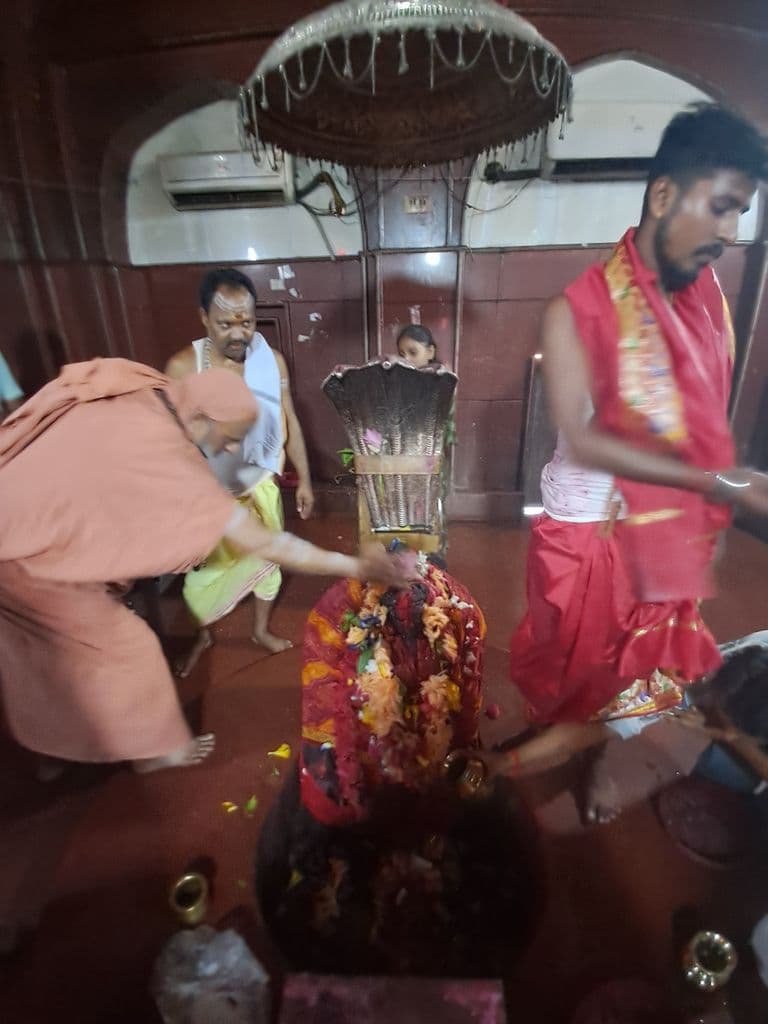
- Situated in Mahishi in the Saharsa district of Bihar's historic Mithila region, the Ugra Tara Temple is one of the most revered kṣetras of eastern India. The temple is dedicated to Maa Ugra Tara, a fierce manifestation of Ādi Parāśakti, and is regarded as a major centre. Revered for centuries, the kṣetra attracts devotees from across the country, particularly during Navarātri, when elaborate worship and festivals are conducted. The temple occupies a unique position in the spiritual landscape of Mithila and has long been associated with seekers, scholars, and ascetics.
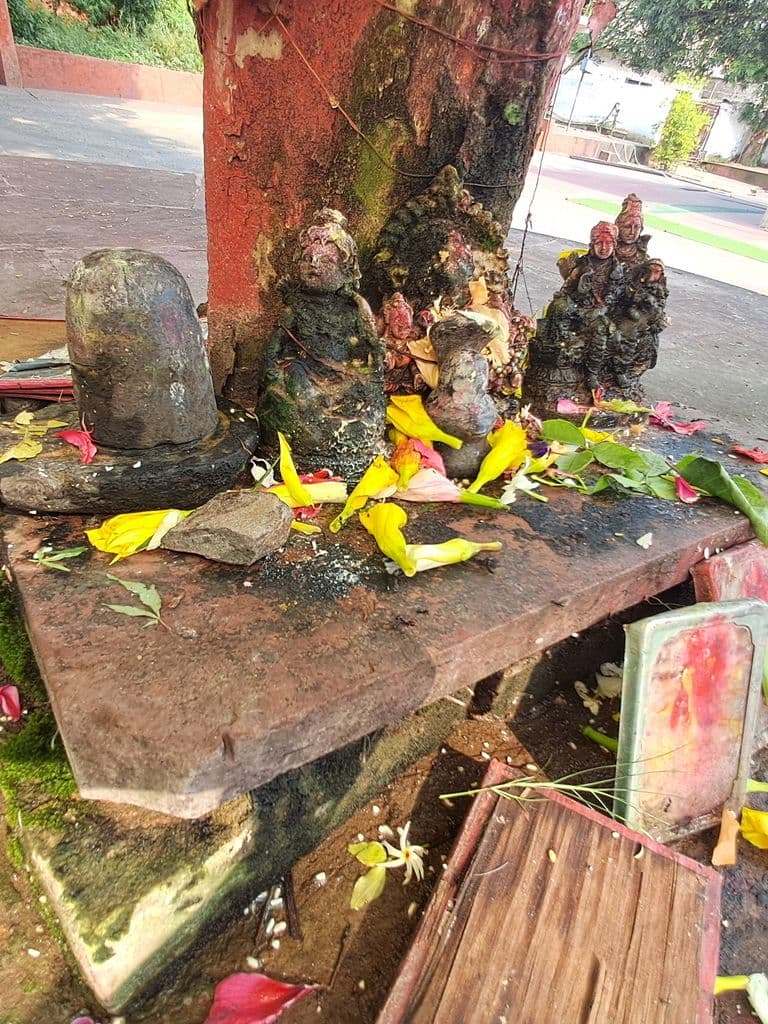
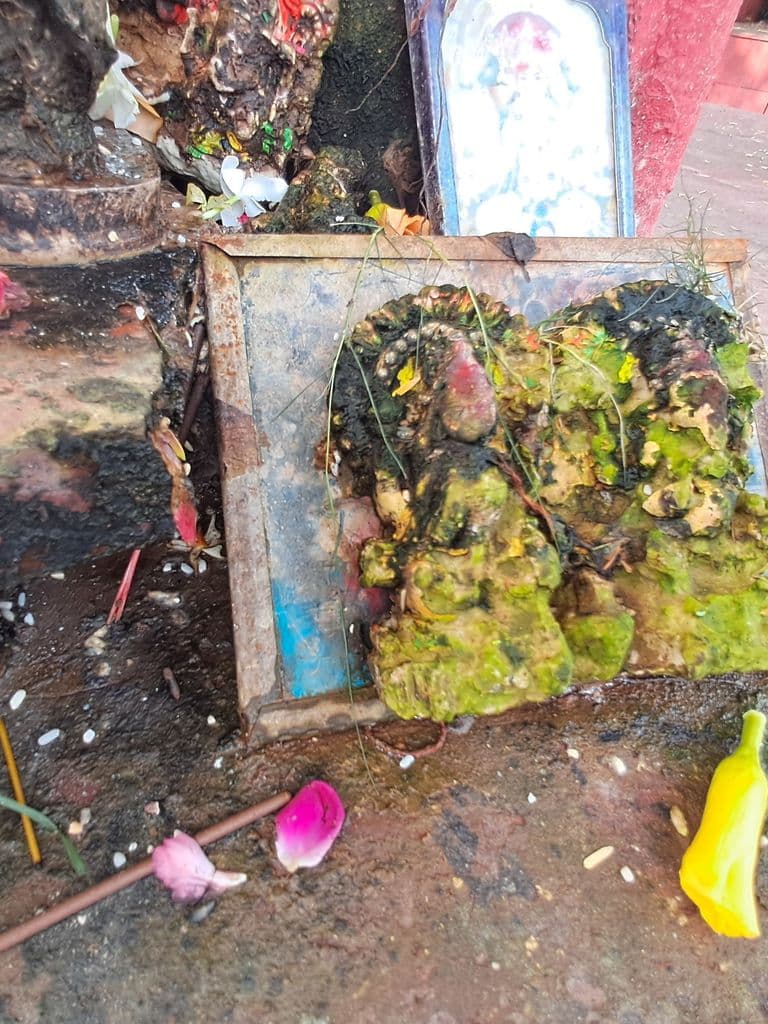
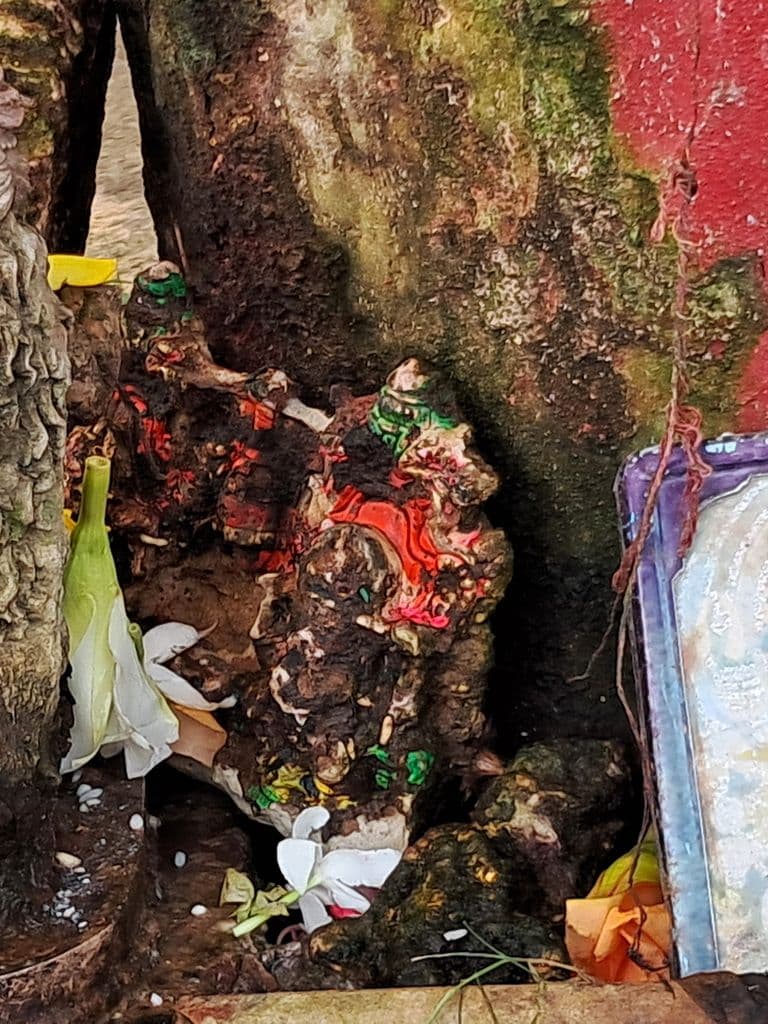
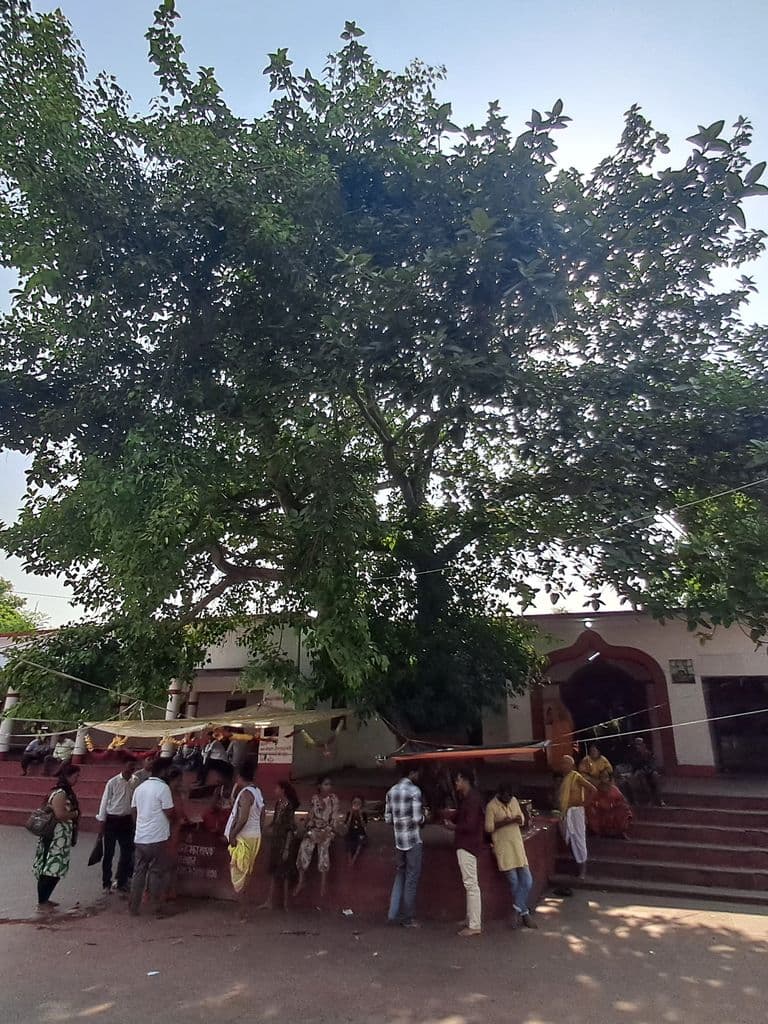
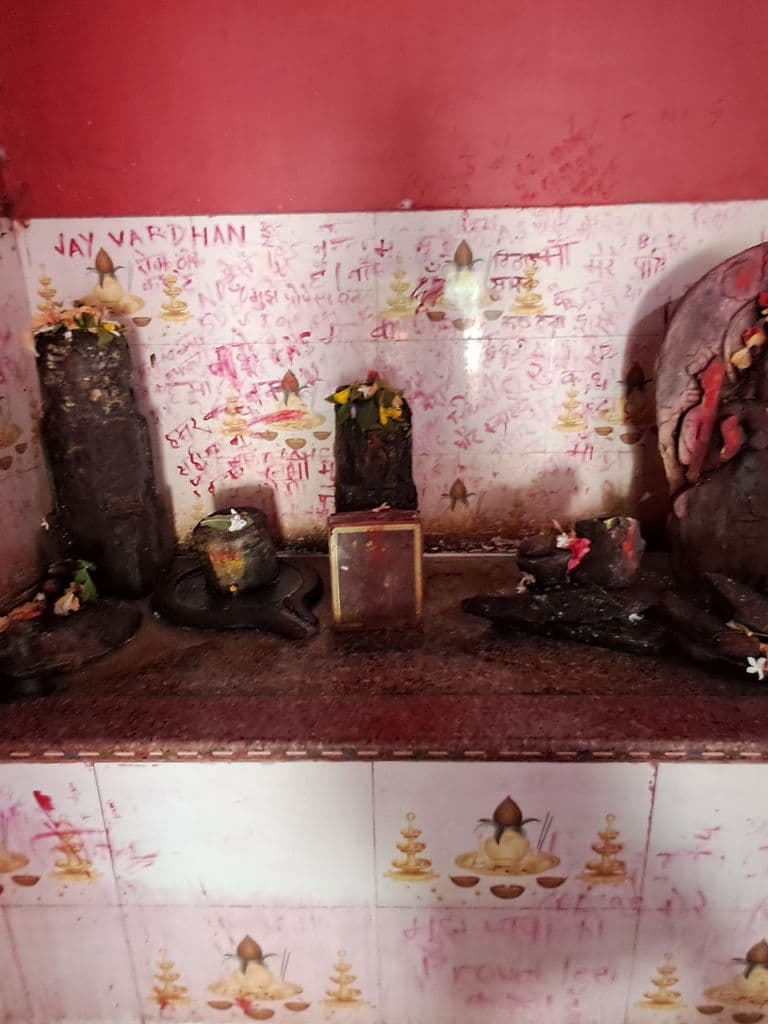
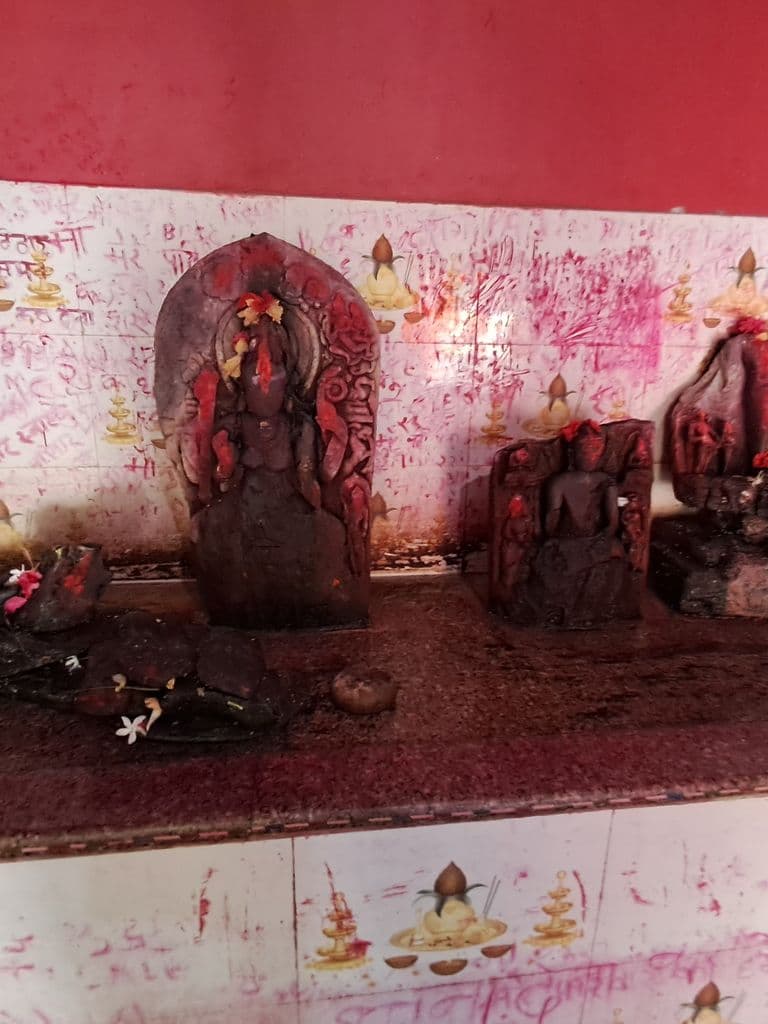
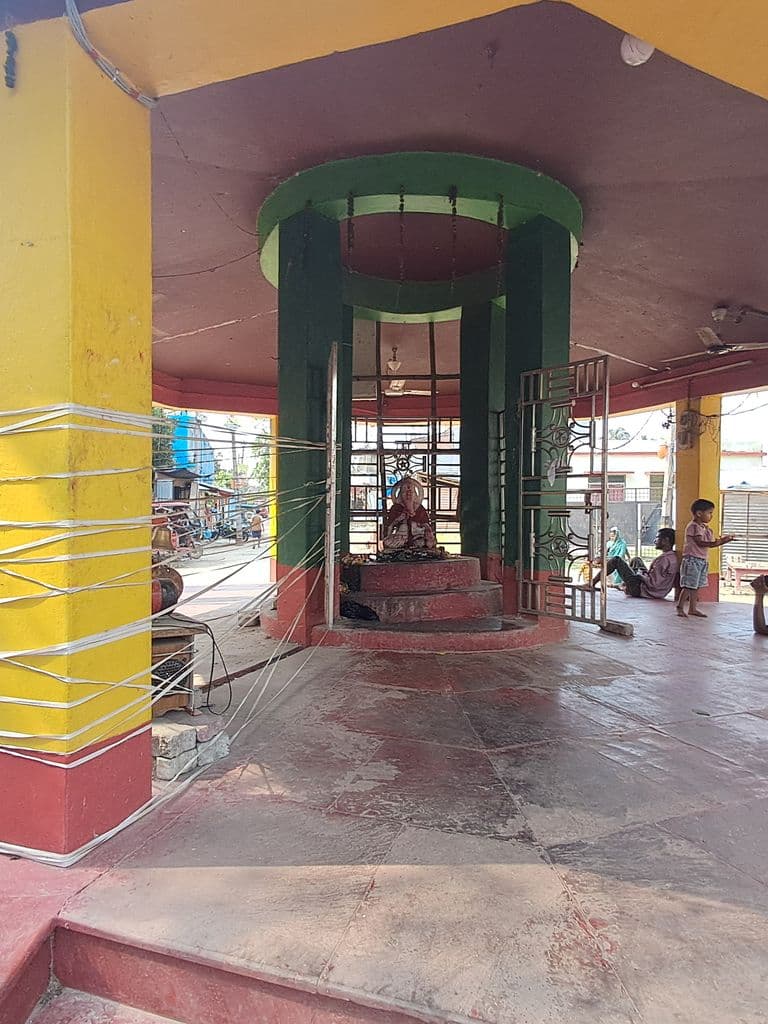
- According to Śāstric references and local recitations, Bhagavatpāda Ādi Śaṅkarācārya visited this sacred kṣetra in 599 AD during his Digvijaya through the Mithila region. Within the temple precincts stands a venerable Aśvattha Tree, beneath which are enshrined numerous ancient Vigrahas that local traditions associate with Bhagavatpāda. The principal Tārā Devī Vigraha is revered as having received the Anugraha of Bhagavatpāda Ādi Śaṅkarācārya, and continues to be worshipped as one of the most sacred manifestations of the Divine Mother in the region. Among the ancient images preserved beneath the tree is a unique Vigraha that is revered alike by both Hindu and Buddhist devotees, reflecting the shared spiritual heritage and cultural continuity of this sacred landscape.
- Local tradition further preserves that Bhagavatpāda stayed for five days immediately behind the temple, at the site where a mango tree stands today. During his stay, he is believed to have lived beneath a large tree that existed at the time, engaging in meditation, worship of the Divine Mother, and guiding seekers in the principles of Vaidhika Dharma.
- Today, the Ugra Tara Temple stands as one of the foremost kṣetras of the Mithila region, where devotion, philosophy, and sacred tradition continue to flourish together. The kṣetra represents the profound synthesis of Śakti worship and Advaita Vedānta, preserving the timeless legacy of Bhagavatpāda while inspiring generations to uphold the eternal values of Sanātana Dharma.
The above findings are based on local recitations and living traditions, as well as inscriptions and markers observed at the site, supported by available historical references, certain scientific observations, and guidance from the Shastras. As our understanding continues to evolve, we will update this account from time to time as additional insights and information emerge from local communities and further study.
Do you have more information about this location, or any questions or feedback?
✉ Write to UsPhotos