Jammu and Kashmir
Śāṅkara Jyoti Prakāśa · शाङ्कर ज्योति प्रकाश
Sugandhesa Mandir - Pattan
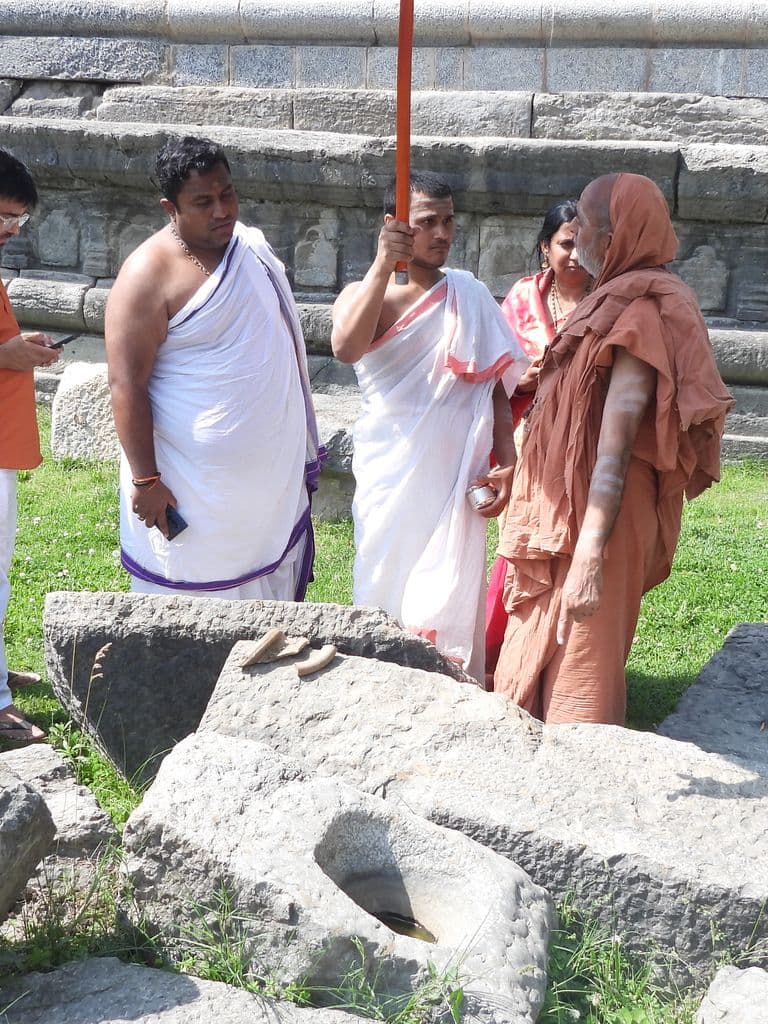
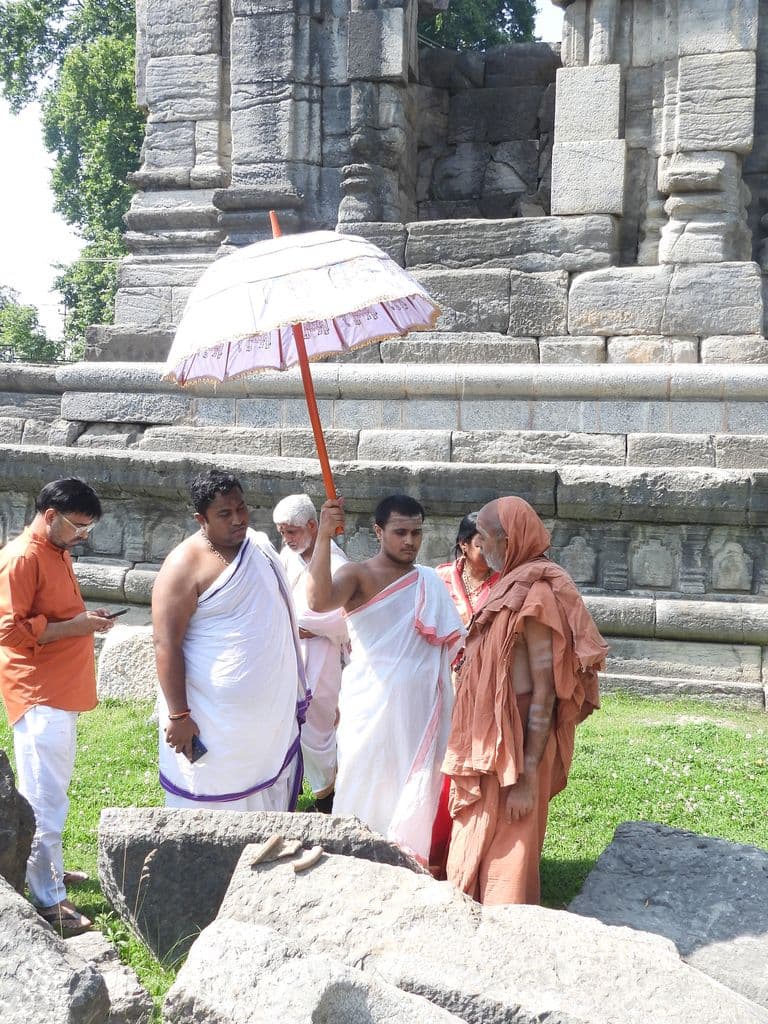
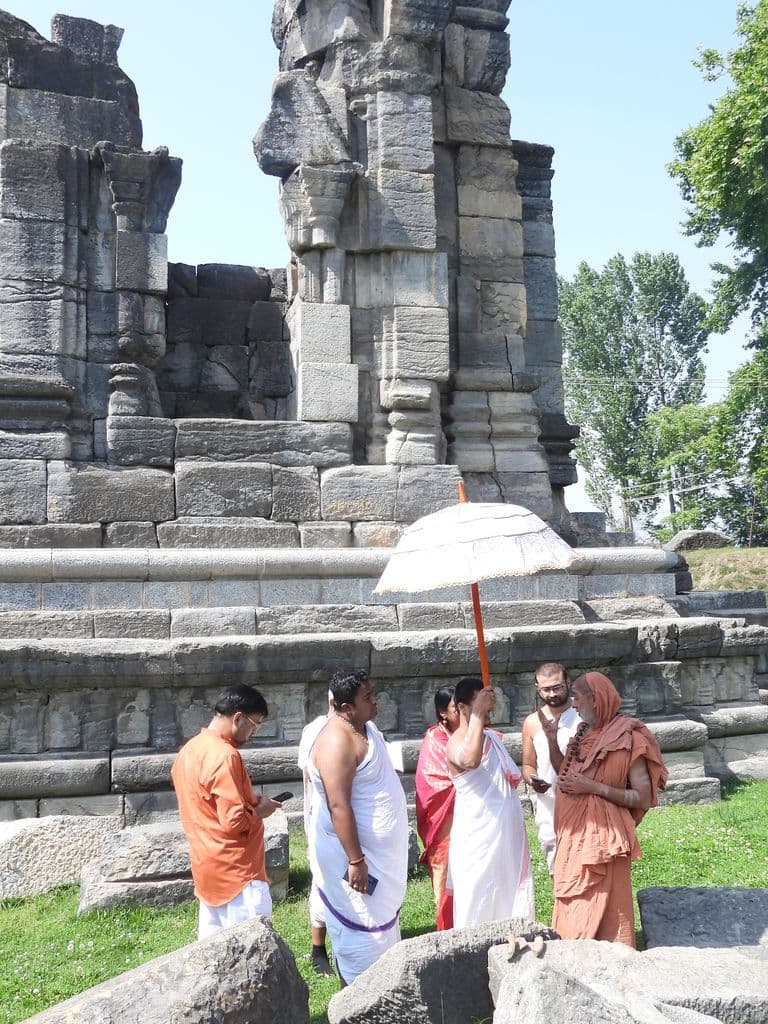
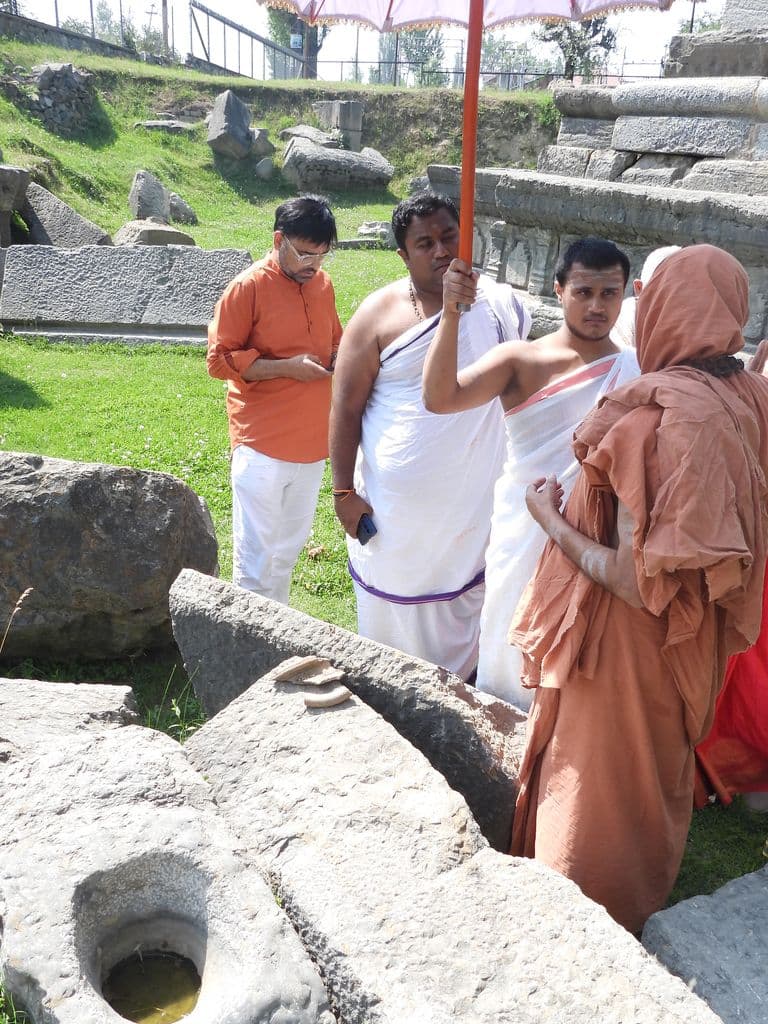
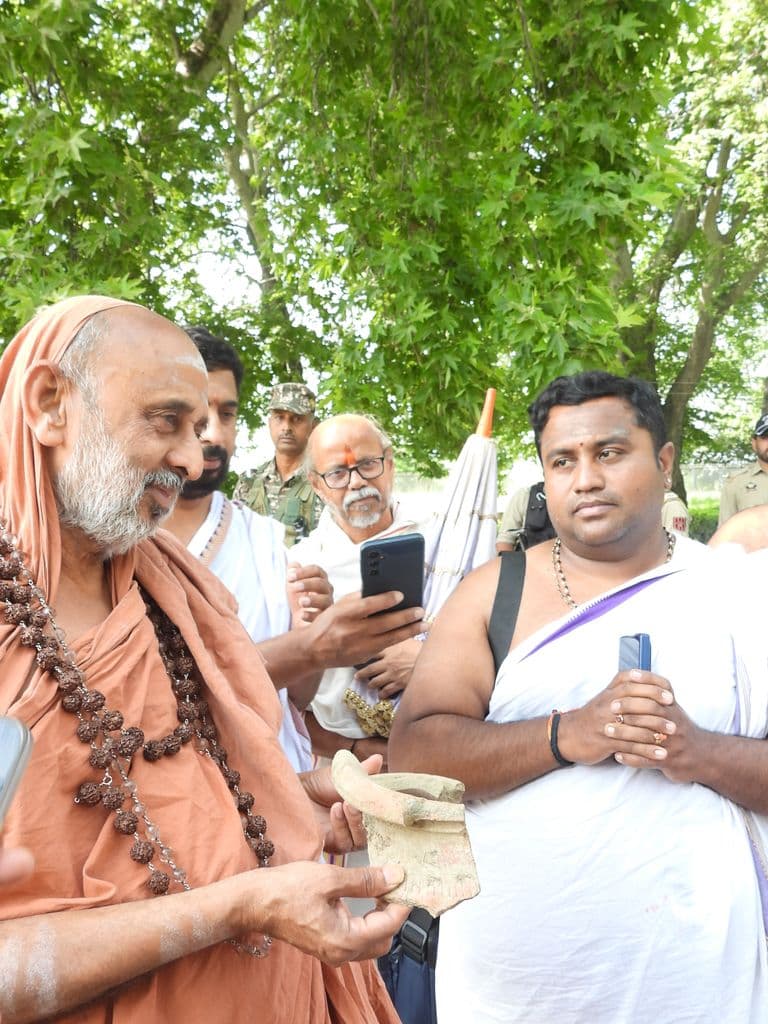
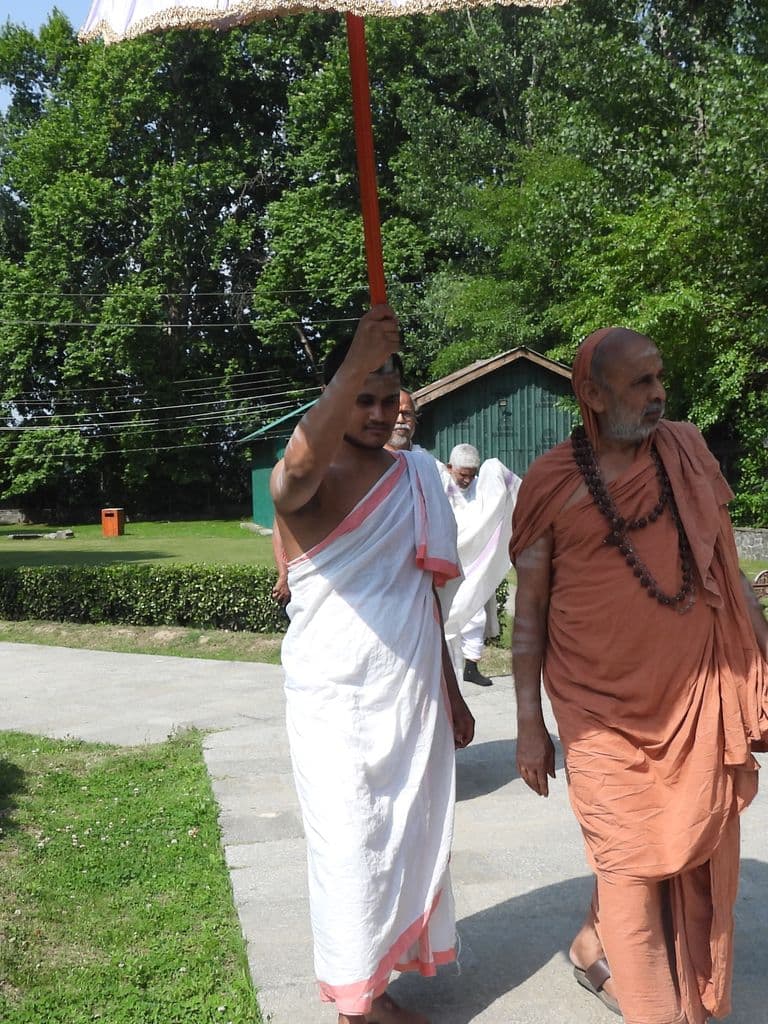
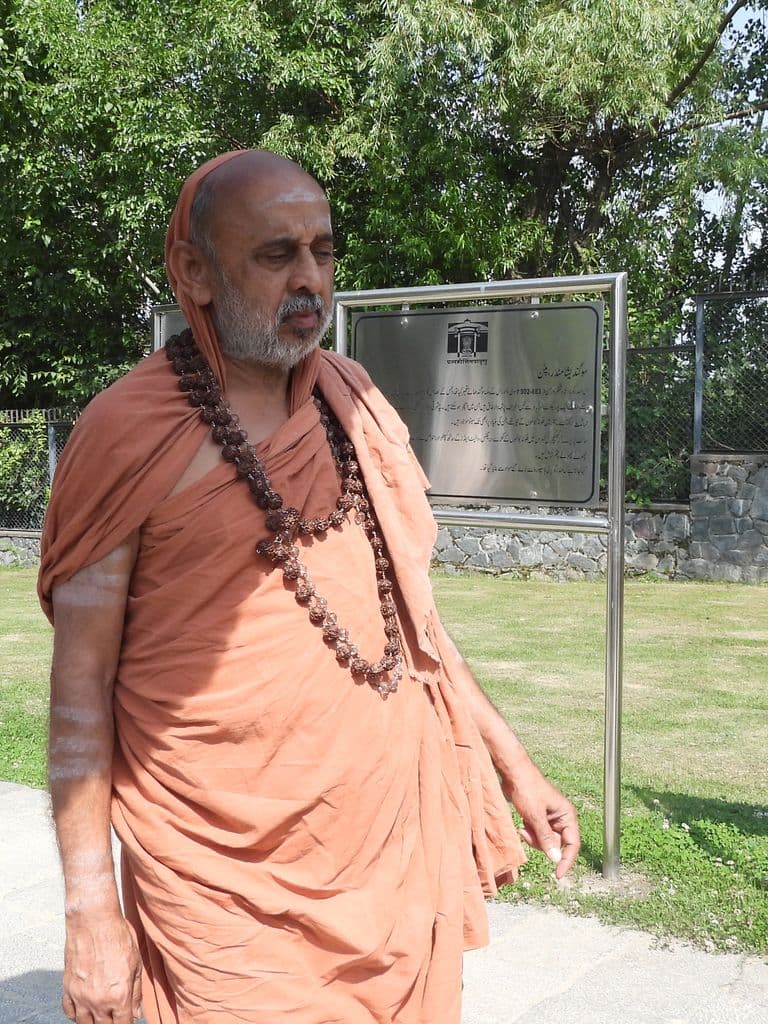
Visited 1 June 2026 during the 2026 Sampoorna Bharata Yatra.
Adi Shankaracharya's Visit
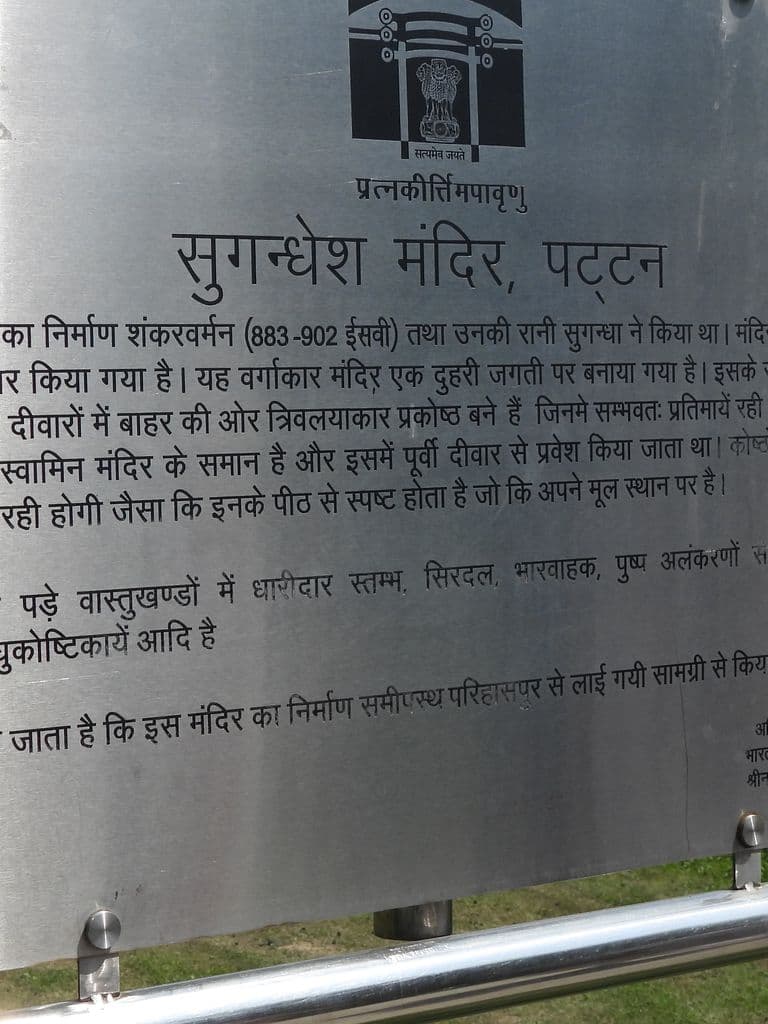
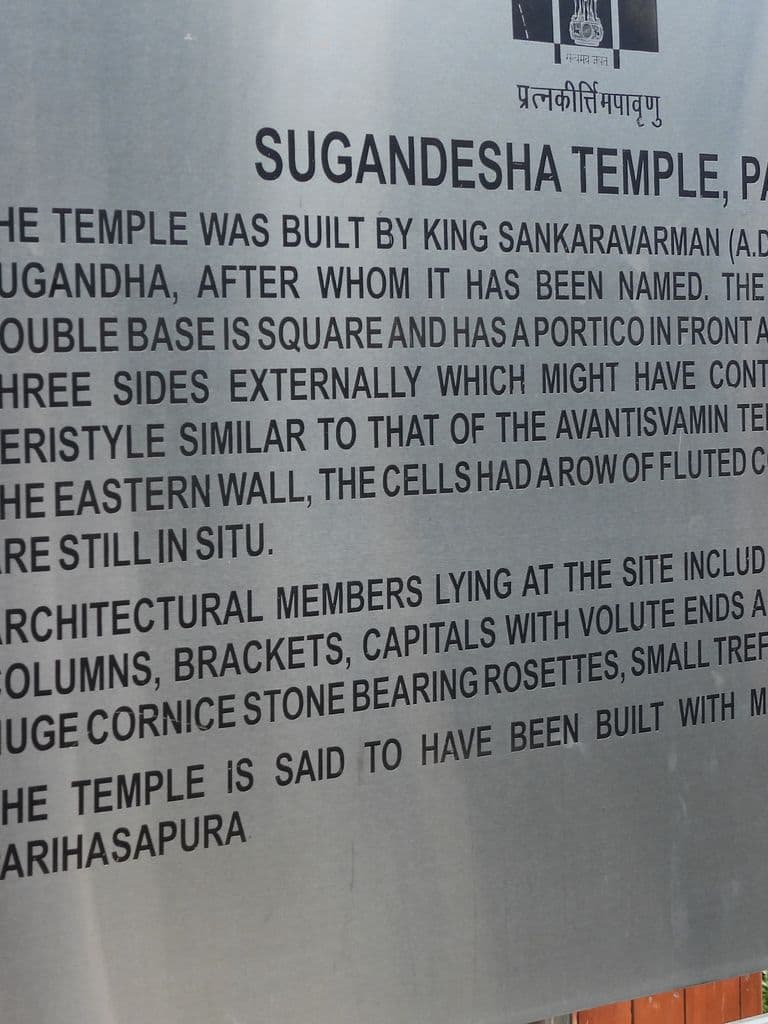
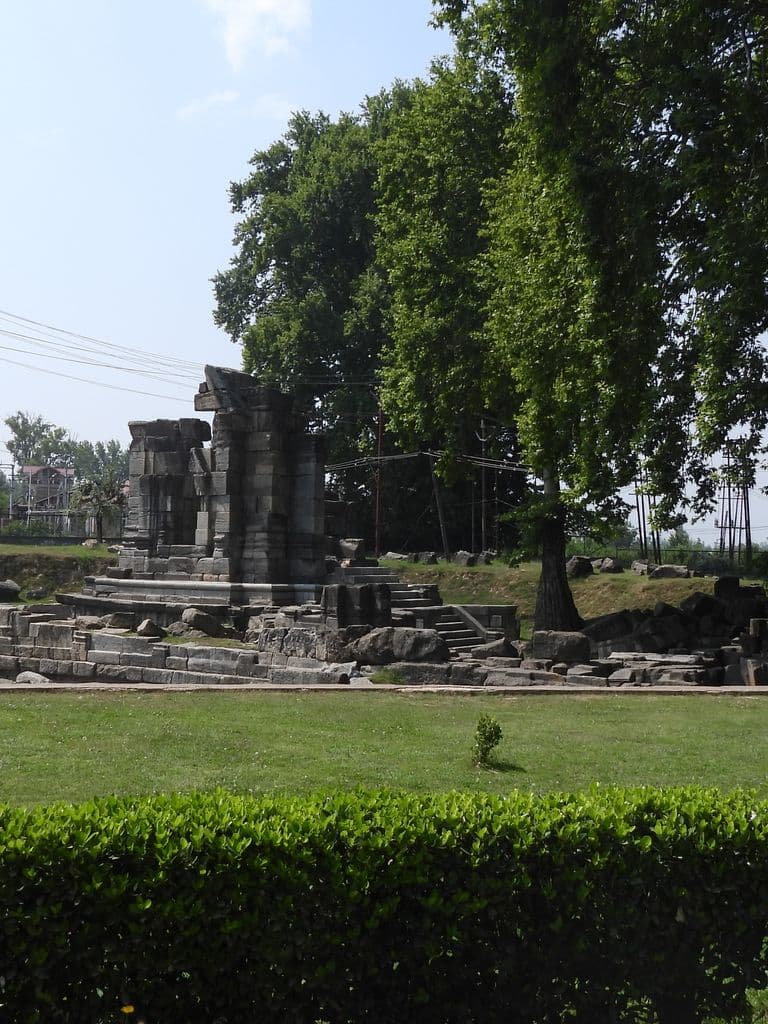
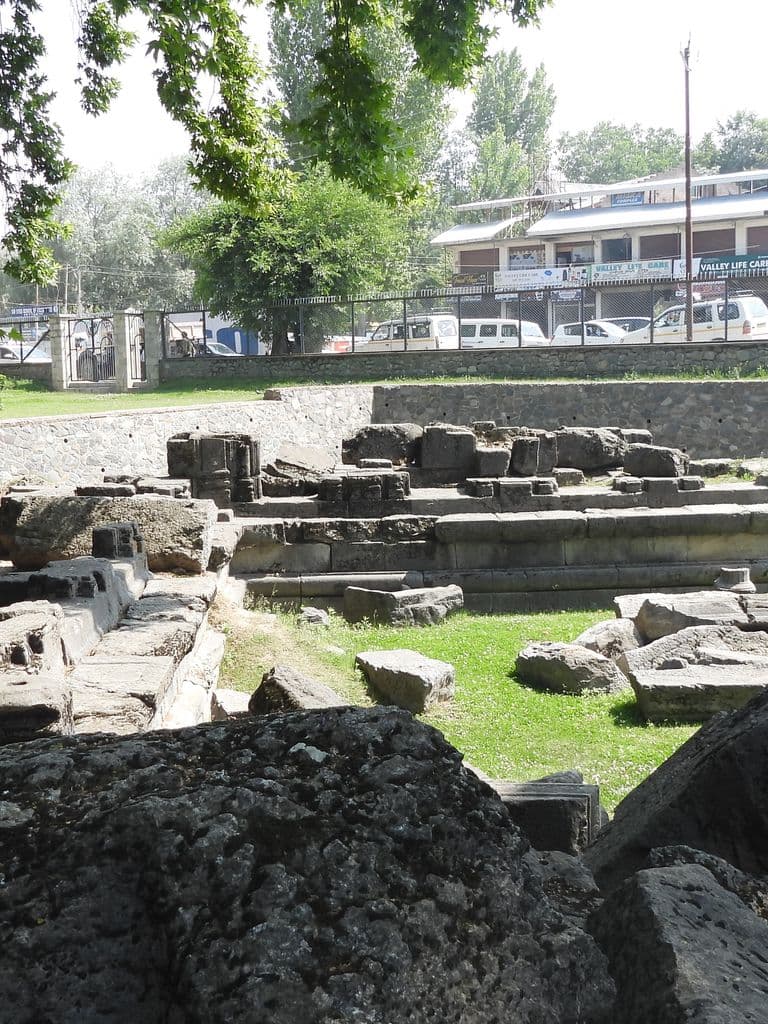
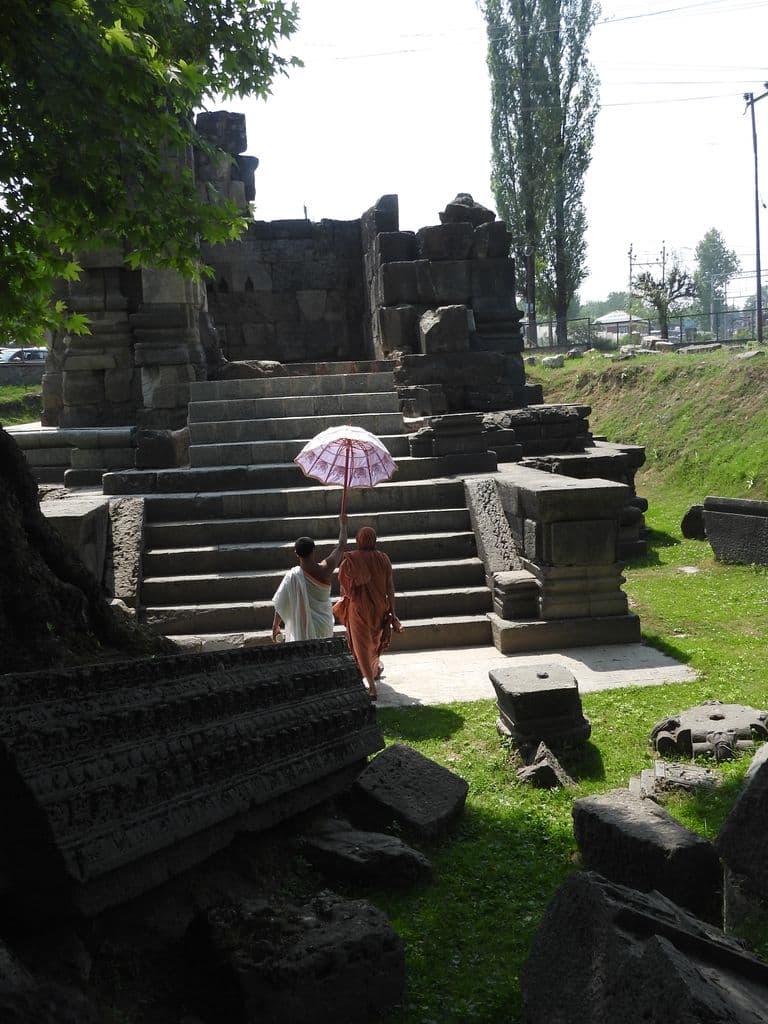
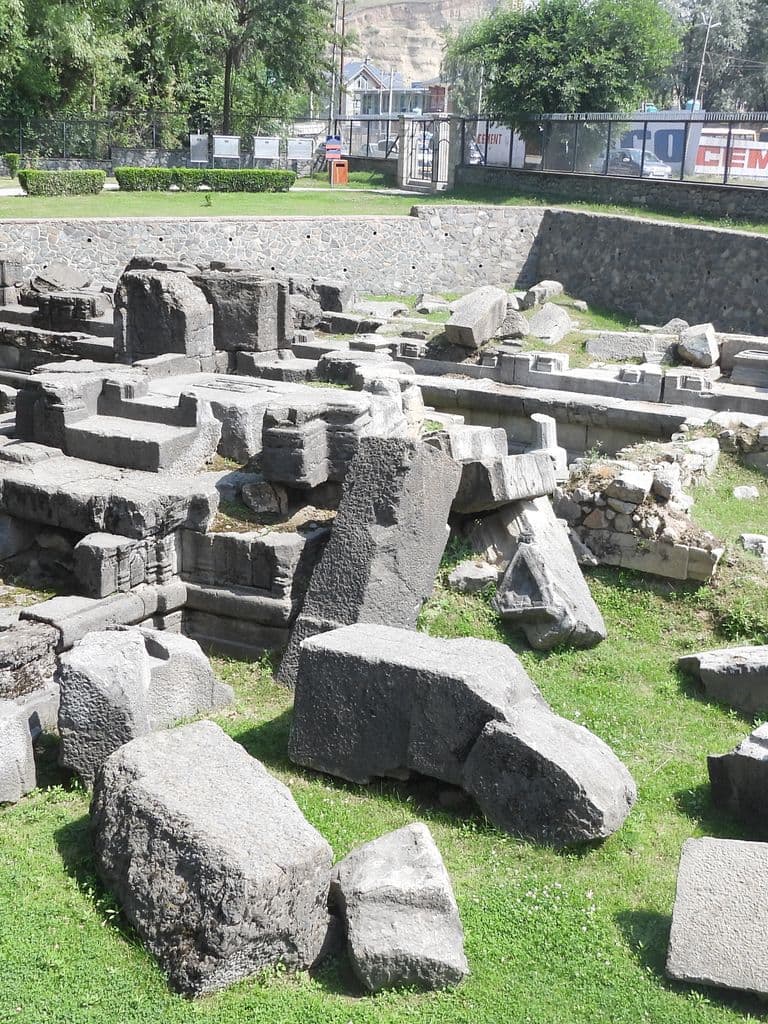
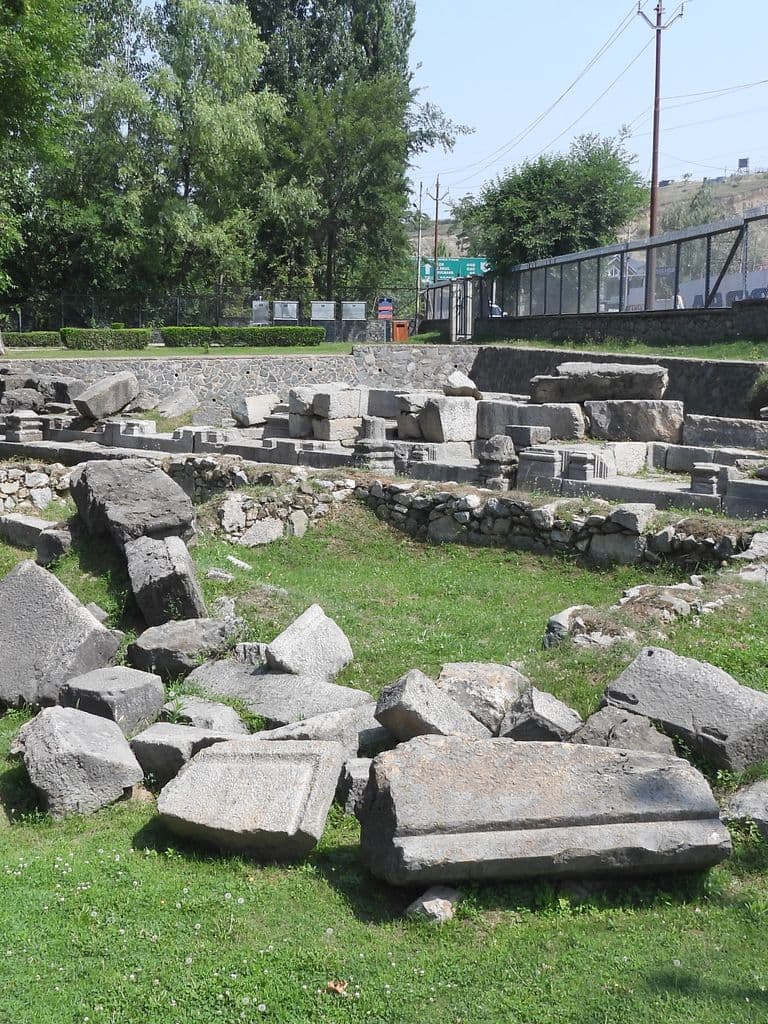
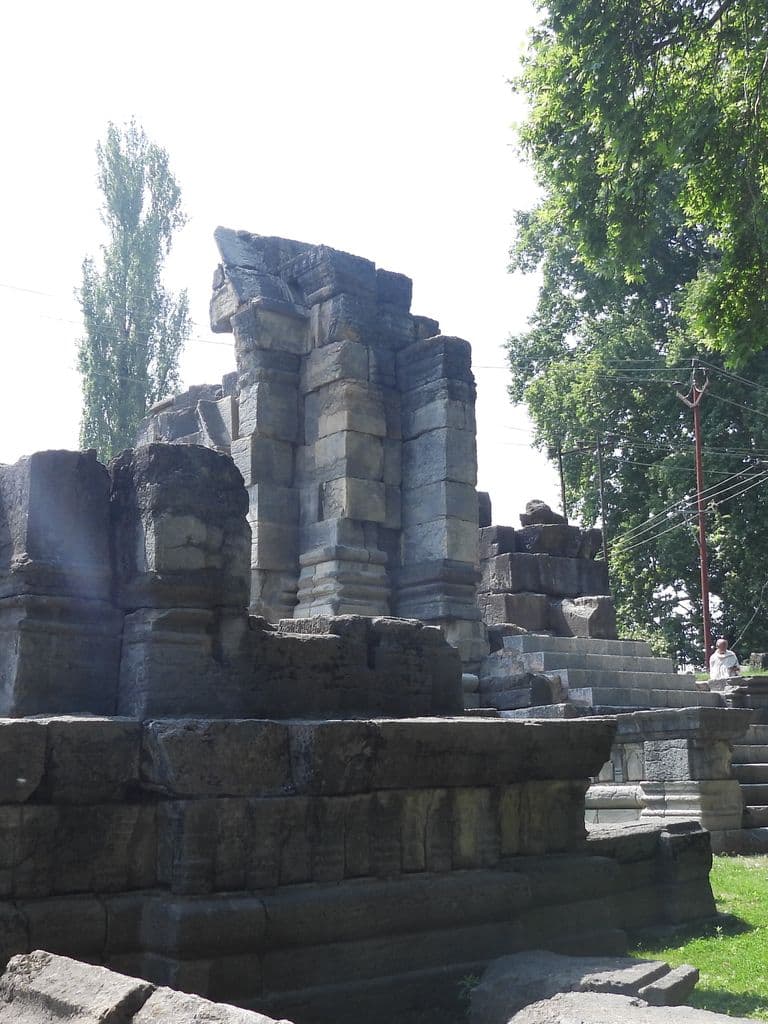
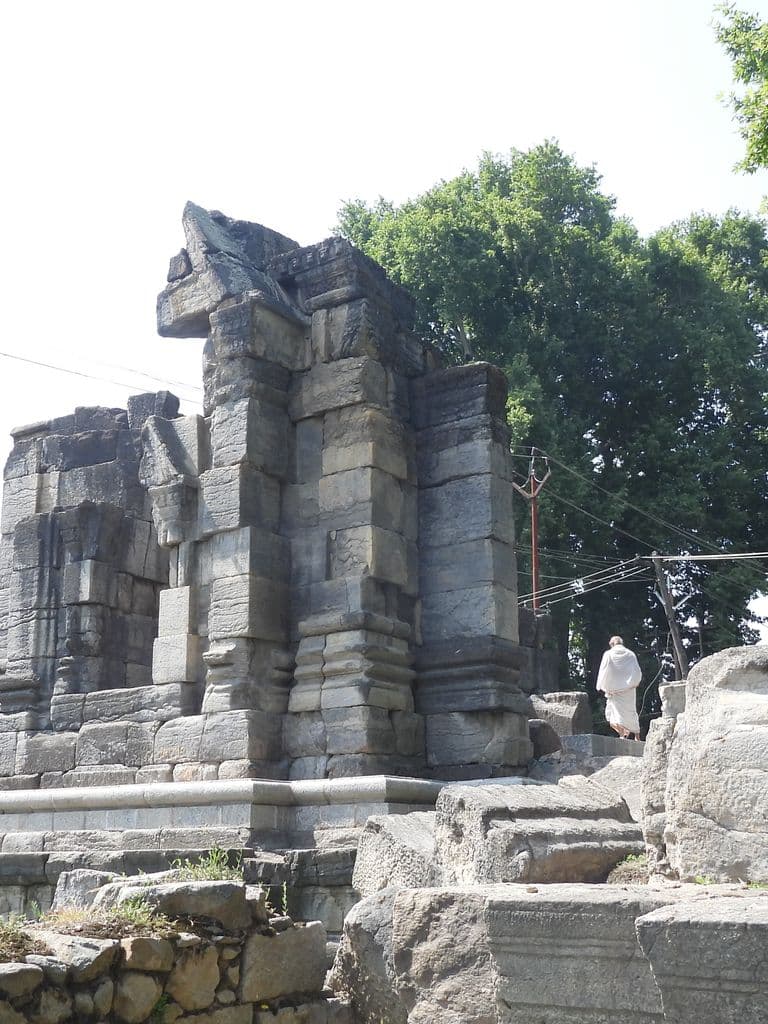
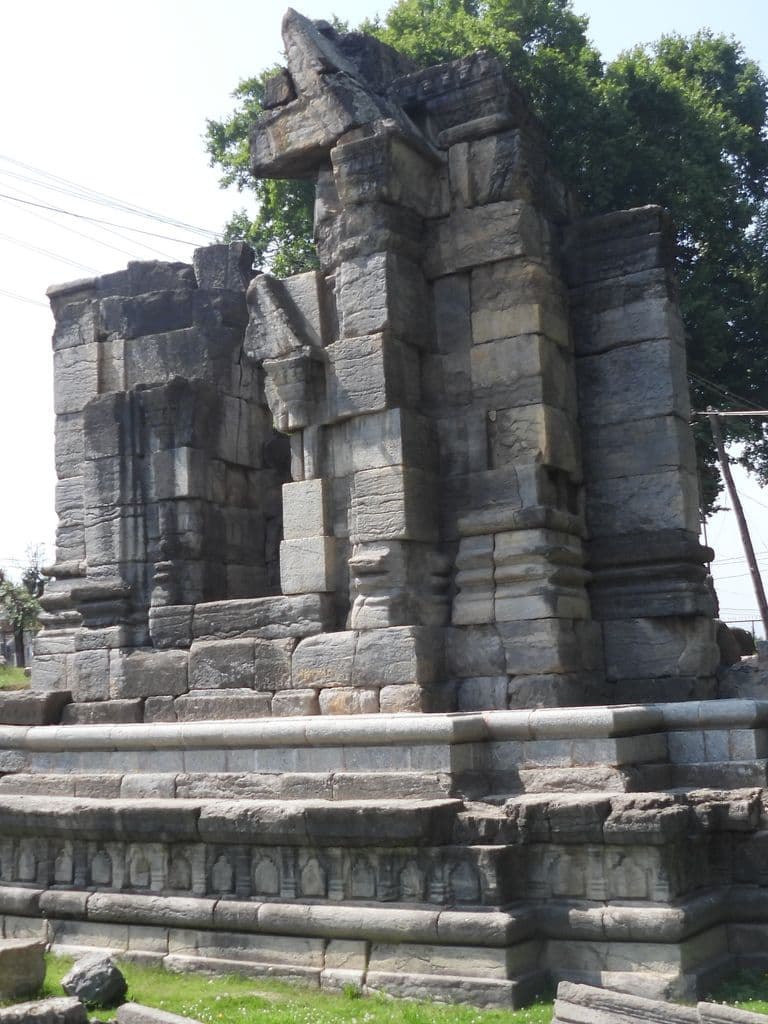
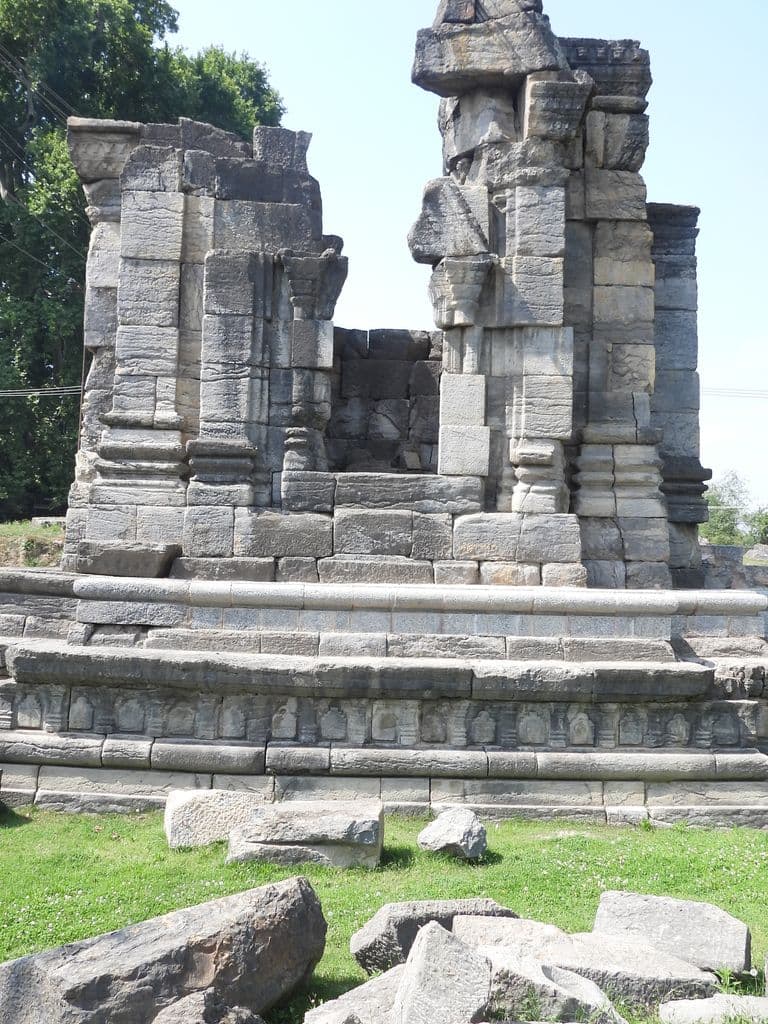
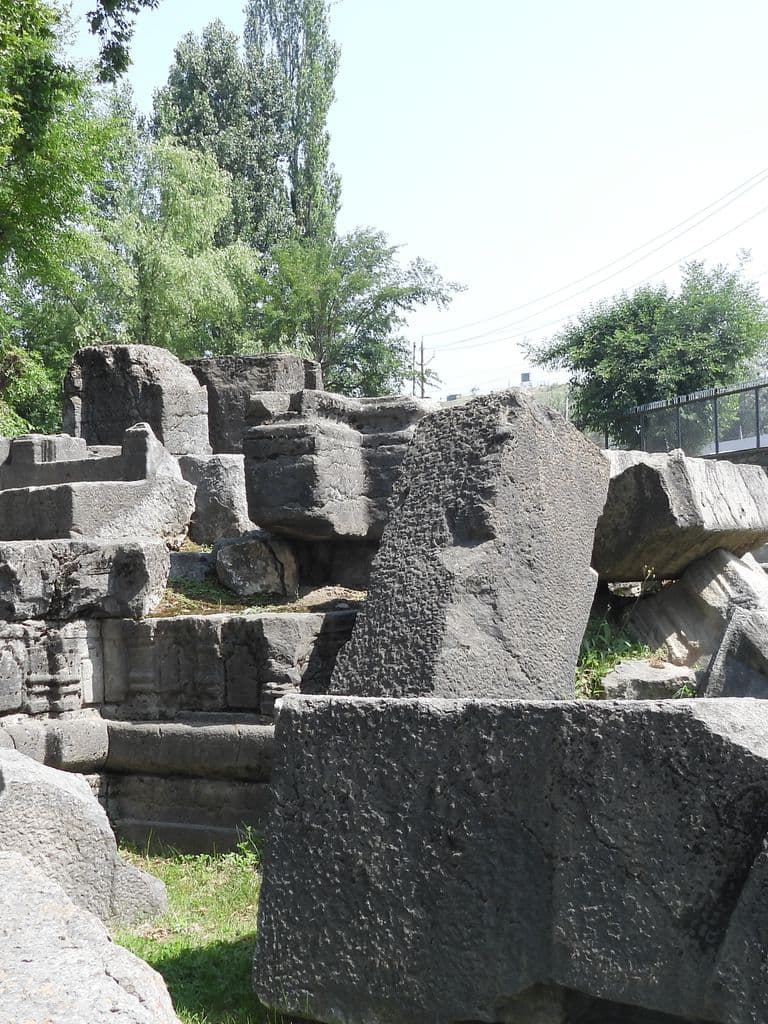
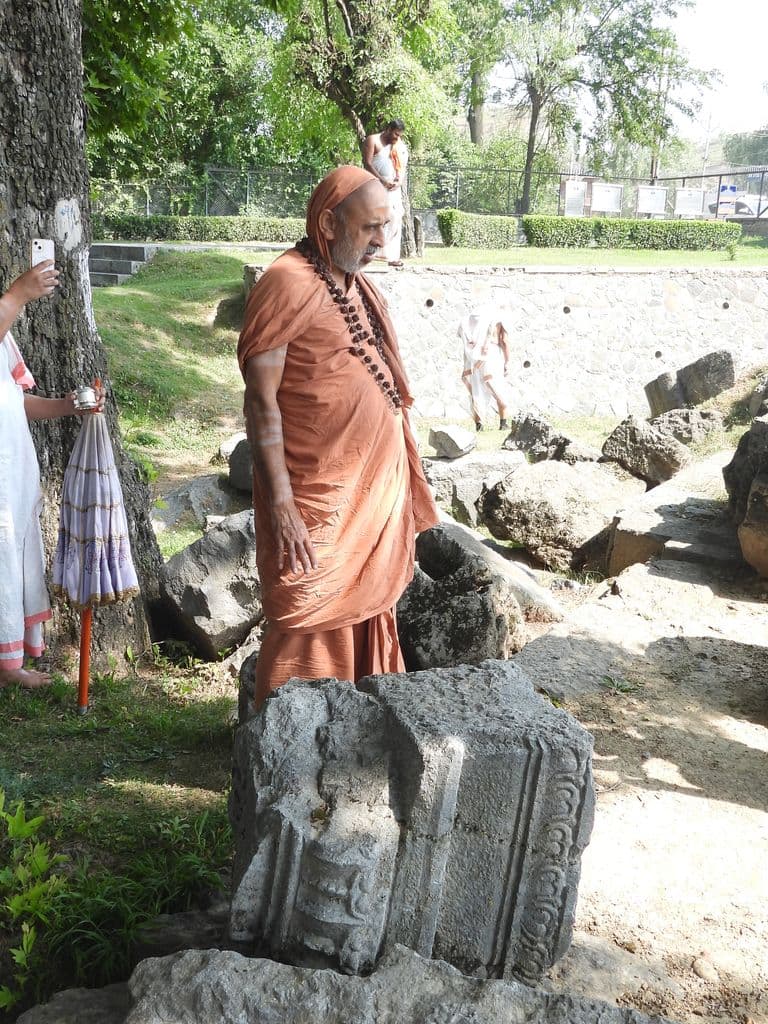
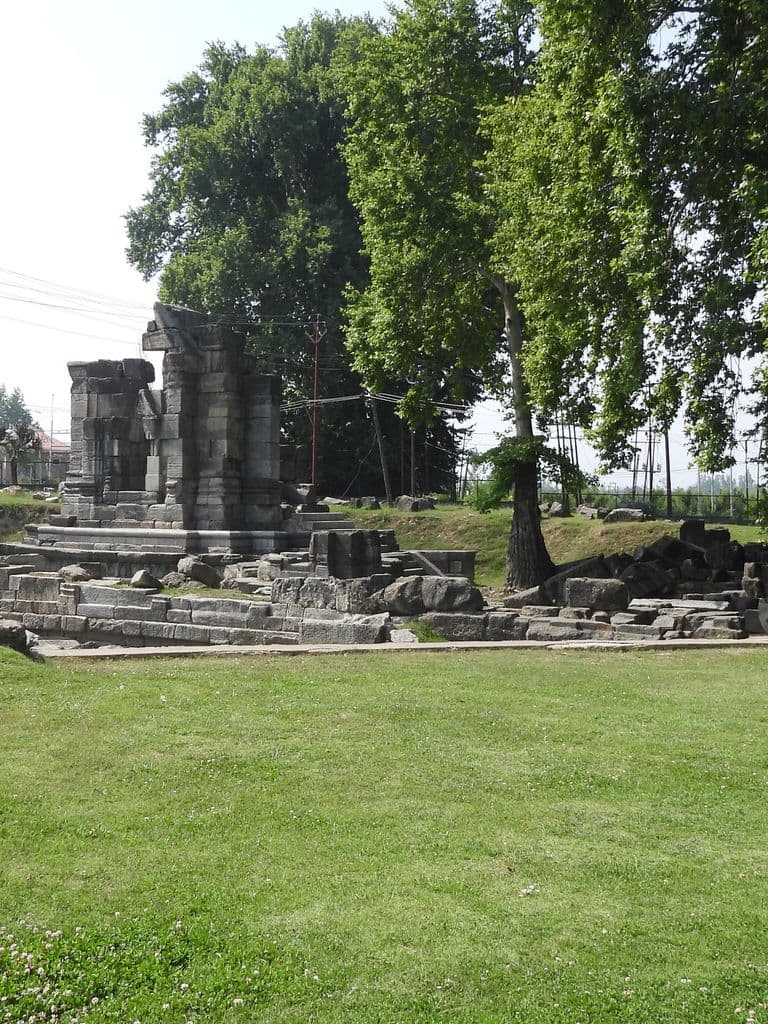
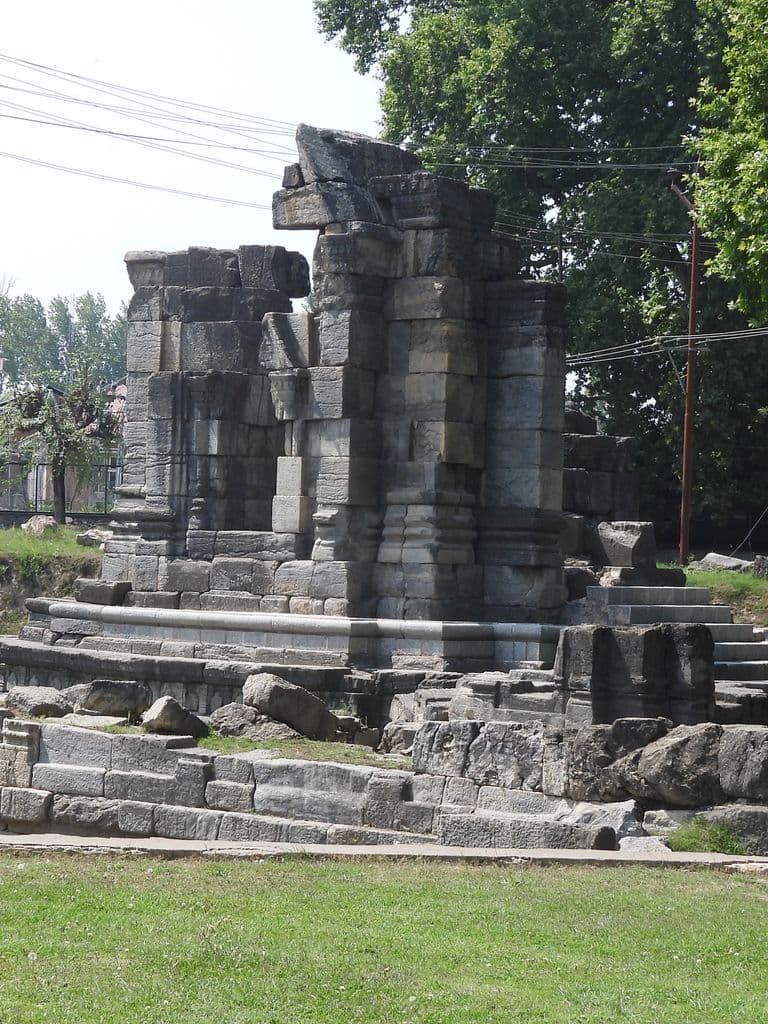
- Sugandesha Mandir, located at Pattan in the Baramulla district of Kashmir, is one of the most significant surviving examples of early medieval Kashmiri temple architecture. Constructed during a period of remarkable political and cultural activity in Kashmir, the temple formed part of the royal capital established at Pattan and reflected the growing sophistication of the region's architectural and artistic traditions.
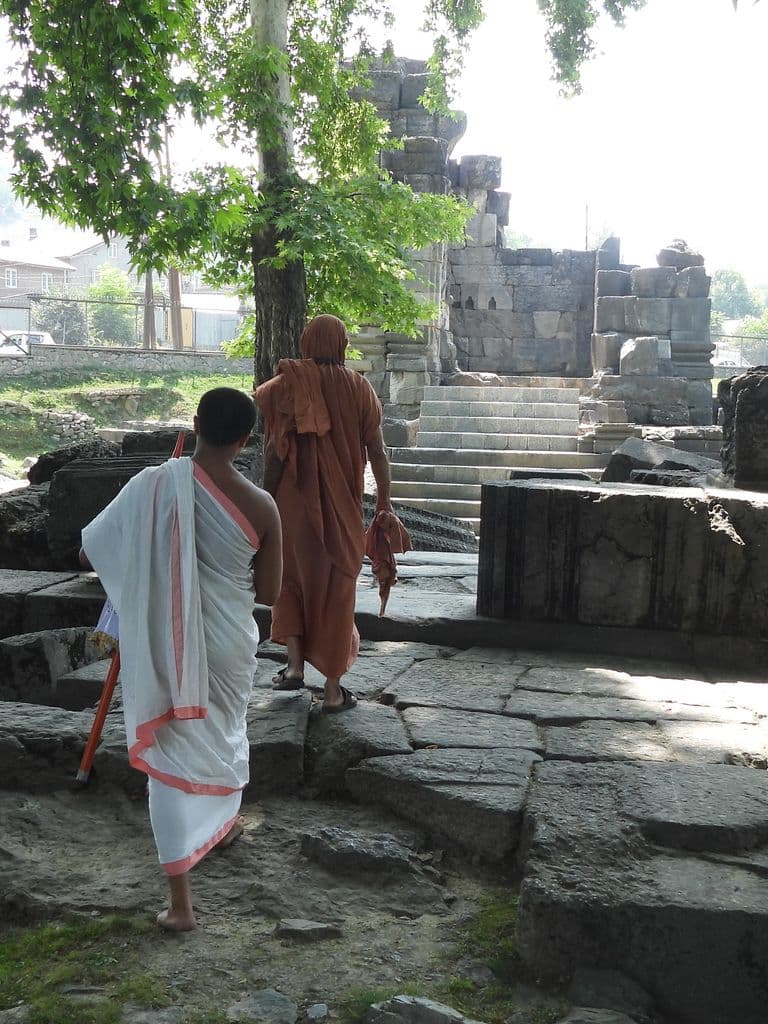
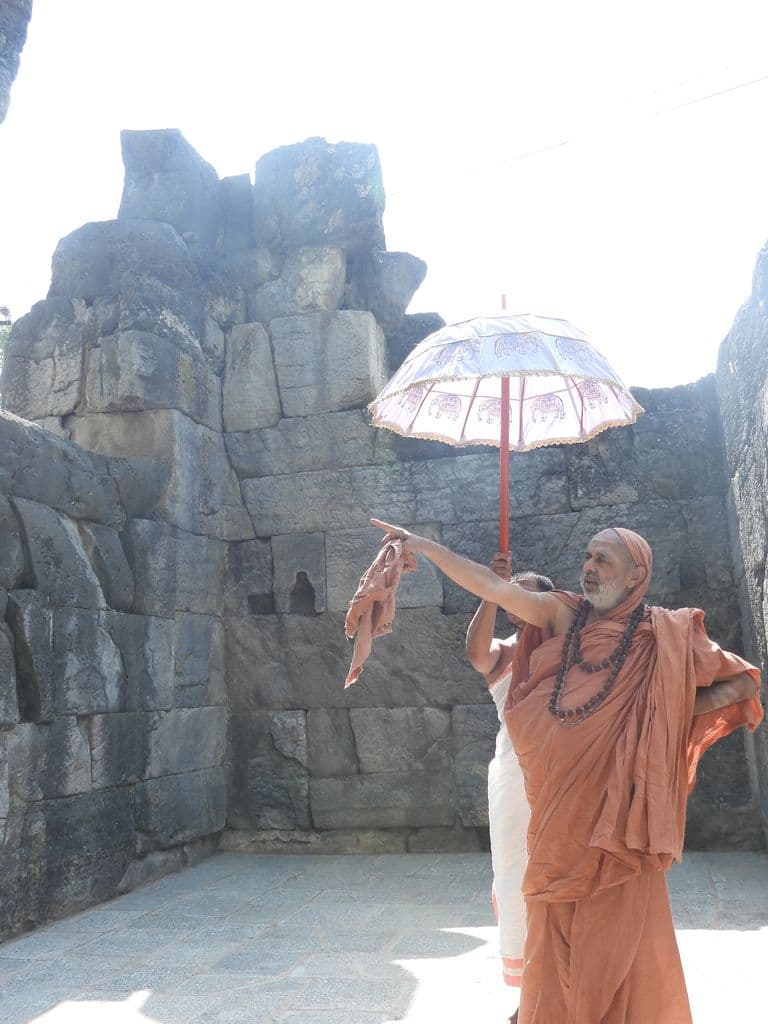
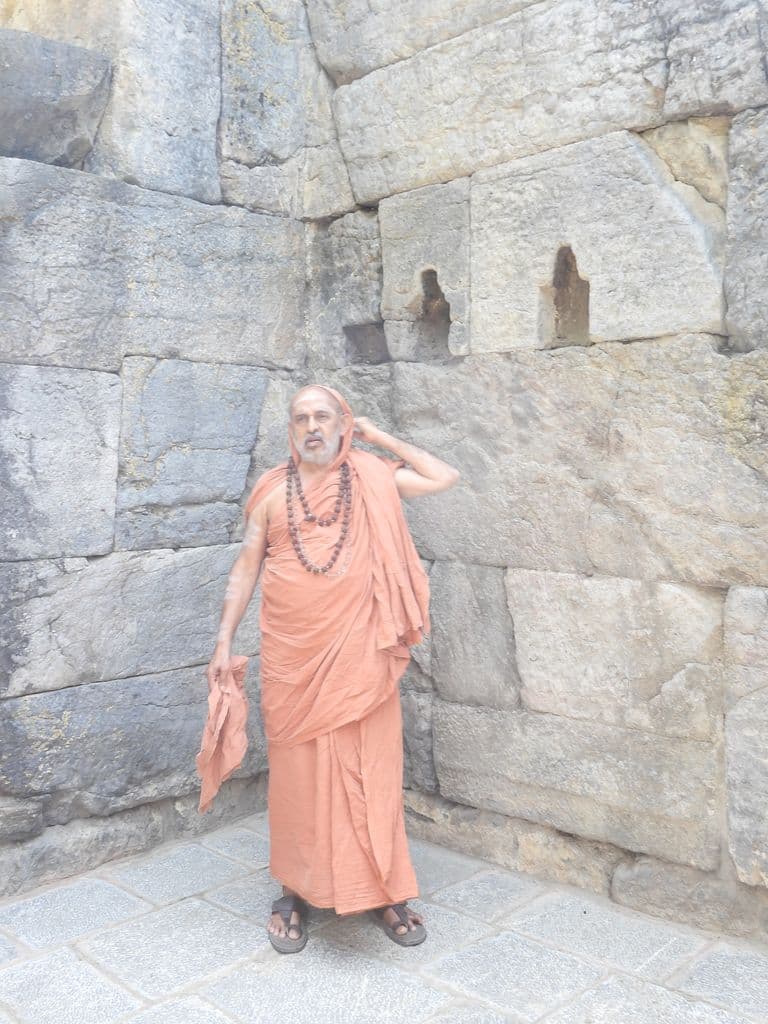
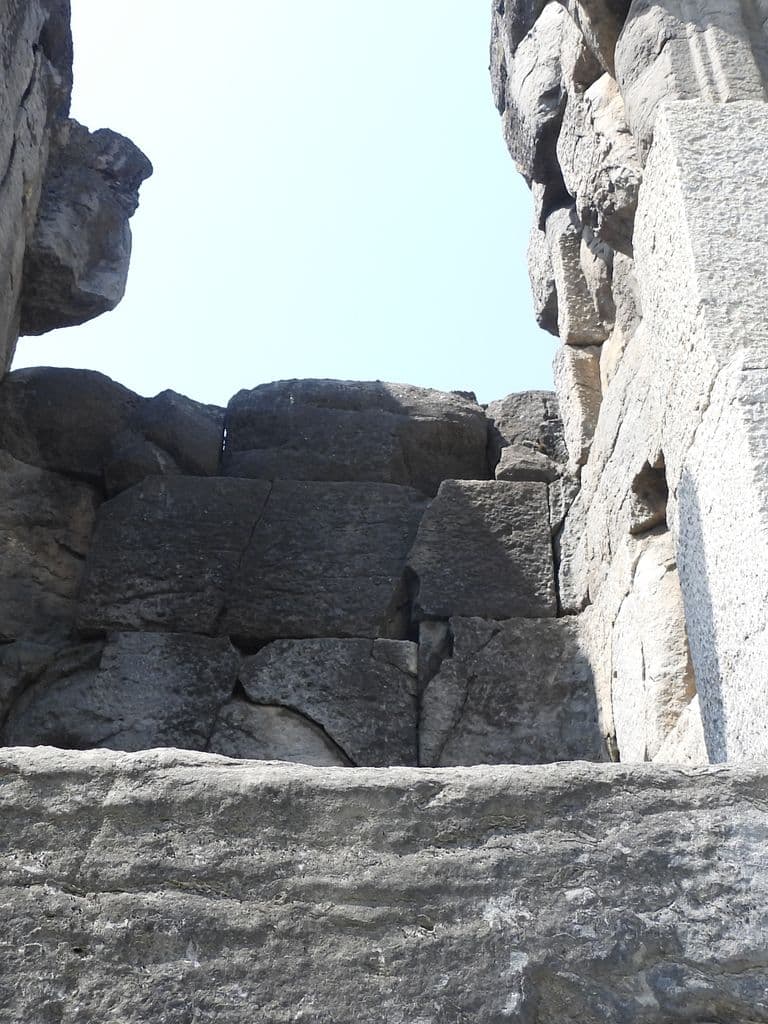
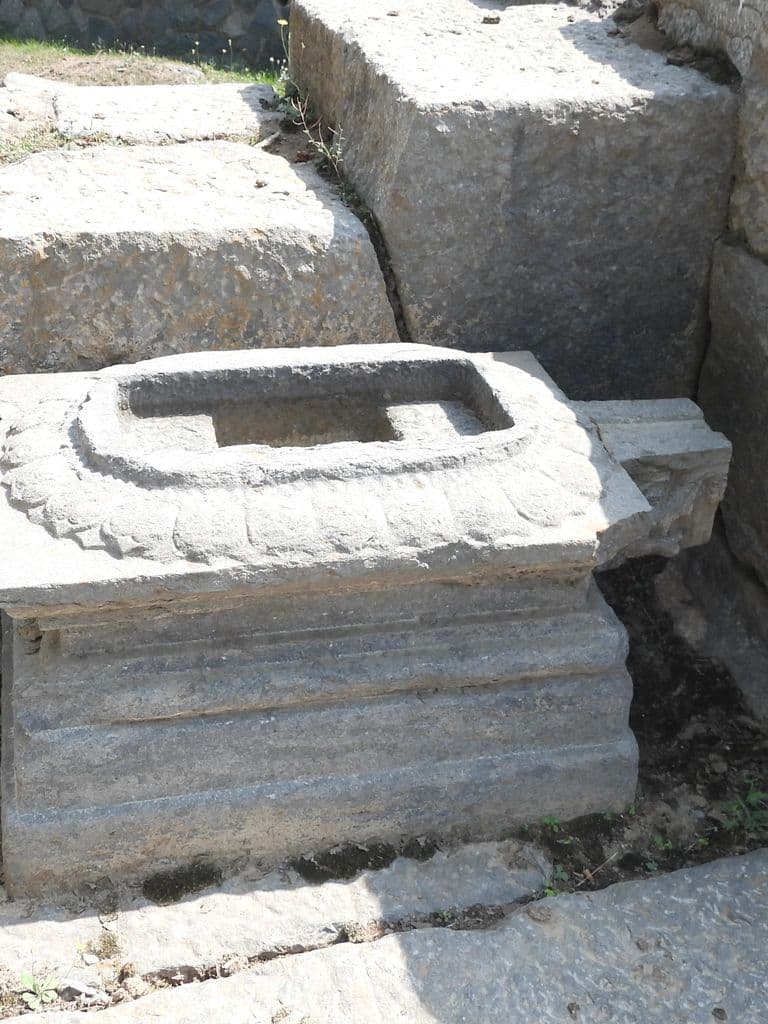
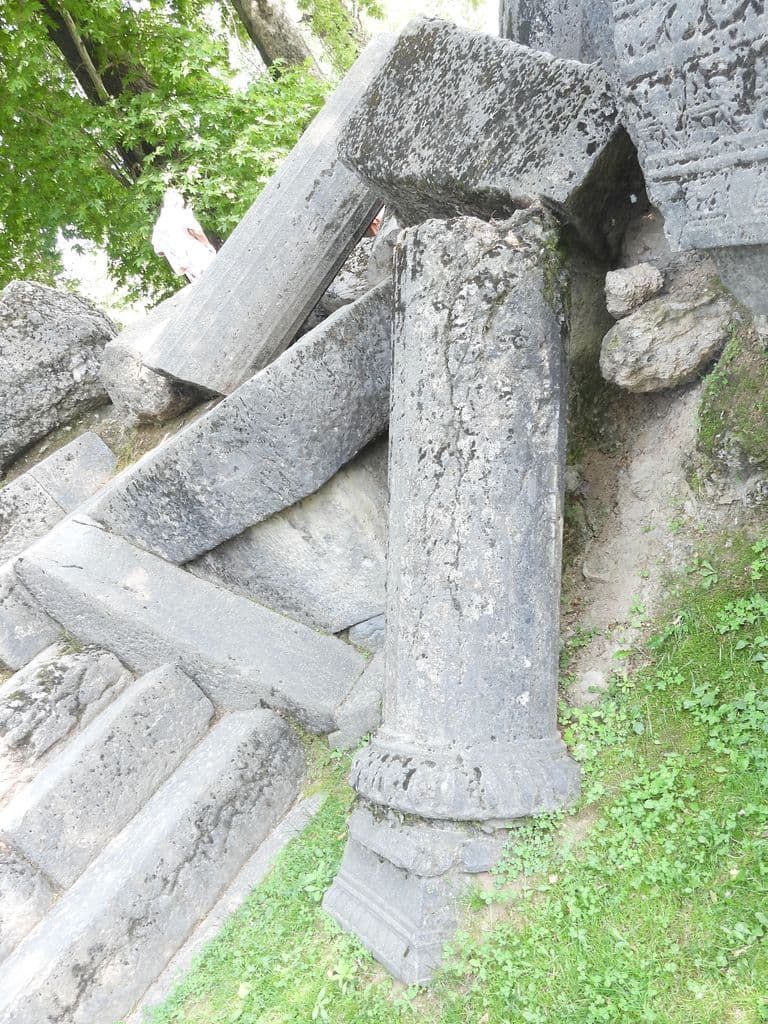
- Today, the temple survives largely as an archaeological monument, with its imposing stone remains offering valuable insight into the distinctive temple-building style that flourished in Kashmir during earlier times. Characterized by massive limestone blocks, a rectangular courtyard, and a prominent central sanctum, the structure exhibits features that distinguish Kashmiri architecture from contemporary temple traditions elsewhere in the Indian subcontinent. Despite the passage of centuries and the loss of much of its superstructure, Sugandesha Mandir remains an important historical landmark, providing evidence of the religious patronage, engineering skill, and artistic achievements of early medieval Kashmir.
- Local traditions further preserve an association between this kṣetra and Jagadguru Adi Shankaracharya. It is believed that during his travels through Kashmir, the Acharya visited Sugandesha and consecrated a shrine to Śrī Rāma along with the Rāma Parivāra. Traditions associated with the site also speak of twelve Īśvara Liṅgas established and worshipped by the Acharya, representing the twelve Jyotirliṅgas of Bharatavarsha. These traditions continue to form an important part of the sacred memory of the kṣetra and its enduring connection with Acharya Bhagavatpada.
The above findings are based on local recitations and living traditions, as well as inscriptions and markers observed at the site, supported by available historical references, certain scientific observations, and guidance from the Shastras. As our understanding continues to evolve, we will update this account from time to time as additional insights and information emerge from local communities and further study.
Do you have more information about this location, or any questions or feedback?
✉ Write to UsPhotos