Madhya Pradesh
Śāṅkara Jyoti Prakāśa · शाङ्कर ज्योति प्रकाश
Prachin Shiva Mandir - Suravaya
Visited 11 November 2026 during the 2026 Sampoorna Bharata Yatra.
Adi Shankaracharya's Visit
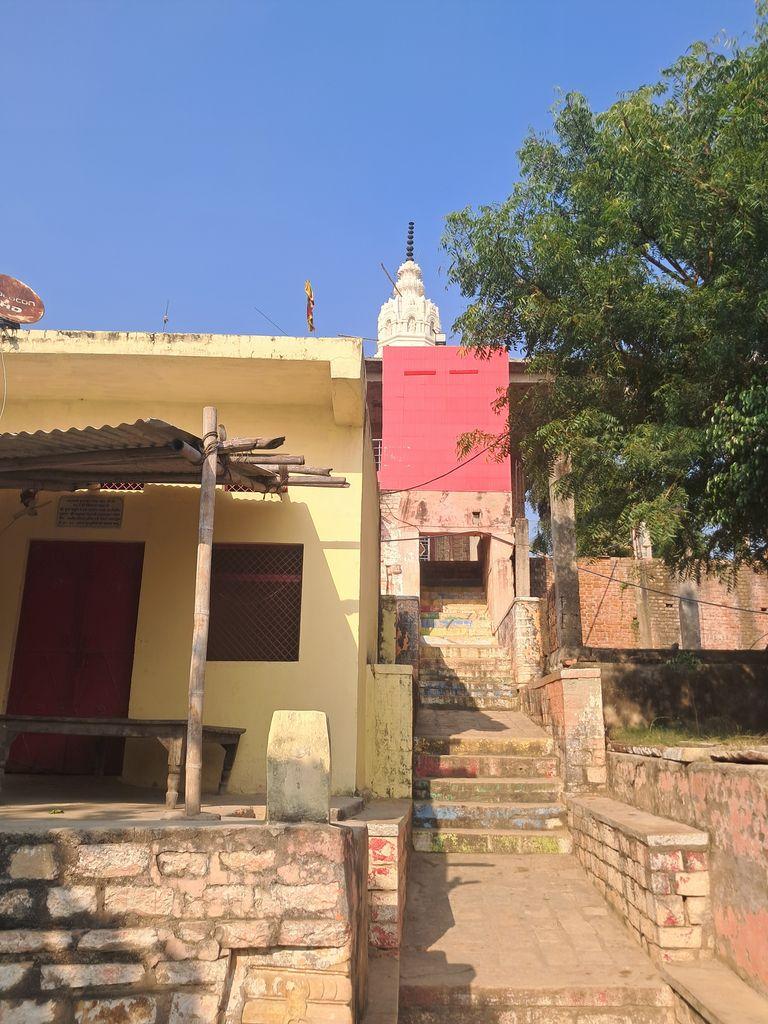
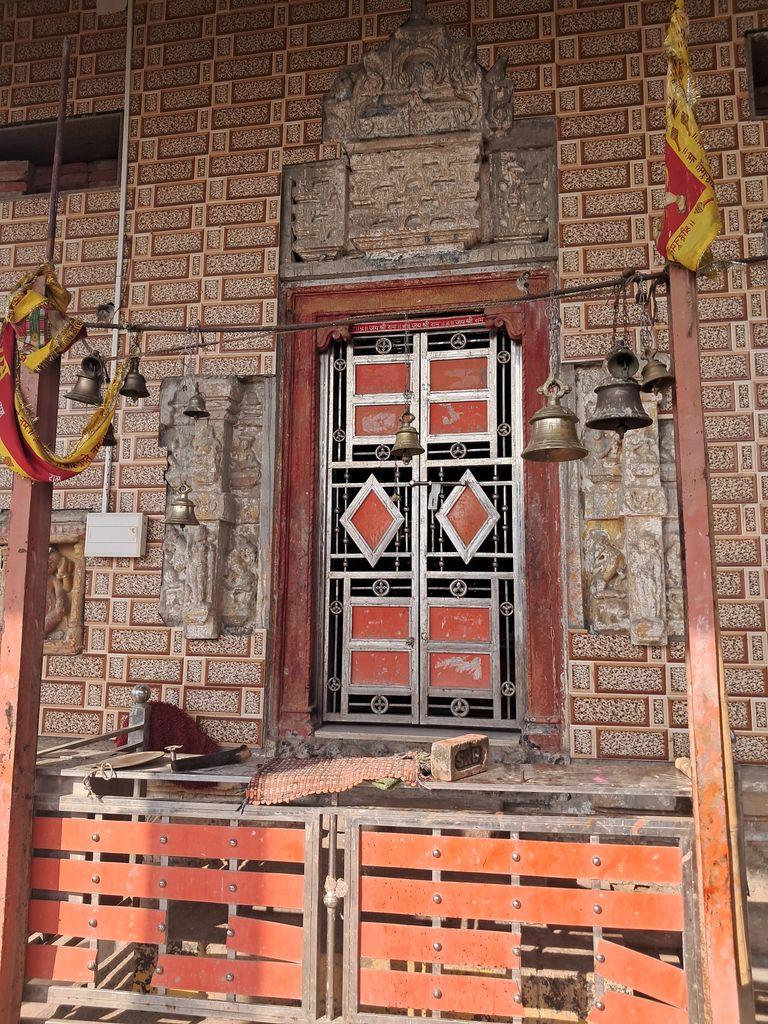
- The Yātra visited the ancient complex at Suruvāya, also referred to as Suvāya Maṭha or Śaṅkha Maṭha. An Archaeological Survey of India (ASI) information board identifies the site as Suravāya Fort and records its earlier name as Sarasvatī Pattana. The board refers to a manuscript and the Ranod inscription, in which the name Śaṅkha Maṭhikā occurs. The term maṭhikā is understood to refer to a maṭha. The ASI information places the complex broadly around the ninth century.
- The site comprises a maṭha structure and three temples. The maṭha is encountered first, with the temples standing beside it. The buildings occupy an extensive precinct and feature substantial stone construction. The identification of the site as a Śaṅkha Maṭha is particularly significant, as the reference to Śaṅkha Maṭhikā in the Ranod inscription provides an important lead for understanding the complex and its history.
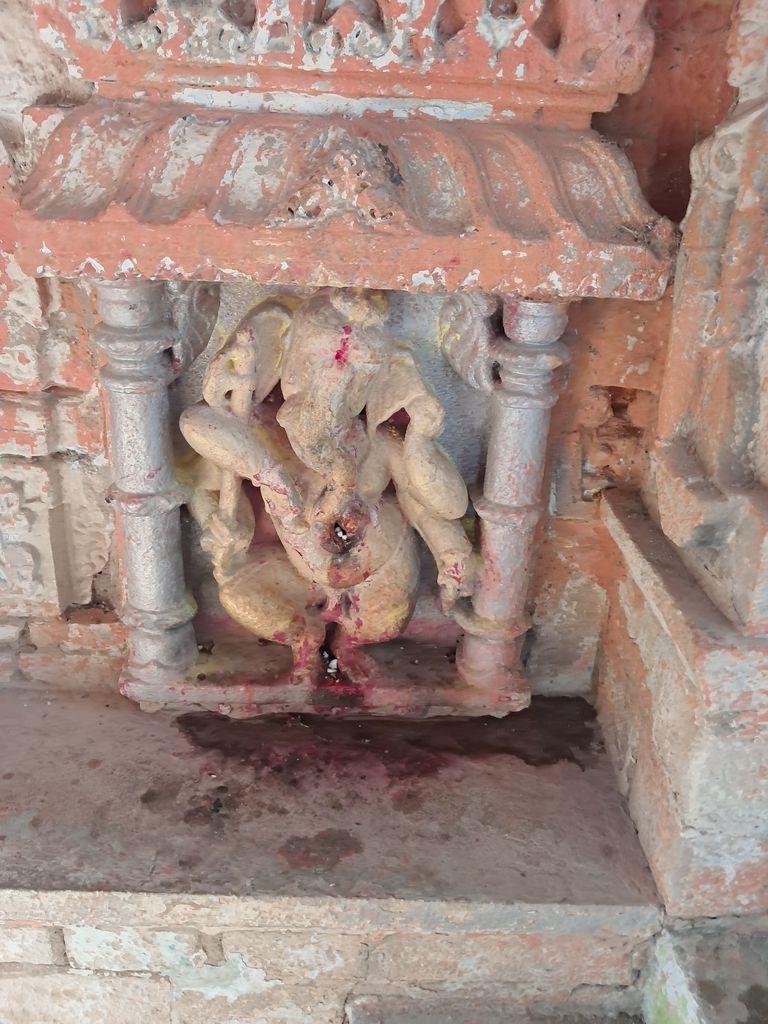
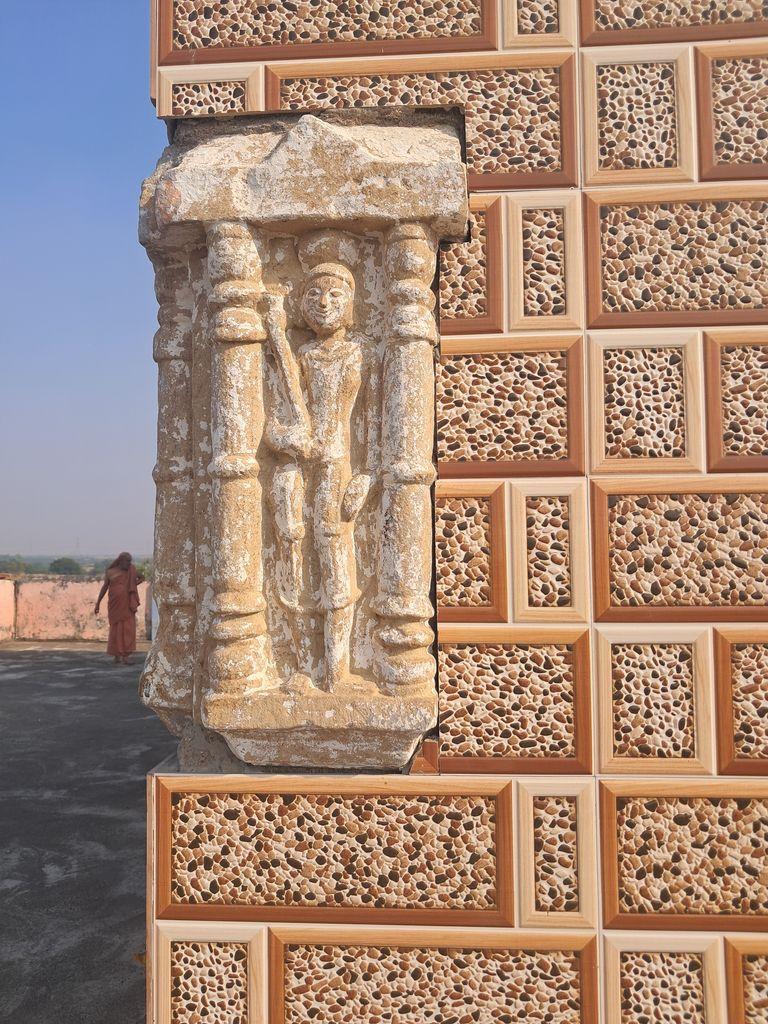
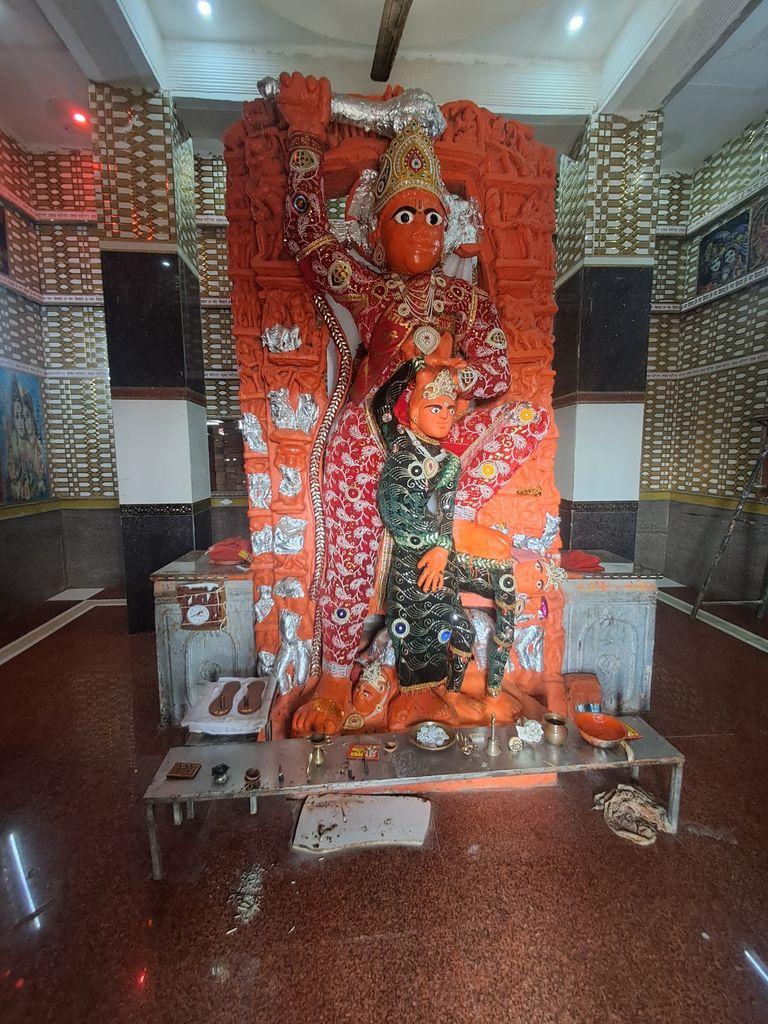
- The temples contain sculptural representations of the principal divine pairs: Śiva and Pārvatī, Viṣṇu and Lakṣmī, and Brahmā and Sarasvatī. The sculptures and architectural features merit detailed examination by specialists to establish their period and artistic style. According to the Yātra's enquiry, the maṭha and its associated structures were established by Śrī Śaṅkara Bhagavatpāda.
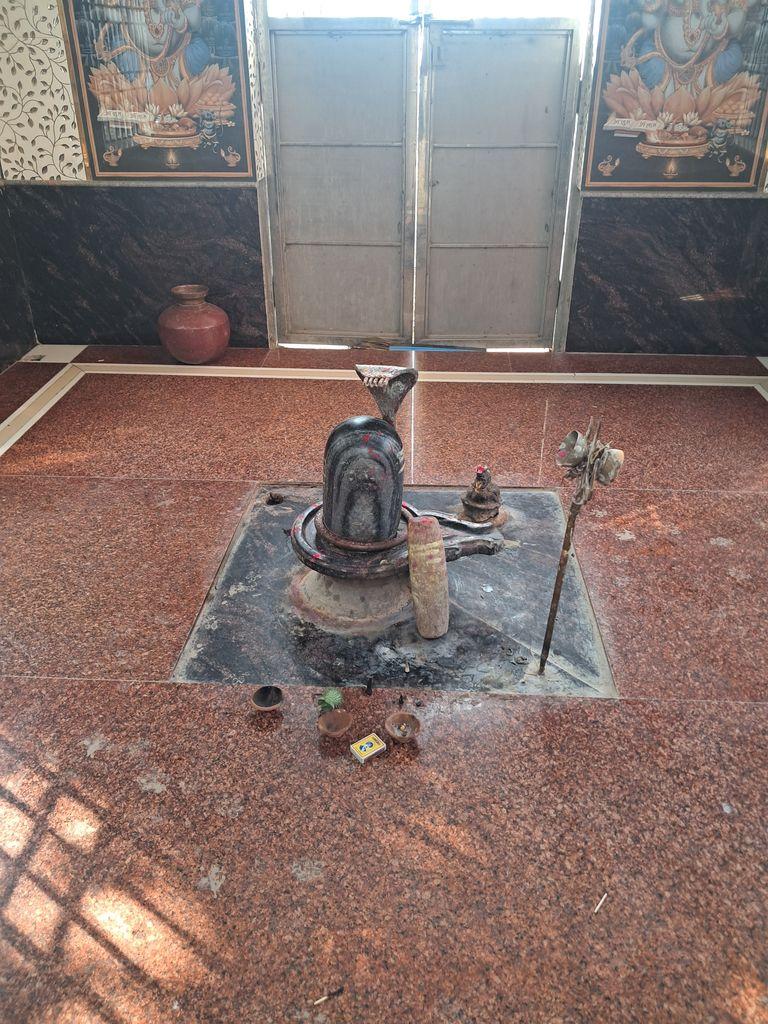
- The complex has suffered extensive damage. An image of Bhagavatpāda was reportedly broken, while the Īśvaraliṅga attributed to his consecration is said to have remained intact. The image of Bhagavatpāda no longer survives as a complete figure, although fragments were shown to the team.
- A local tradition holds that the complex was constructed in a single day. The tradition, the Ranod inscription, the architectural evidence and the surviving sculptures require examination together to establish the site's history and its possible association with Śaṅkara Bhagavatpāda. The reference to Śaṅkha Maṭhikā in the inscription makes this an especially important site for further historical and epigraphical research.
The above findings are based on local recitations and living traditions, as well as inscriptions and markers observed at the site, supported by available historical references, certain scientific observations, and guidance from the Shastras. As our understanding continues to evolve, we will update this account from time to time as additional insights and information emerge from local communities and further study.
Do you have more information about this location, or any questions or feedback?
✉ Write to UsPhotos