Uttar Pradesh
Śāṅkara Jyoti Prakāśa · शाङ्कर ज्योति प्रकाश
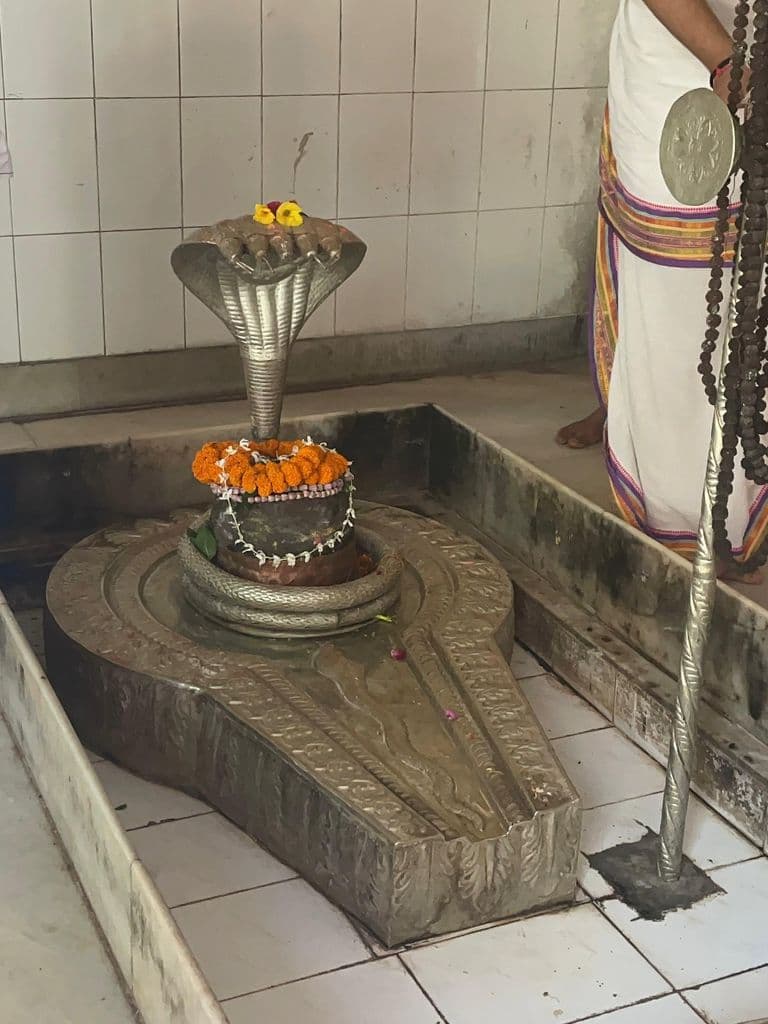
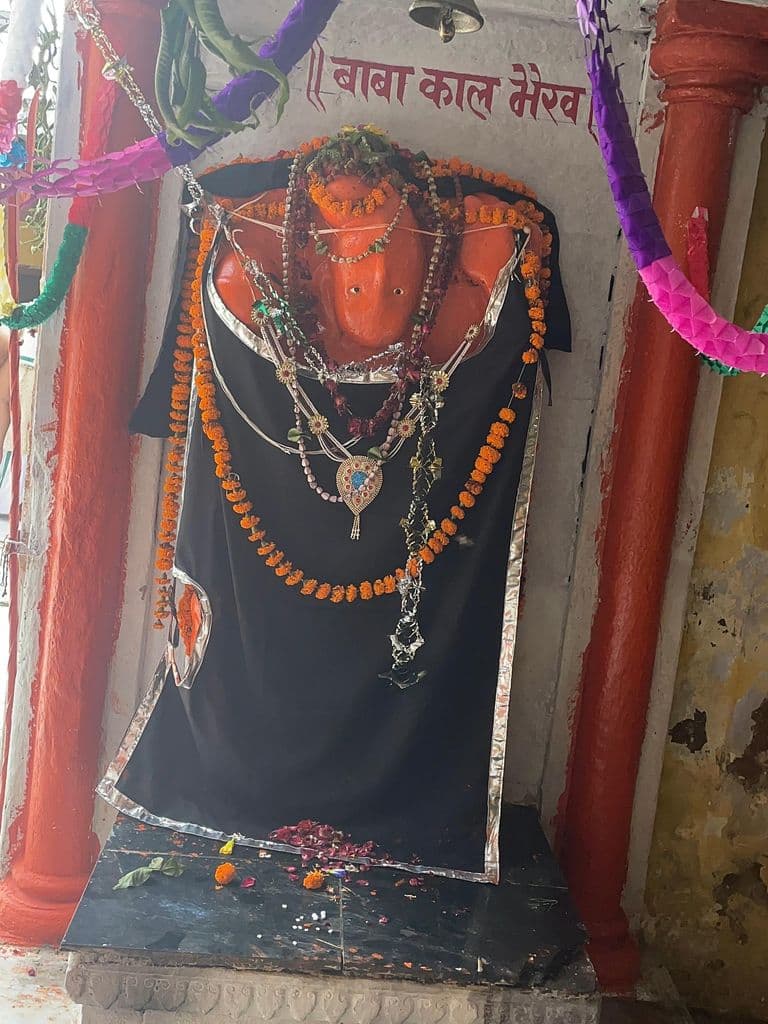
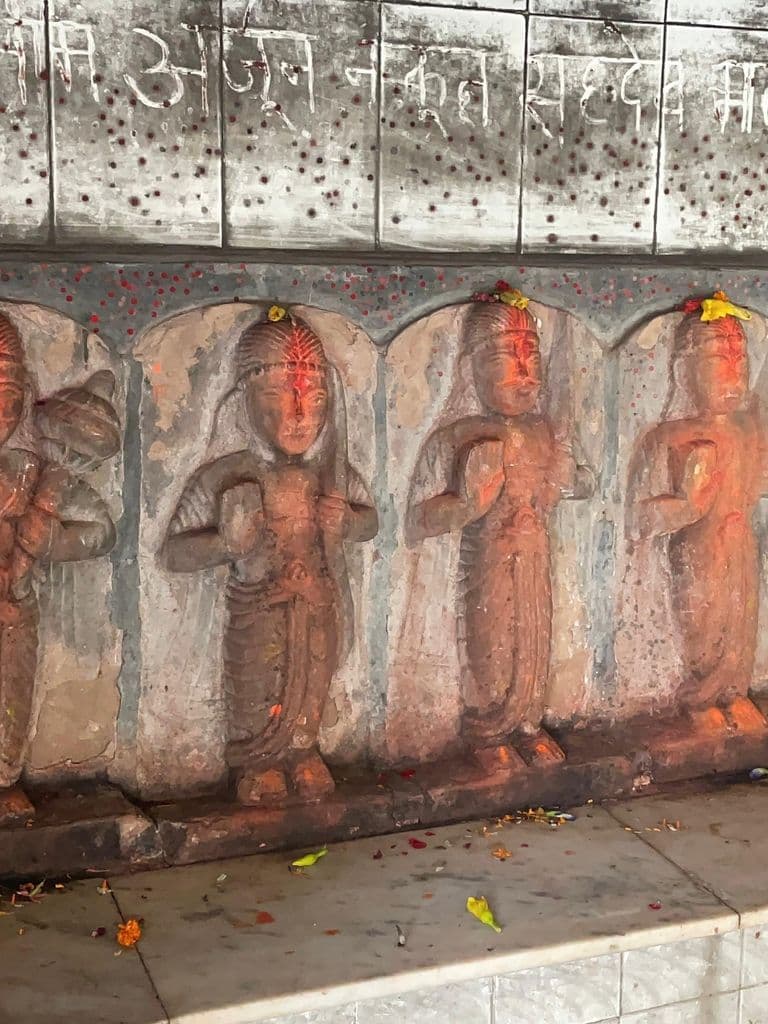
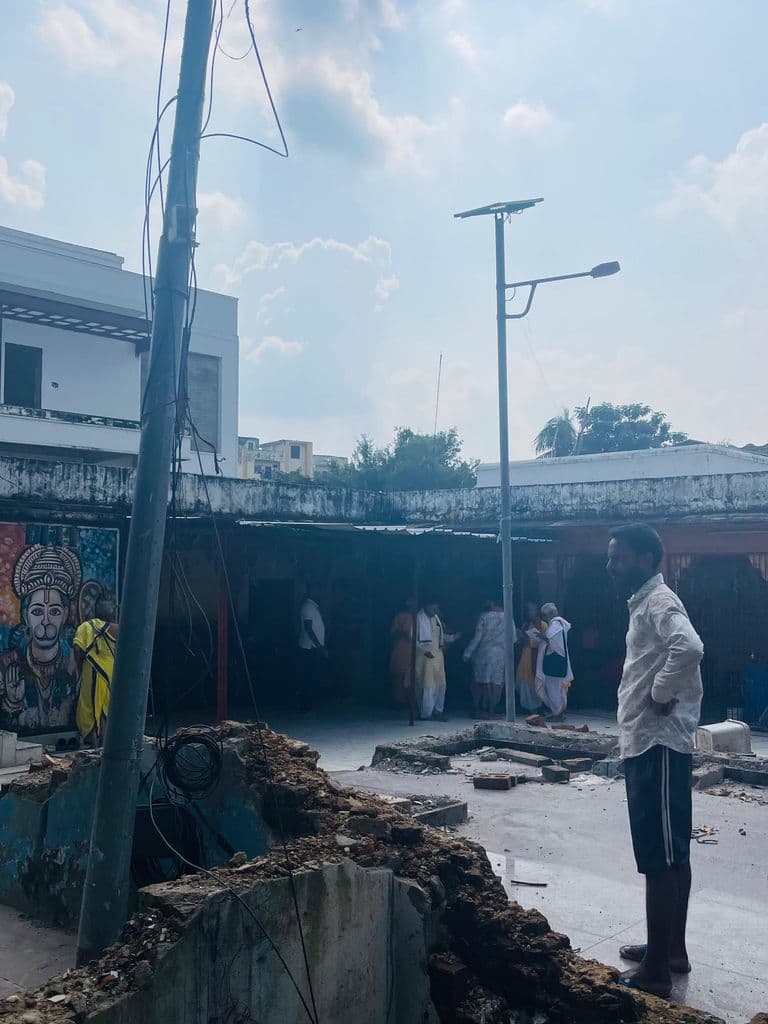
Pancho Pandav Mandir - Shivpur
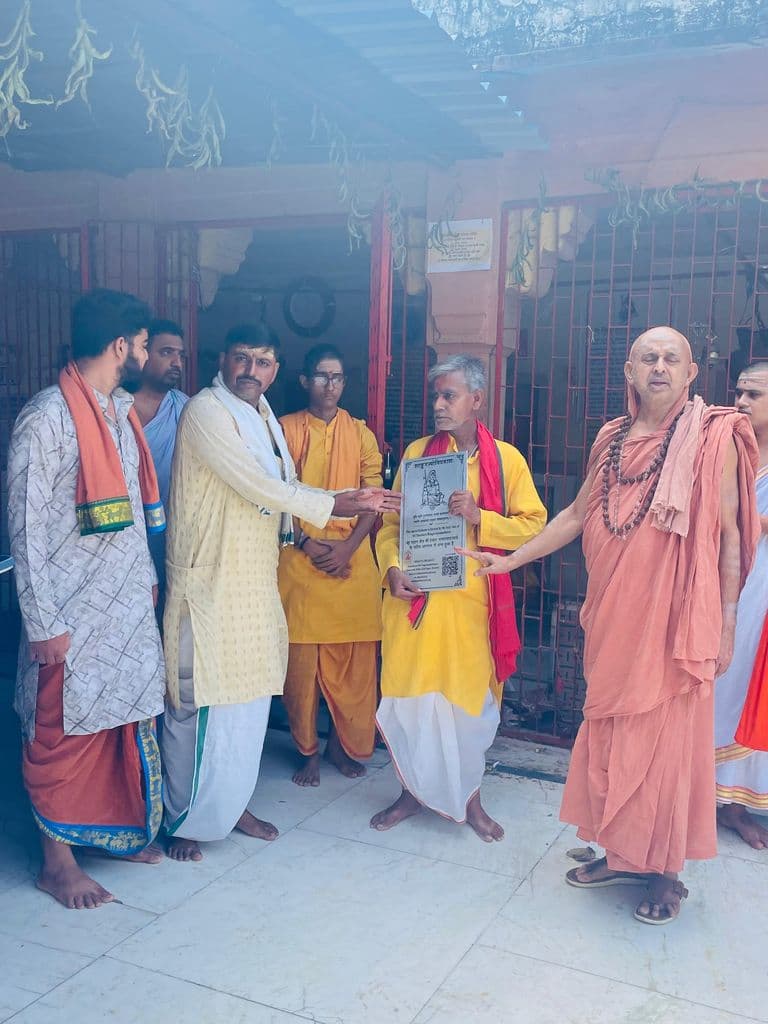
Visited 30 September 2026 during the 2026 Sampoorna Bharata Yatra.
Adi Shankaracharya's Visit
- The Pañcakrośī Parikramā is one of the most sacred pilgrimages in the Hindu tradition, encompassing a circuit of approximately 80–88 kilometres around the sacred city of Kashi. Rooted in the sanctity of Kashi as the Avimukta Kṣetra of Lord Śiva, the pilgrimage takes devotees through a consecrated landscape of temples, tīrthas and ancient settlements.
- Traditionally associated with the Kāśī Khaṇḍa of the Skanda Purāṇa, the parikramā is undertaken as an act of pradakṣiṇā—the reverential circumambulation of the entire kṣetra. Local tradition attributes the design of this sacred circuit to Ādi Śaṅkarācārya, linking the pilgrimage to his spiritual presence in Kashi.
- The journey traditionally begins at Manikarnika Ghat and proceeds through five principal stages, with the sacred geography of Kashi unfolding through every shrine and place of worship along the route.
- Manikarnika Ghat, the traditional starting point, is associated with a temple housing an idol of Ādi Śaṅkarācārya.
- At Bhimchandi Temple, revered as a Śakti shrine, local tradition holds that Ādi Śaṅkarācārya stayed and worshipped.
- Rameshwar Temple, situated near the sacred Adi Ganga, houses an Īśvara Liṅga traditionally believed to have been worshipped by Śrī Rāma; a Sākṣī Gaṇapati shrine is also found here, and Ādi Śaṅkarācārya is traditionally associated with worship at this kṣetra.
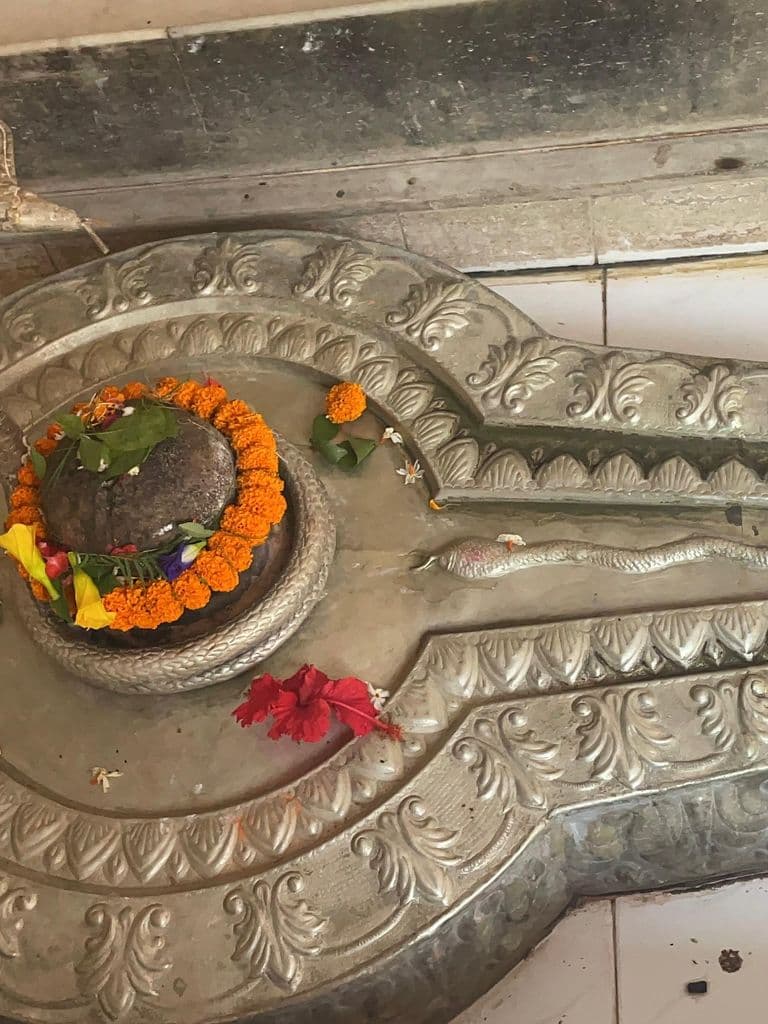
- At Pandaveshwara Temple, local belief holds that the Pāṇḍavas stayed and worshipped during their travels, while Ādi Śaṅkarācārya is also remembered as having stayed and offered worship here.
- Together, these sacred sites weave the traditions of the Rāmāyaṇa, Mahābhārata and Ādi Śaṅkarācārya into the living spiritual landscape of Kashi, making the Pañcakrośī Parikramā an enduring journey of devotion, remembrance and spiritual contemplation.
The above findings are based on local recitations and living traditions, as well as inscriptions and markers observed at the site, supported by available historical references, certain scientific observations, and guidance from the Shastras. As our understanding continues to evolve, we will update this account from time to time as additional insights and information emerge from local communities and further study.
Do you have more information about this location, or any questions or feedback?
✉ Write to UsPhotos