Himachal Pradesh
Śāṅkara Jyoti Prakāśa · शाङ्कर ज्योति प्रकाश
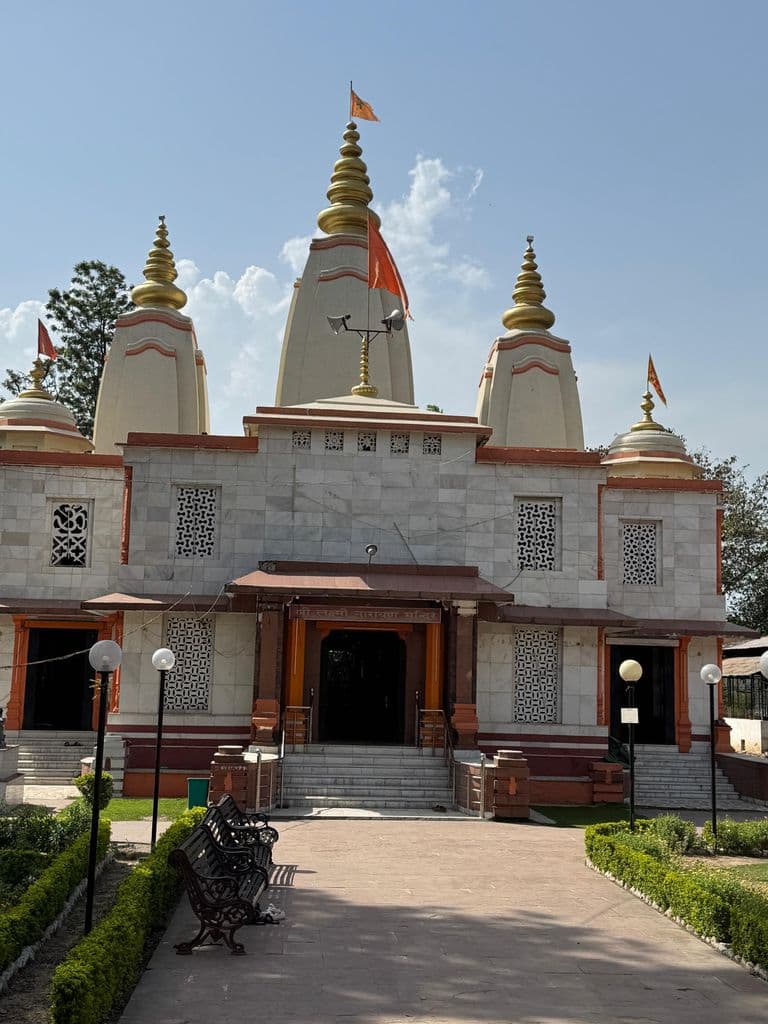
Lakshminarayan Mandir - Bilaspur
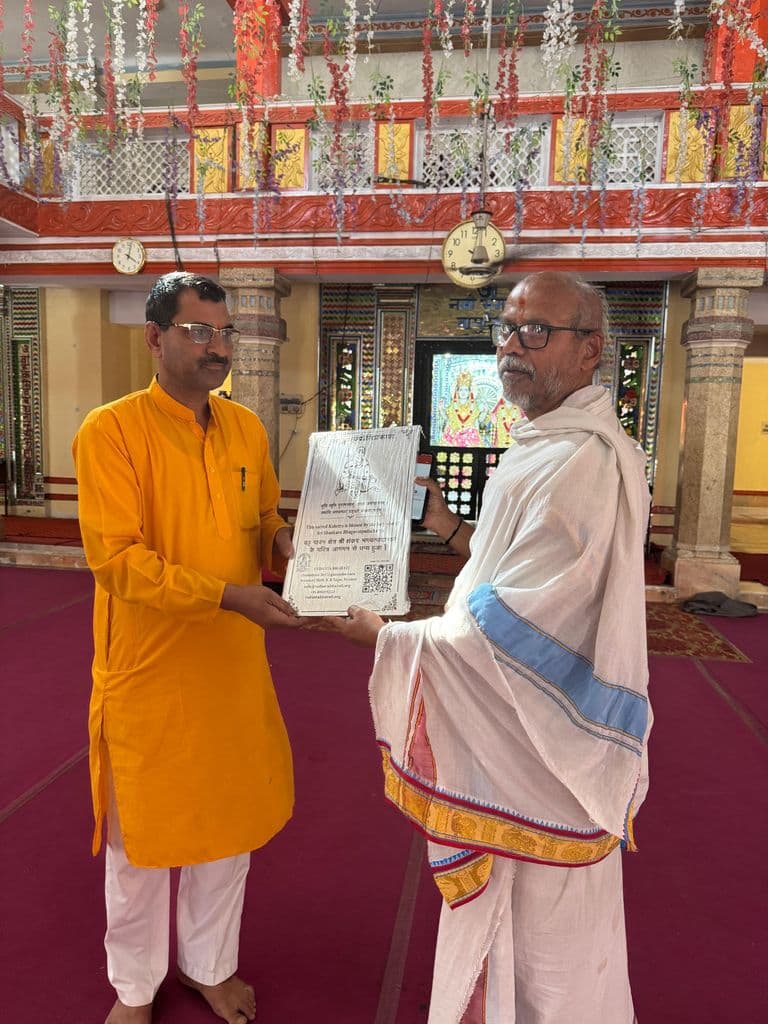
Visited 25 May 2026 during the 2026 Sampoorna Bharata Yatra.
Adi Shankaracharya's Visit
- Bilaspur, nestled on the banks of the Gobind Sagar Lake in the Shivalik foothills of Himachal Pradesh, carries a sacred history far older than the modern town that rises above the reservoir. The original Lakshmi Narayan Temple stood in old Bilaspur — a town of deep antiquity — before the construction of the Bhakra Nangal Dam submerged it beneath the waters of Gobind Sagar Lake.
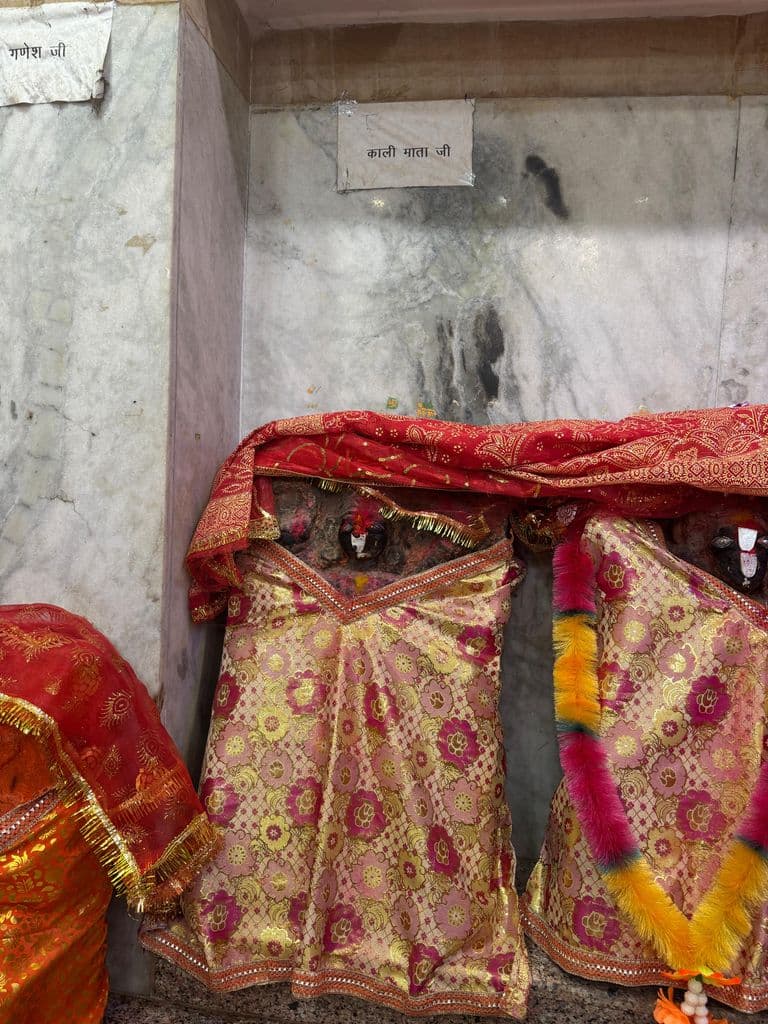
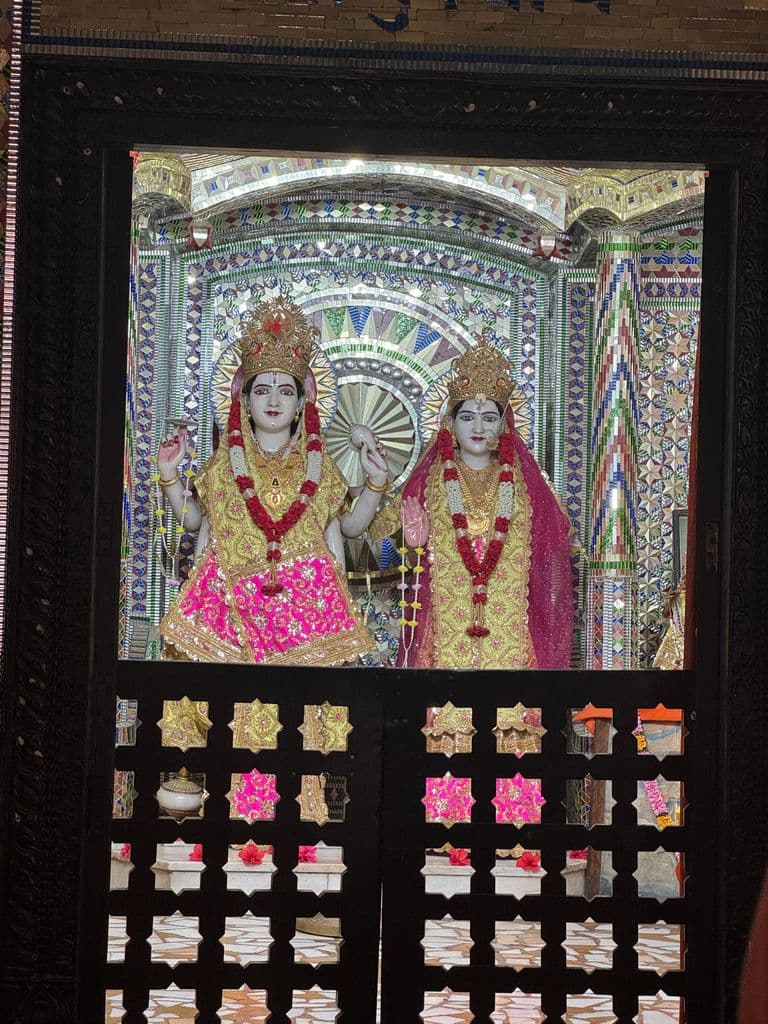
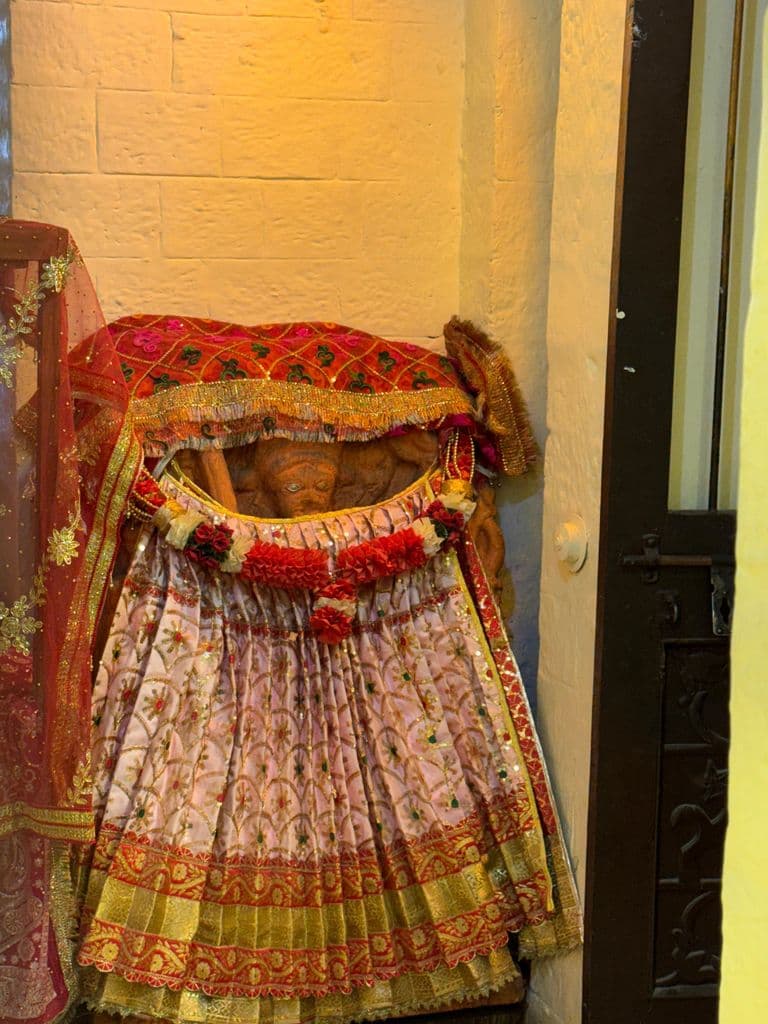
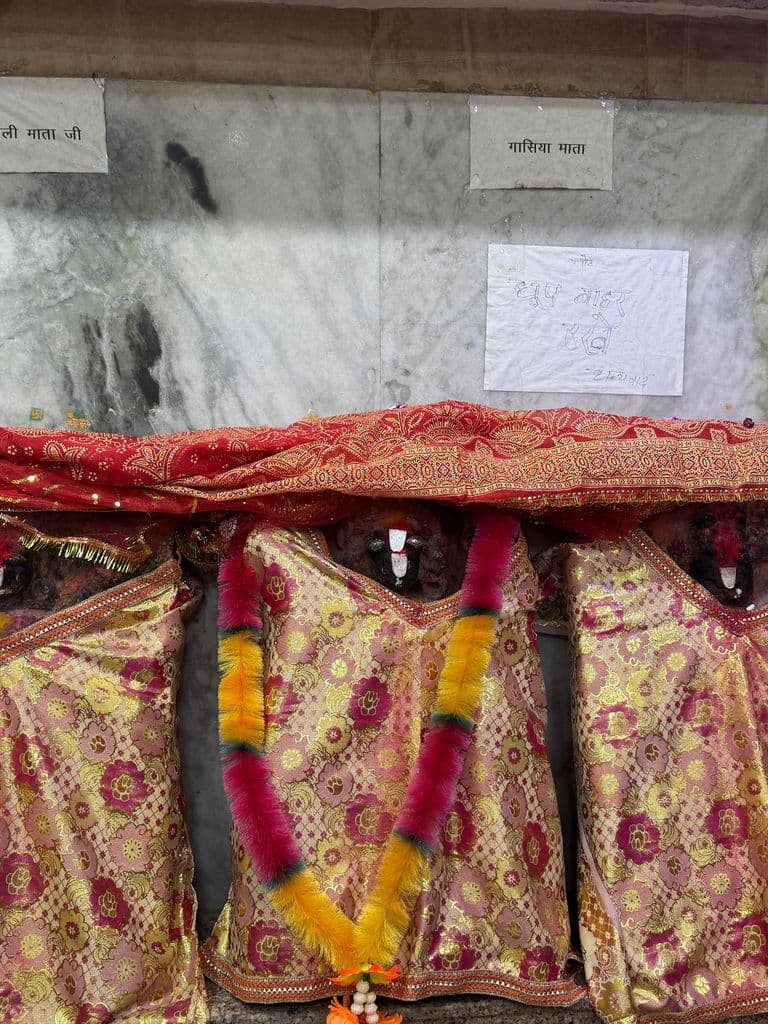
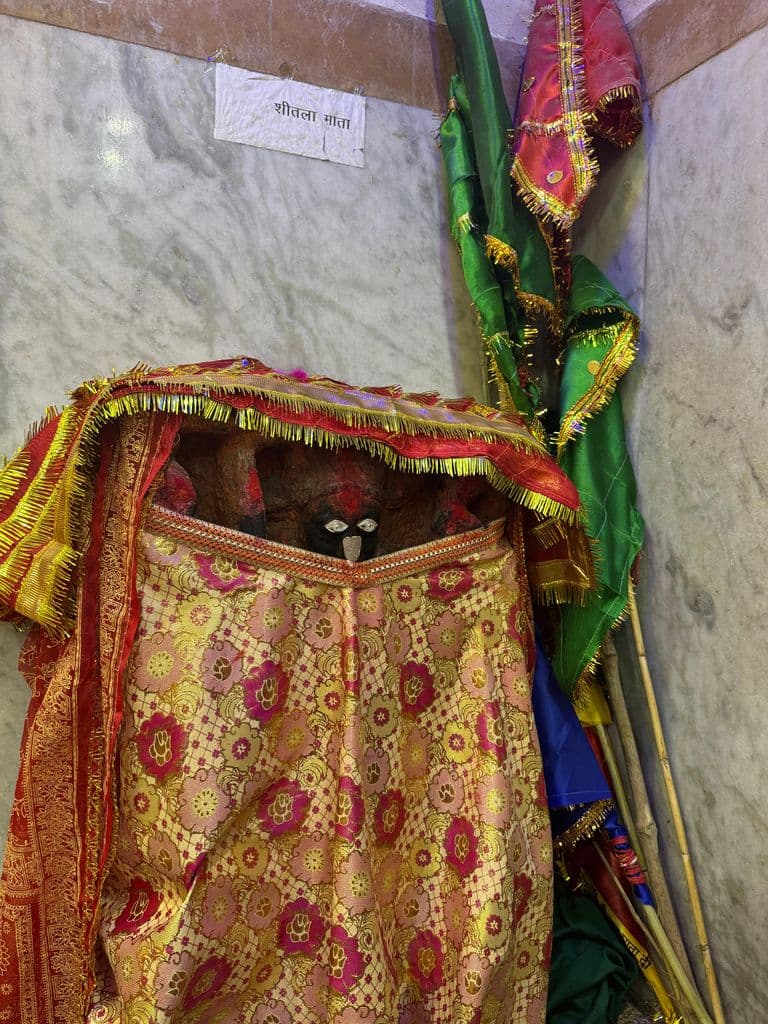
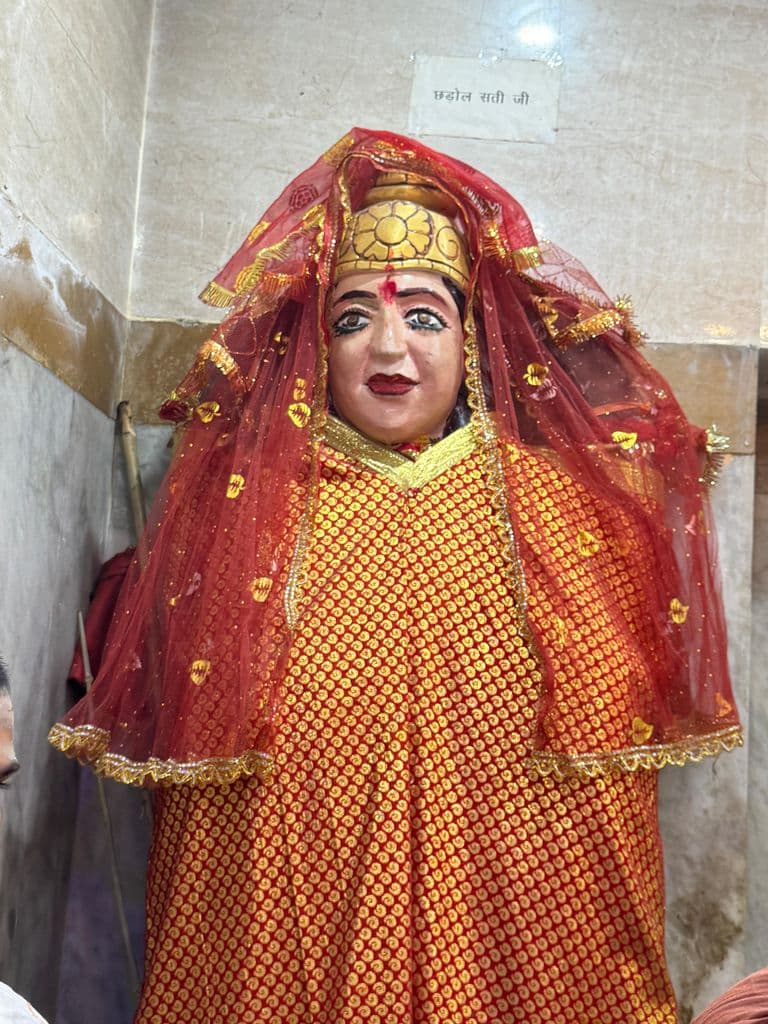
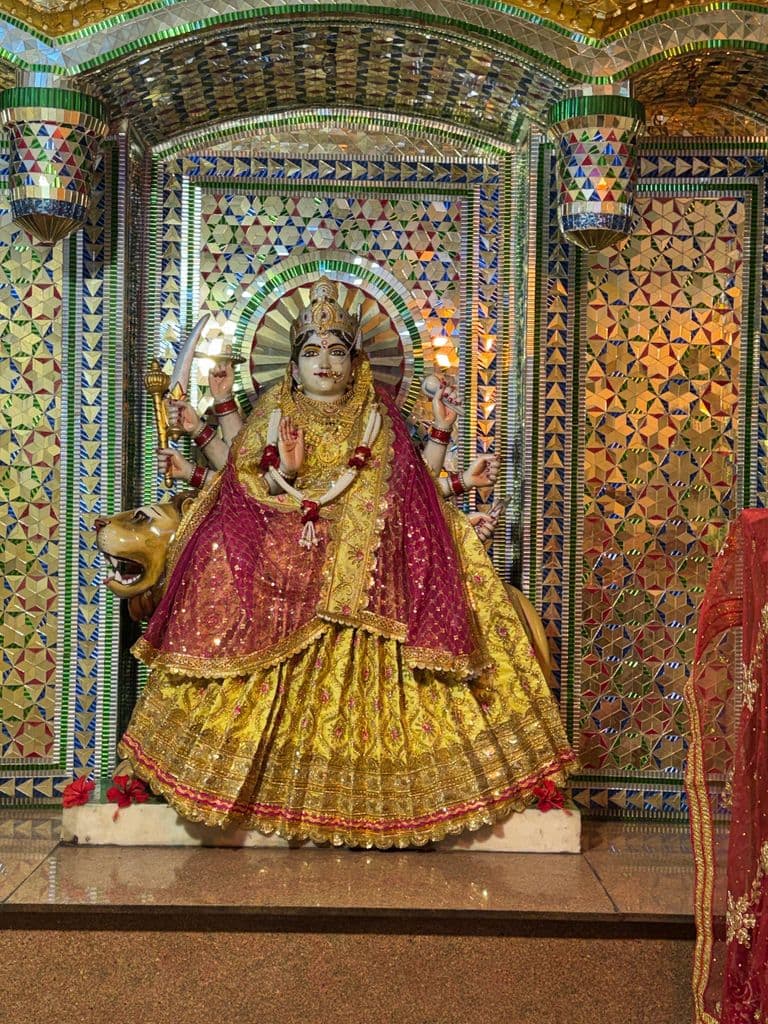
- The reconstructed temple continues the sacred continuity of the original kshetra — housing within its precincts the presiding deities of Lakshmi-Narayan alongside Ranganatha, Shiva, Durga, and other vigrahas rescued from the old town, each carrying the memory of a sacred geography that now lies beneath still waters.
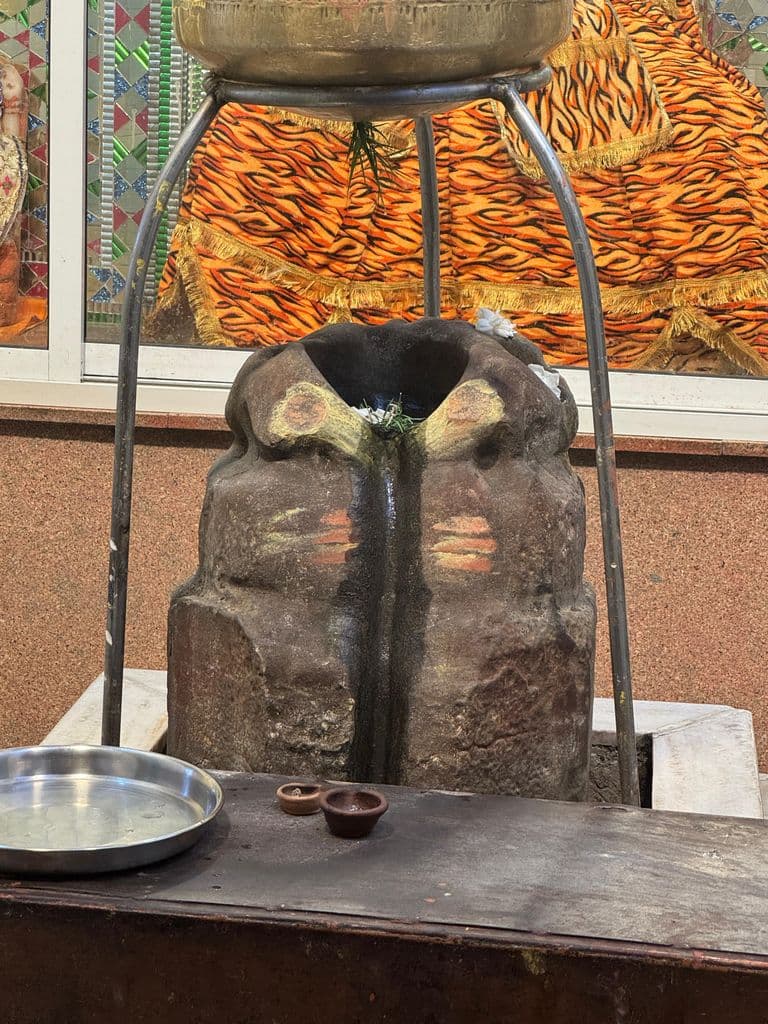
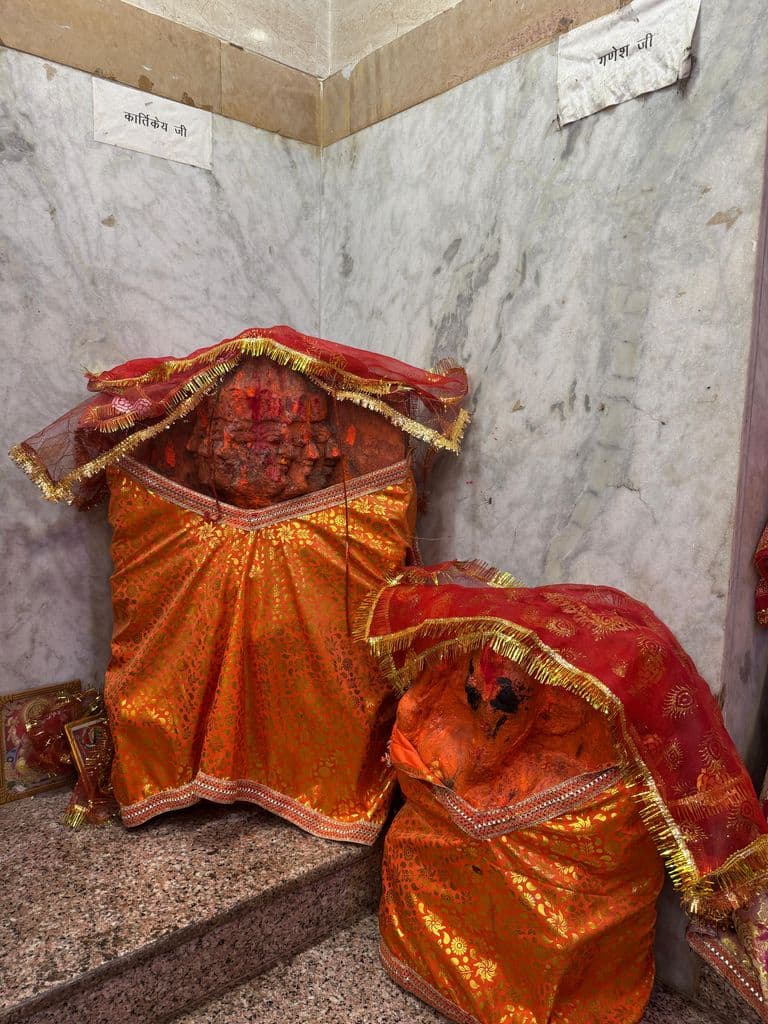
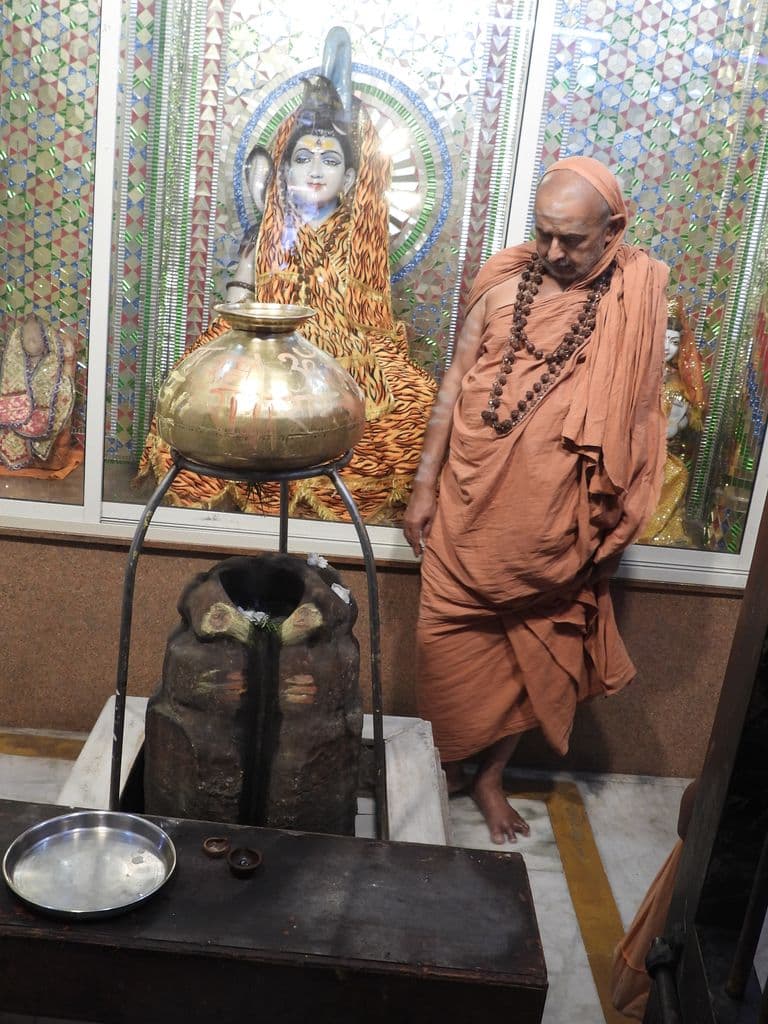
- What sets this kshetra apart in the Himachal corridor is its extraordinary Panchayatana installation — a singular and rare configuration where the Ishwara Linga enshrined here contains within it the Panchayatana itself: Shanmukhi-Ishwara, Ganapathi, Subramanya, Devi and the presiding Linga together in one integrated sacred form. This is not the standard Panchayatana arrangement found across Shankaracharya-consecrated sites — it is an antargata Panchayatana, held within the Linga rather than arranged around it — making this one of the rarest and most theologically distinctive installations in the entire Yatra corridor.
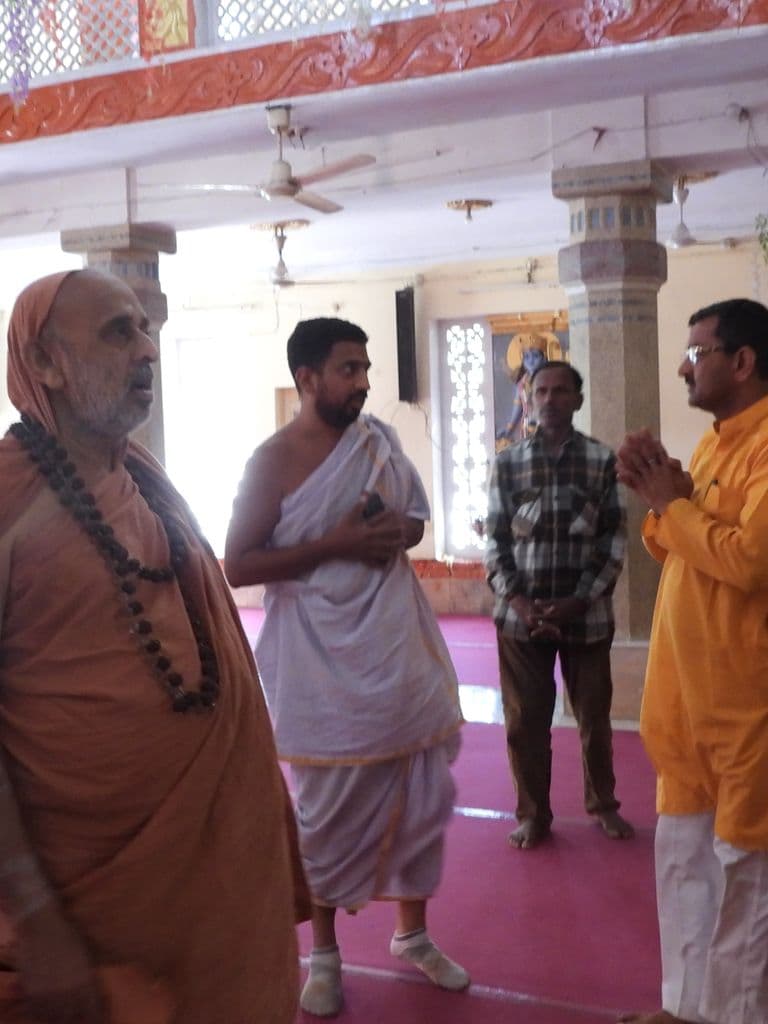
- Every vigrahа in this temple — across the Rama Temple, the Ishwara shrine, and the subsidiary sanctuaries — bears the mark of consecration and Anugraha by Adi Shankaracharya during his stay at this kshetra, a fact preserved intact in the living memory of the temple's priesthood and confirmed through Gurugalu's field visit.
- The sacred geography of this kshetra extends beyond the temple walls to a Vyasa Guha — a natural cave accessible by crossing the river, situated next to the railway track in the landscape below. Tradition holds that Maharshi Vyasa himself performed tapas in this cave — and that Adi Shankaracharya, recognising the cave's extraordinary tapasic field, subsequently performed Anushtana here during his stay at Bilaspur.
The above findings are based on local recitations and living traditions, as well as inscriptions and markers observed at the site, supported by available historical references, certain scientific observations, and guidance from the Shastras. As our understanding continues to evolve, we will update this account from time to time as additional insights and information emerge from local communities and further study.
Do you have more information about this location, or any questions or feedback?
✉ Write to UsPhotos