Rajasthan
Śāṅkara Jyoti Prakāśa · शाङ्कर ज्योति प्रकाश
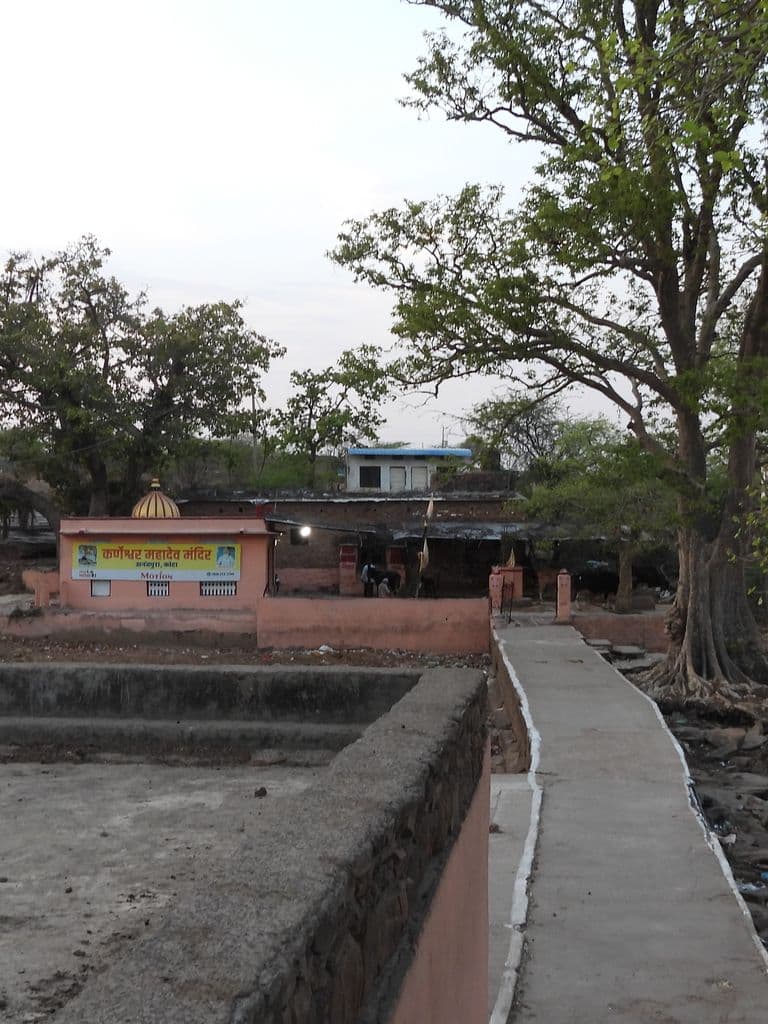
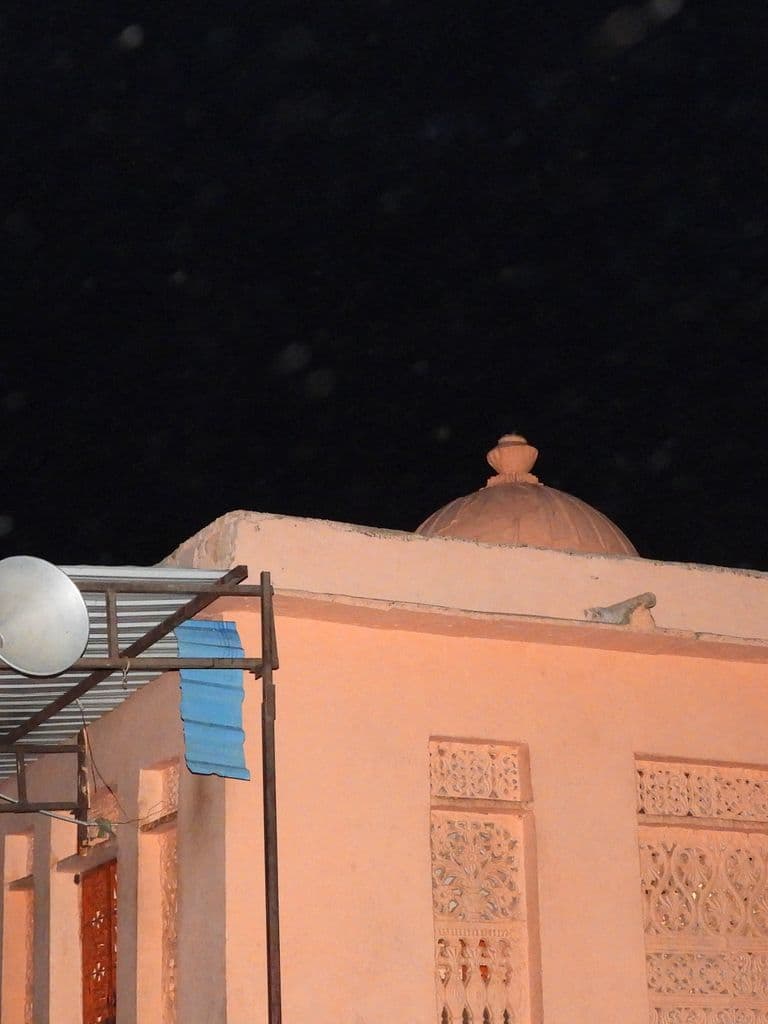
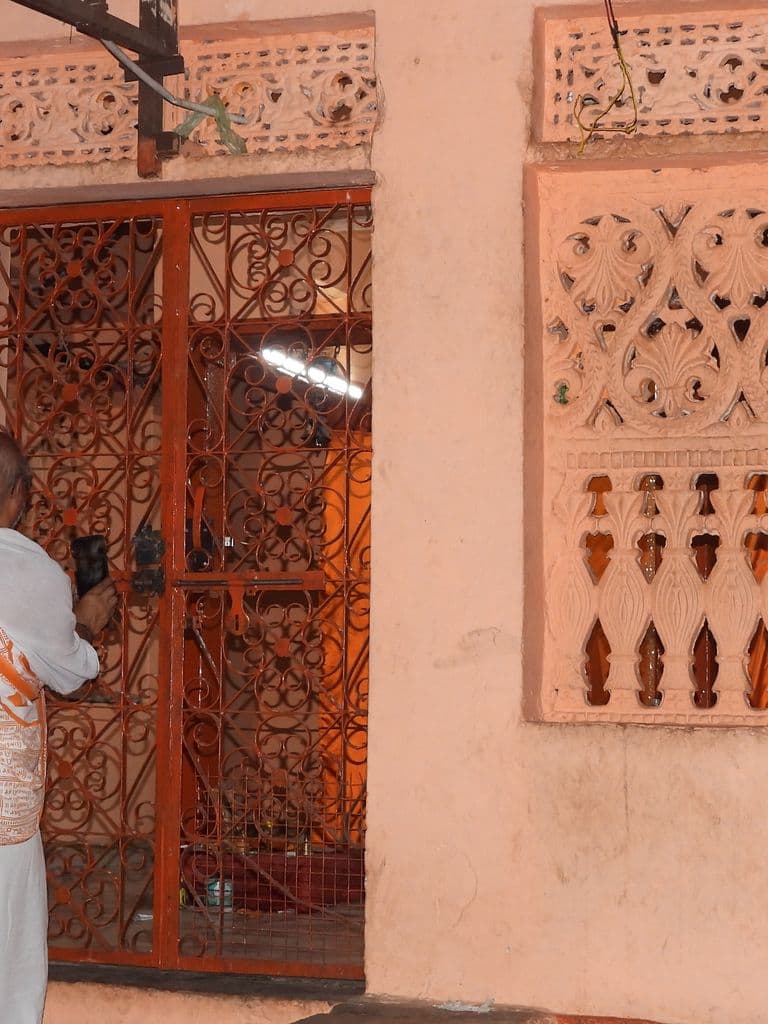
Karneshwar Mahadev Mandir - Kota
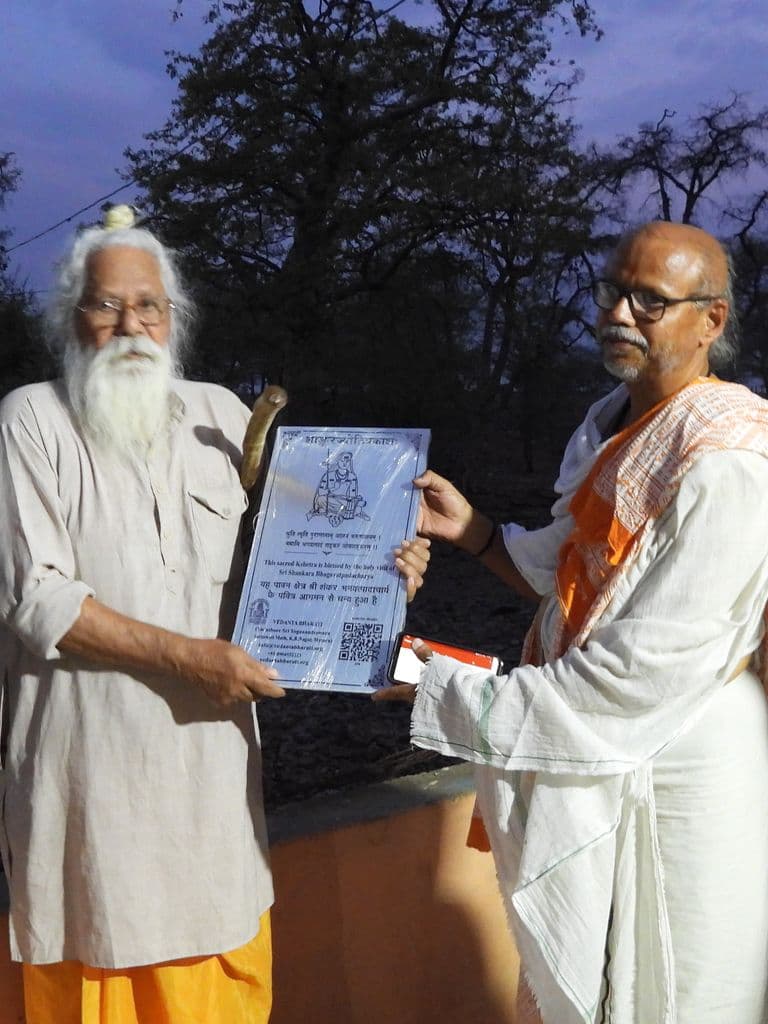
Visited 13 May 2026 during the 2026 Sampoorna Bharata Yatra.
Adi Shankaracharya's Visit
- Karneshwara Temple, located near Kota in Rajasthan, is an ancient Shiva kṣetra set amidst rocky terrain, natural water bodies, and old pilgrimage pathways connected to the Chambal region. The temple is known for its traditional stone architecture, peaceful surroundings, and longstanding worship of Lord Shiva. During the monsoon season, the landscape around the temple transforms with flowing streams and greenery, making the kṣetra both a spiritual and natural landmark for devotees and visitors alike.
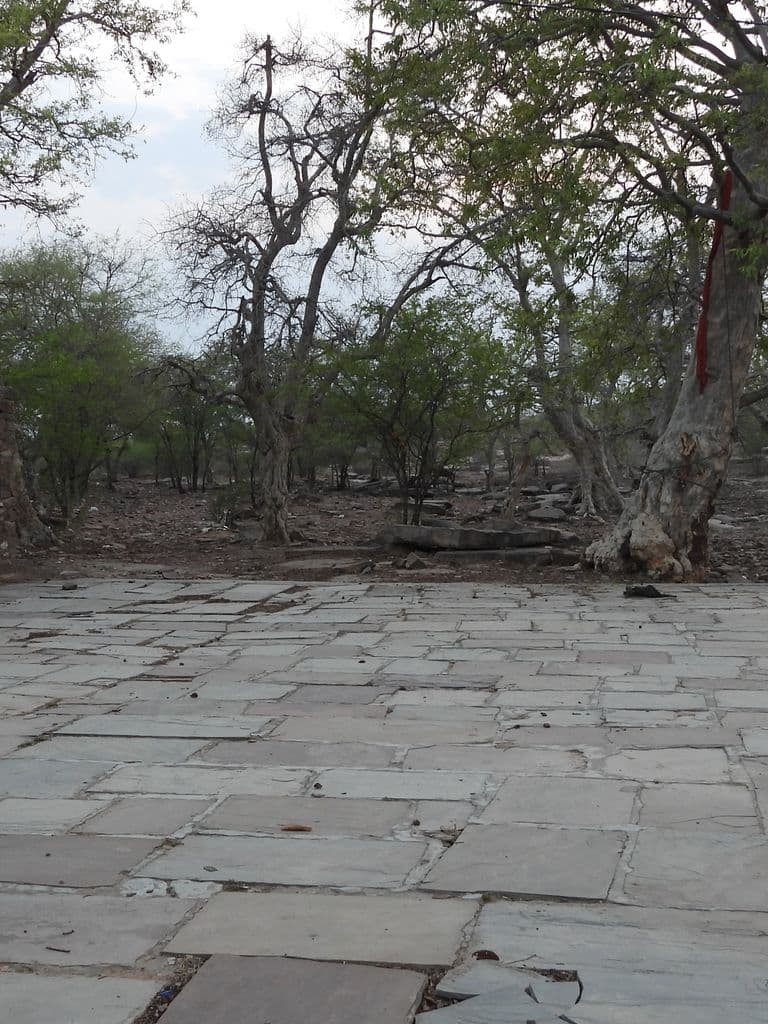
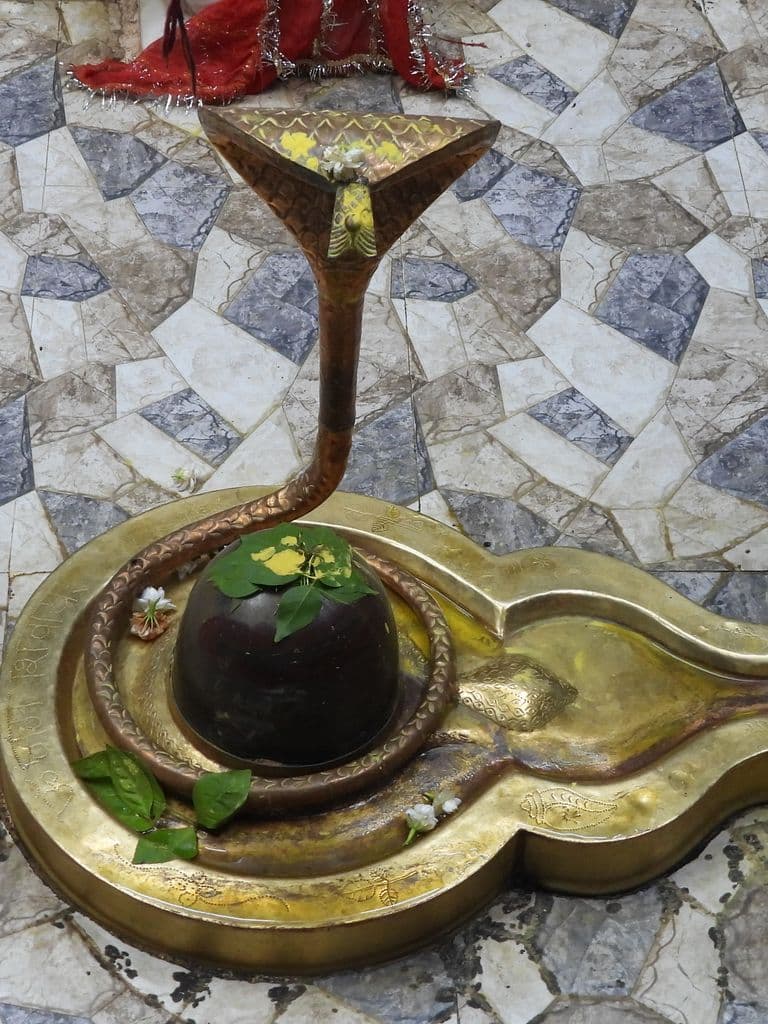
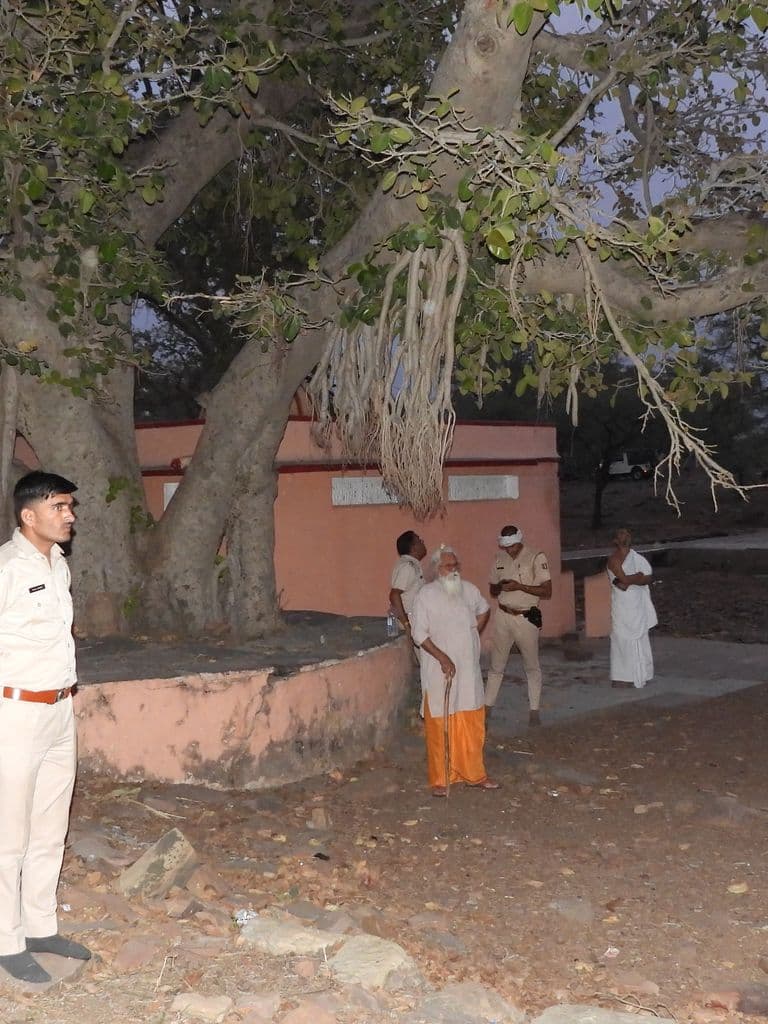
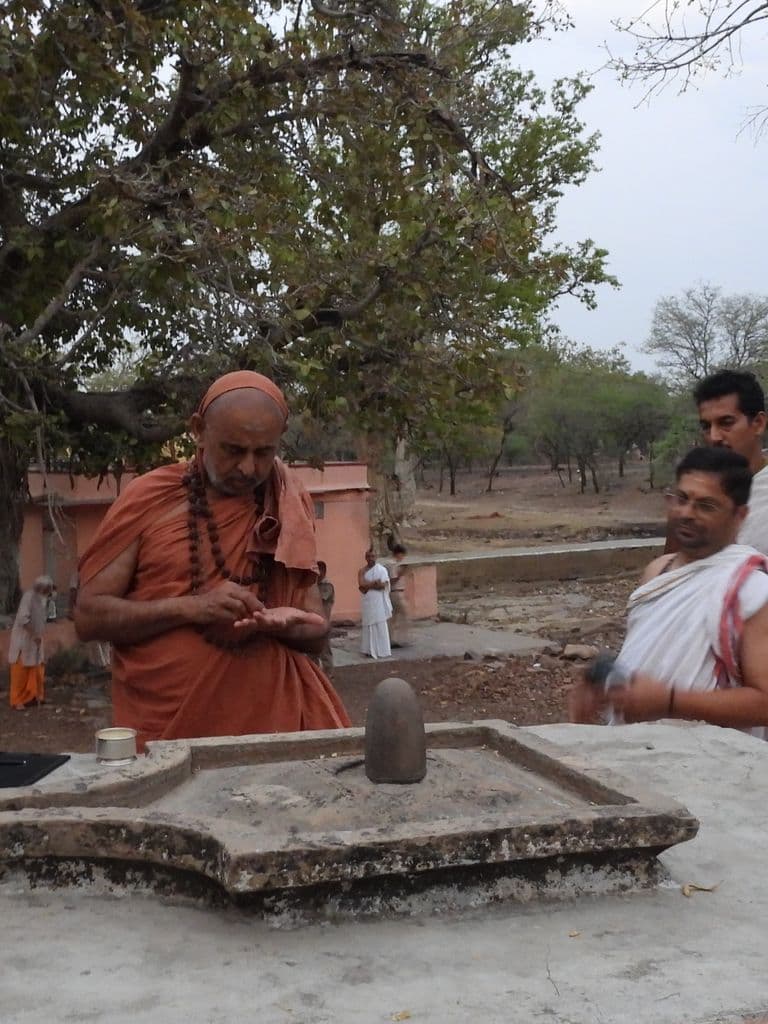
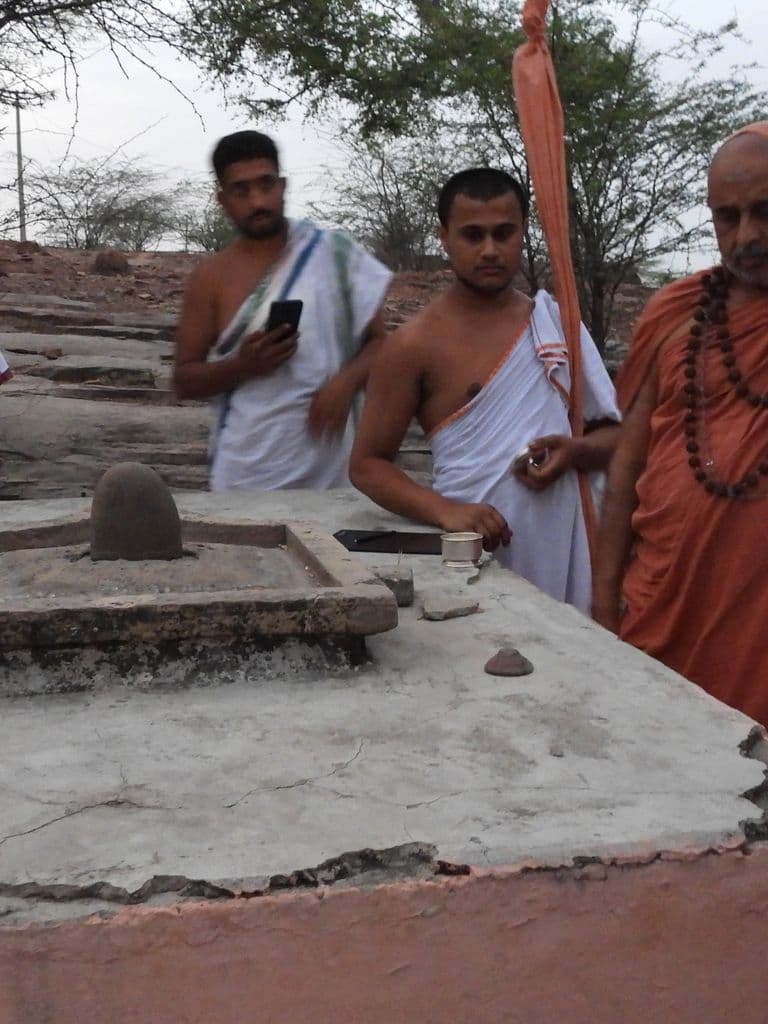
- Local traditions hold that the principal Īśwara Liṅga of Karneshwara was worshipped by the Pandavas during their exile. Behind the main shrine, near an ancient Vaṭa Vṛkṣa, stands another sacred Liṅga traditionally believed to have been consecrated by Bhagavatpāda Adi Shankaracharya. Several old markers and ritual spaces visible around the temple continue to reflect the antiquity of Shaiva worship at the site.
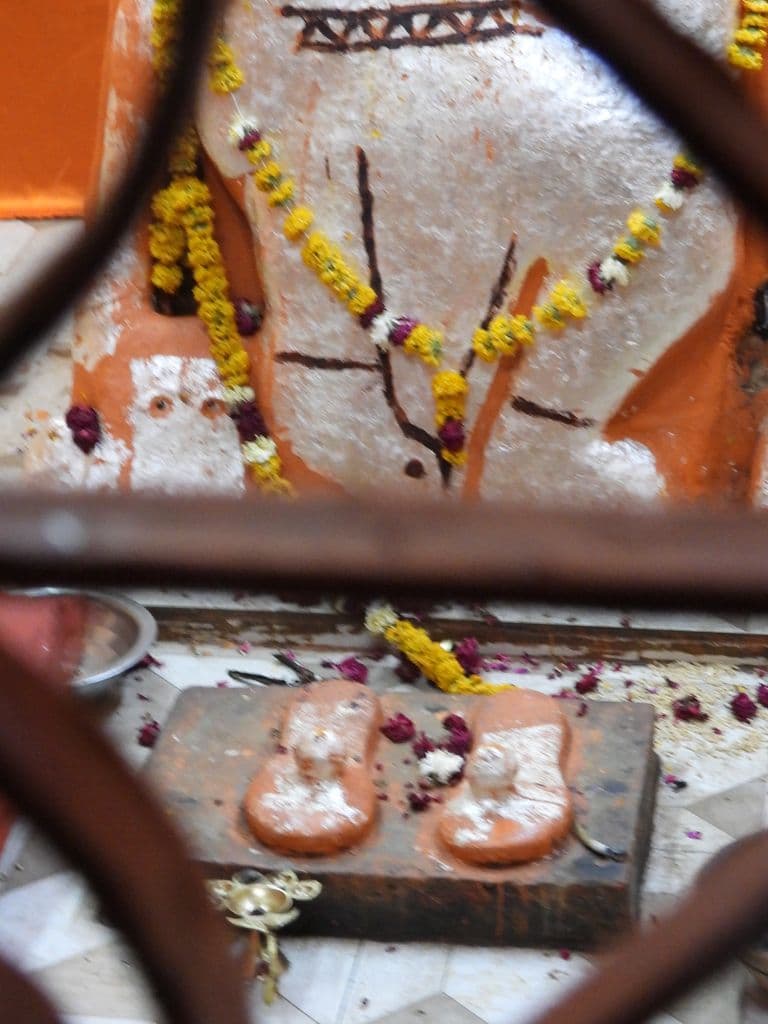
- The temple also preserves memories of an important Vākyārtha Goṣṭhi said to have taken place in Kota, where Kāpālikas participated in philosophical debate with Adi Shankaracharya. Following the discussions, traditions state that they requested a pair of pādukās from Acharya himself, which are identified with sacred pādukās associated with the kṣetra even today. Some local accounts further associate these traditions with an earlier Dakṣiṇāmūrti Vigraha once worshipped at the site.
- Oral narratives further recall that Adi Shankaracharya stayed here for three days and taught the Dakṣiṇāmūrti Aṣṭakam to the Adivasi communities of the region. At a time when local groups and ruling factions remained socially divided, the teachings of Sri Dakṣiṇāmūrti were used to bring communities together through shared worship, knowledge, and spiritual discipline.
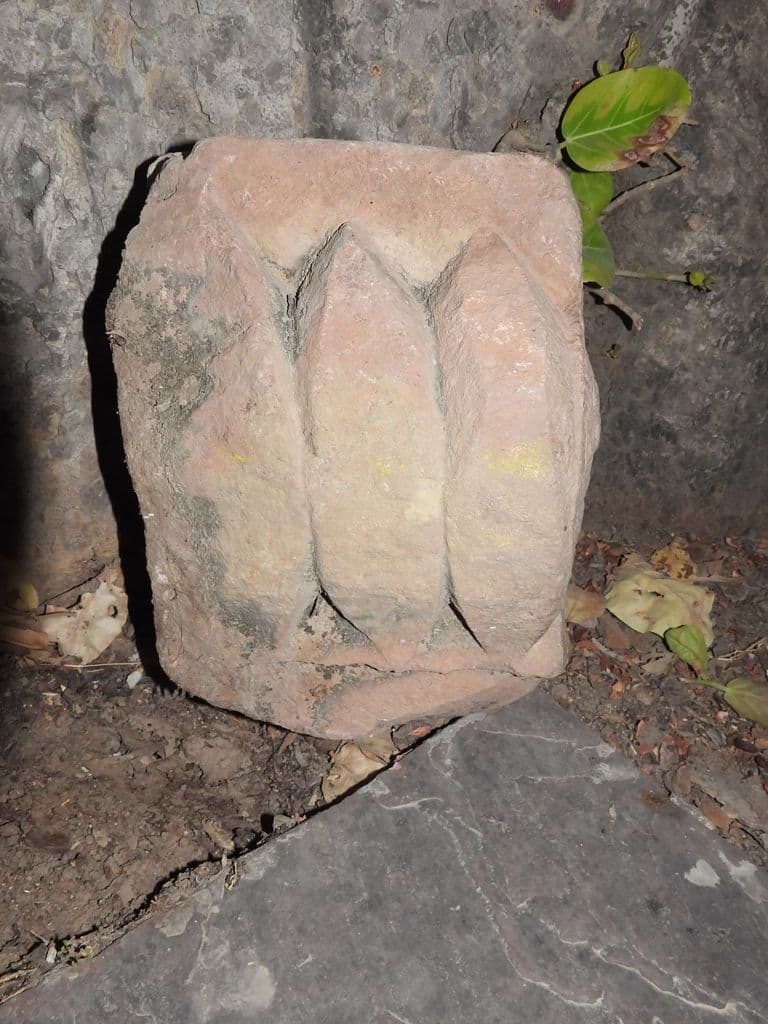
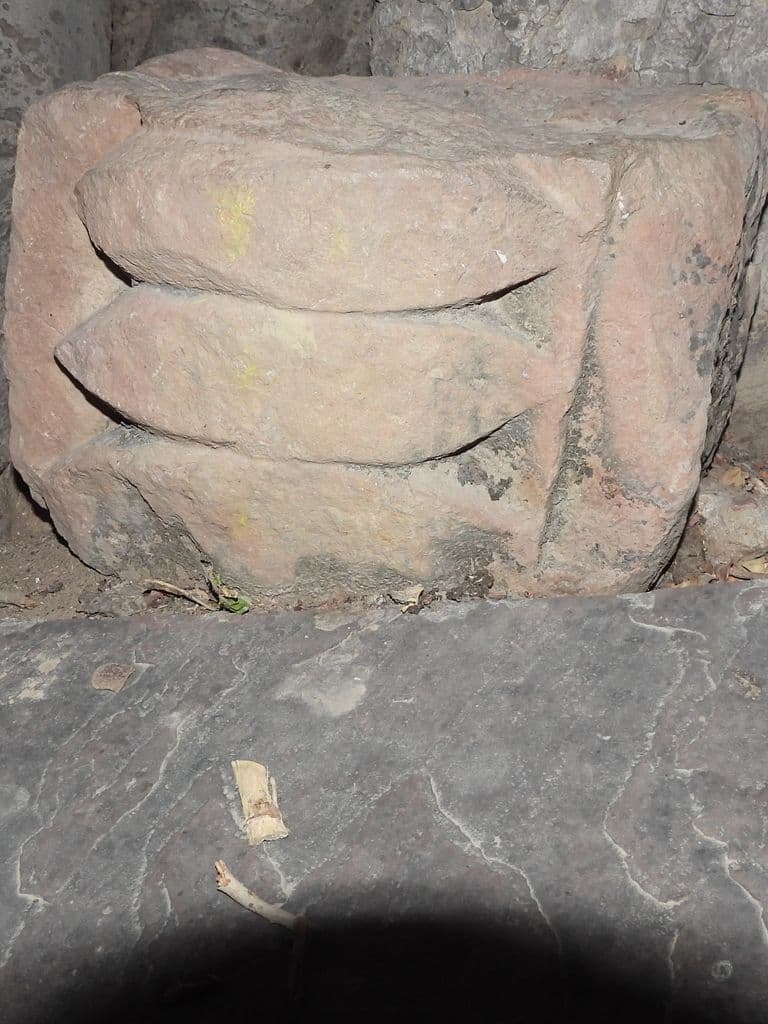
- The kṣetra also includes a shrine dedicated to Sri Anjaneya, appearing to be of more recent construction, before which another sacred pair of pādukās is worshipped as an anugraha bestowed upon the forest-dwelling communities by Adi Shankaracharya. A small broken Liṅga found within the temple परिसर continues to invite further historical and archaeological study.
The above findings are based on local recitations and living traditions, as well as inscriptions and markers observed at the site, supported by available historical references, certain scientific observations, and guidance from the Shastras. As our understanding continues to evolve, we will update this account from time to time as additional insights and information emerge from local communities and further study.
Do you have more information about this location, or any questions or feedback?
✉ Write to UsPhotos