Punjab
Śāṅkara Jyoti Prakāśa · शाङ्कर ज्योति प्रकाश
Kamakshi Mandir - Hoshiarpur
Visited 24 May 2026 during the 2026 Sampoorna Bharata Yatra.
Adi Shankaracharya's Visit
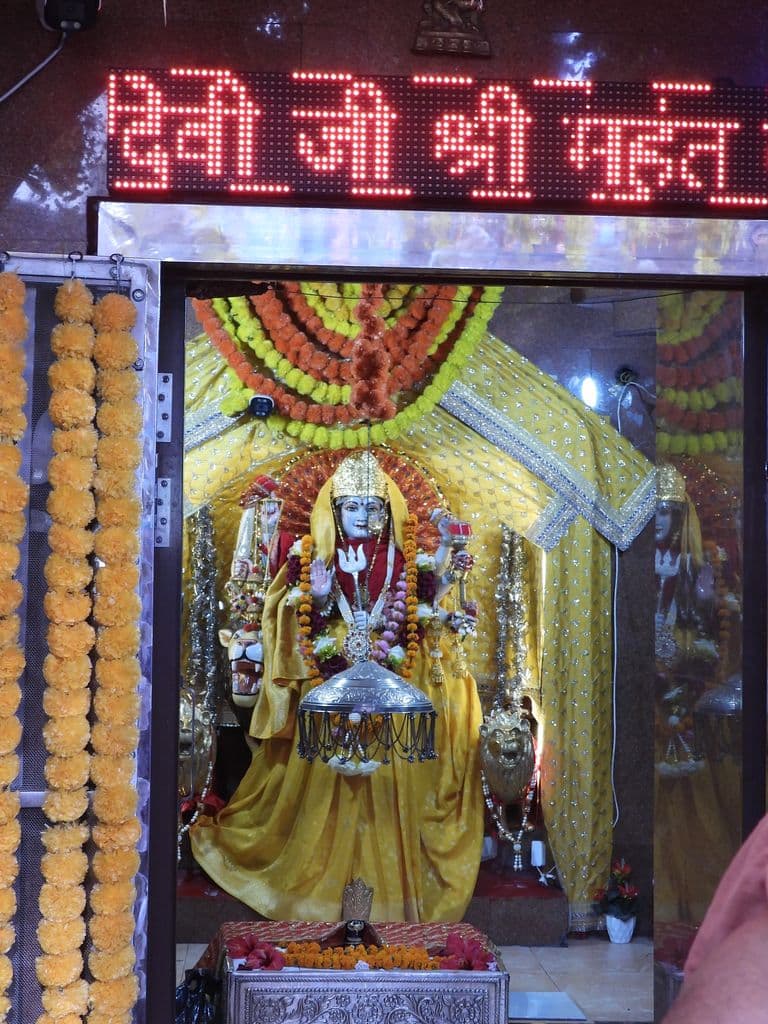
- The Kamakshi Devi Temple — considered one of the Shakti Peethas — sits nestled in the Shivalik hills of the Dasuya Forest region in Punjab. The Kandi area surrounding it has been a destination for meditation and sadhana since ancient times, with the forest terrain of the Shivaliks lending the site a timeless, withdrawn quality that sets it apart from the more accessible pilgrimage shrines of the plains.
- Local tradition holds that the sacred presence at this site predates even the Pandava connection — placing its origins some 600 years before the Mahabharata era, making it one of the most ancient Devi seats in the entire Punjab-Himalayan corridor.
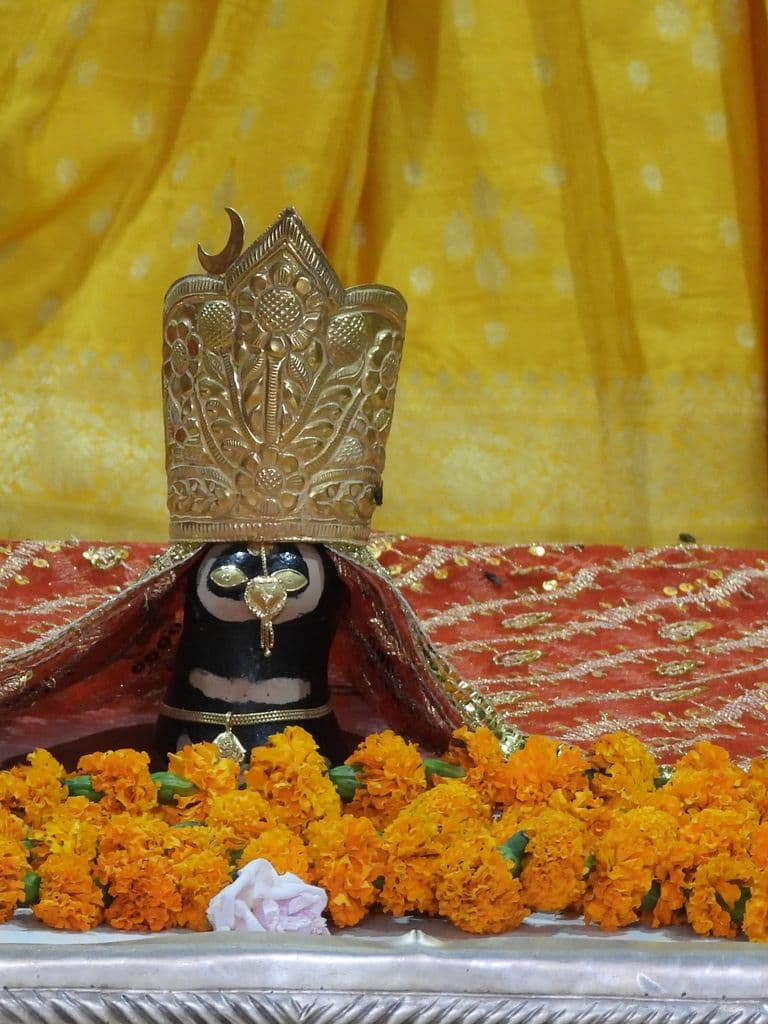
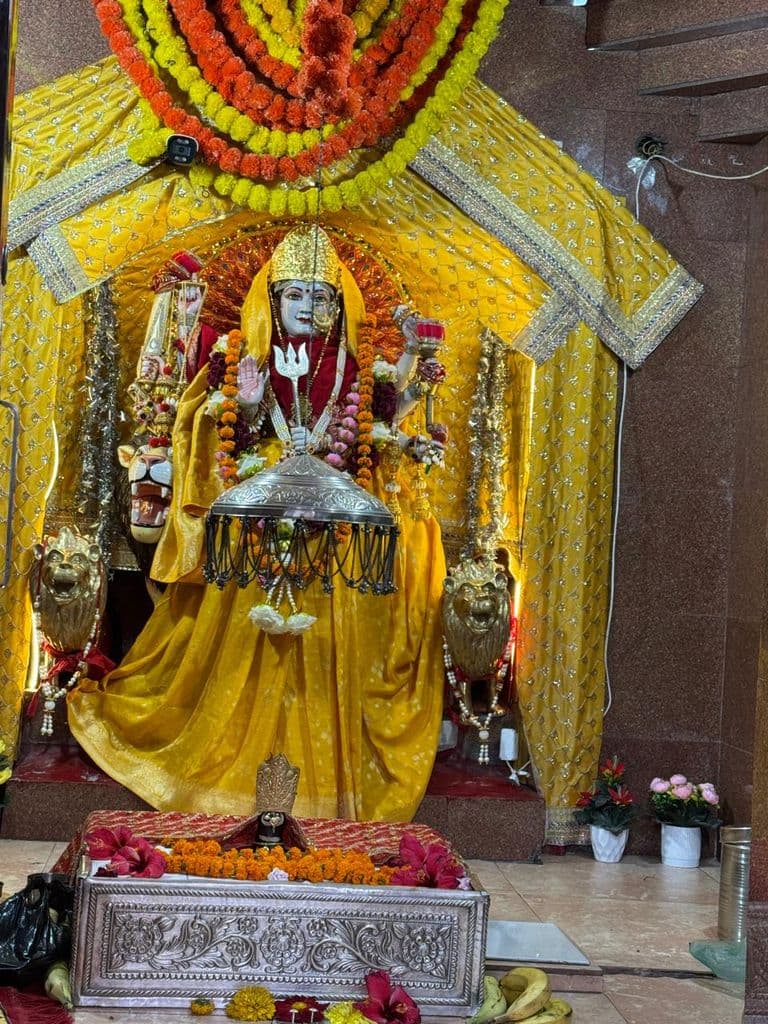
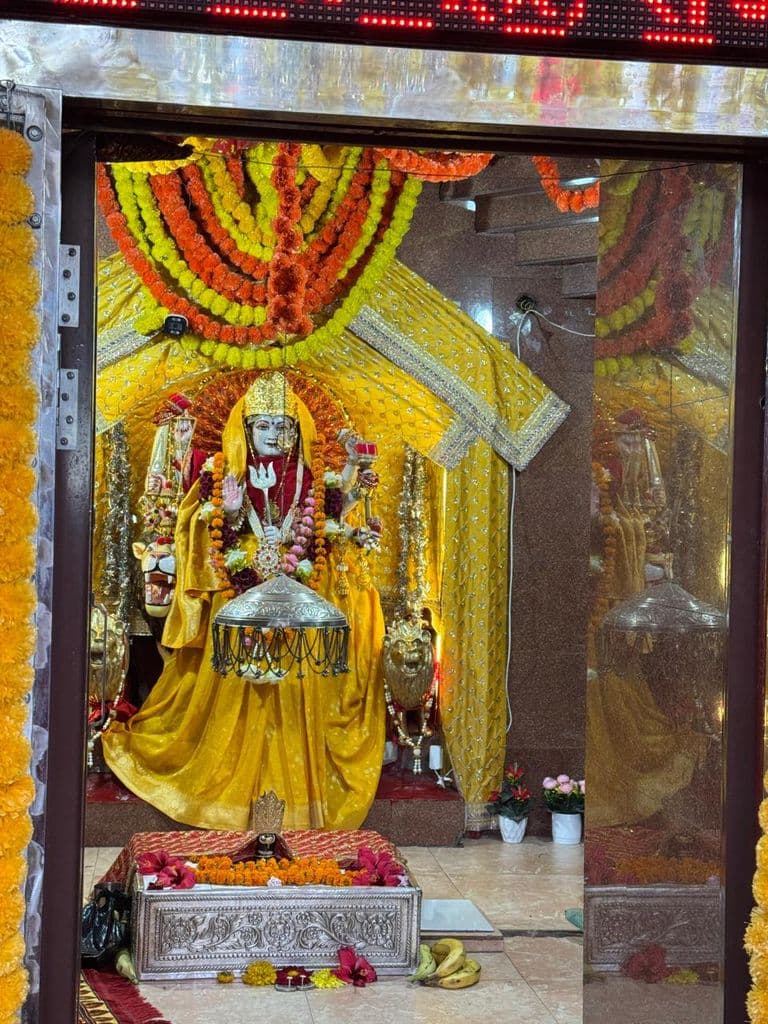
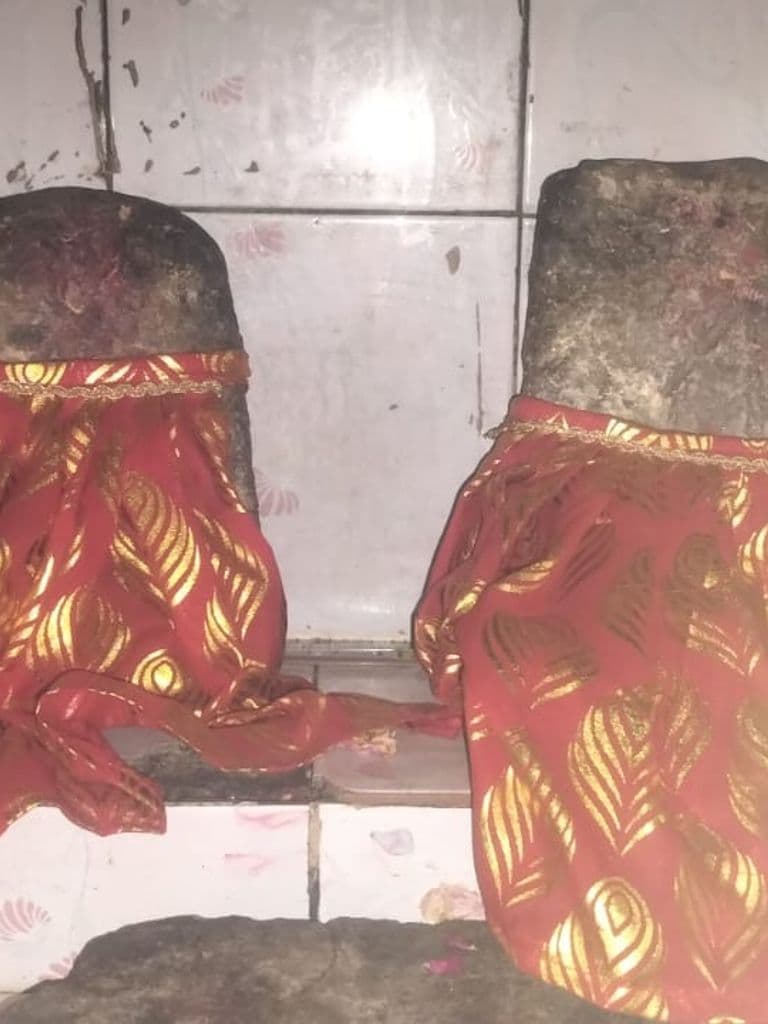
- According to tradition, Yudhishthira worshipped Mata Kamakshi here during the Pandavas' exile, and the Goddess responded by producing a perennial stream from beneath her feet — a flow that continues to this day. The presiding deity is enshrined not in a sculpted image but as a Pindi — the primordial, aniconic form — which local tradition regards as svayambhu, self-manifested, belonging to no human hand.
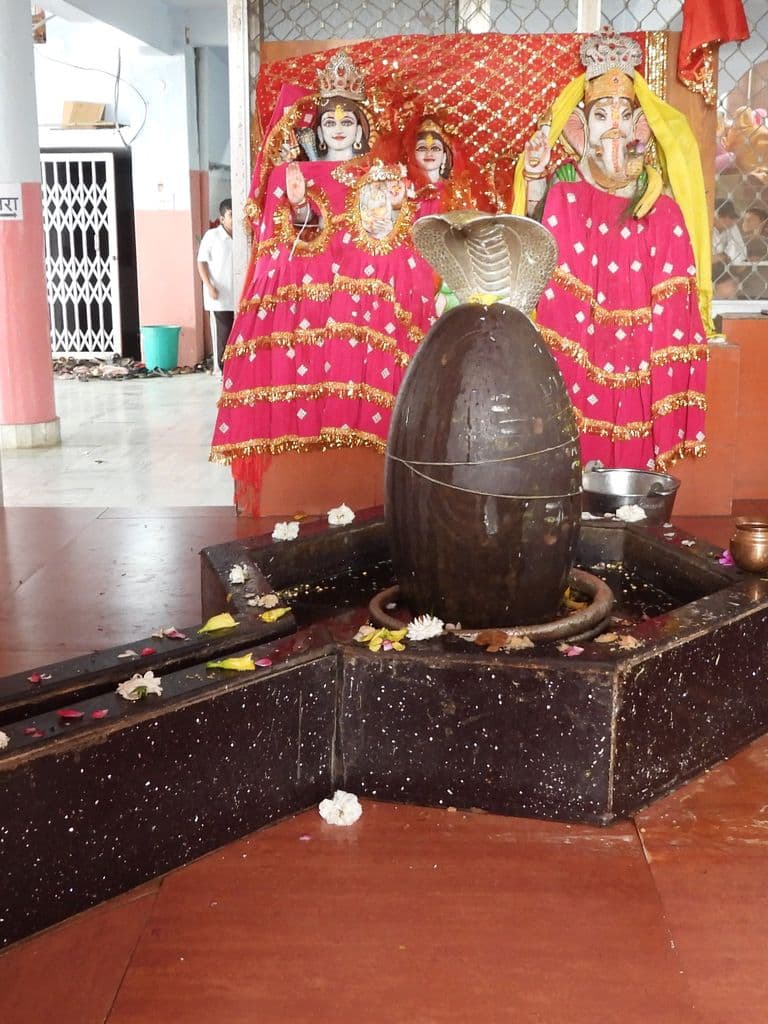
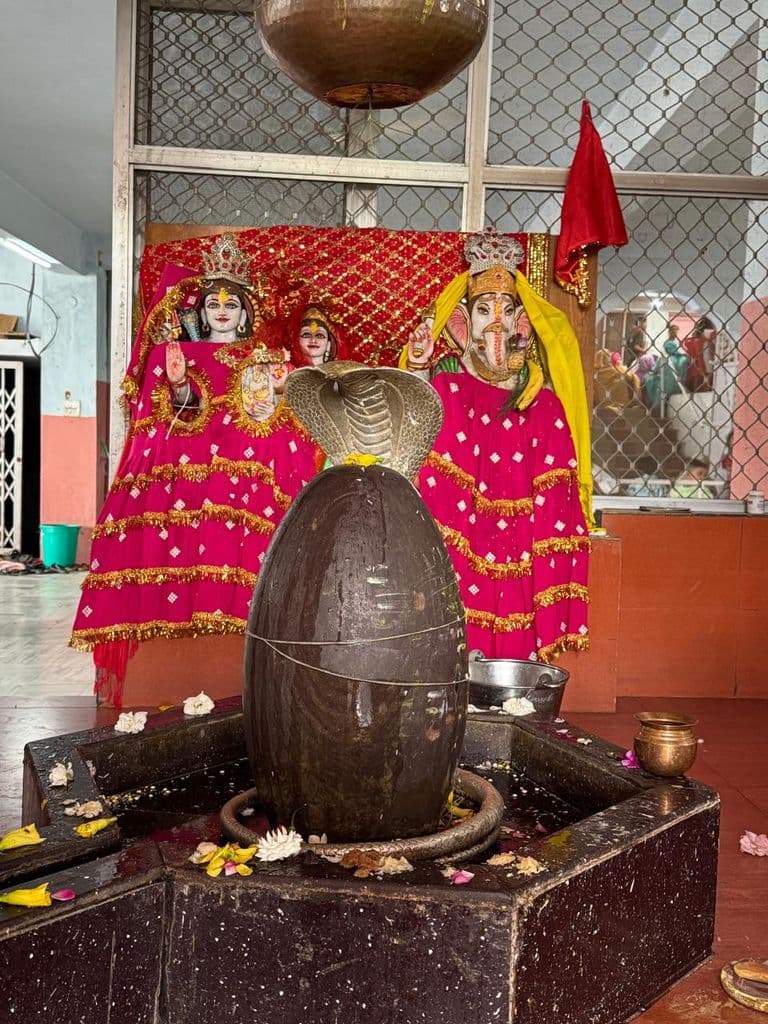
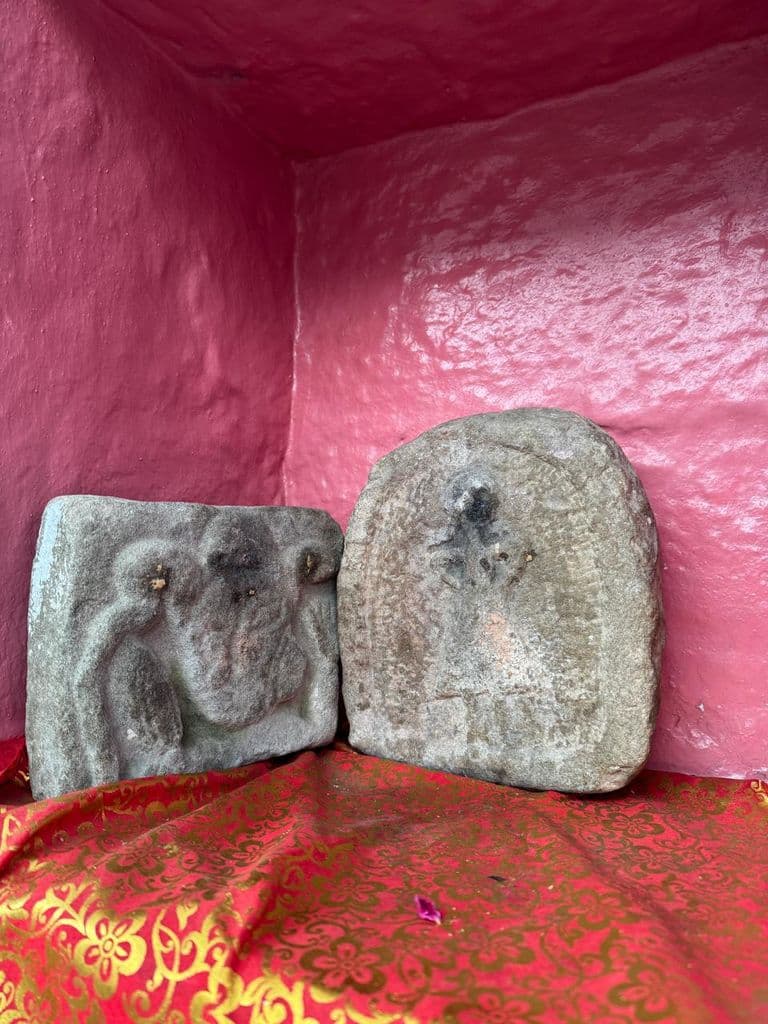
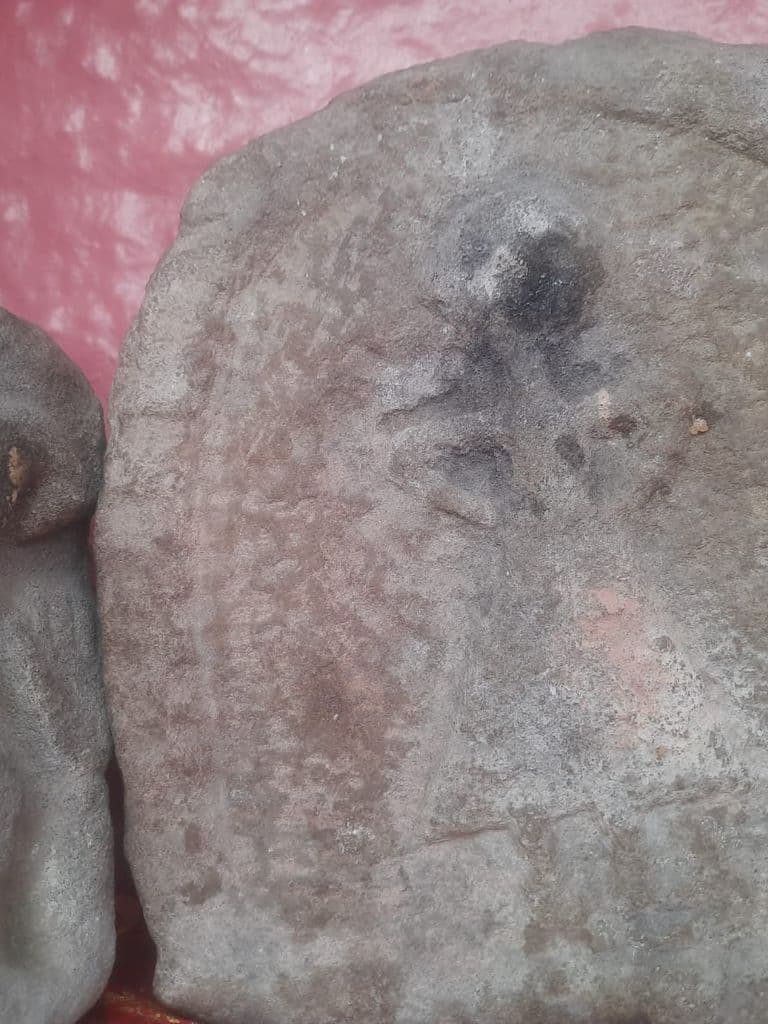
- An ancient Shiva temple within the complex marks the spot where Yudhishthira performed tapasya before proceeding to Virat Nagar, anchoring the site within the Mahabharata sacred landscape of Punjab. A Paduka stone of the Devi is also preserved within the complex — not the Acharya's, but the Goddess's own footprint impressed in stone — a rare and remarkable form of darshana that speaks to the living, embodied presence attributed to this shrine across millennia.
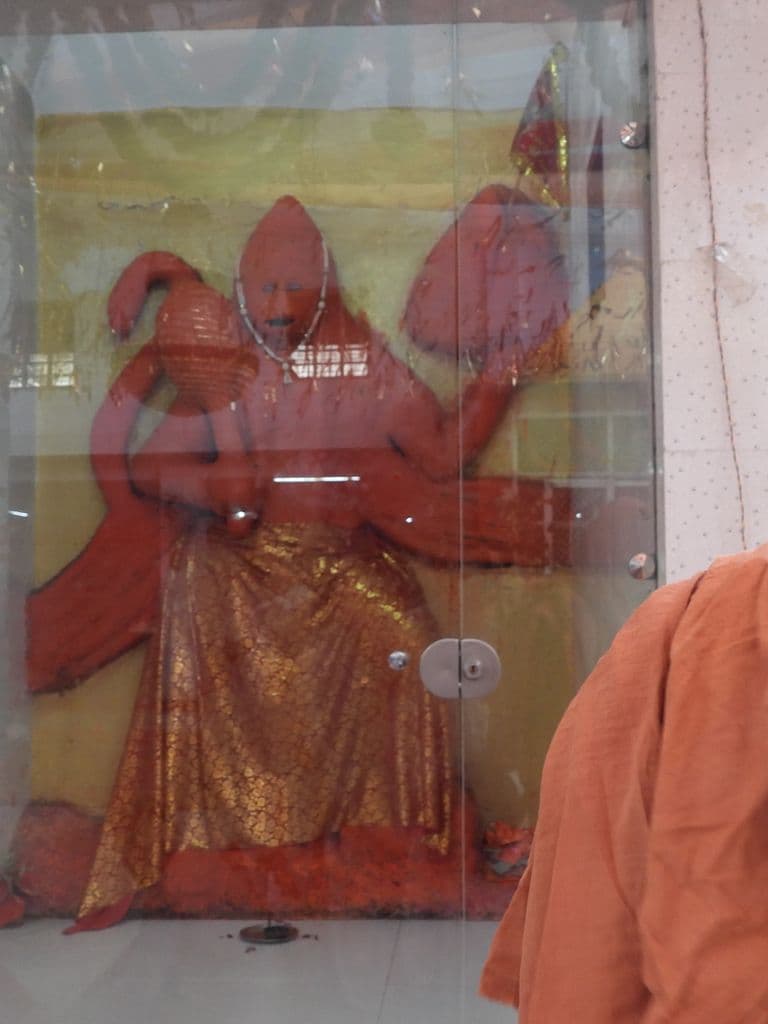
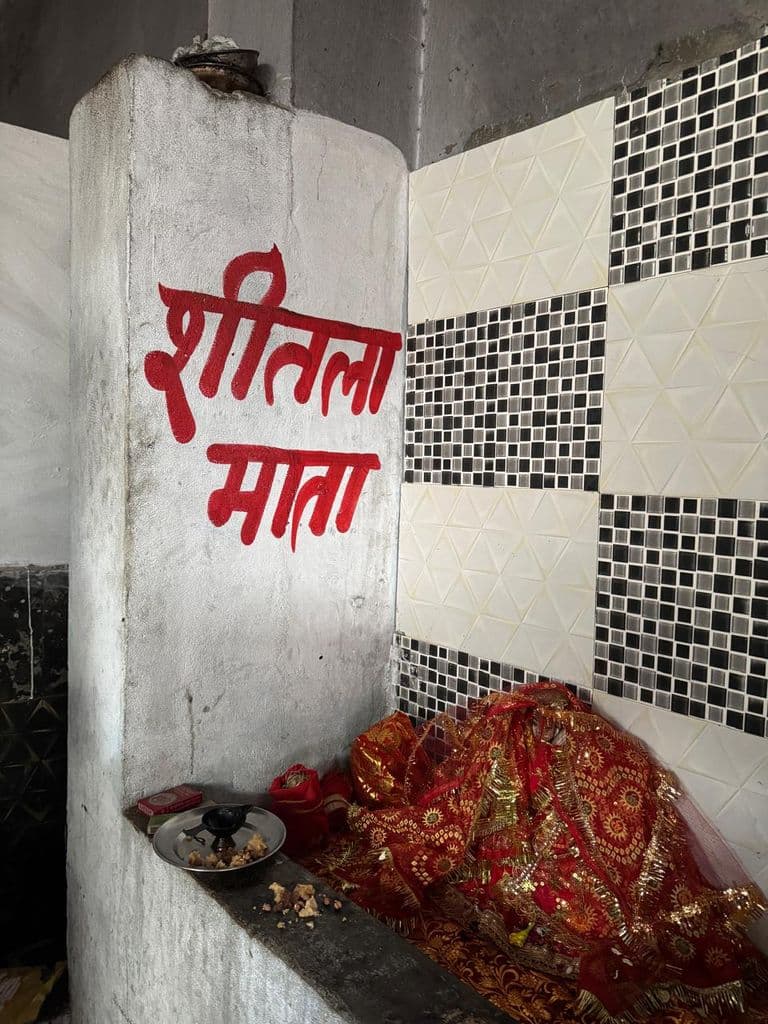
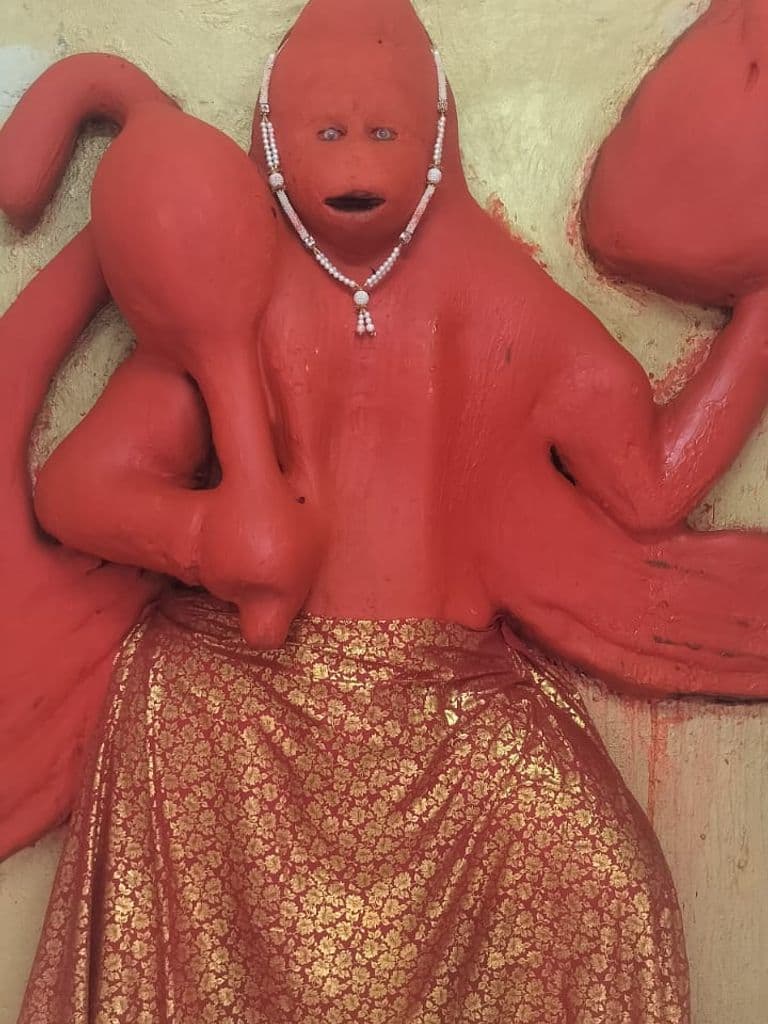
- The temple complex carries unmistakable traces of Adi Shankaracharya's Yatra. Alongside the Kamakshi Pindi, the complex houses a Sheetala Mandir shrine, an Anjaneya shrine, and an Ishwara Linga — a precise configuration that reflects the Shanmatha synthesis propagated by the Acharya. Each of these vigrahas bears a traditional connection to Shankaracharya's presence, making this temple one of the most layered sites in the Punjab corridor. The temple's original name Kamakshi Devi gradually became Kamahi Devi through local pronunciation — a small linguistic shift that speaks to centuries of unbroken folk devotion.
The above findings are based on local recitations and living traditions, as well as inscriptions and markers observed at the site, supported by available historical references, certain scientific observations, and guidance from the Shastras. As our understanding continues to evolve, we will update this account from time to time as additional insights and information emerge from local communities and further study.
Do you have more information about this location, or any questions or feedback?
✉ Write to UsPhotos