West Bengal
Śāṅkara Jyoti Prakāśa · शाङ्कर ज्योति प्रकाश
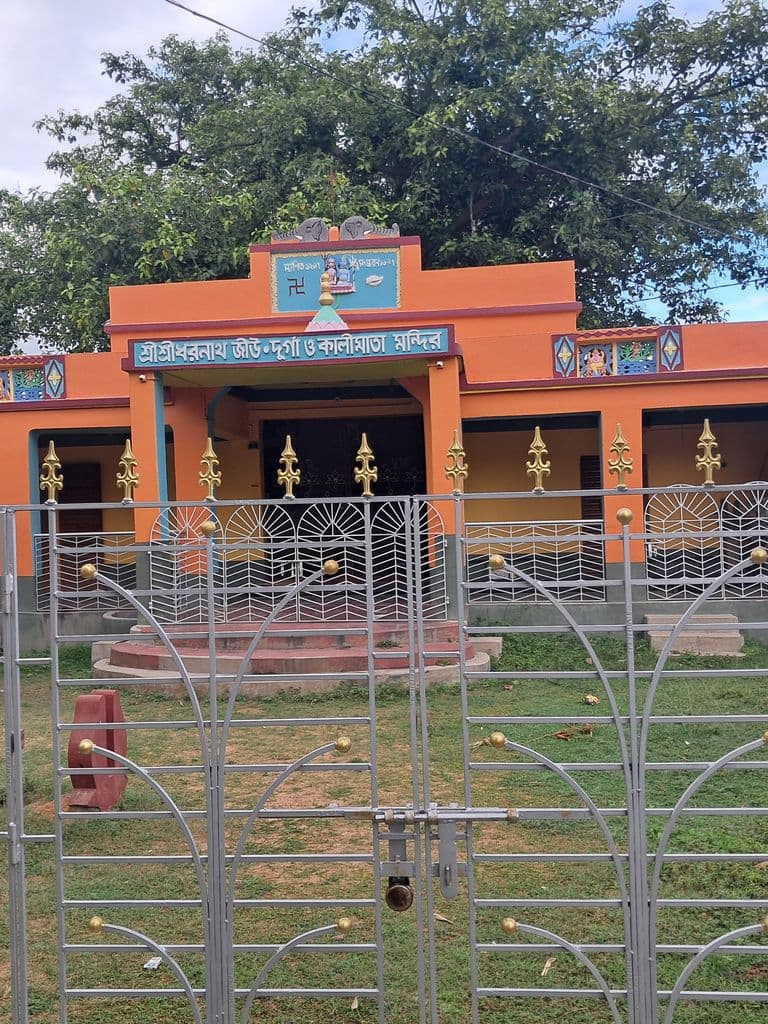
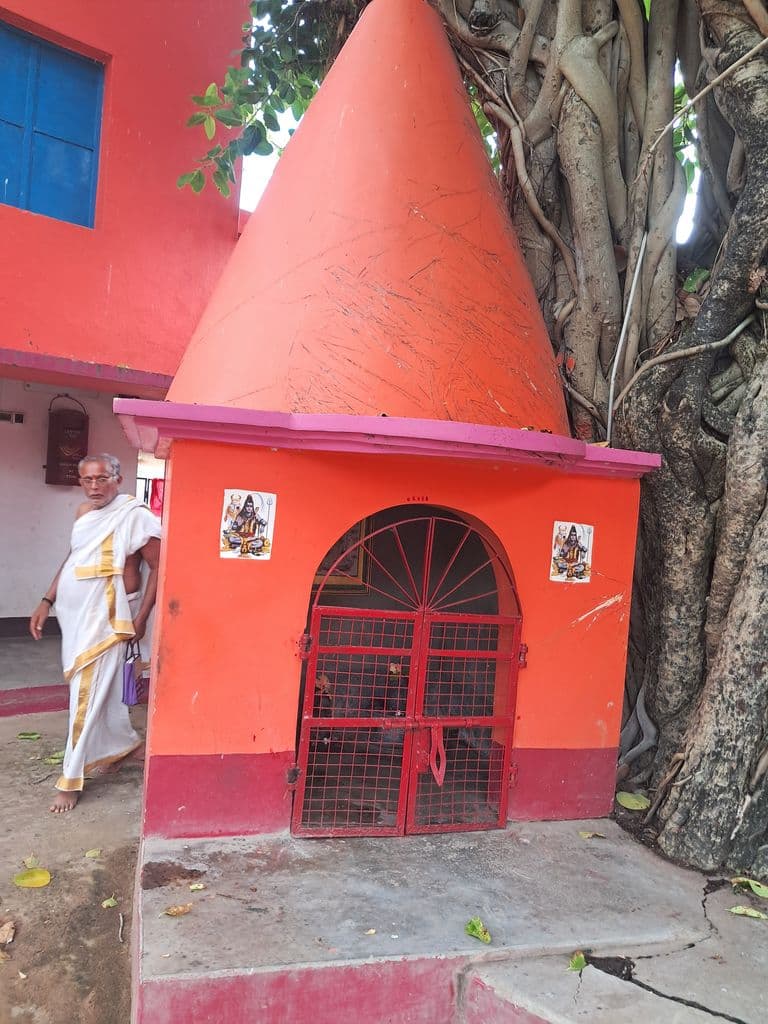
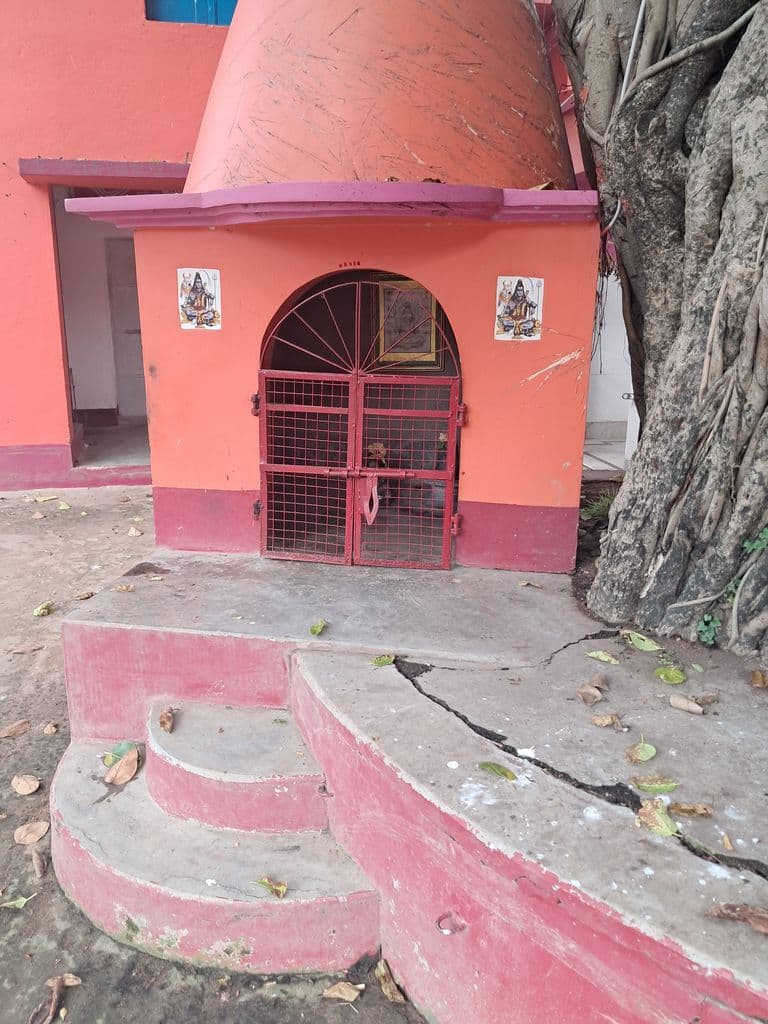
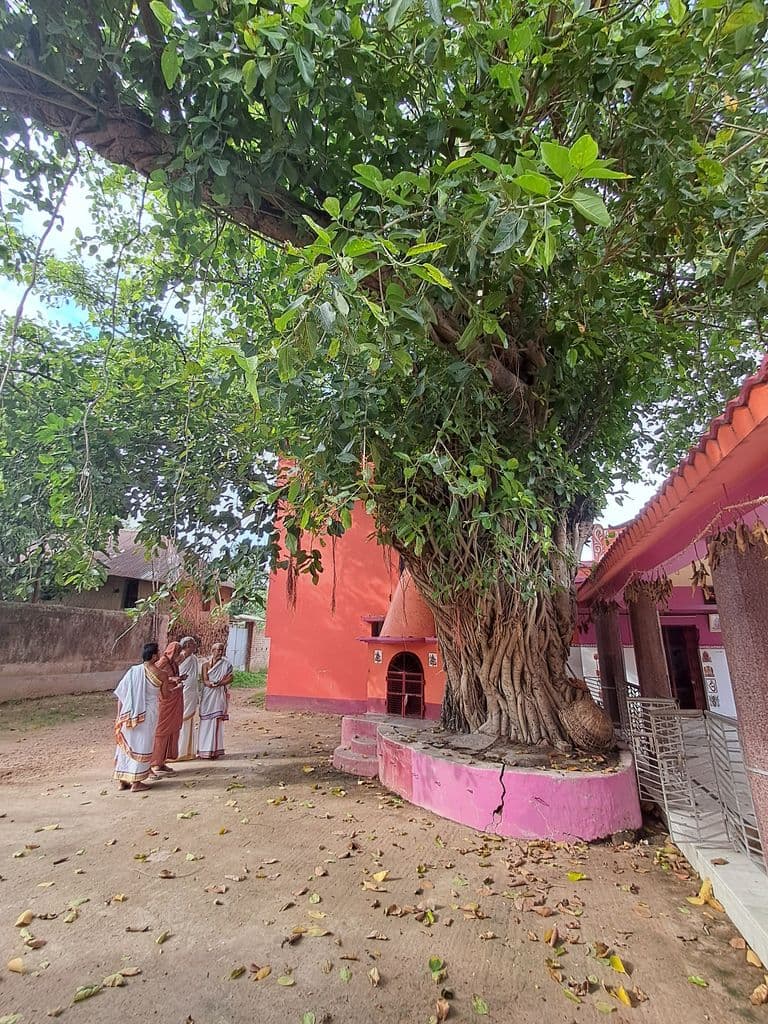
Kali Mandir - Patarchpur
Visited 5 July 2026 during the 2026 Sampoorna Bharata Yatra.
Adi Shankaracharya's Visit
- Nestled amidst the sacred landscape of rural Bengal, the Durga Temple at Parulia stands as a vibrant centre of Shakti worship, preserving an unbroken tradition of devotion to the Divine Mother through the centuries. The kshetra embodies the timeless spiritual ethos of Sanatana Dharma, where the worship of Devi is harmoniously complemented by the presence of Lord Shiva, reflecting the inseparable unity of Shiva and Shakti.
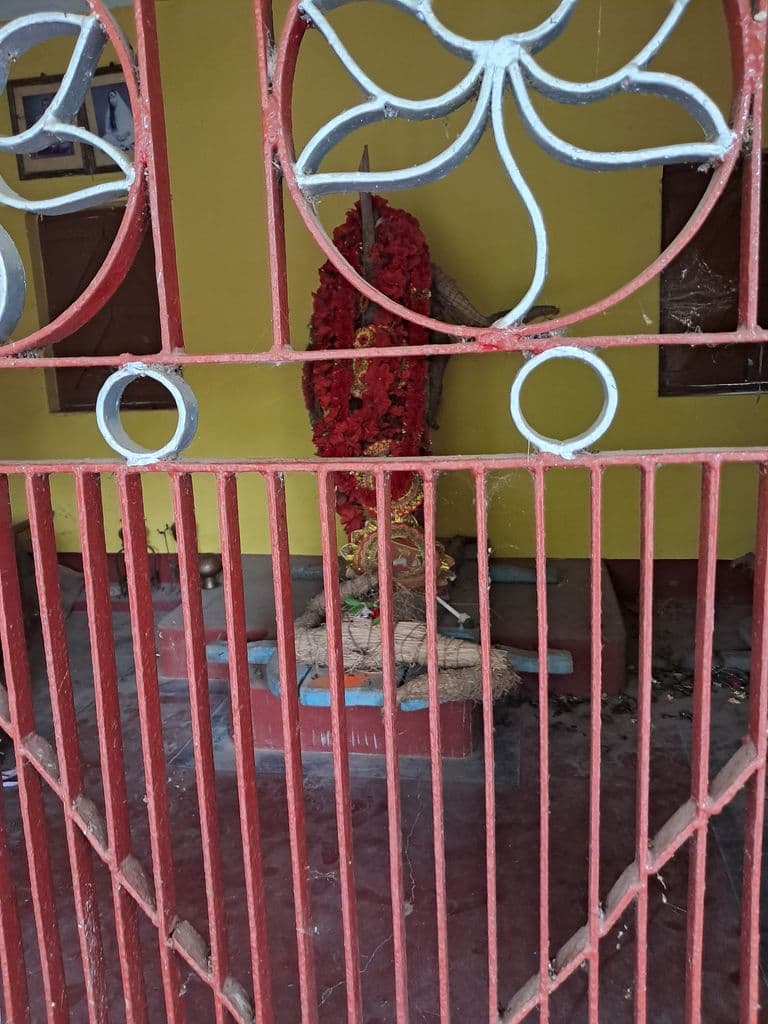
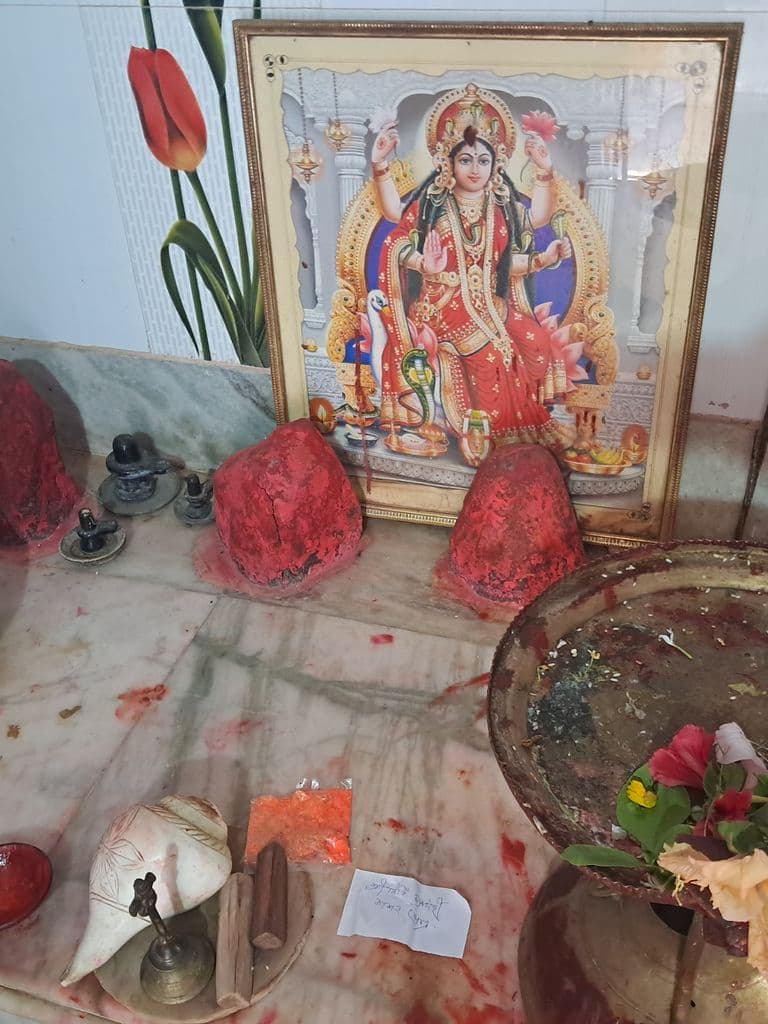
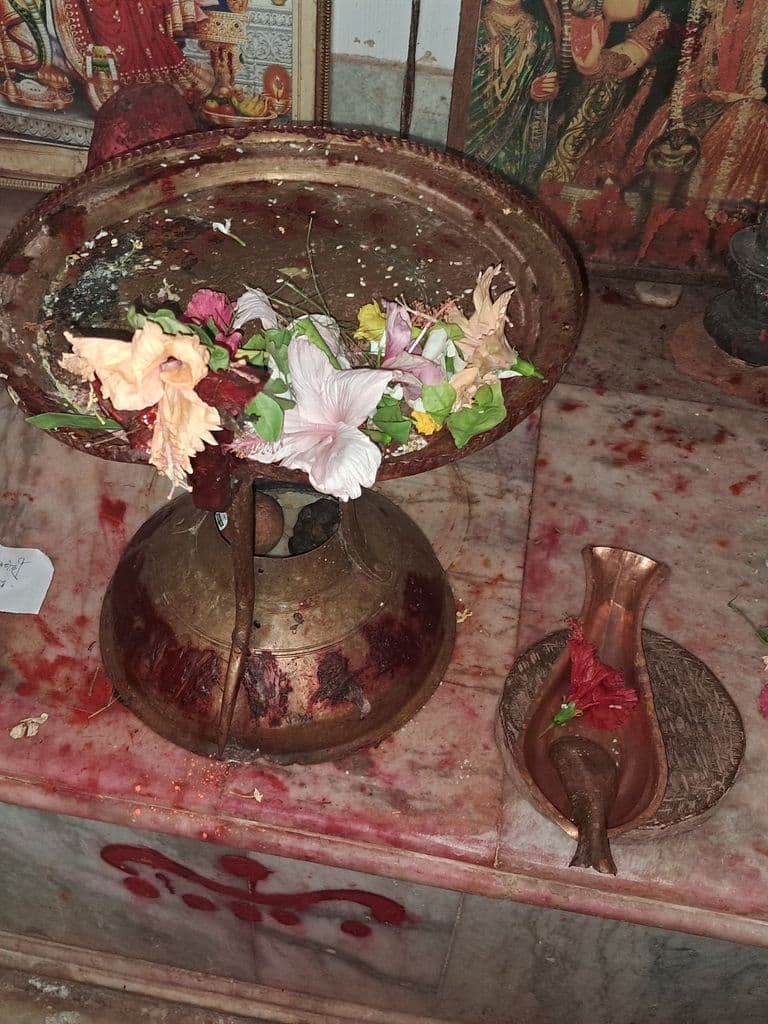
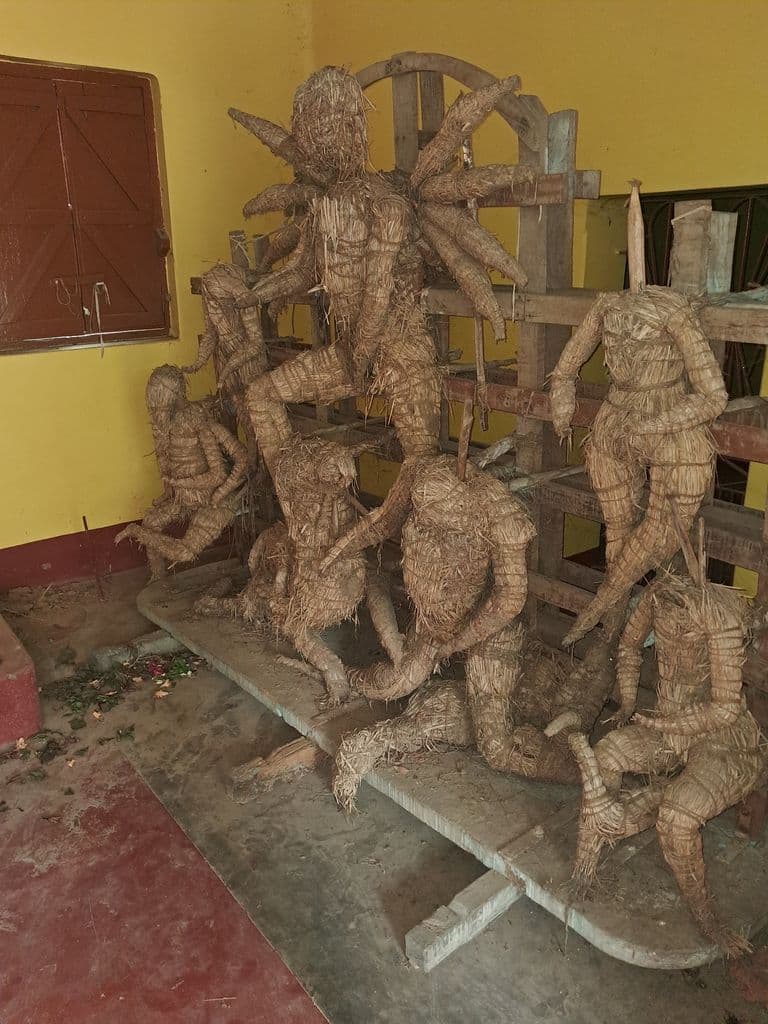
- The temple is revered for its ancient Mūla Murti of Goddess Durga, which continues to be the focal point of daily worship and the spiritual heart of the kshetra. Alongside the presiding deity is a sacred Pañcaloha Vigraha, deeply venerated by devotees and temple priests alike. Local tradition reveres both the Mūla Murti and the Pañcaloha image as having received the “anugraha of Bhagavatpada Adi Shankaracharya” during his visit to the kshetra. These sacred images continue to inspire generations of devotees, preserving the living legacy of worship that has endured through the ages.
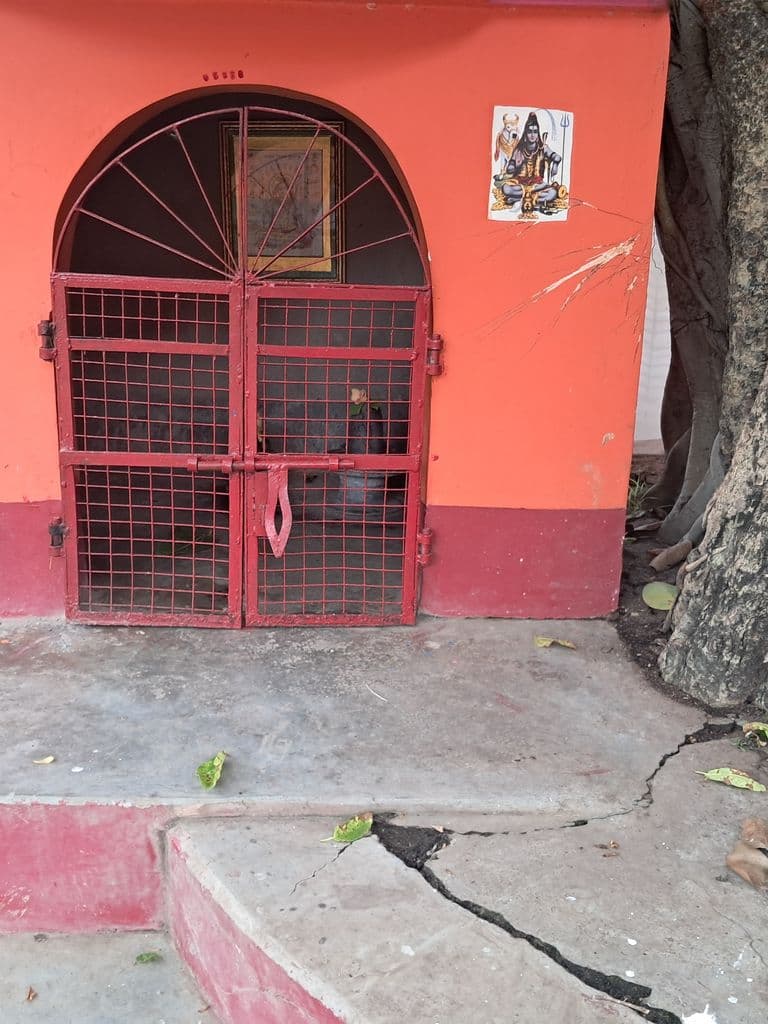
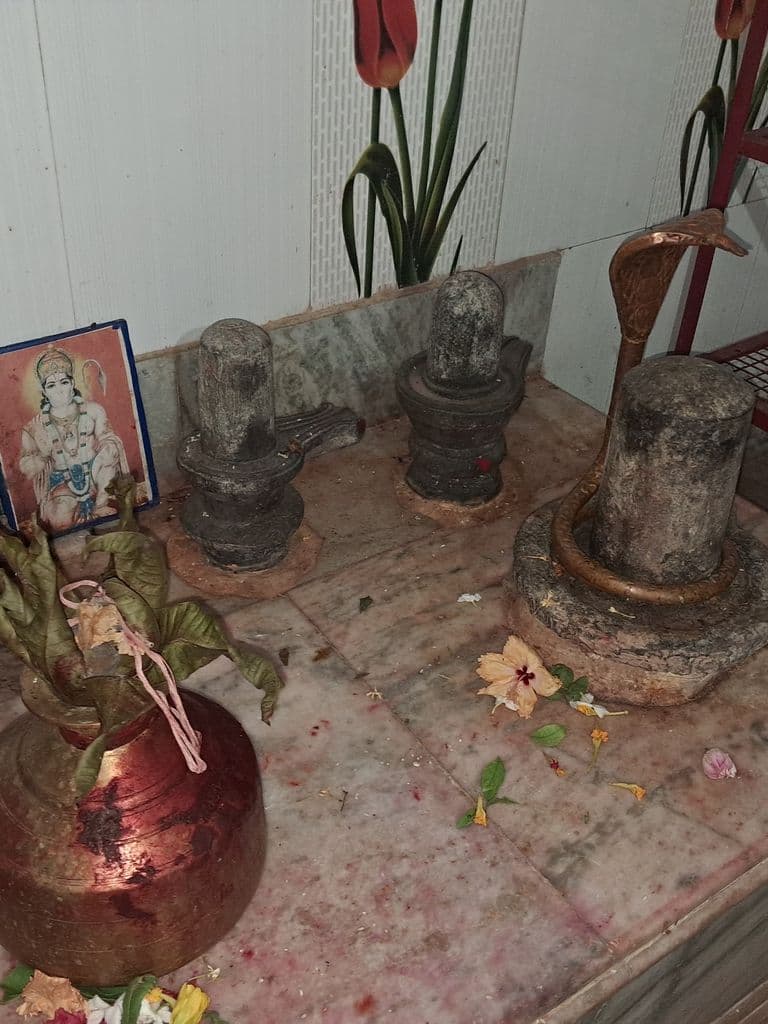
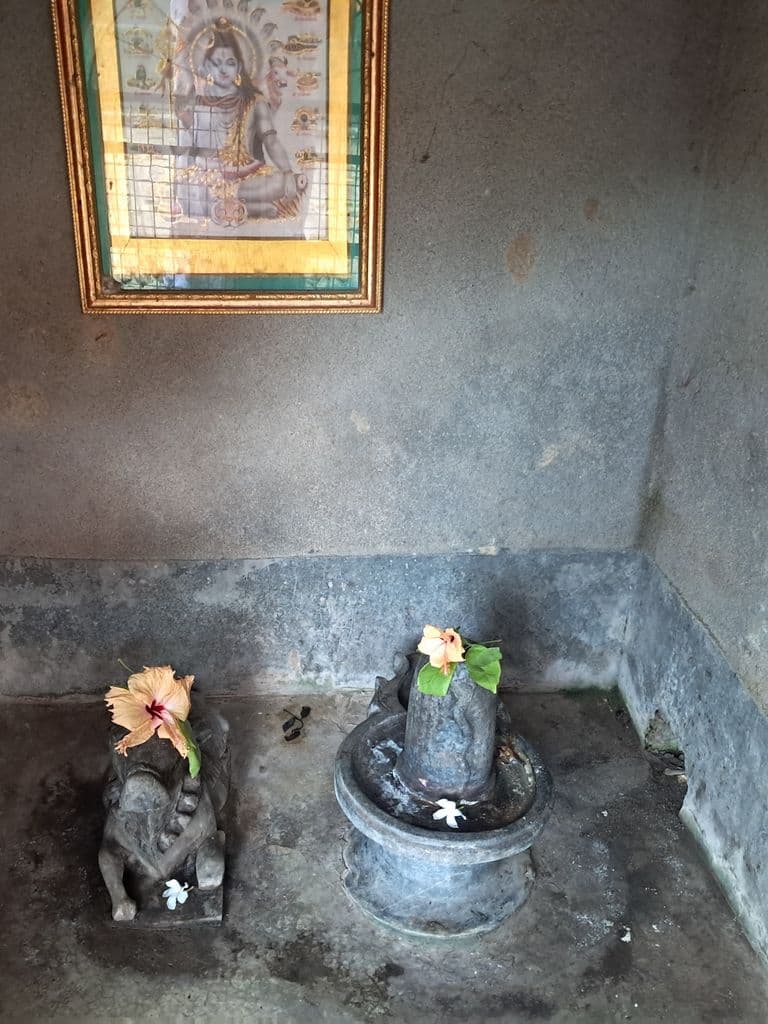
- Within the temple precincts is also an ancient “Ishwara Linga”, worshipped with equal reverence as an embodiment of Lord Shiva. Temple tradition holds that Bhagavatpada Adi Shankaracharya offered worship at this sacred Linga and bestowed his “anugraha”, reaffirming the kshetra as a centre where the worship of Shiva and Shakti flourishes in perfect harmony. The continued veneration of both the Divine Mother and Lord Shiva reflects the Advaitic vision of the essential oneness underlying all manifestations of the Divine.
- The traditions preserved at Parulia affirm that Bhagavatpada's visit was not merely that of a pilgrim, but of a Jagadguru who renewed and strengthened the spiritual current of the kshetra. His blessings upon the Mūla Murti, the Pañcaloha Vigraha, and the Ishwara Linga are remembered by the temple as enduring symbols of the continuity of Dharma and the preservation of sacred worship across generations.
The above findings are based on local recitations and living traditions, as well as inscriptions and markers observed at the site, supported by available historical references, certain scientific observations, and guidance from the Shastras. As our understanding continues to evolve, we will update this account from time to time as additional insights and information emerge from local communities and further study.
Do you have more information about this location, or any questions or feedback?
✉ Write to UsPhotos