Jammu and Kashmir
Śāṅkara Jyoti Prakāśa · शाङ्कर ज्योति प्रकाश
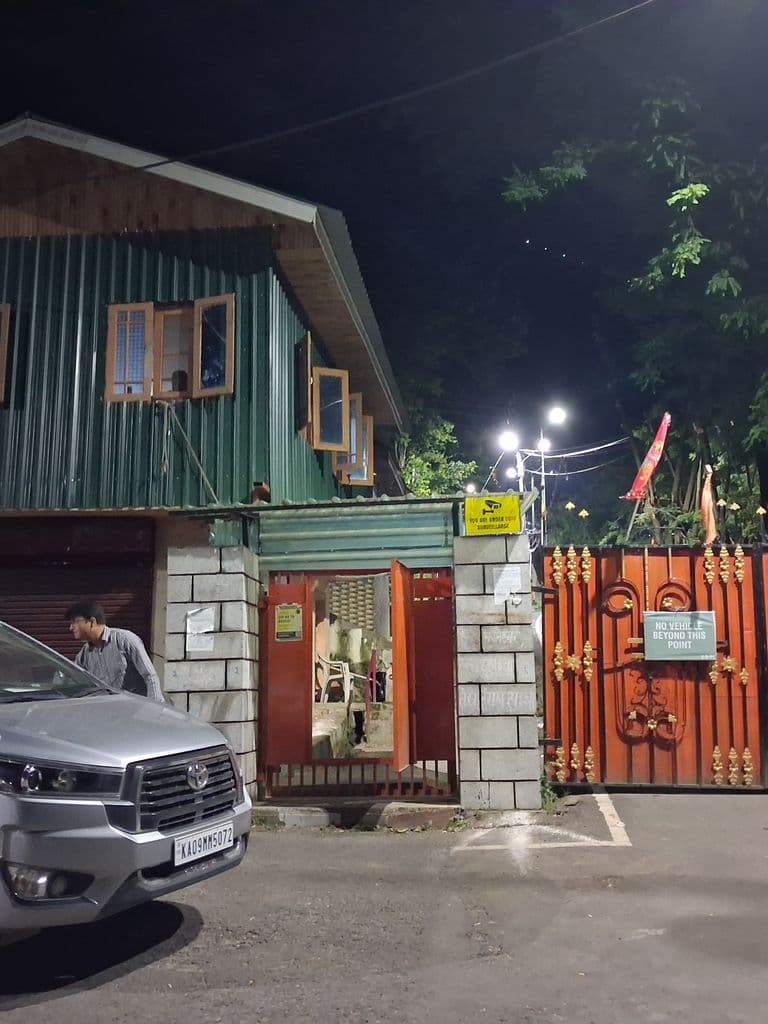
Jyeshtha Math - Srinagar
Visited 31 May 2026 during the 2026 Sampoorna Bharata Yatra.
Adi Shankaracharya's Visit
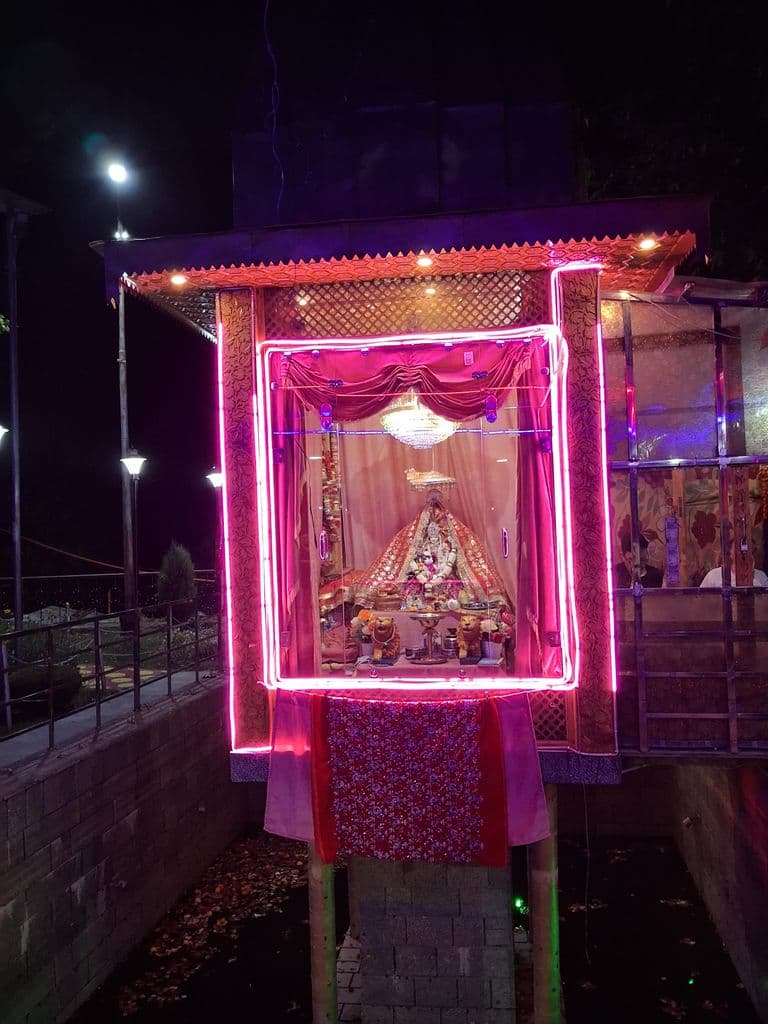
- Jyeṣṭhā Mātā, also known as Zeṣṭa Devī in Kashmiri tradition, is one of the oldest and most distinctive goddess shrines of the Kashmir Valley. Situated atop a hill in the Rainawari region of Srinagar, the temple commands a panoramic view of the city and the surrounding waterscapes. Historical references indicate that the shrine has been revered for many centuries and forms part of the ancient network of sacred sites described in Kashmir's religious and cultural traditions. The temple is particularly known for its sacred spring, whose water levels have long been observed and interpreted by local communities as indicators of seasonal and environmental changes.
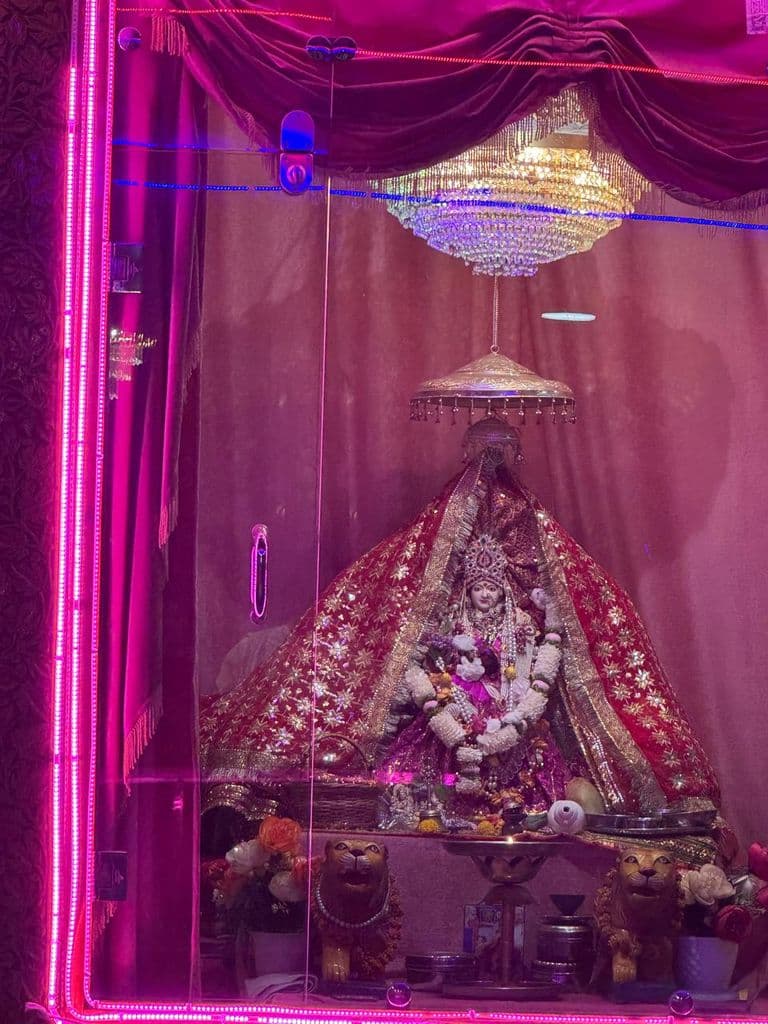
- The shrine occupies an important place in the historical memory of the Kashmiri Pandit community and has remained a centre of pilgrimage across generations. Unlike many later temples of the Valley, Jyeṣṭhā Mātā preserves several features associated with Kashmir's older sacred geography, where natural springs, elevated hilltops, and temple worship were integrated into a single sacred landscape. The present vigraha of the Goddess appears to be of relatively recent origin and is enshrined amidst the sacred kunda that forms the focal point of the temple complex.
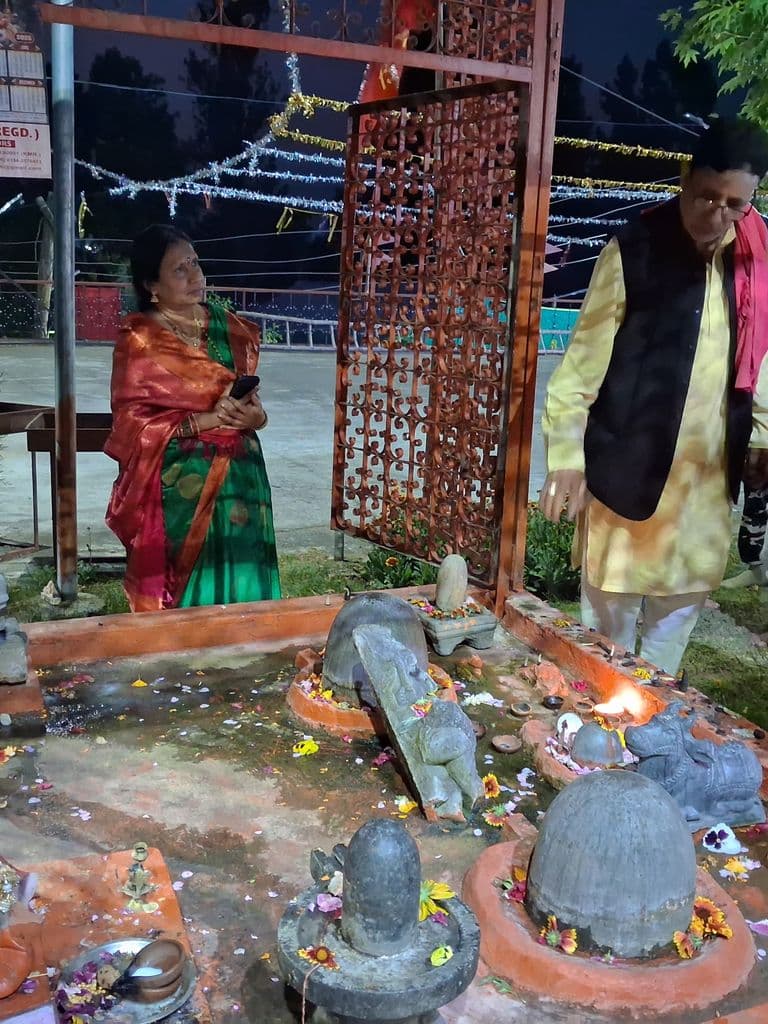
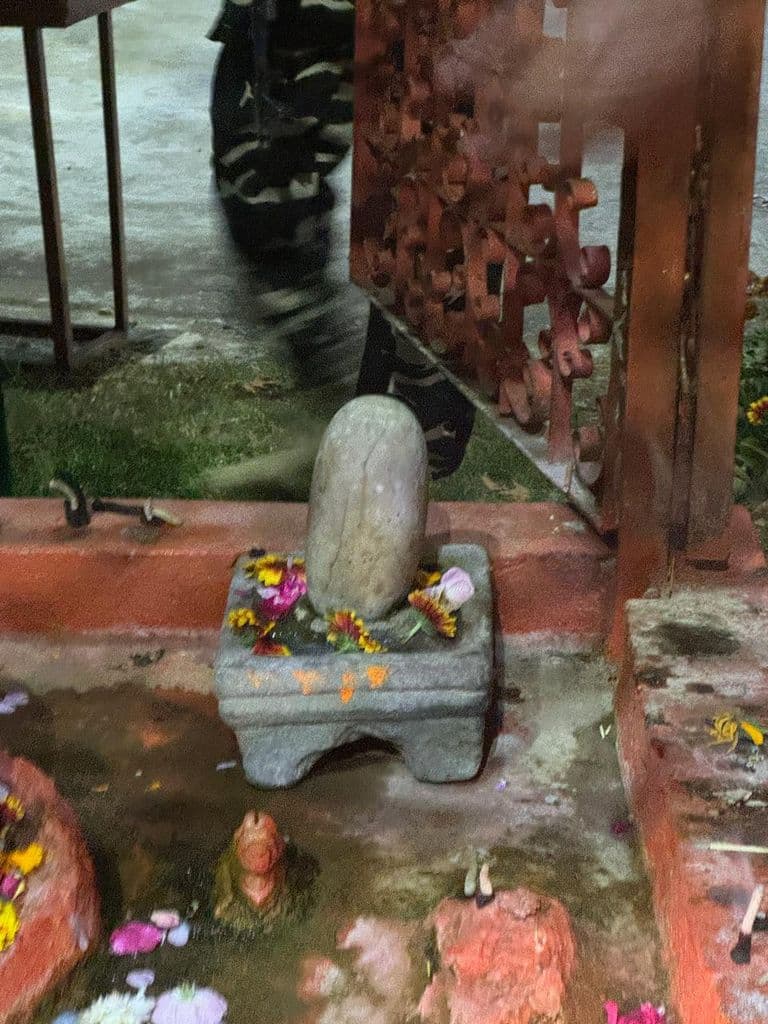
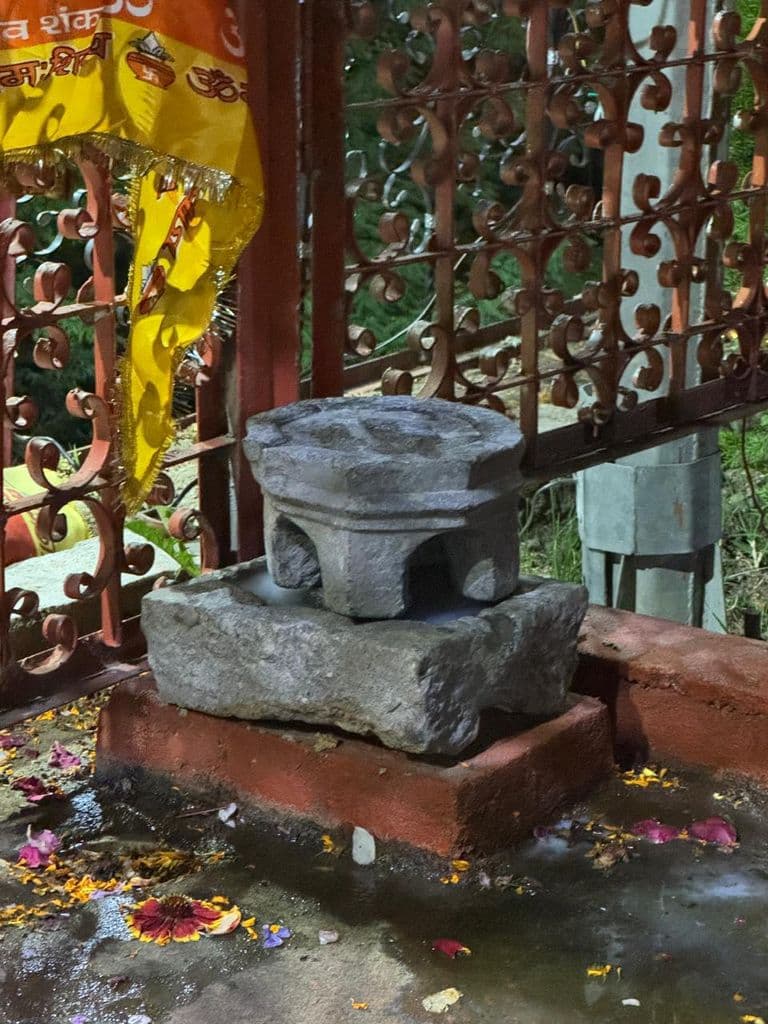
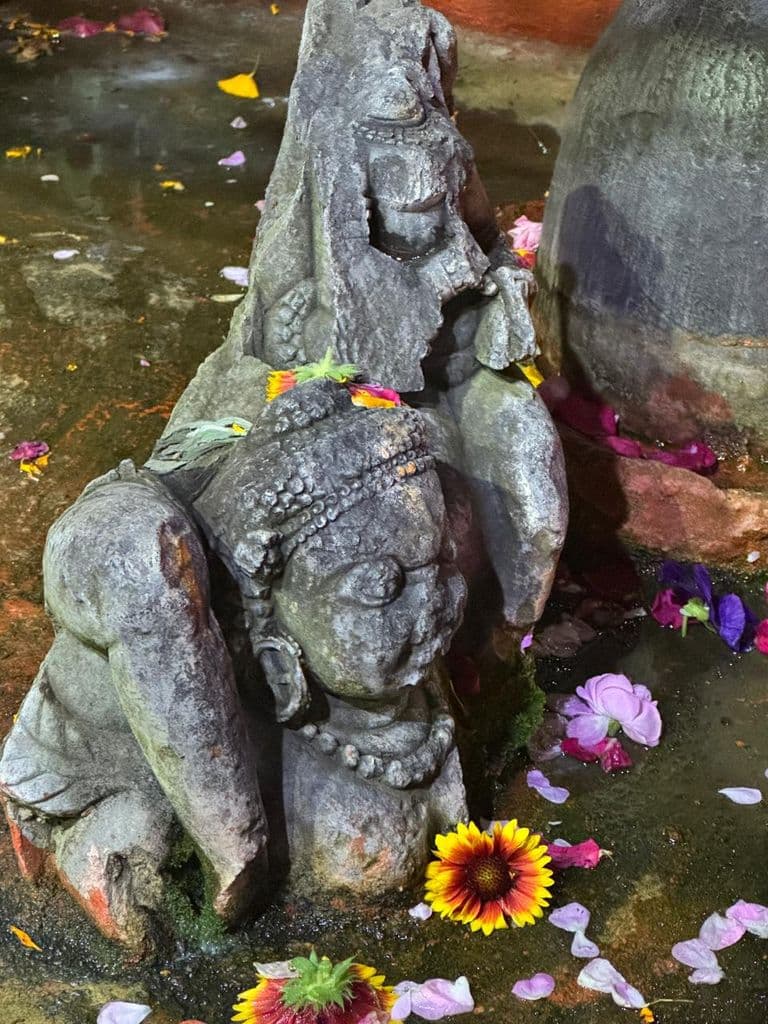
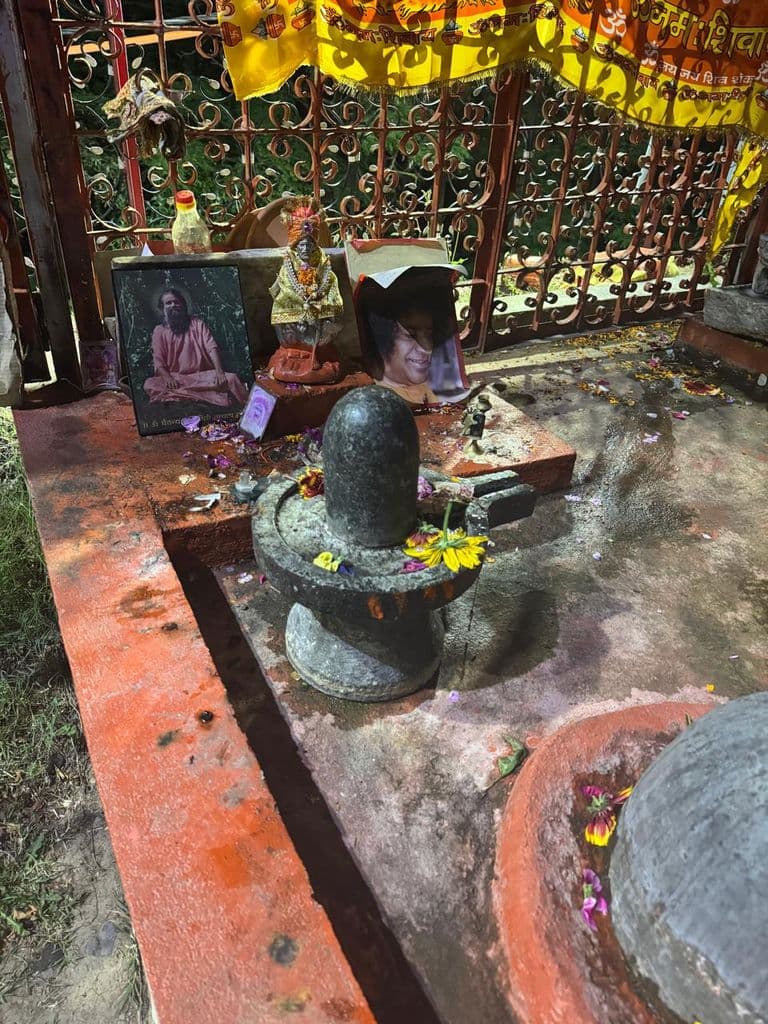
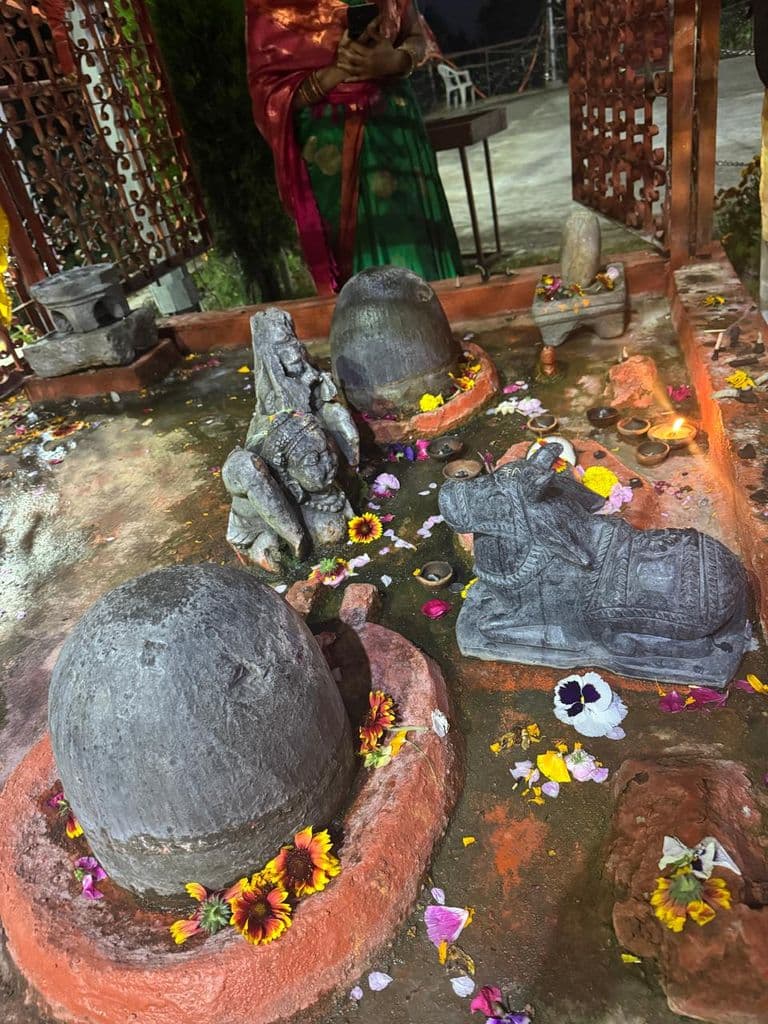
- Local traditions further preserve an association between this kṣetra and Jagadguru Adi Shankaracharya. Behind the principal shrine are several ancient vigrahas and sacred remains, among which two Īśvara Liṅgas are especially revered. These Liṅgas are believed to have been worshipped by Adi Shankaracharya during his stay in Kashmir. The site also preserves a pair of sacred pādukās, traditionally regarded as having been blessed by the Acharya. Together, these relics continue to form an important part of the temple's living heritage and its enduring connection to the memory of Acharya Bhagavatpada.
The above findings are based on local recitations and living traditions, as well as inscriptions and markers observed at the site, supported by available historical references, certain scientific observations, and guidance from the Shastras. As our understanding continues to evolve, we will update this account from time to time as additional insights and information emerge from local communities and further study.
Do you have more information about this location, or any questions or feedback?
✉ Write to UsPhotos