Uttarakhand
Śāṅkara Jyoti Prakāśa · शाङ्कर ज्योति प्रकाश
Jhilmil Gufa - Maral
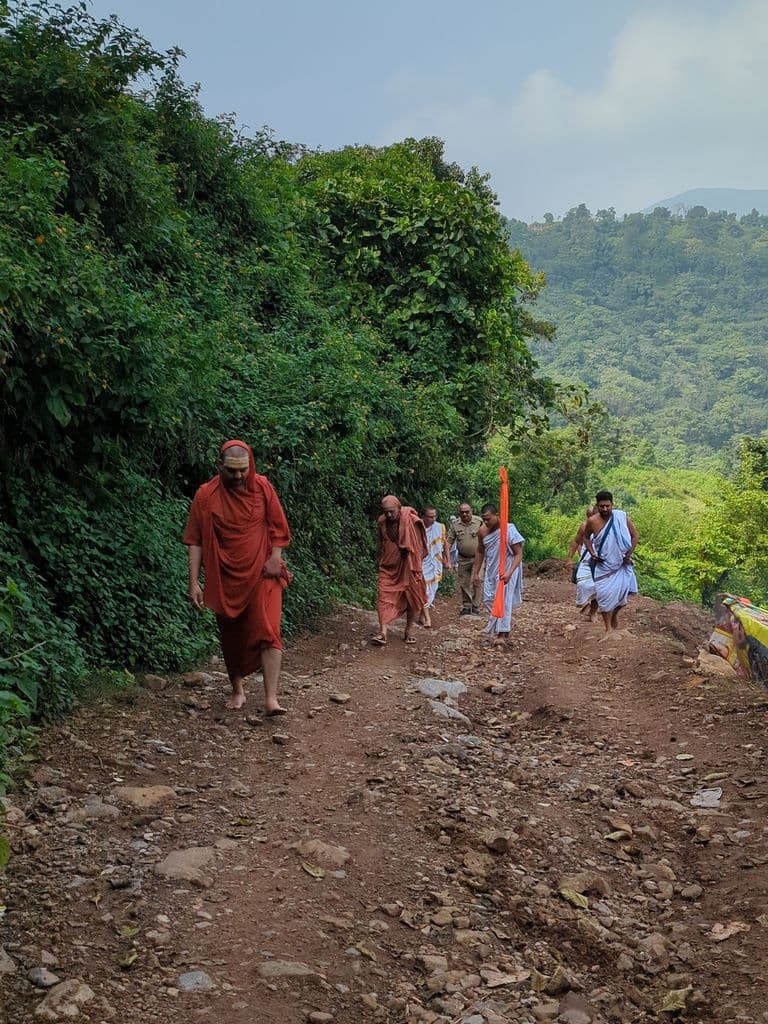
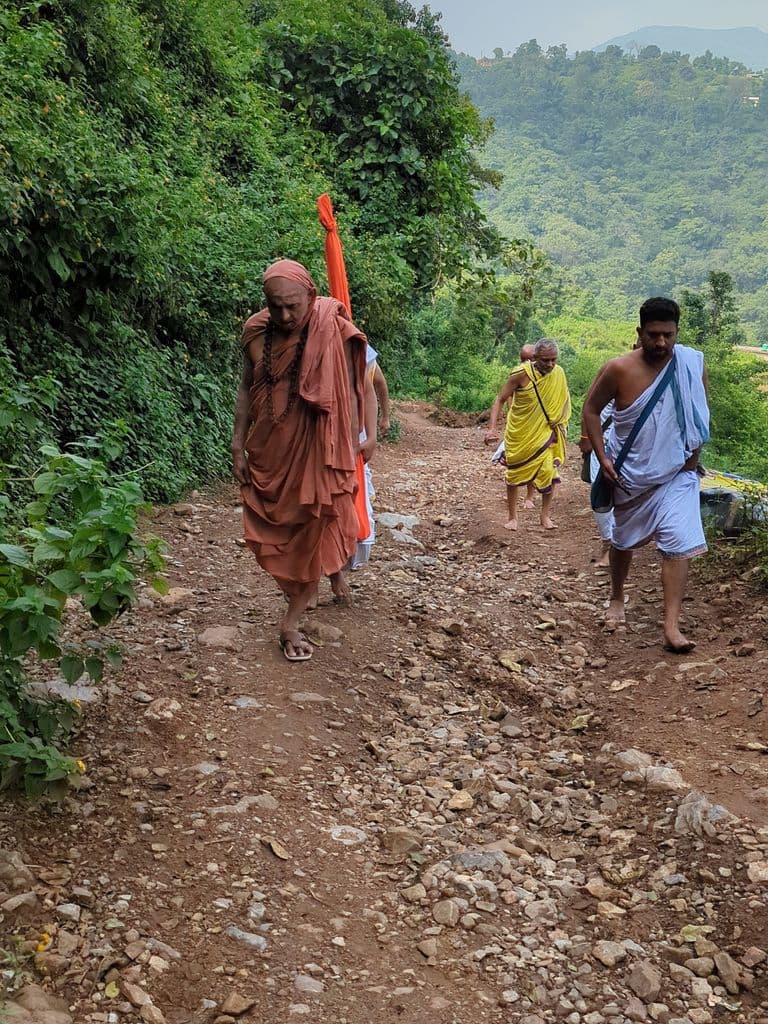
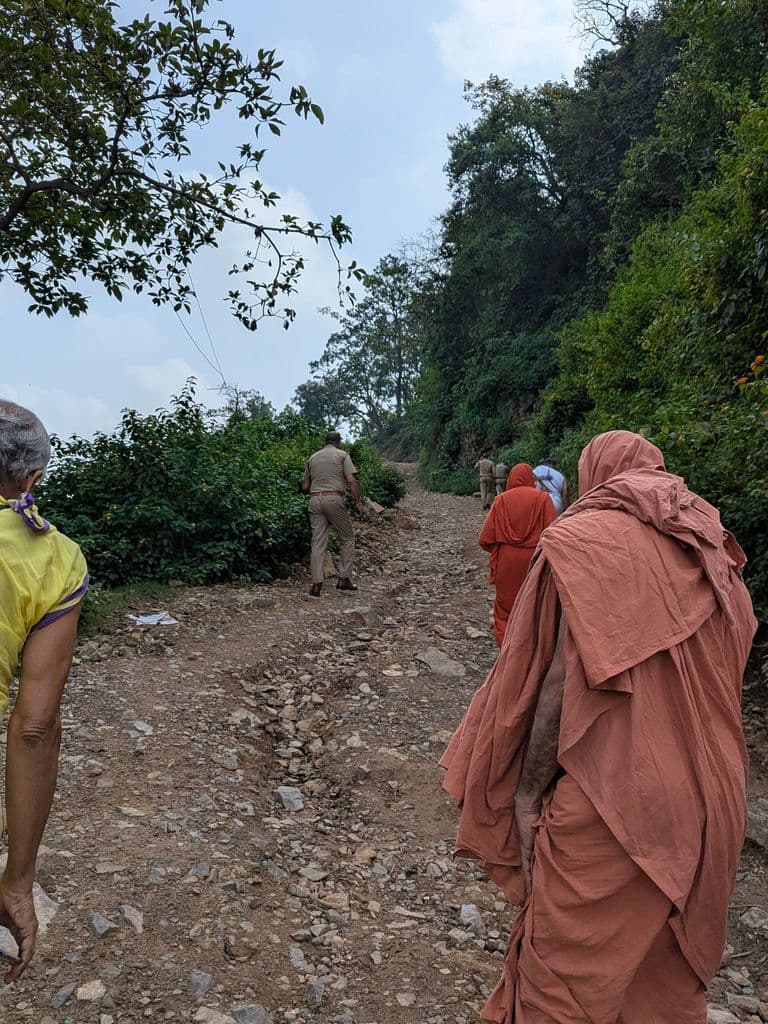
Visited 7 October 2026 during the 2026 Sampoorna Bharata Yatra.
Adi Shankaracharya's Visit
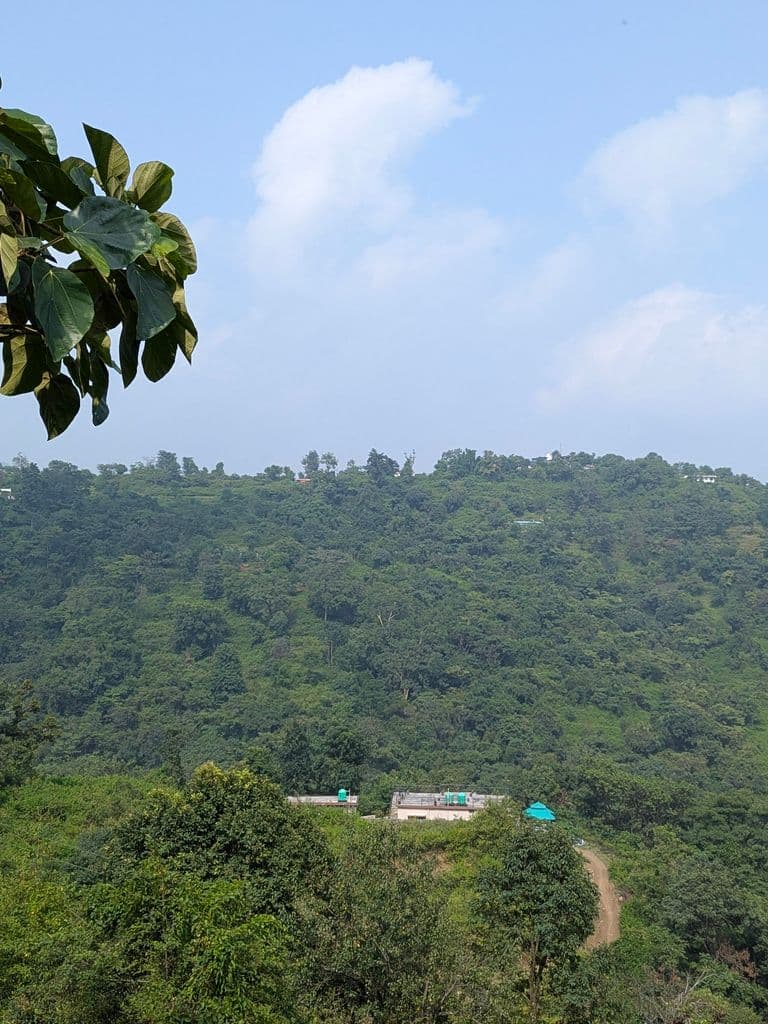
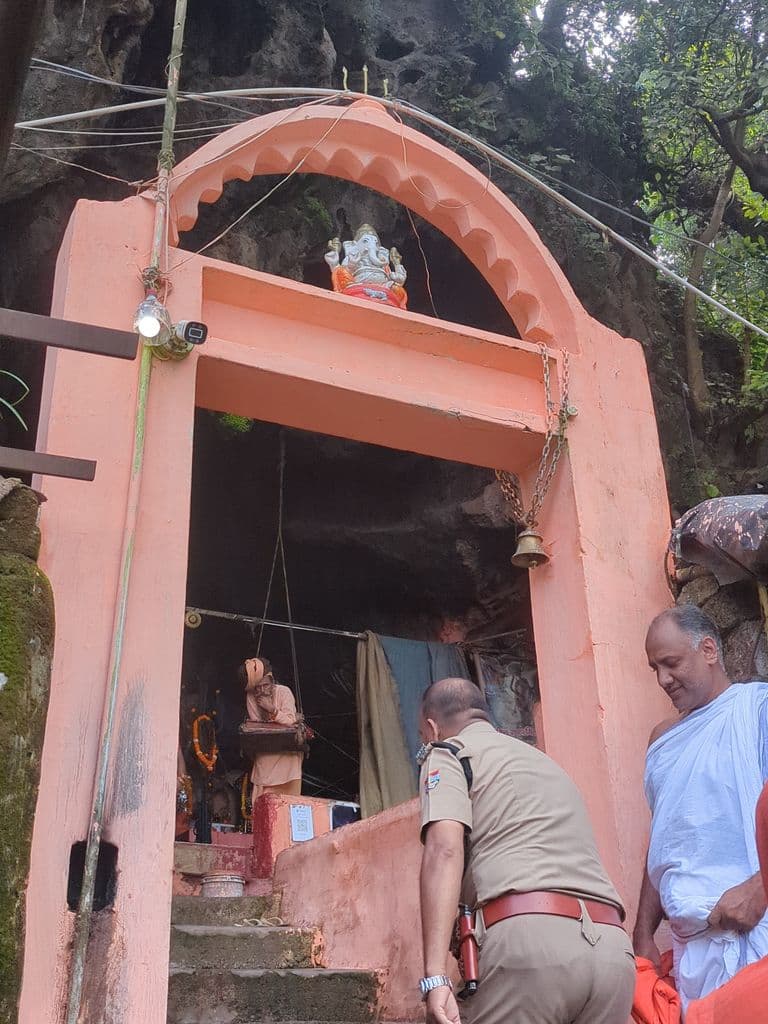
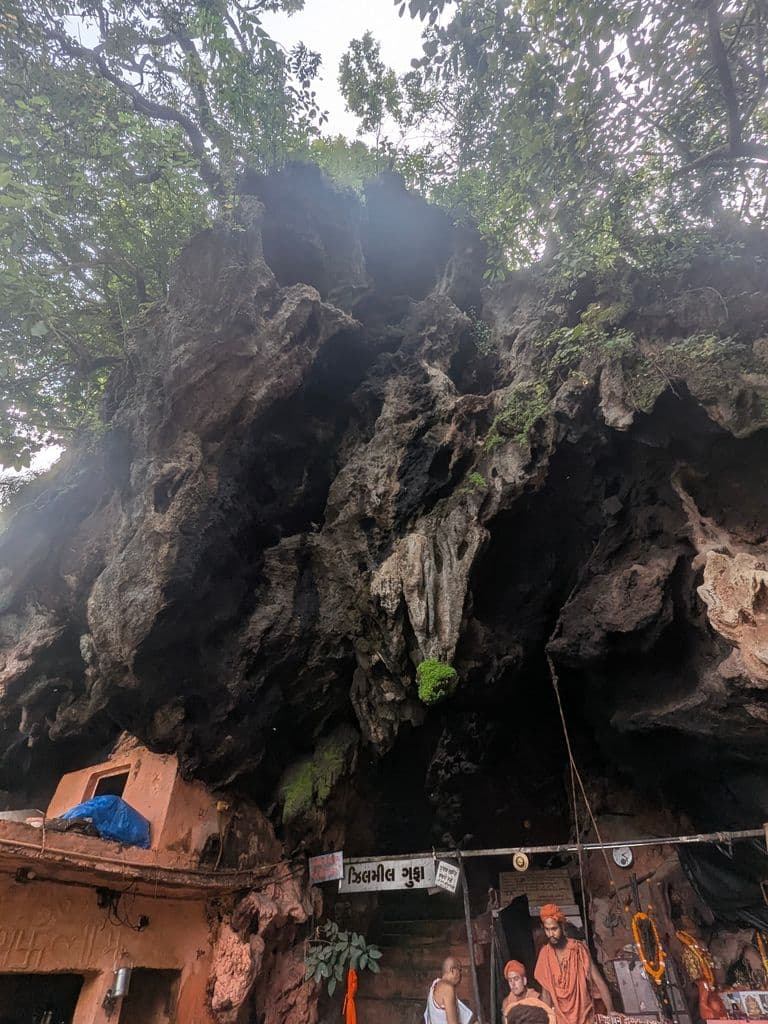
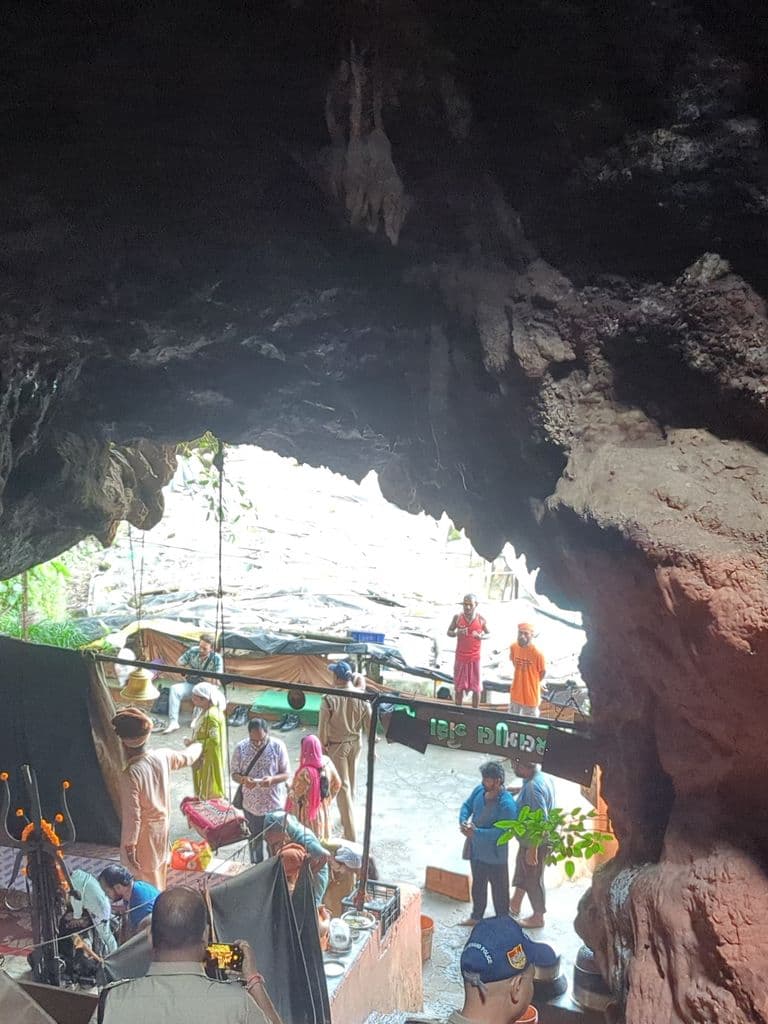
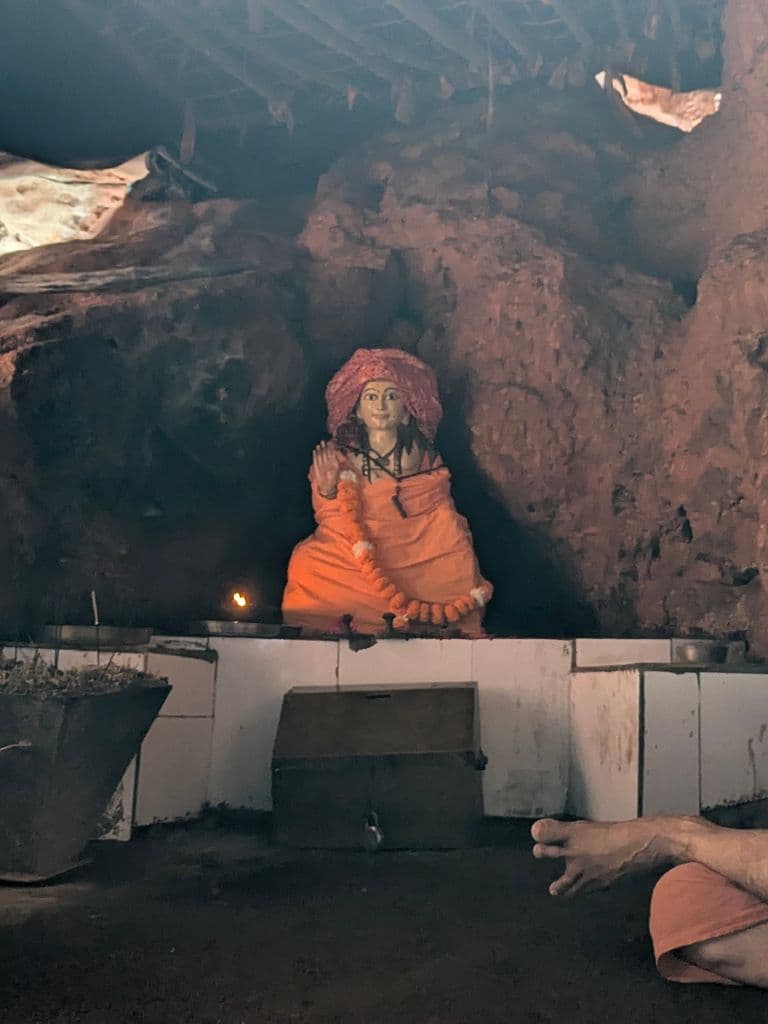
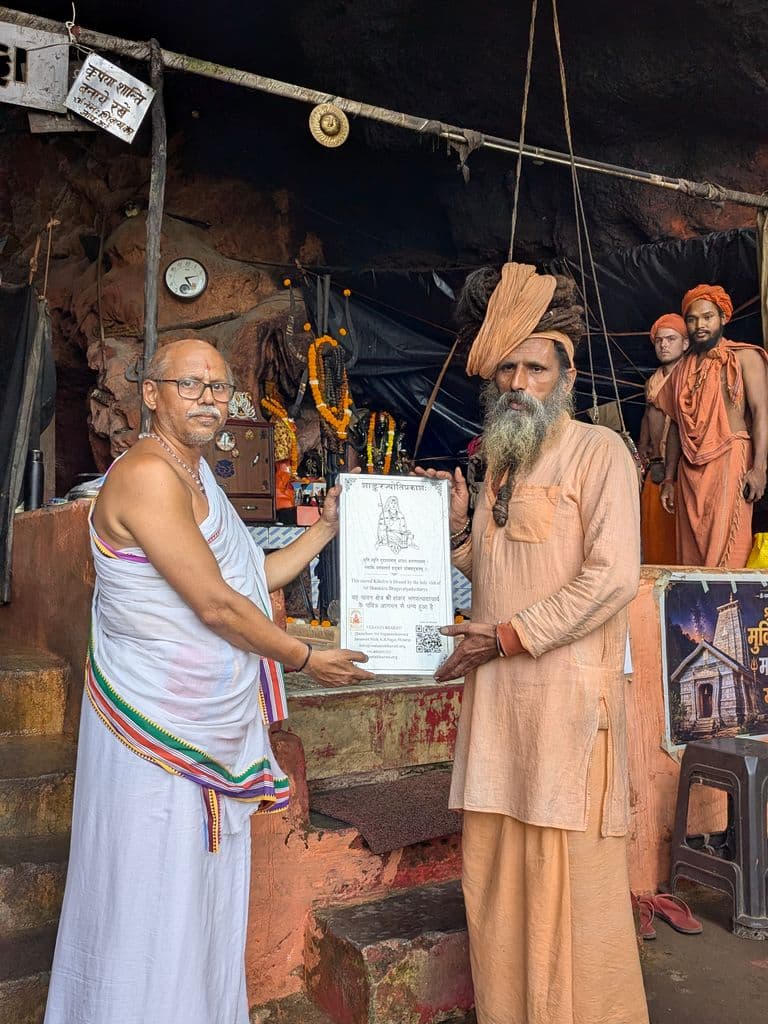
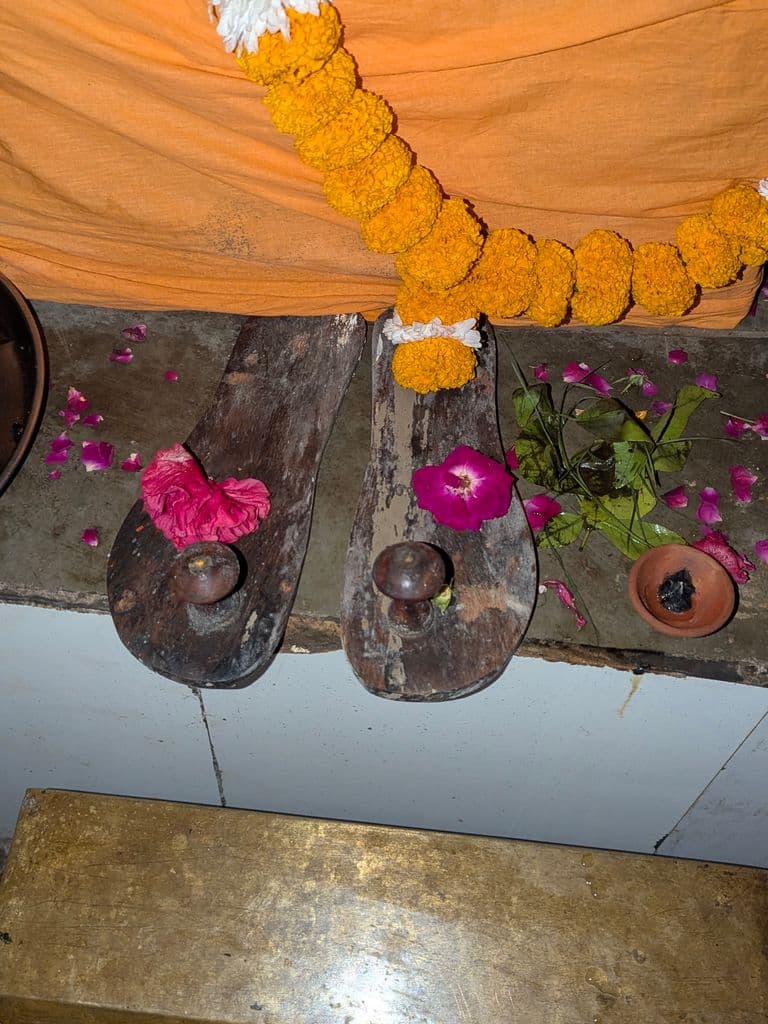
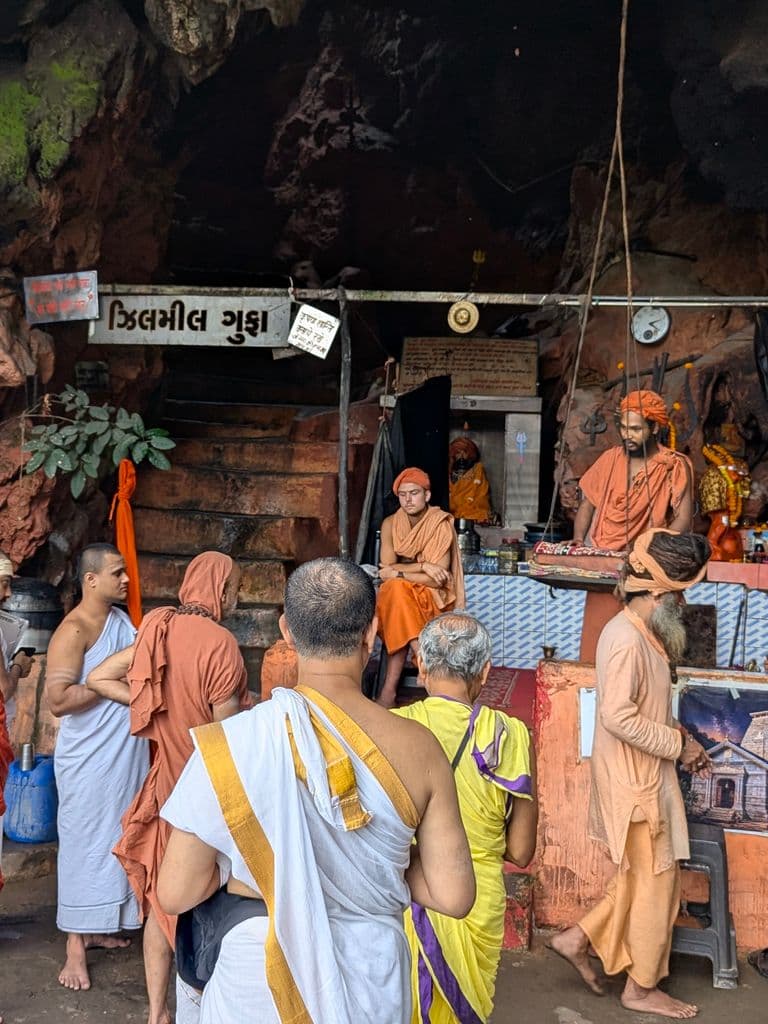
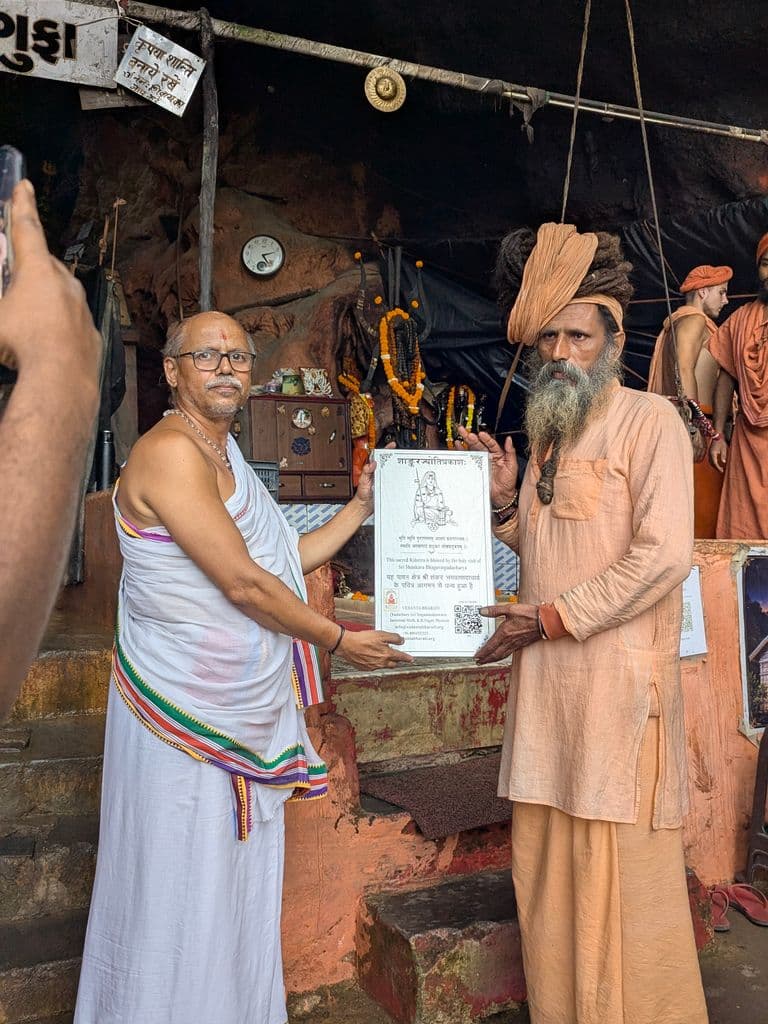
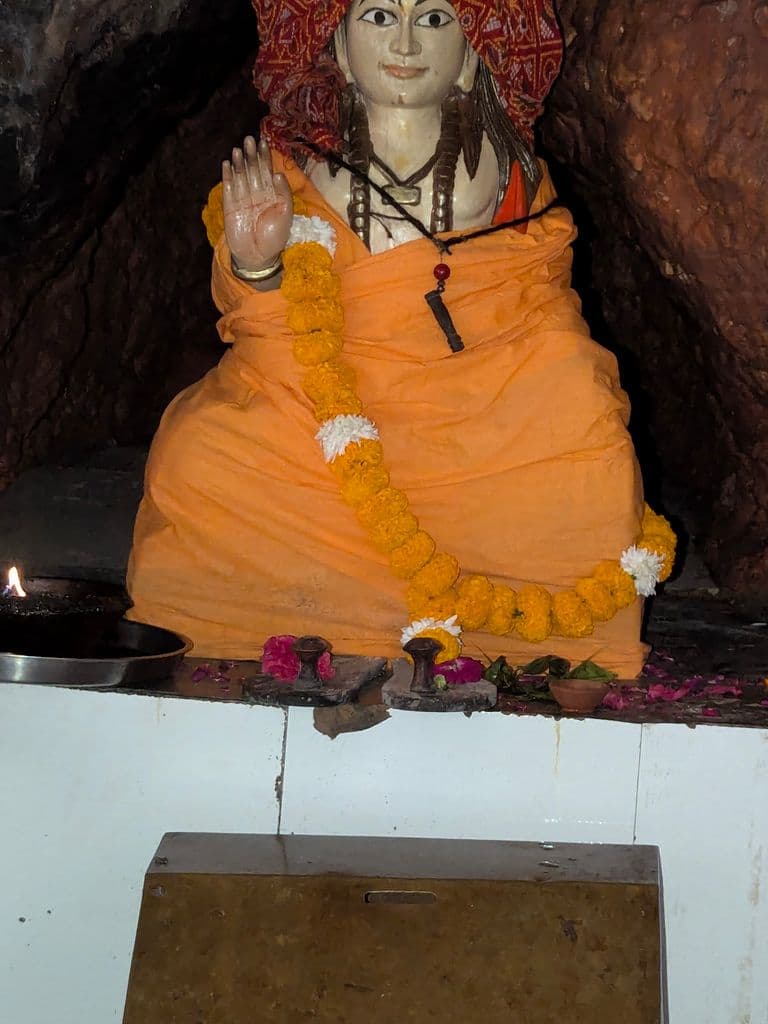
- About 3–4 kilometres from Bhuvaneshwari Parvati Temple, Bhoun, deep within the forested slopes of Manikoot Parvat, lies Jhilmil Gufa, a natural cave traditionally associated with Ādi Śaṅkarācārya. The cave is today under the care of the Nath Sampradāya and is remembered as the place where Śaṅkarācārya stayed during his visit to this sacred region.
- According to the tradition preserved at the kṣetra, he arrived here on Mārgaśīrṣa Śuddha Pratipadā, 613 CE, and stayed through the night and the following day. From the cave, the Bhuvaneshwari Parvati Temple, Bhoun is visible across the valley, with its Gopura forming a striking visual connection between the two sacred spaces. It is said that Śaṅkarācārya chose this secluded place not merely as a shelter for the night, but as a centre from which to engage with the people of the surrounding mountain region.
- The tradition recalls that, in that period, the region had come under the influence of several practices and currents that had moved away from the Vaidika śāstric way of life.
- Adi Śaṅkarācārya spent his time here engaging with the local mountain communities and explaining the deeper purpose and benefits of the Vaidika way of living. Before departing, he invited the people to assemble at the Bhuvaneshwari Devi Temple the following morning. The account remembers that more than 16,000 people gathered at the temple. At that moment, those assembled at the Devi shrine are said to have witnessed a remarkable prakāśa—a radiant beam of light—emanating in the direction of Jhilmil Gufa, where Adi Śaṅkarācārya had stayed the previous night. Taking this as a divine indication, the assembled people bowed before Śaṅkarācārya and solemnly resolved to return to and follow the Vaidika Sanmārga.
- Thus, in the living memory of the kṣetra, Jhilmil Gufa is not merely the place where Śaṅkarācārya stayed; it marks a moment of anugraha, awakening and restoration of the Vaidika tradition in the mountain region.
The above findings are based on local recitations and living traditions, as well as inscriptions and markers observed at the site, supported by available historical references, certain scientific observations, and guidance from the Shastras. As our understanding continues to evolve, we will update this account from time to time as additional insights and information emerge from local communities and further study.
Do you have more information about this location, or any questions or feedback?
✉ Write to UsPhotos