West Bengal
Śāṅkara Jyoti Prakāśa · शाङ्कर ज्योति प्रकाश
Jalpeshwar Mahadev Mandir - Jalpaiguri
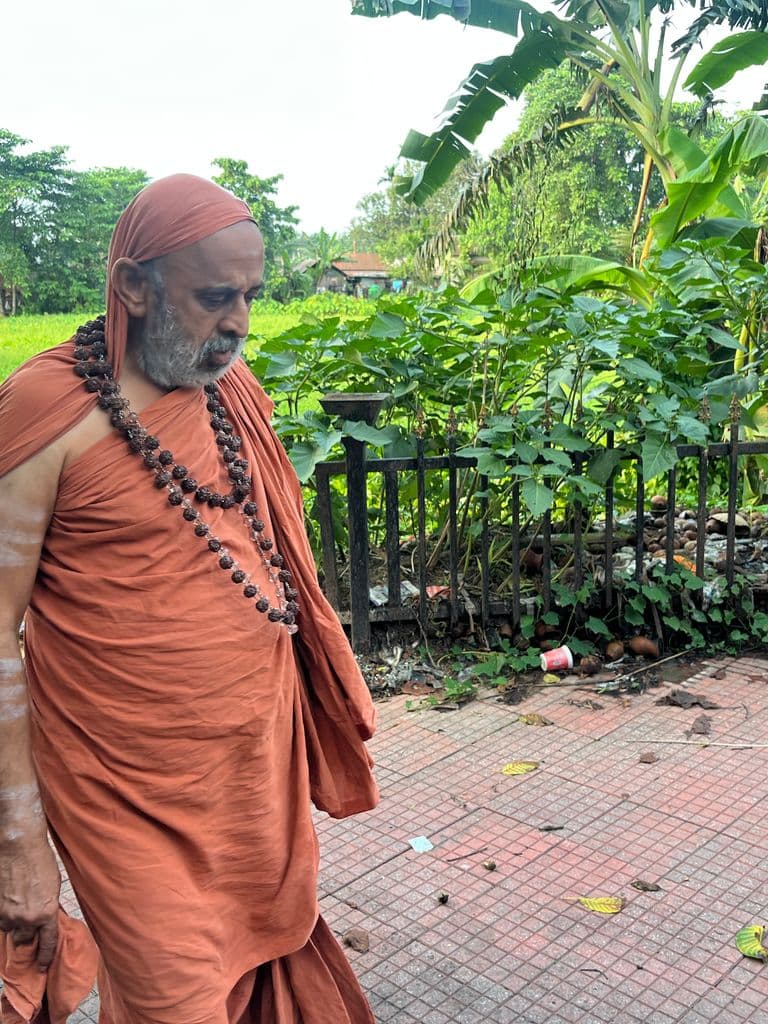
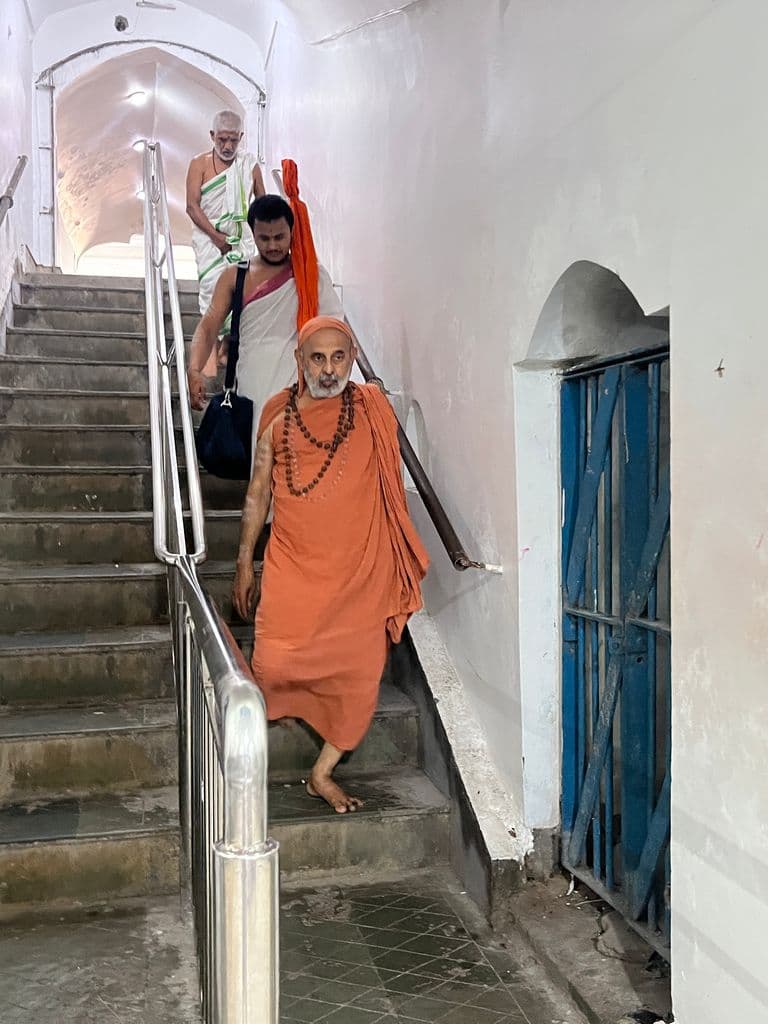
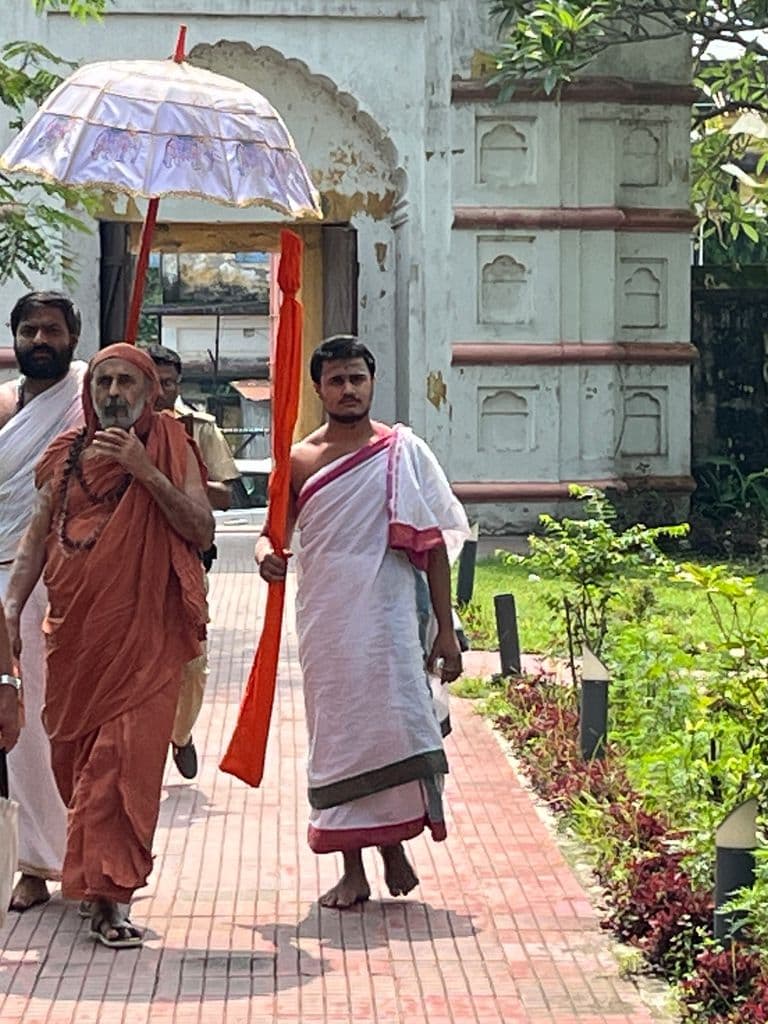
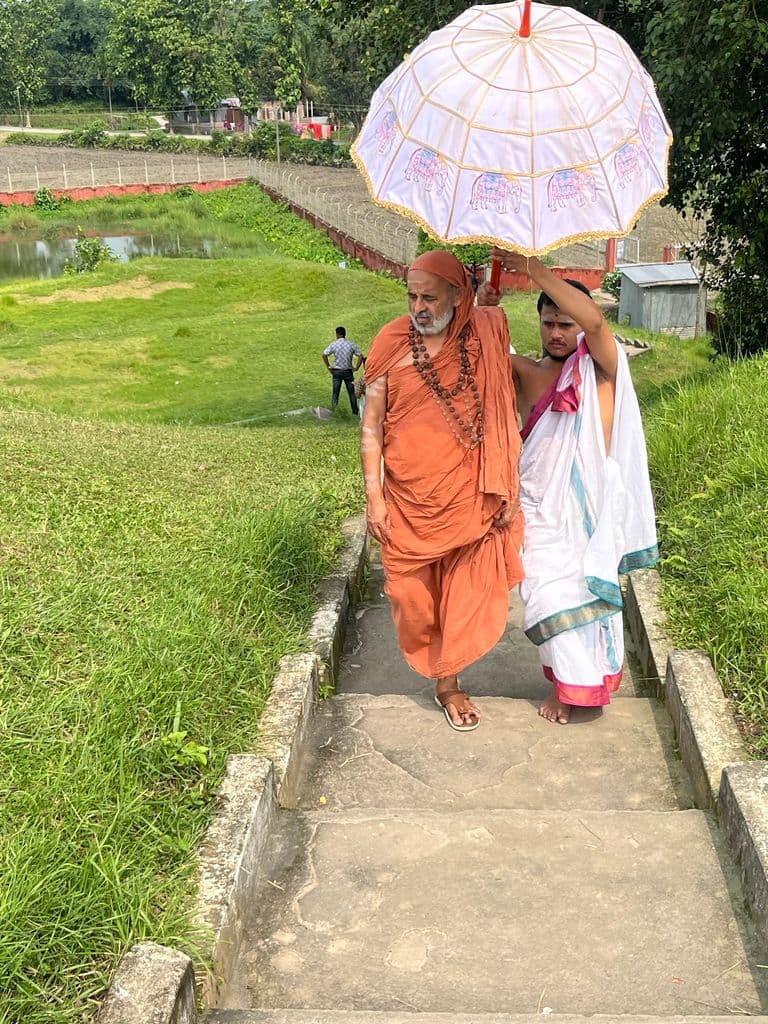
Visited 30 June 2026 during the 2026 Sampoorna Bharata Yatra.
Adi Shankaracharya's Visit
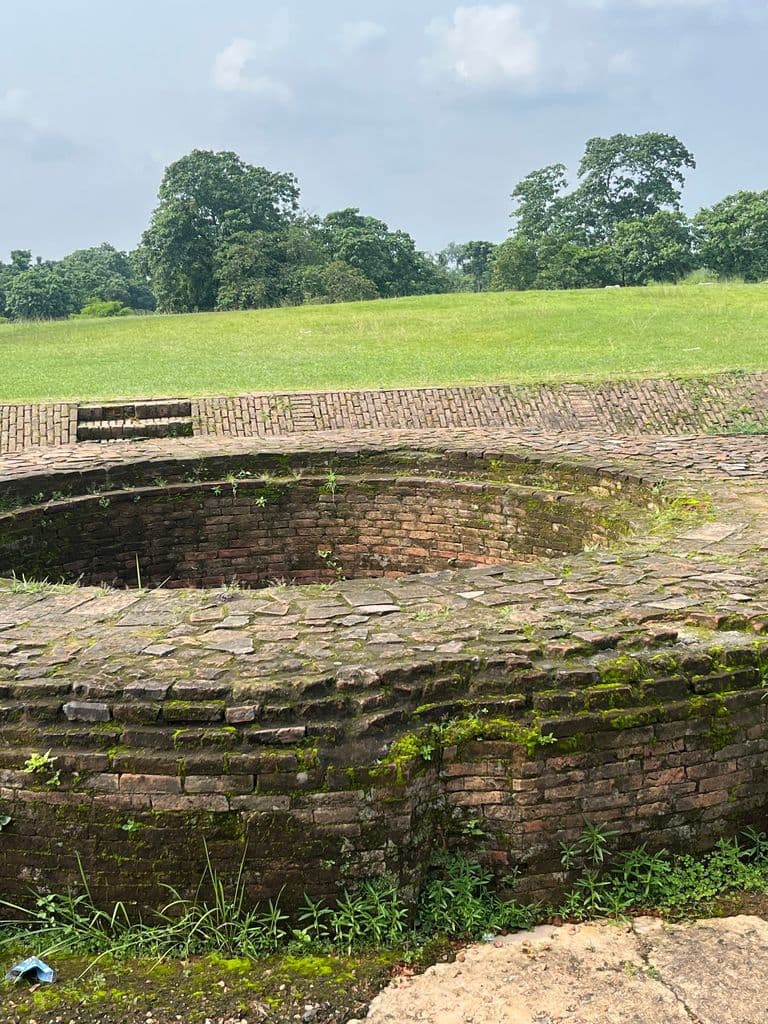
- Situated near Maynaguri in the Jalpaiguri district of West Bengal, the Jalpeshwar Mahadev Temple is one of the most revered Śaiva kṣetras of eastern India. Dedicated to Lord Jalpeshwar Mahadev, the temple has been a prominent centre of Shiva worship for centuries, attracting thousands of devotees throughout the year, particularly during Mahāśivarātri and the Śrāvaṇa Mela
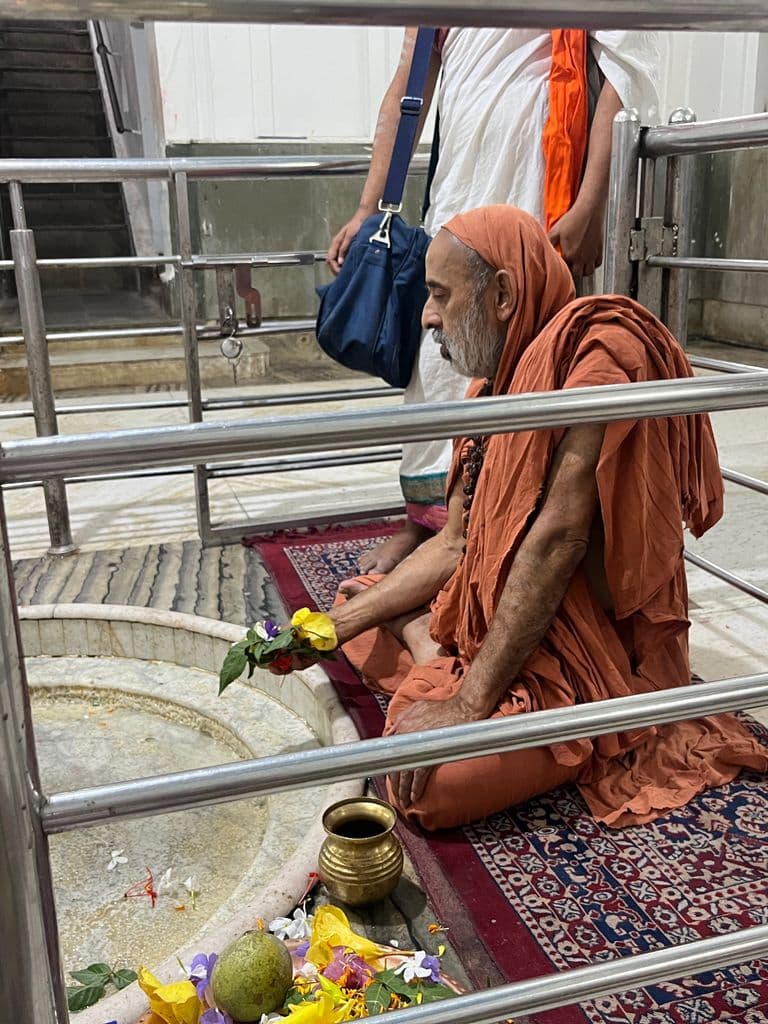
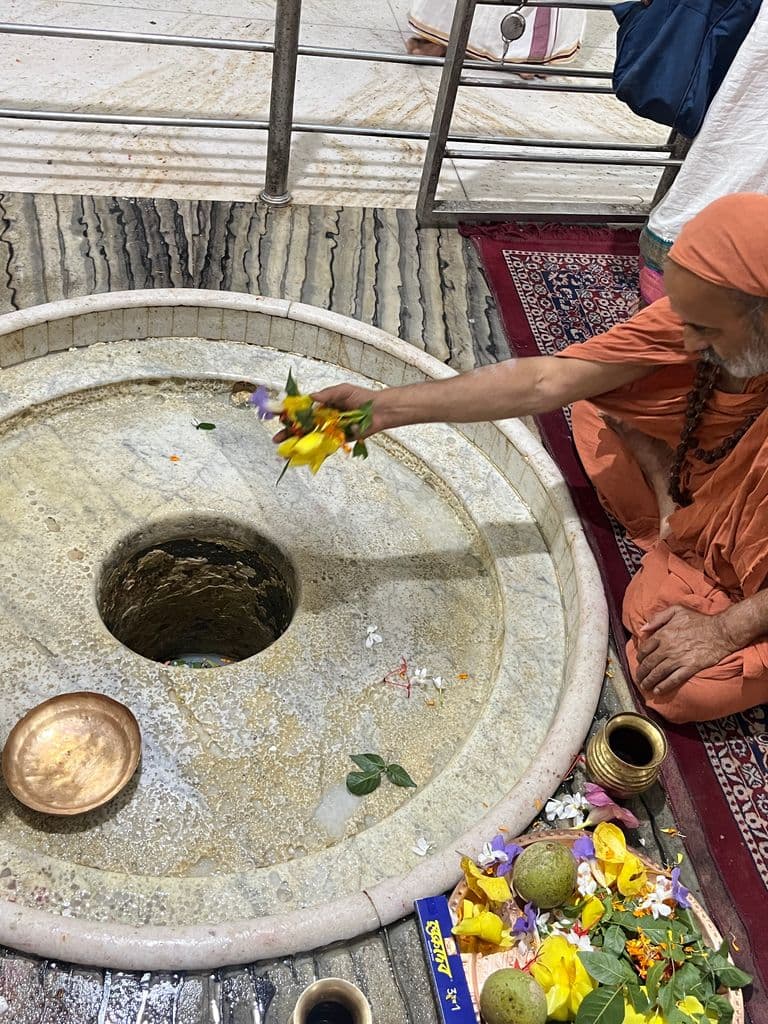
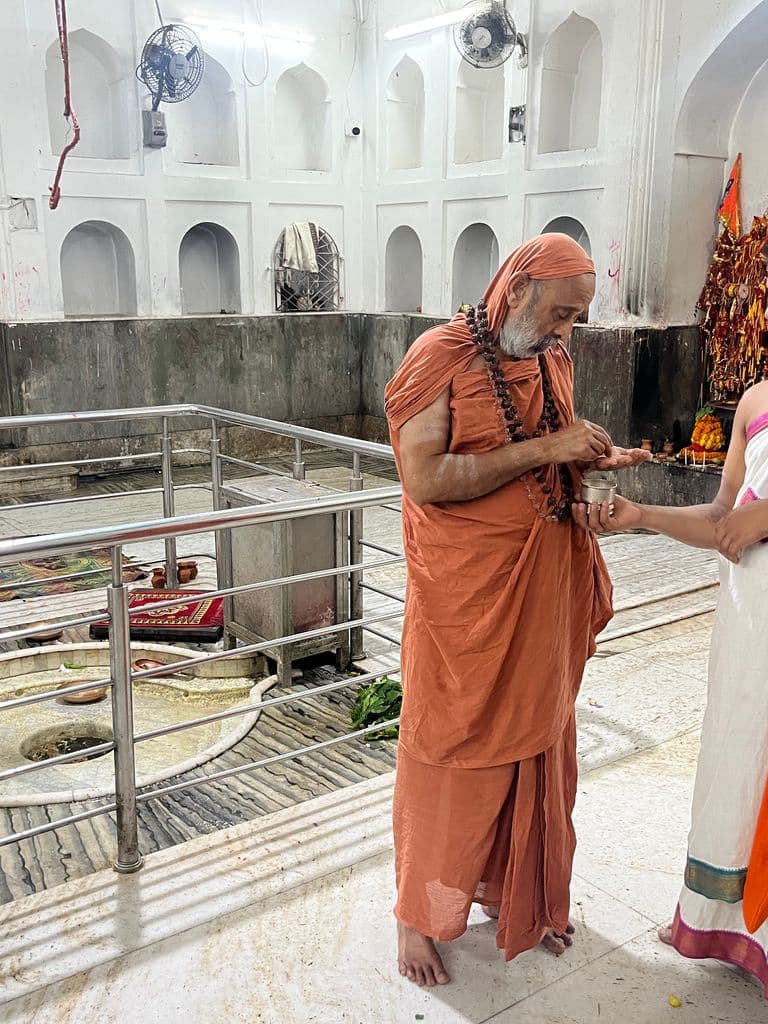
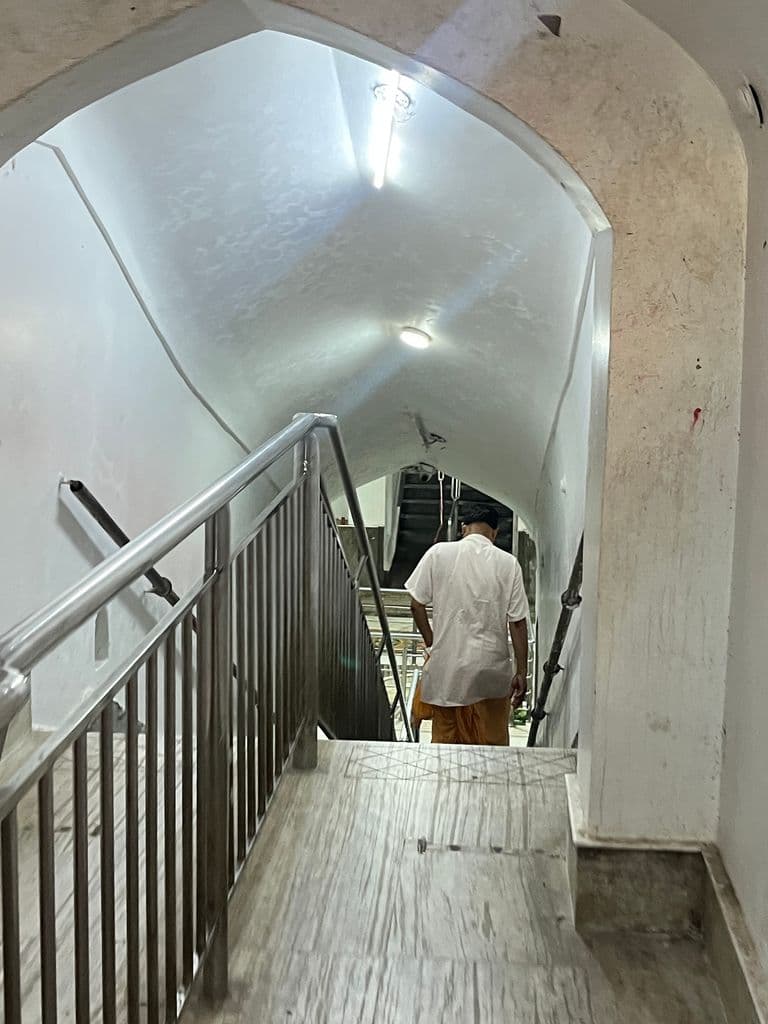
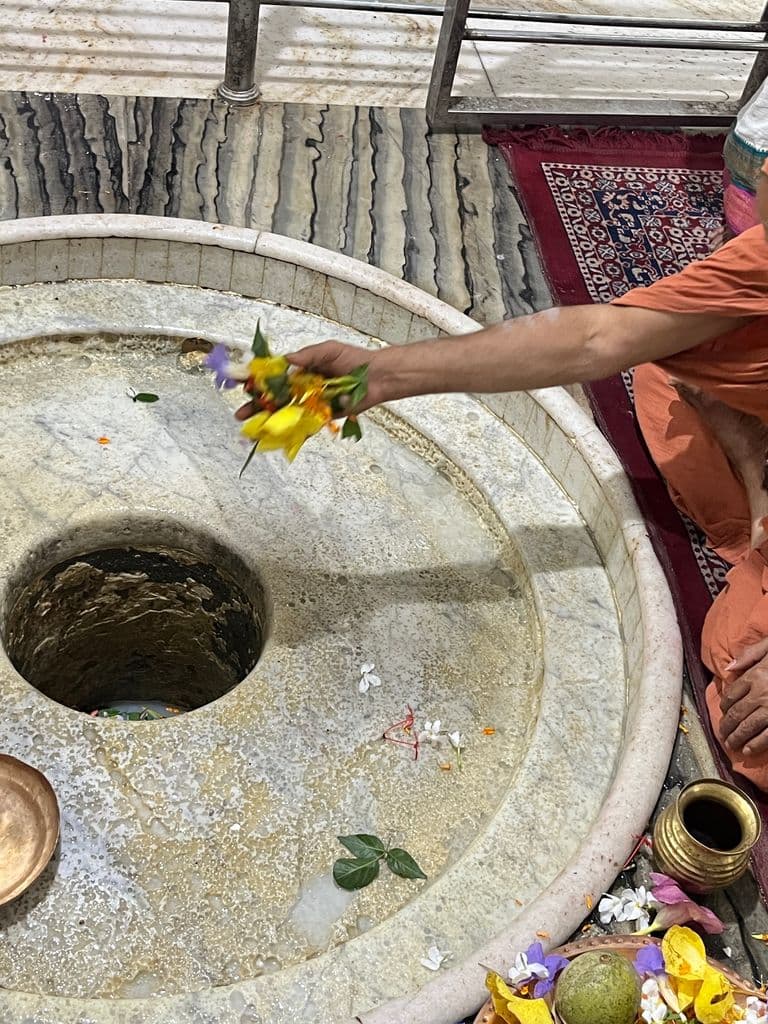
- At the heart of the temple is the sacred Īśwara Liṅga, traditionally associated with the visit of Bhagavatpāda Ādi Śaṅkarācārya during his Digvijaya across the eastern frontiers of Bhārata. The Liṅga is enshrined below ground level and is accompanied by a unique Somasūtra leading to a natural receptacle (Haunda) , while a perennial underground water source performs a continuous abhiṣeka to the Liṅga. Local traditions and Shastras revere this sacred arrangement as having received the Viśeṣa Anugraha of Bhagavatpāda. The uninterrupted flow of water and the natural abhiṣeka continue to make the shrine one of the most spiritually significant Śaiva kṣetras of the region.
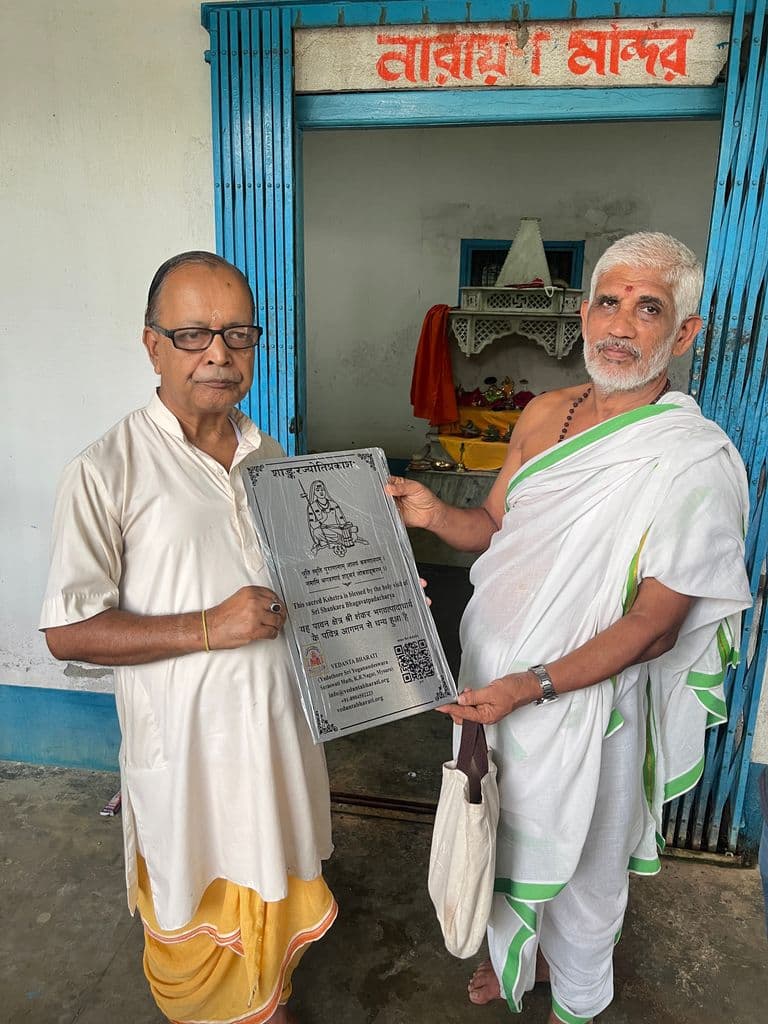
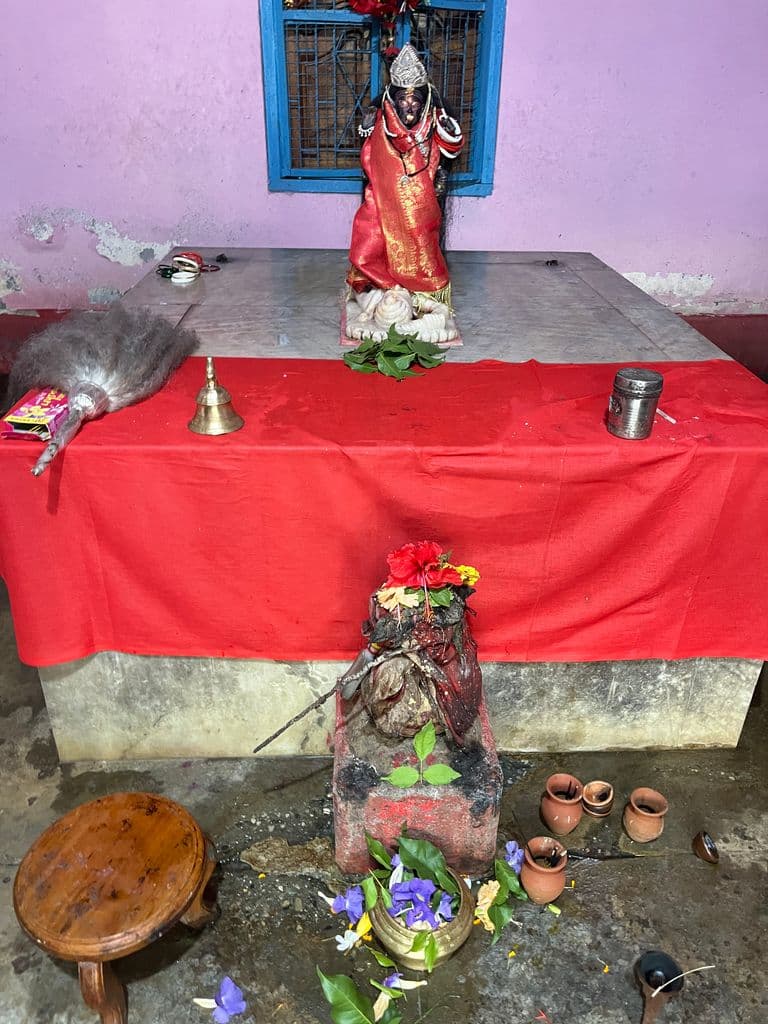
- The temple complex also houses shrines dedicated to the Divine Mother and Lord Narayana, reflecting the harmonious coexistence of the Śaiva, Śākta, and Vaiṣṇava traditions. Another revered Īśwara Liṅga within the complex, together with the shrines of the Goddess and Lord Narayana, is traditionally believed to have received the Anugraha of Bhagavatpāda Ādi Śaṅkarācārya, preserving the spiritual legacy of his visit and his vision of the essential unity of Sanātana Dharma.
- Today, Jalpeshwar Mahadev Temple stands as one of the foremost Śaiva kṣetras of eastern Bhārata. The kṣetra represents the continuity of Śaiva worship, the harmonious integration of the Śaiva, Śākta, and Vaiṣṇava traditions, and Bhagavatpāda's enduring mission to uphold Sanātana Dharma across the sacred landscape of northern Bengal.
The above findings are based on local recitations and living traditions, as well as inscriptions and markers observed at the site, supported by available historical references, certain scientific observations, and guidance from the Shastras. As our understanding continues to evolve, we will update this account from time to time as additional insights and information emerge from local communities and further study.
Do you have more information about this location, or any questions or feedback?
✉ Write to UsPhotos