Uttar Pradesh
Śāṅkara Jyoti Prakāśa · शाङ्कर ज्योति प्रकाश
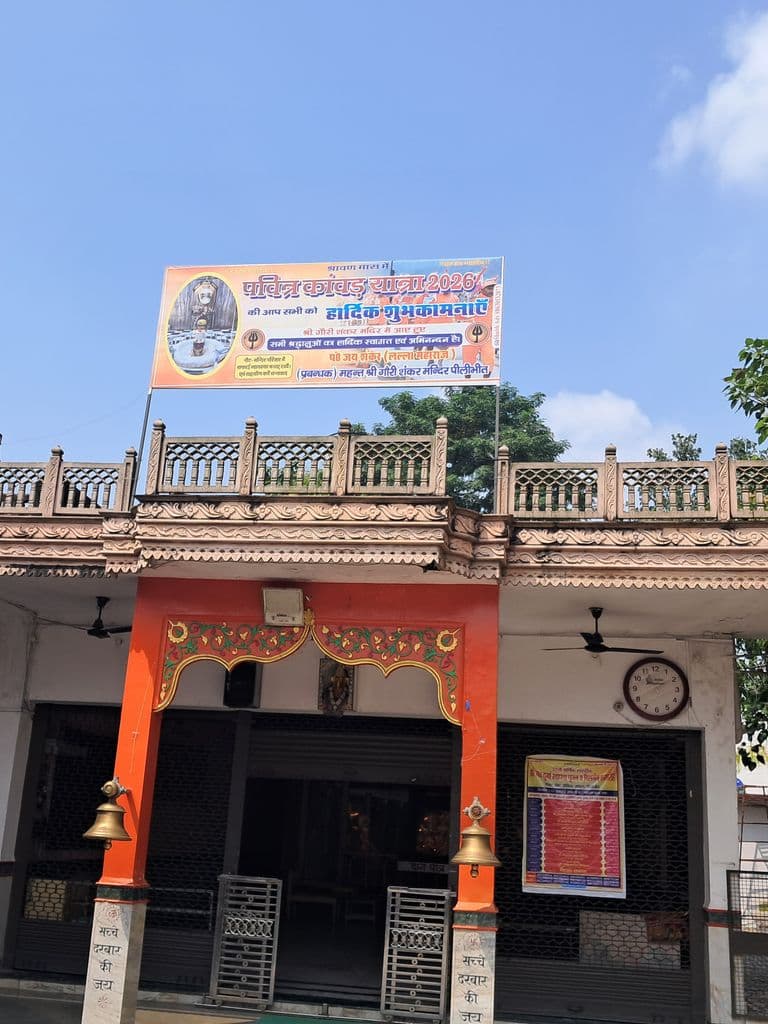
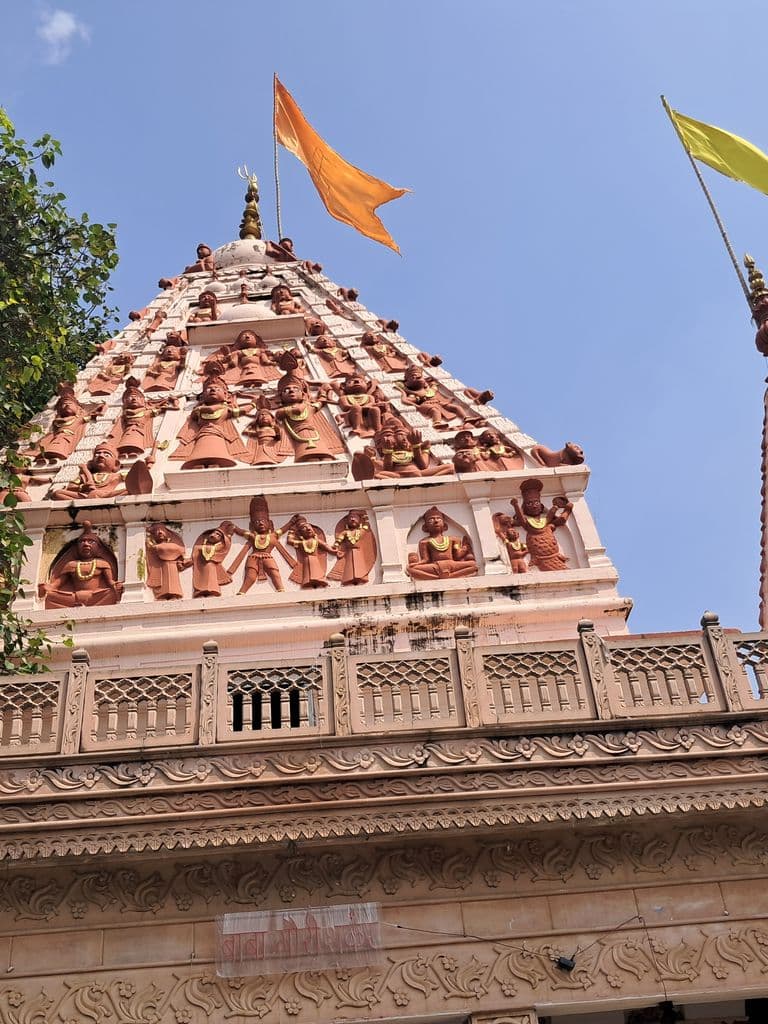
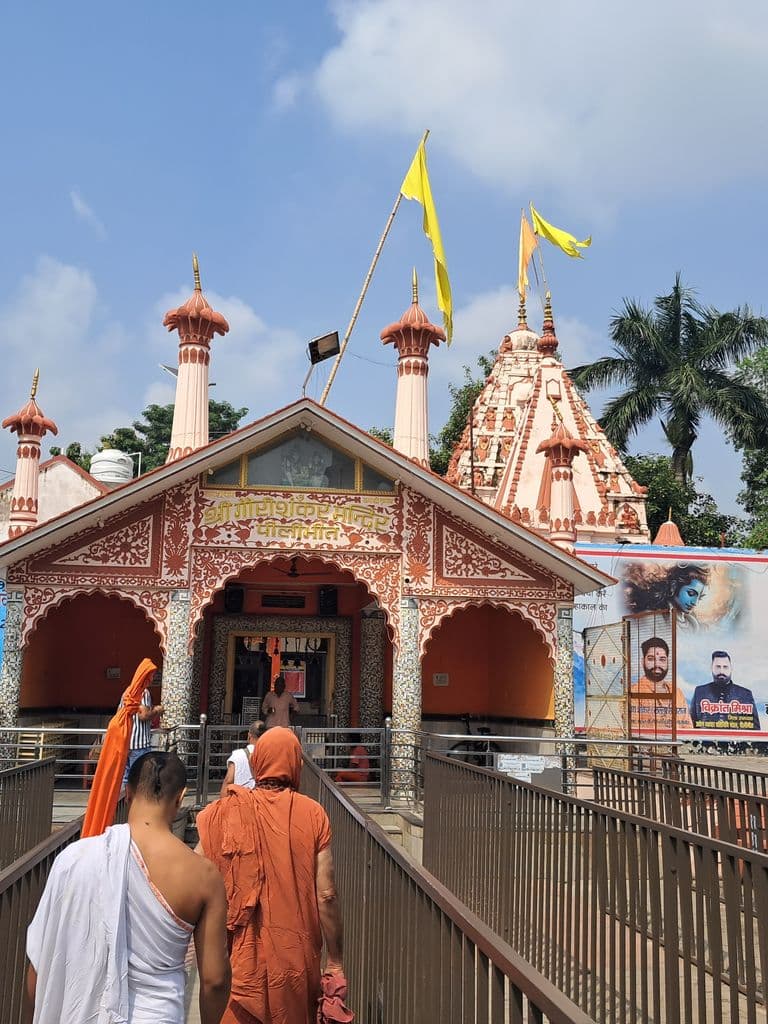
Gauri Shankar Mandir - Pilibhit
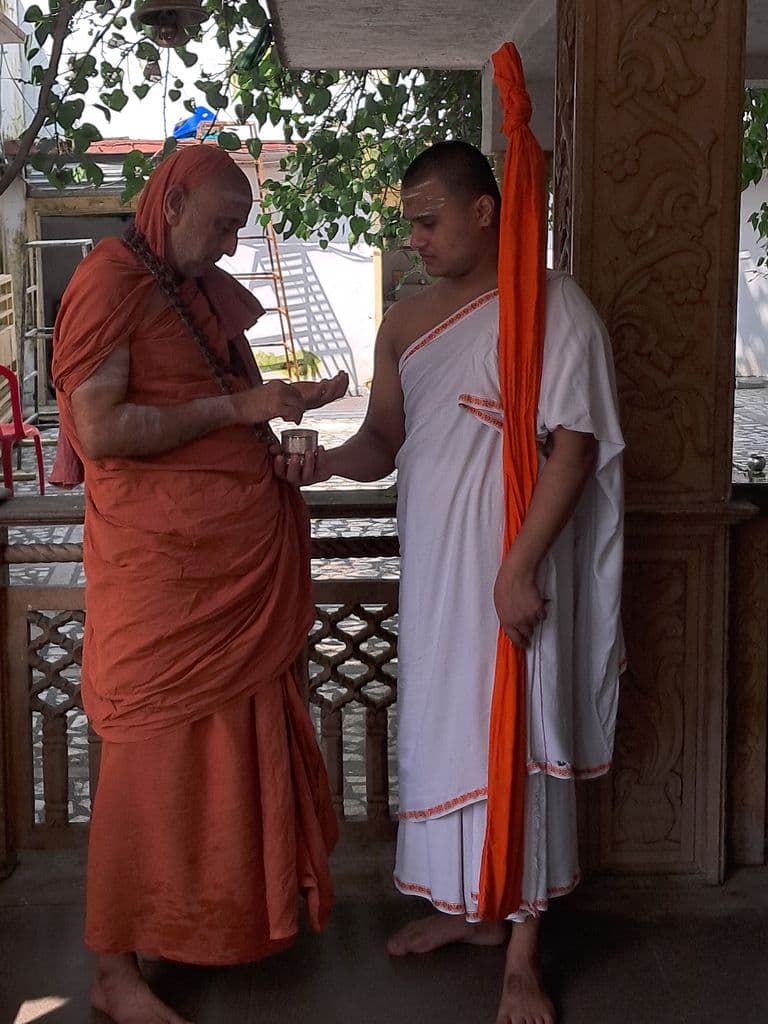
Visited 3 October 2026 during the 2026 Sampoorna Bharata Yatra.
Adi Shankaracharya's Visit
- Gauri Shankar Dhama, about an hour's drive from Bareilly, is one of the ancient Śiva kṣetras of the Pilibhit region. During the time of Ādi Śaṅkarācārya, the surrounding area is remembered as a largely forested region, inhabited by forest and tribal communities.
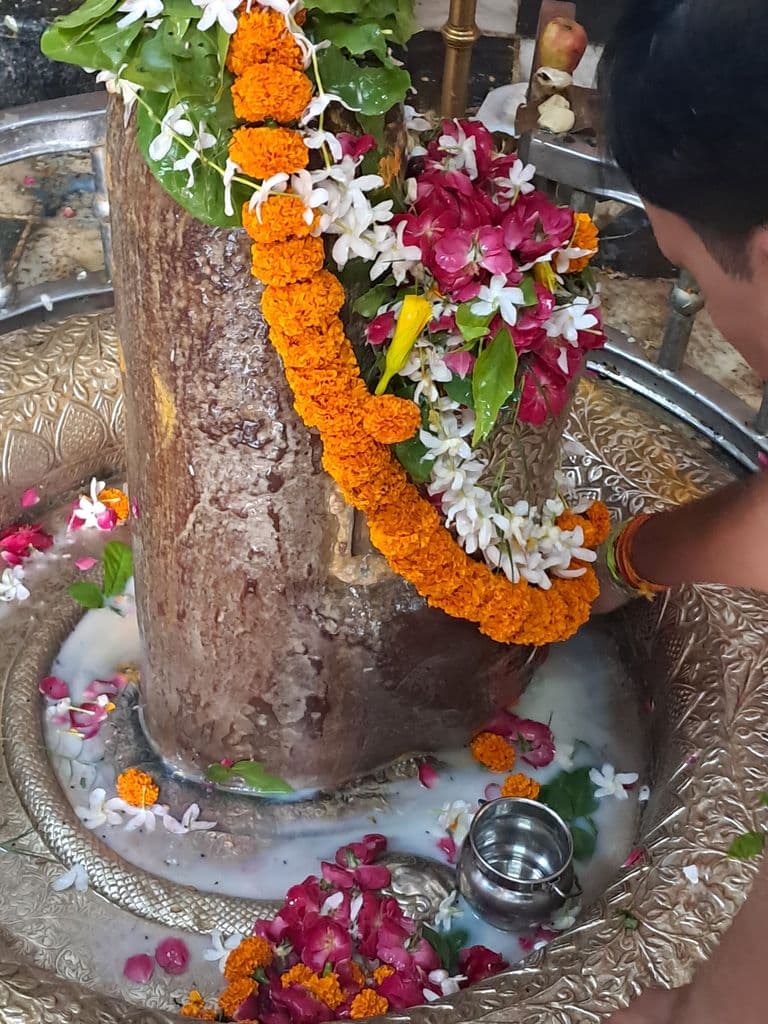
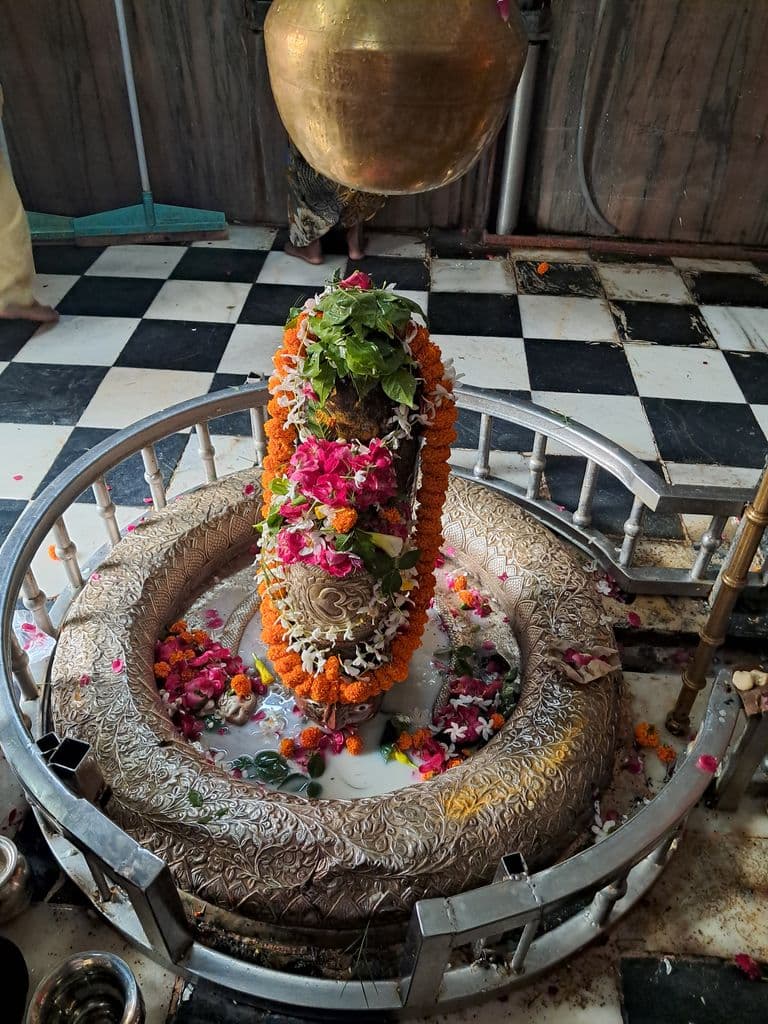
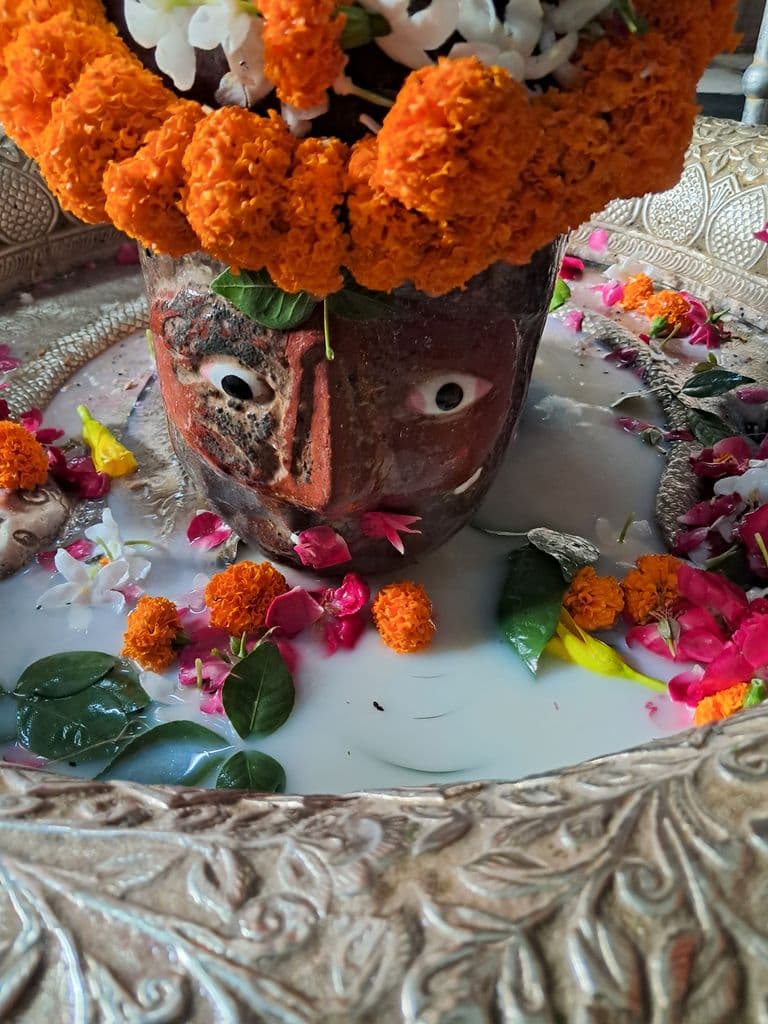
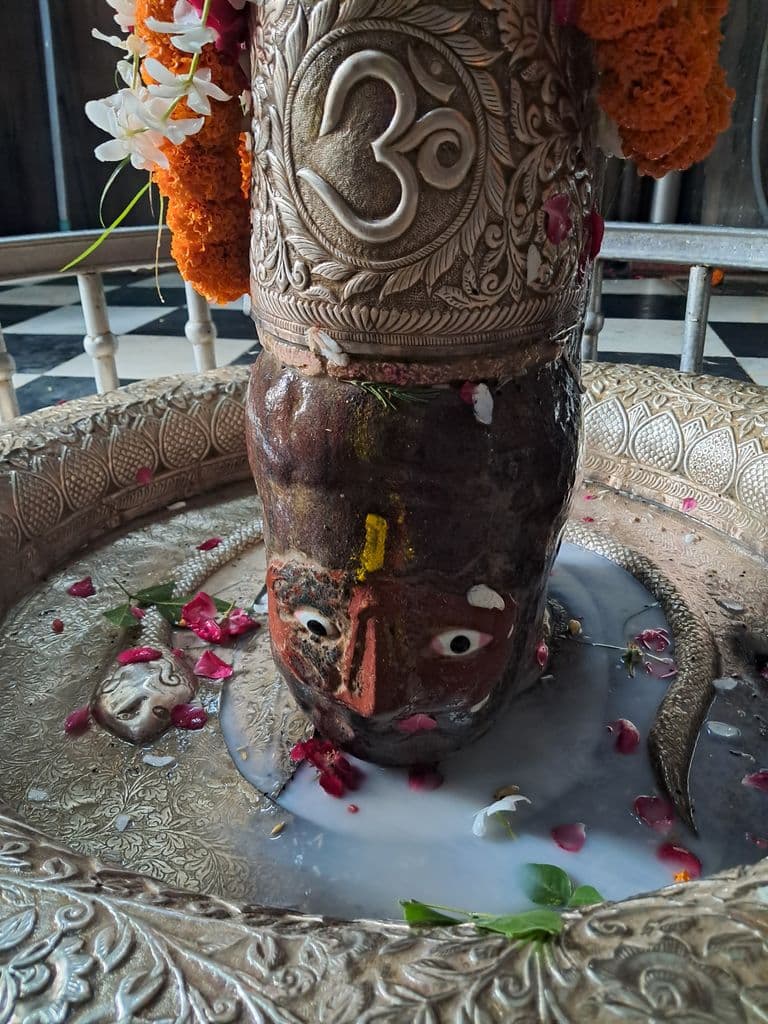
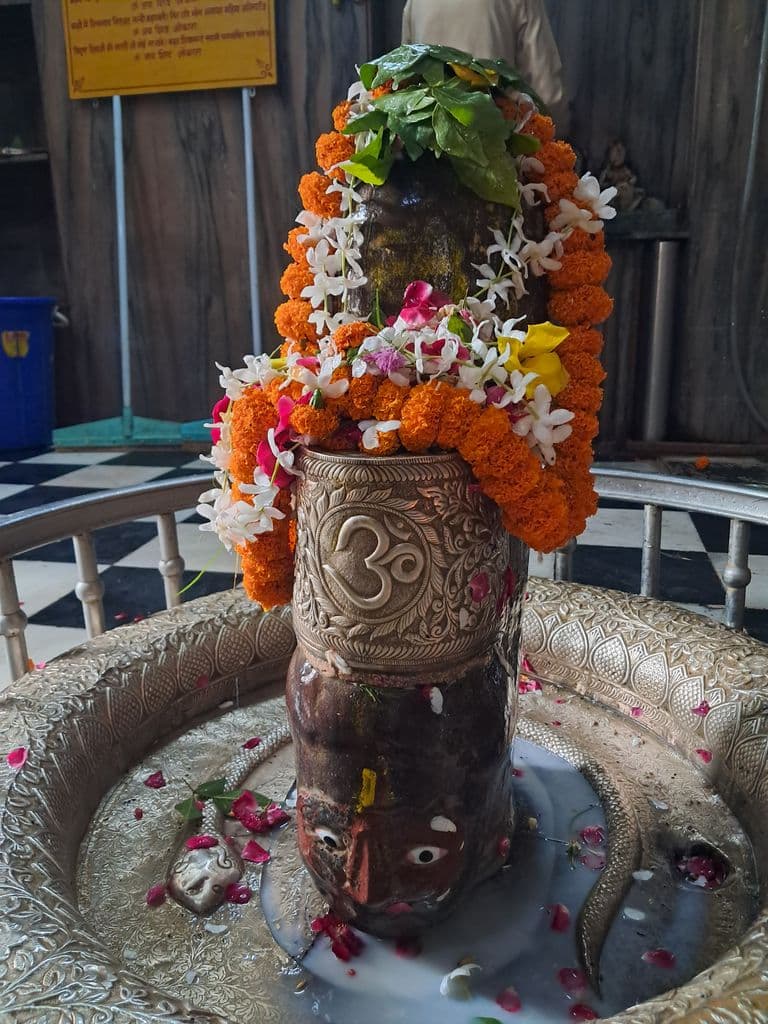
- The Gauri Shankar Liṅga is traditionally regarded as having existed here even before Ādi Śaṅkara's visit. What makes the image distinctive is the Gauri-mukha naturally integrated at the base of the Liṅga, expressing the inseparability of Gauri and Śaṅkara.
- Local recitations tell of a member of the forest community discovering the sacred form while engaged in digging and beginning its worship. The tradition further records that Ādi Śaṅkarācārya visited the kṣetra and performed archana to Gauri Shankar, recognising and strengthening the worship that had already taken root here.
- The local tradition of Ādi Śaṅkara's visit connects it with the difficult circumstances faced by the forest communities of the region. At a time when these communities are remembered as having faced social pressures and attempts to draw them away from their inherited practices, Ādi Śaṅkarācārya is said to have spent three days beneath an Aśvattha tree at this very kṣetra. He worshipped Gauri and Śaṅkara and sought the Devi's blessings for the well-being of the people.
- The tradition remembers that the difficulties affecting the community, including serious concerns surrounding the health of its younger members, gradually eased, strengthening the people's faith in the Vaidika way of life. The community thereafter sought Ādi Śaṅkarācārya's guidance and embraced the Vaidika dharma.
- Gauri Shankar Dhama thus remains in the living memory of the region as a place where Śaṅkara's anugraha, the worship of Gauri–Śaṅkara and the restoration of Vaidika practice came together in the midst of a forest community.
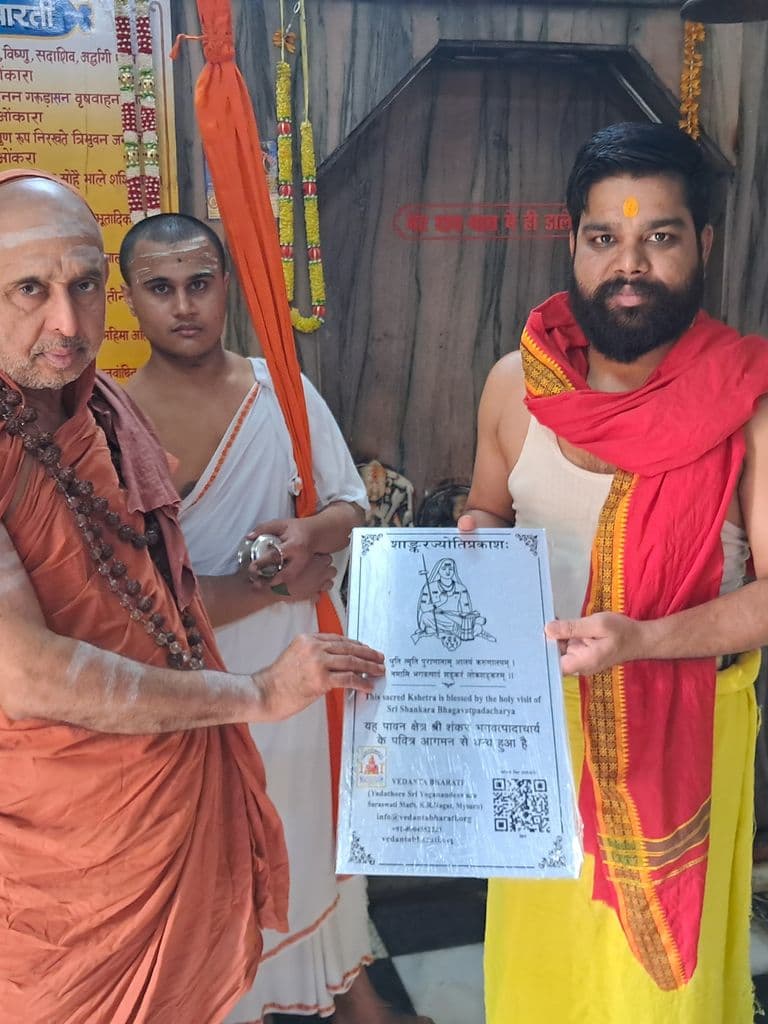
The above findings are based on local recitations and living traditions, as well as inscriptions and markers observed at the site, supported by available historical references, certain scientific observations, and guidance from the Shastras. As our understanding continues to evolve, we will update this account from time to time as additional insights and information emerge from local communities and further study.
Do you have more information about this location, or any questions or feedback?
✉ Write to UsPhotos