Punjab
Śāṅkara Jyoti Prakāśa · शाङ्कर ज्योति प्रकाश
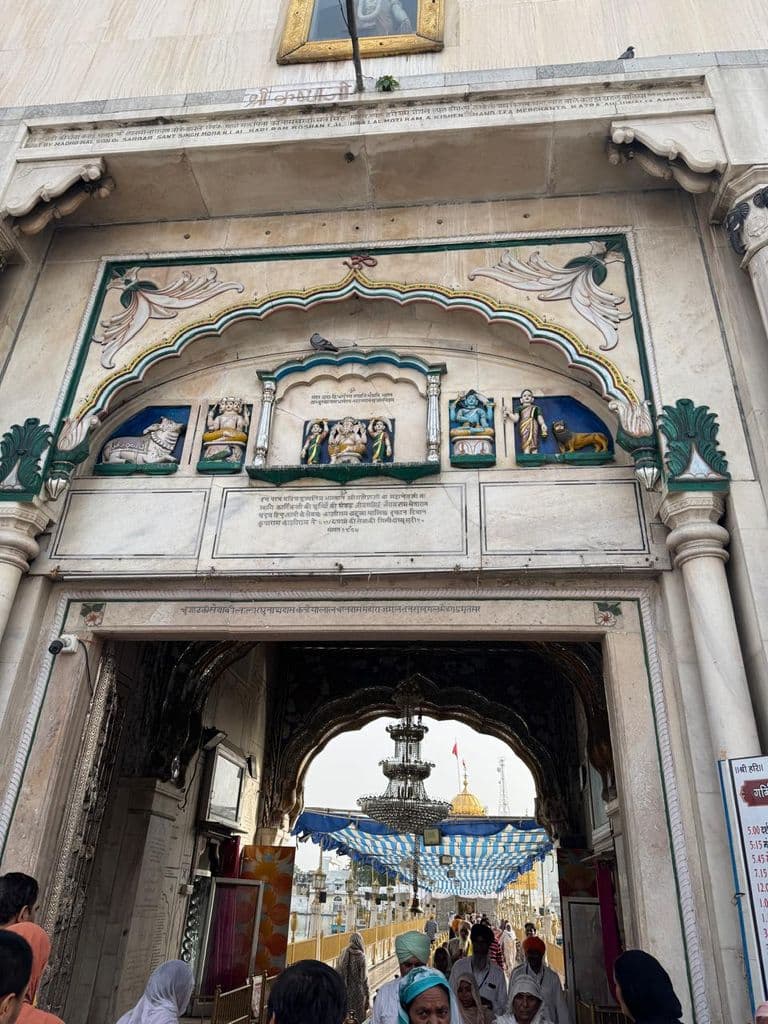
Durgiana Mandir - Amritsar
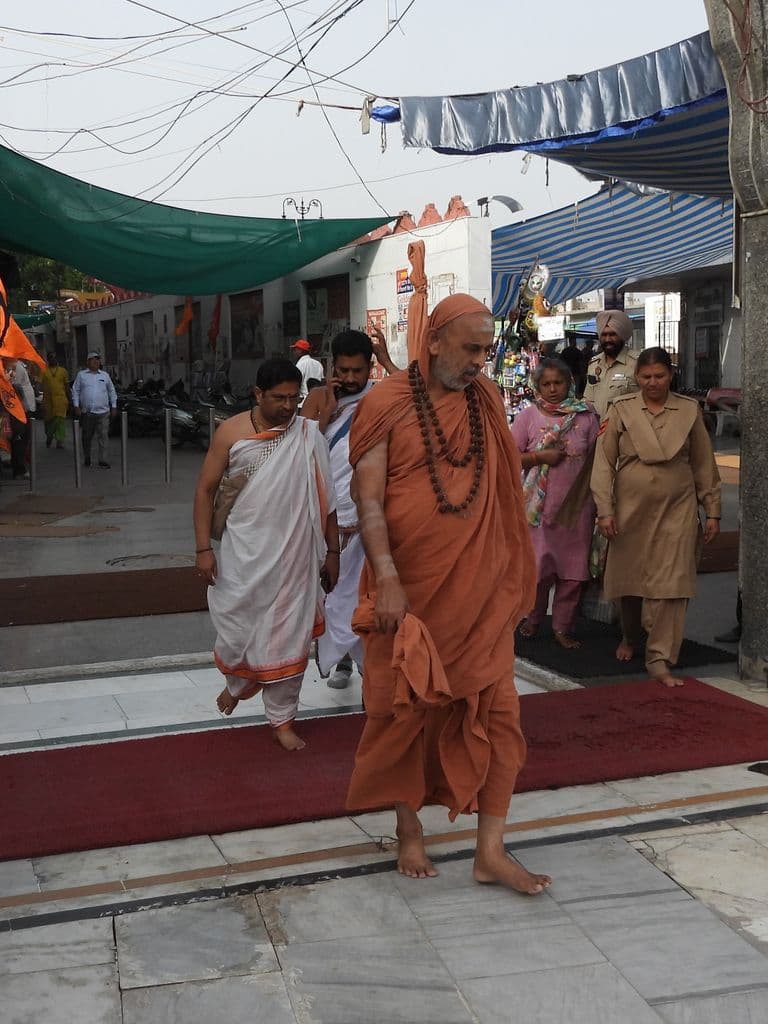
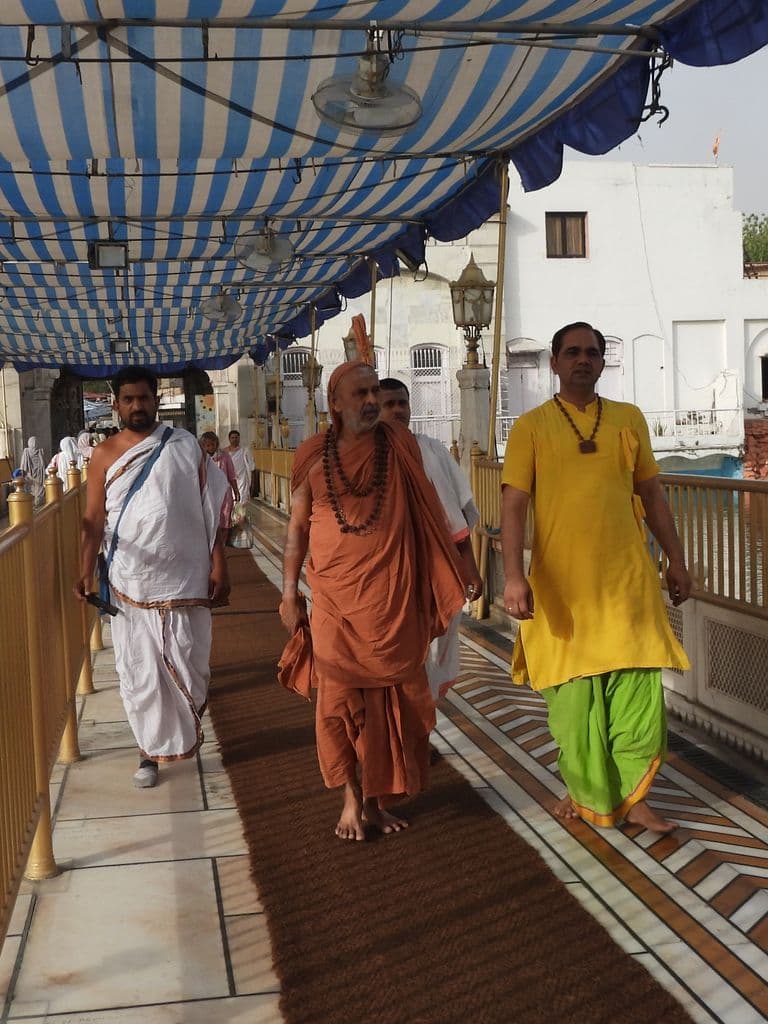
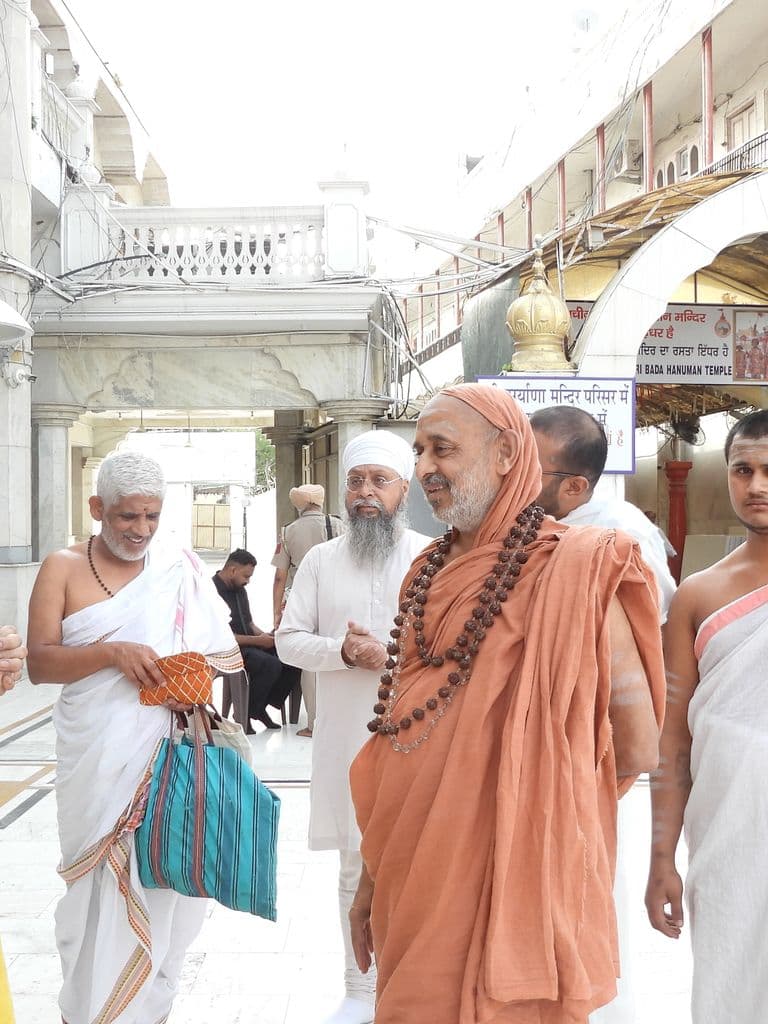
Visited 22 May 2026 during the 2026 Sampoorna Bharata Yatra.
Adi Shankaracharya's Visit
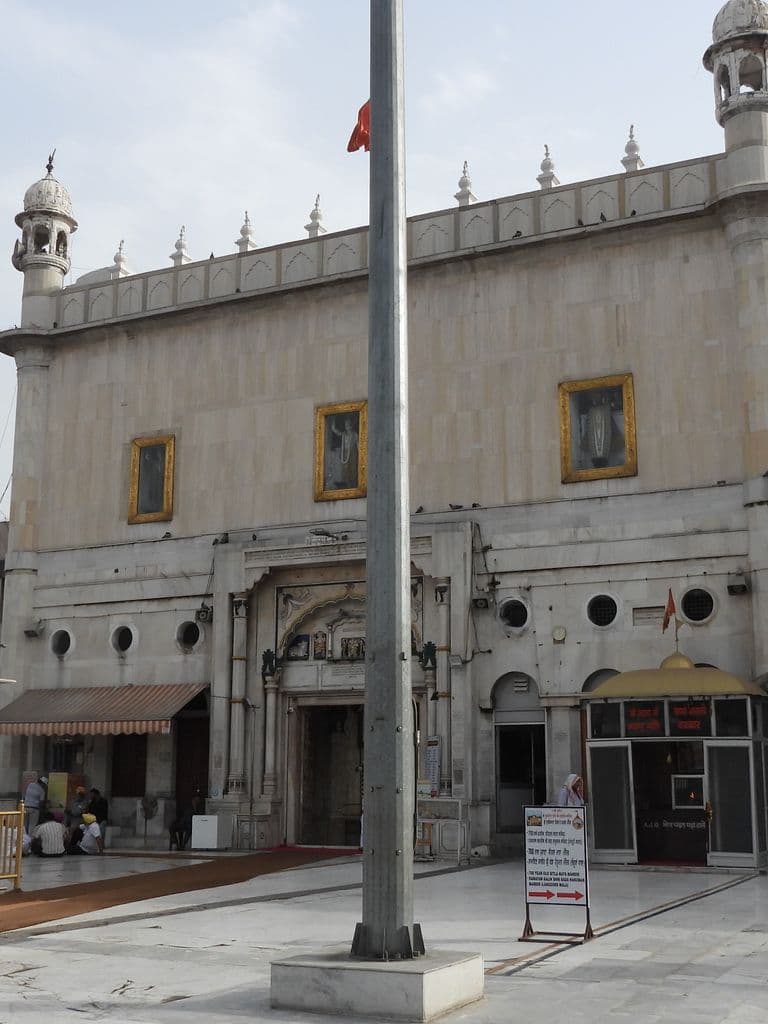
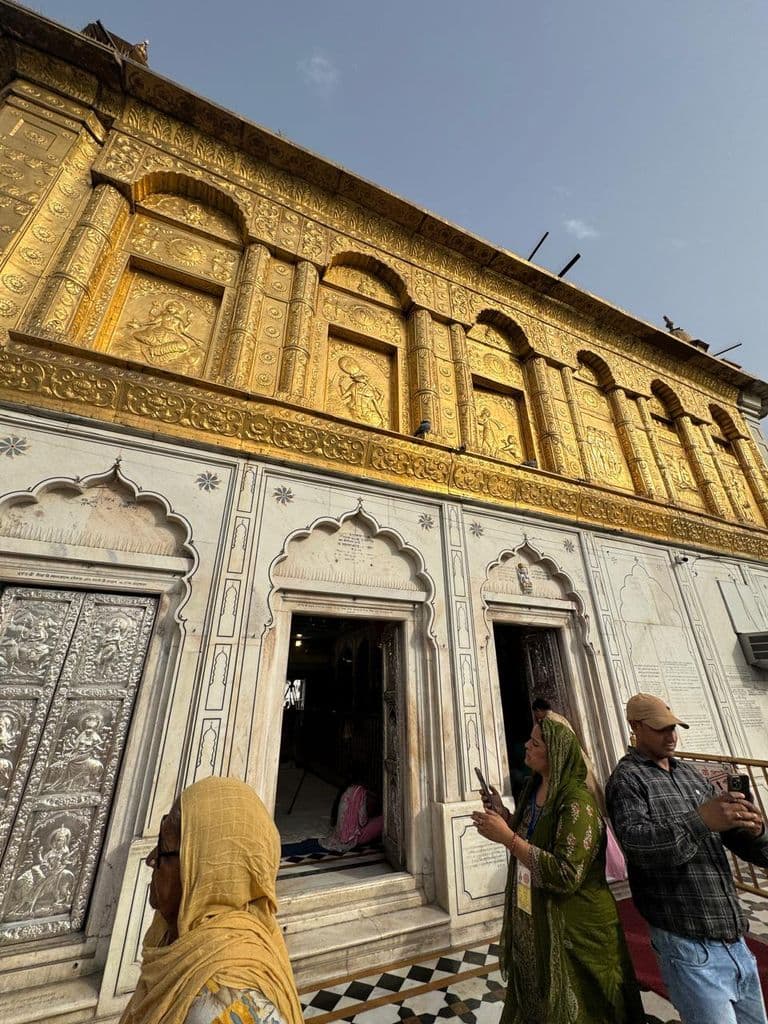
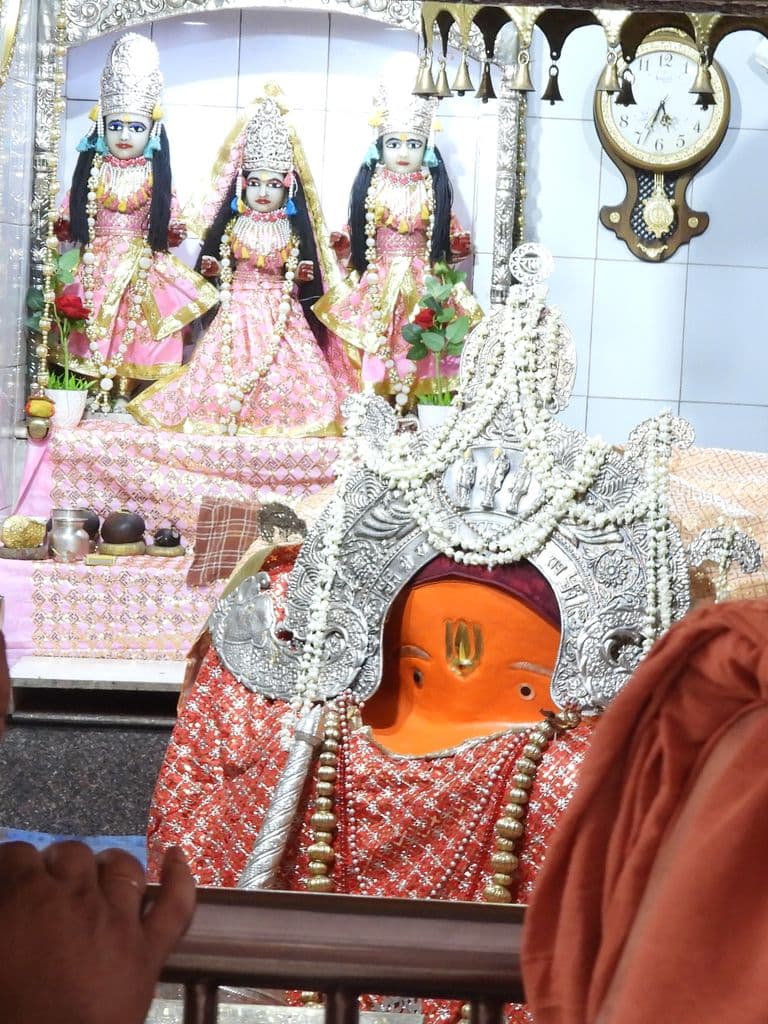
- Durgiana Temple is one of the most prominent Devi temples of Punjab and an important center of Devi worship. The temple is dedicated primarily to Maa Durga and forms a major devotional center for Devi Upāsana in the Punjab region. The shrine is popularly known as “Durgiana Mandir,” deriving its name from Devi Durga and reflecting its identity as a sacred Devi kṣetra.
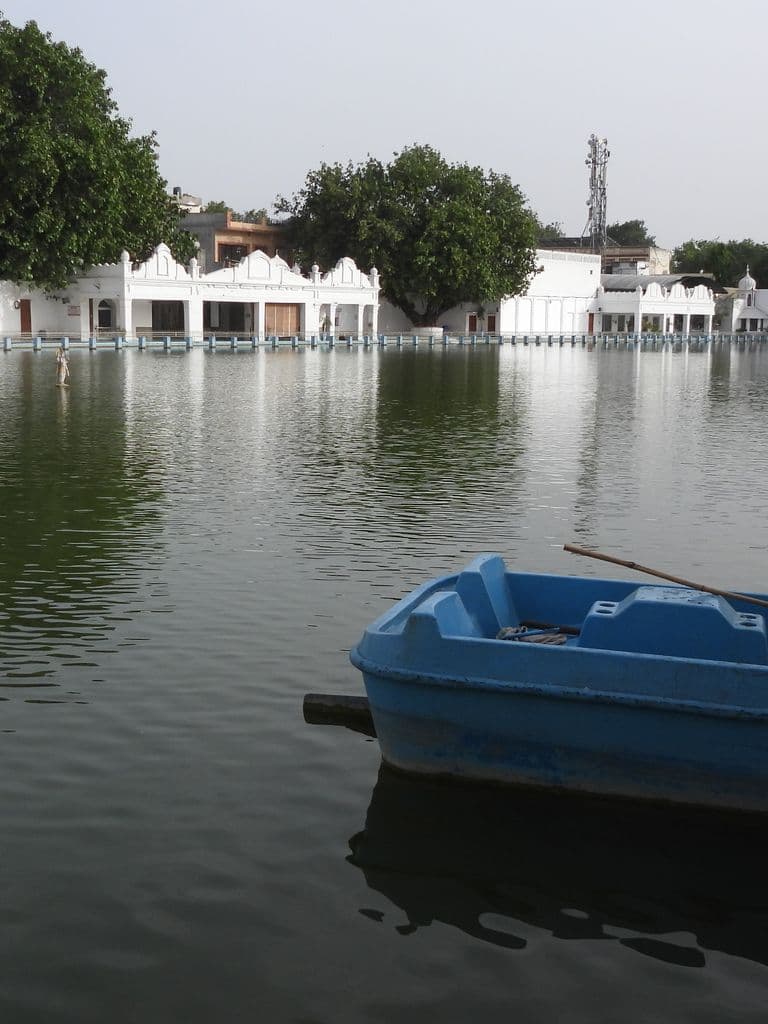
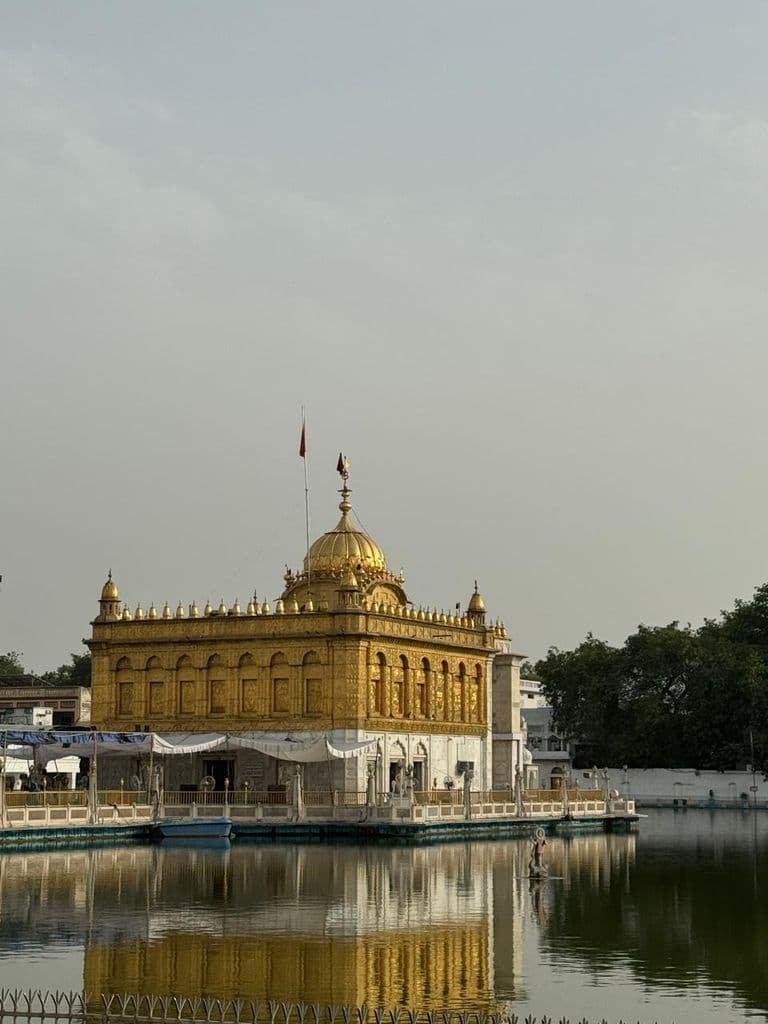
- The temple complex is built amidst a sacred sarovar, and its architectural setting reflects the northwestern sacred tradition of temples surrounded by water. The presently visible structure includes multiple later renovations and reconstructions, especially from the early 20th century onward.
- Local oral tradition, however, maintains that the sacred kṣetra itself is far older, with some custodians and devotees regarding the site as nearly 1500 years old.The temple complex contains shrines dedicated to:
- Durga Devi,
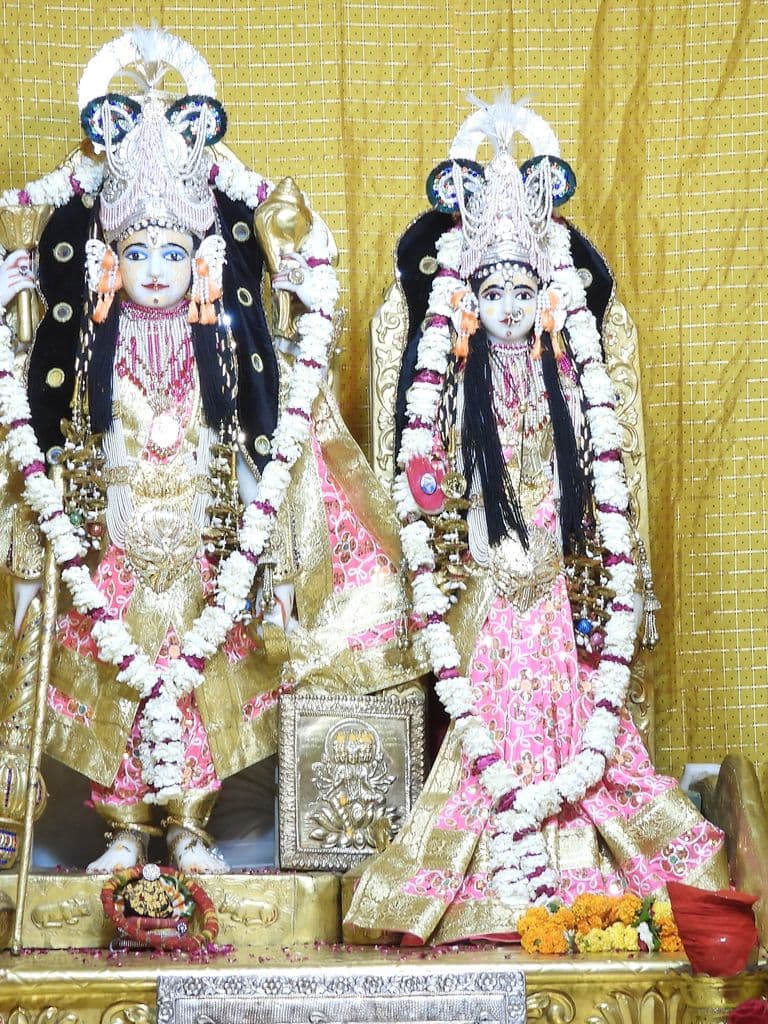
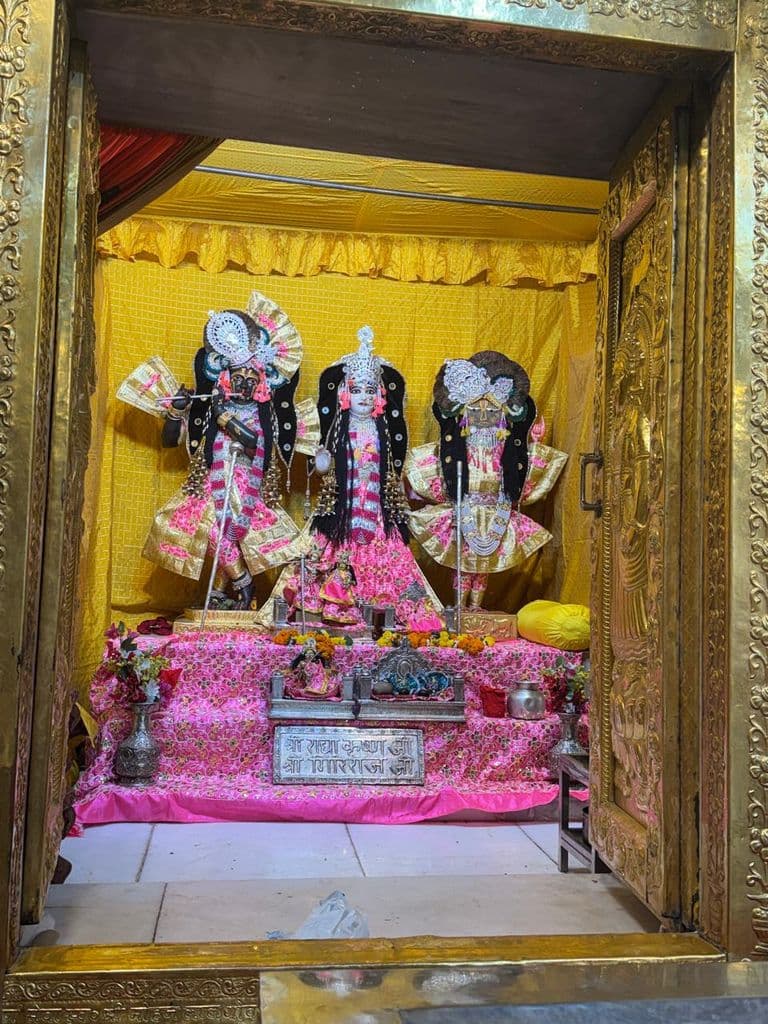
- Lakshmi Narayana,
- Sheetala Mata,
- Hanuman,
- Bhadrakali,
- and associated Parivara Devatas.
- The Lakshmi Narayana shrine and associated Parivara structures appear comparatively recent in construction when compared with the older sacred core associated with Devi worship.
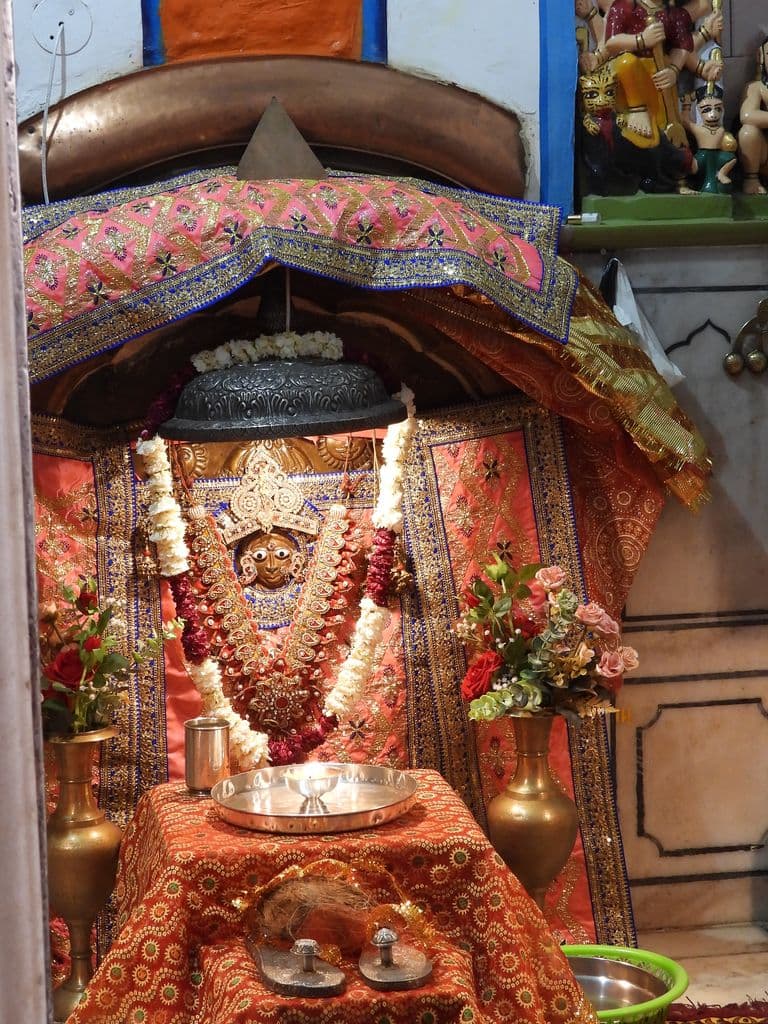
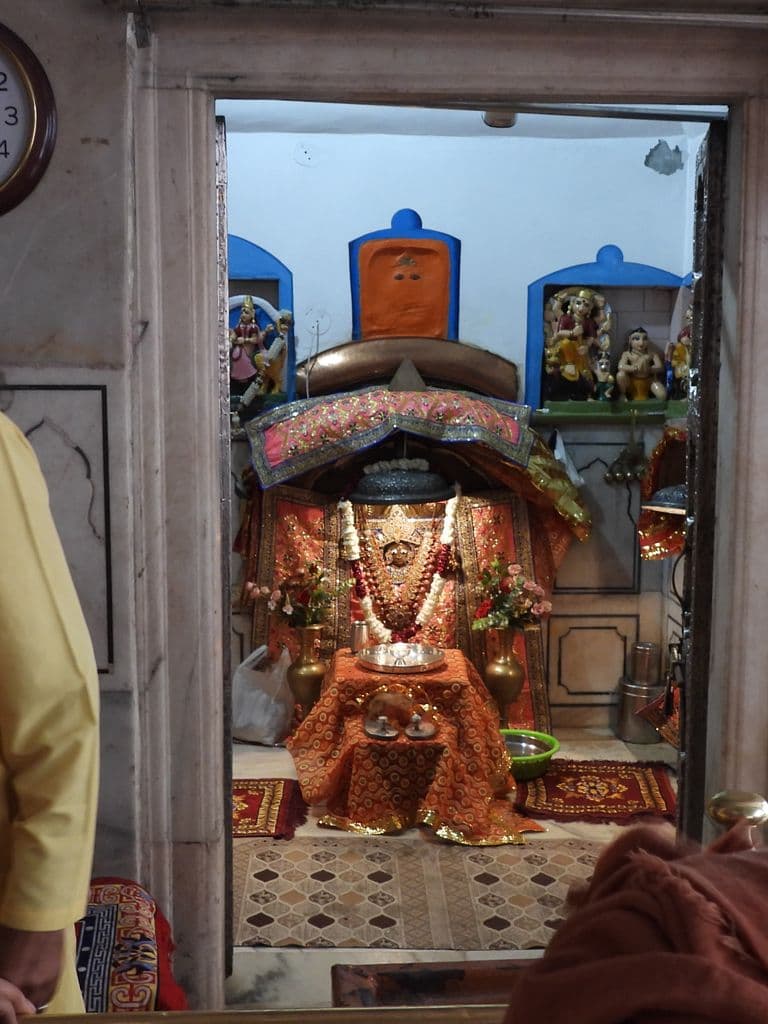
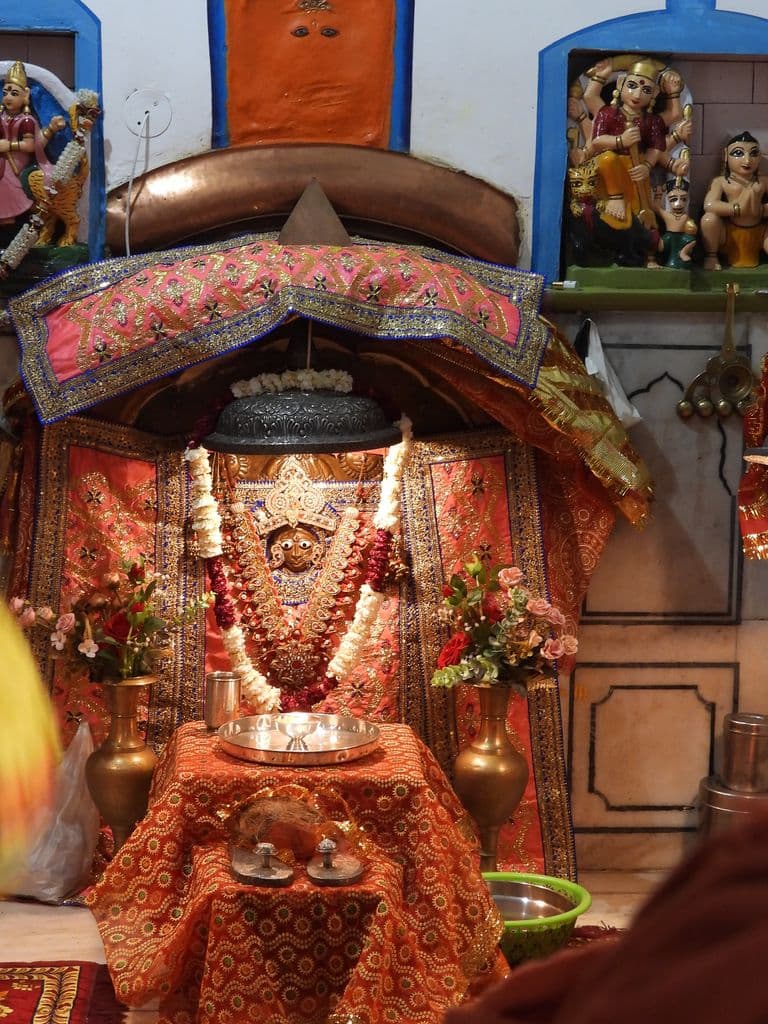
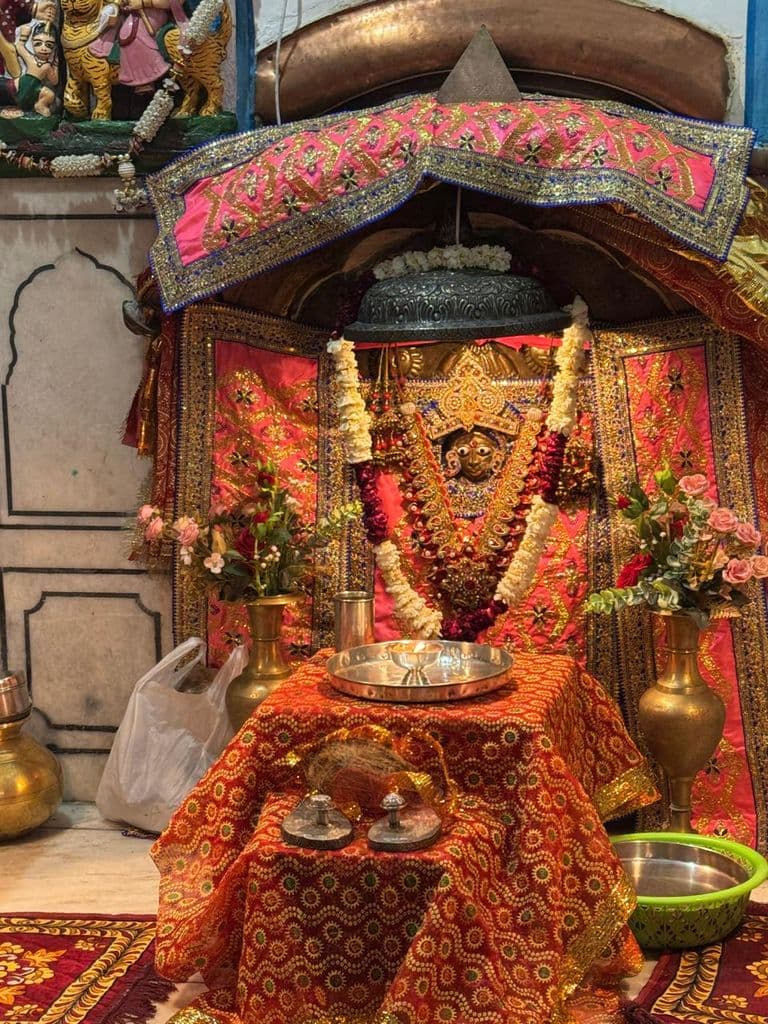
- Traditional accounts preserved locally hold that the principal Durga shrine represents the oldest sacred component of the complex.Local tradition further affirms that the Durga Vigraha was consecrated by Adi Shankaracharya during his travels across northwestern Bharat.
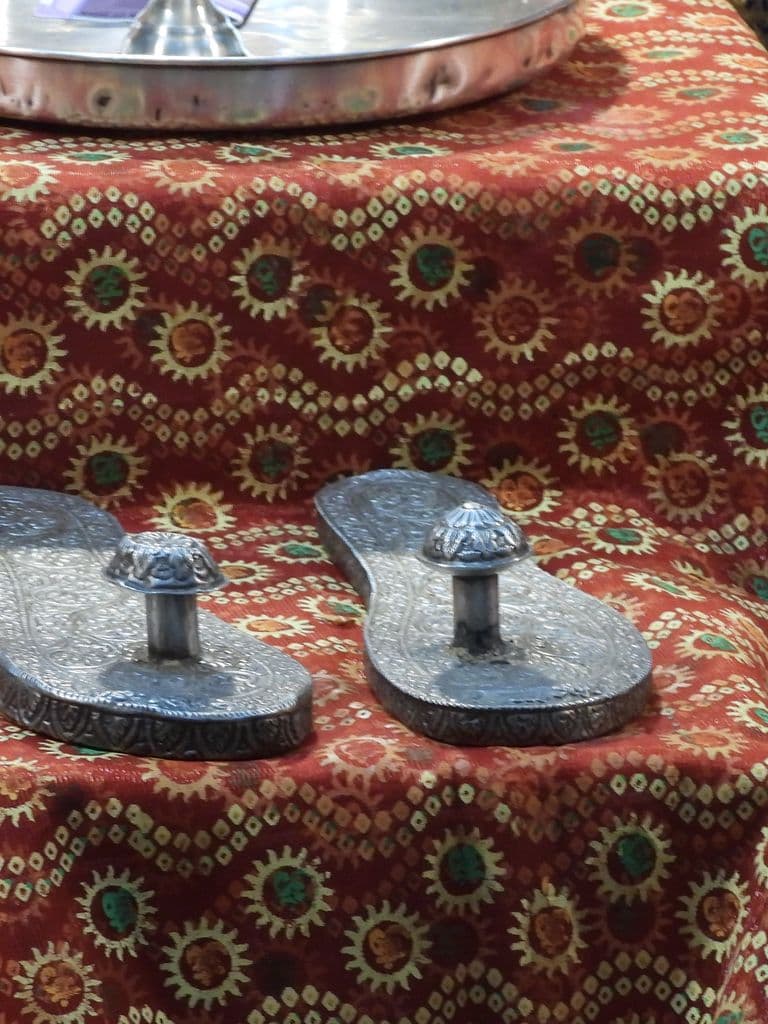
- Within the Durga shrine are preserved two sacred Padukas, which are revered locally.
- The temple preserves strong oral memory connecting the continuity and revival of Devi worship in the region with Adi Shankaracharya’s spiritual movement.The Sheetala Mata shrine within the temple complex is also traditionally believed to have been established through Pratiṣṭhā performed by Adi Shankaracharya.
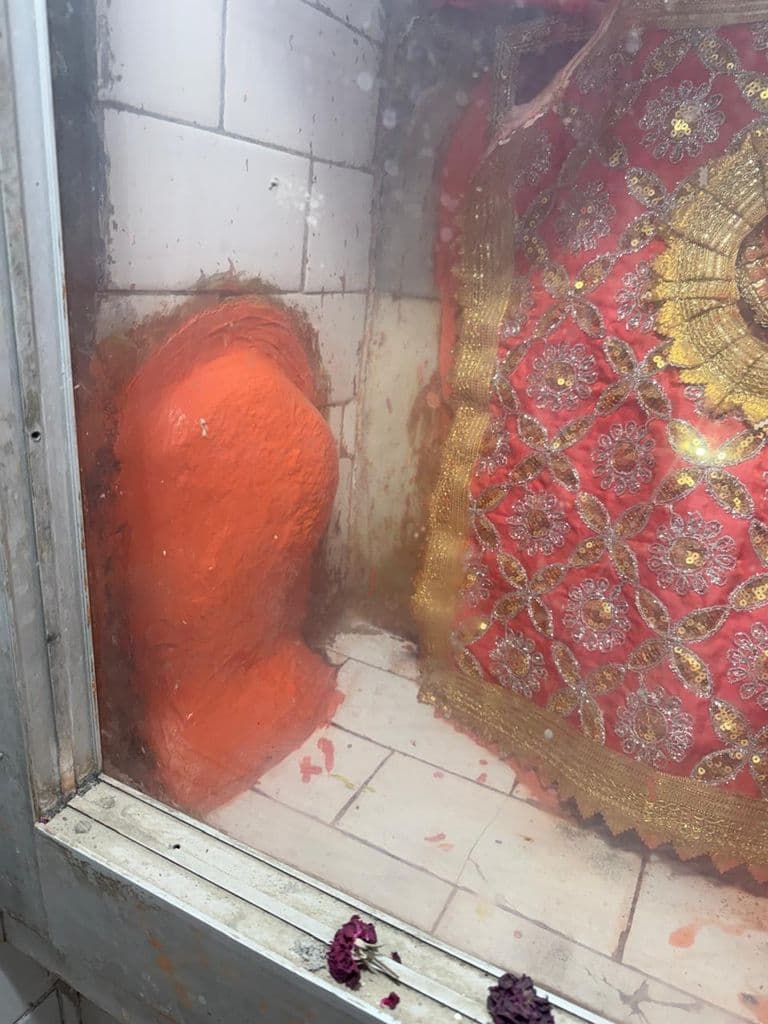
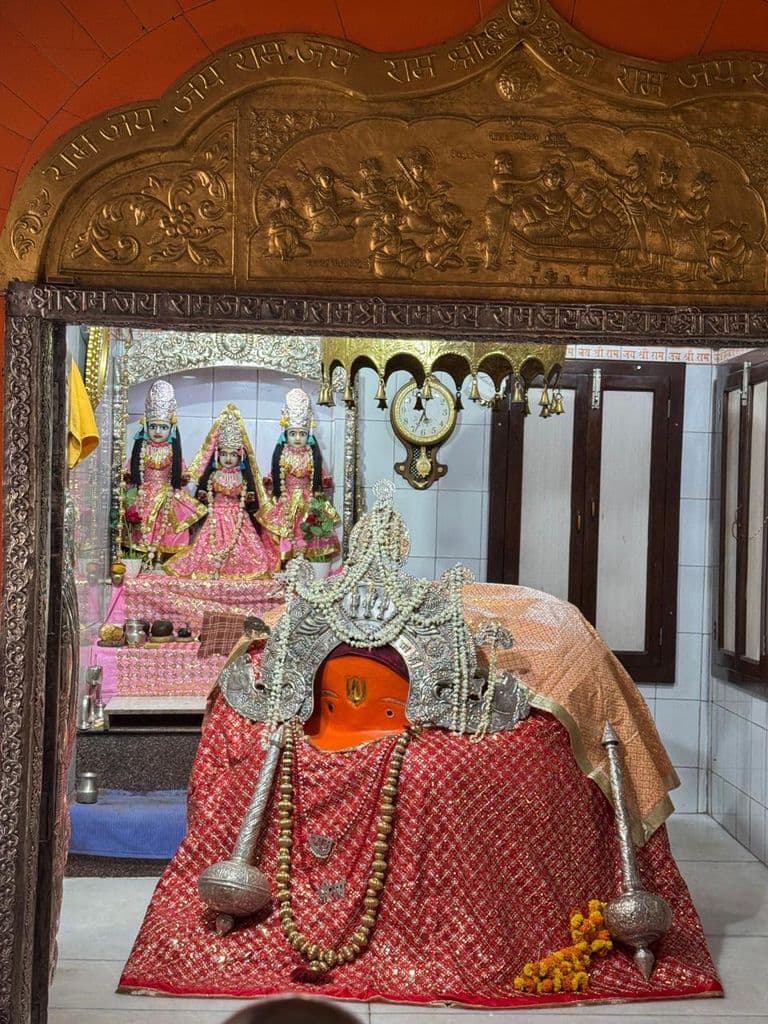
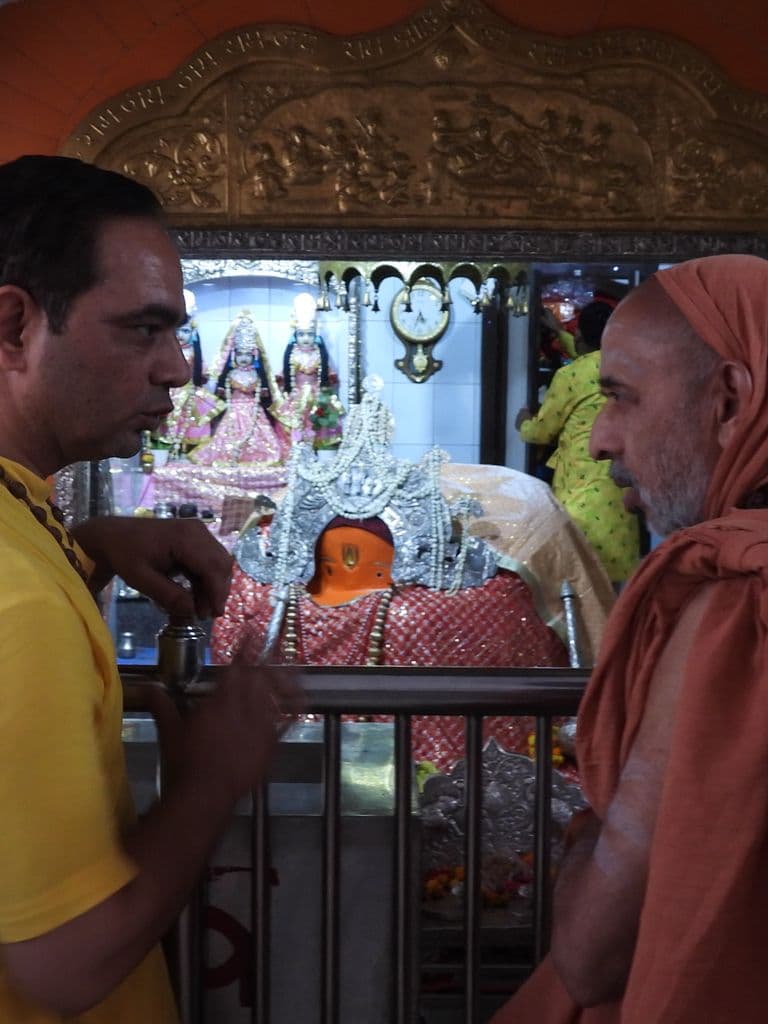
- Another important sacred presence within the complex is the Swayambhu Hanuman shrine. Padukas are preserved in front of the shrine as part of this living devotional continuity.
The above findings are based on local recitations and living traditions, as well as inscriptions and markers observed at the site, supported by available historical references, certain scientific observations, and guidance from the Shastras. As our understanding continues to evolve, we will update this account from time to time as additional insights and information emerge from local communities and further study.
Do you have more information about this location, or any questions or feedback?
✉ Write to UsPhotos