Jammu and Kashmir
Śāṅkara Jyoti Prakāśa · शाङ्कर ज्योति प्रकाश
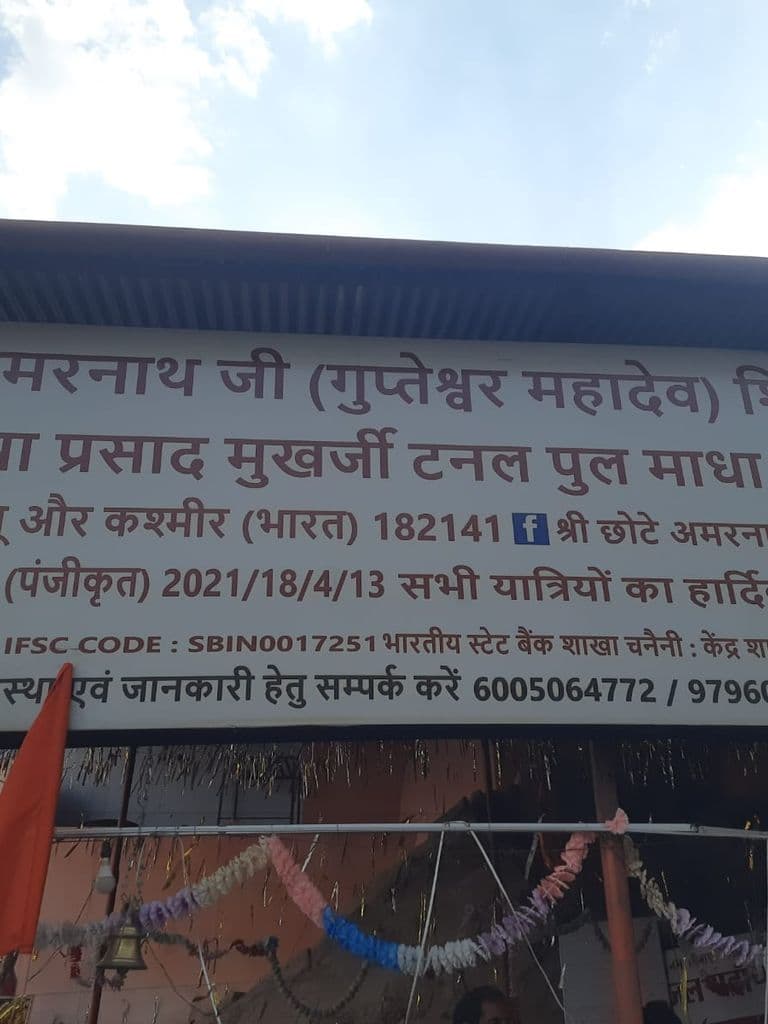
Śrī Chote Amarnath Jī — Gupteshvara Mahadeva, Pulmadha
Visited 6 June 2026 during the 2026 Sampoorna Bharata Yatra.
Adi Shankaracharya's Visit
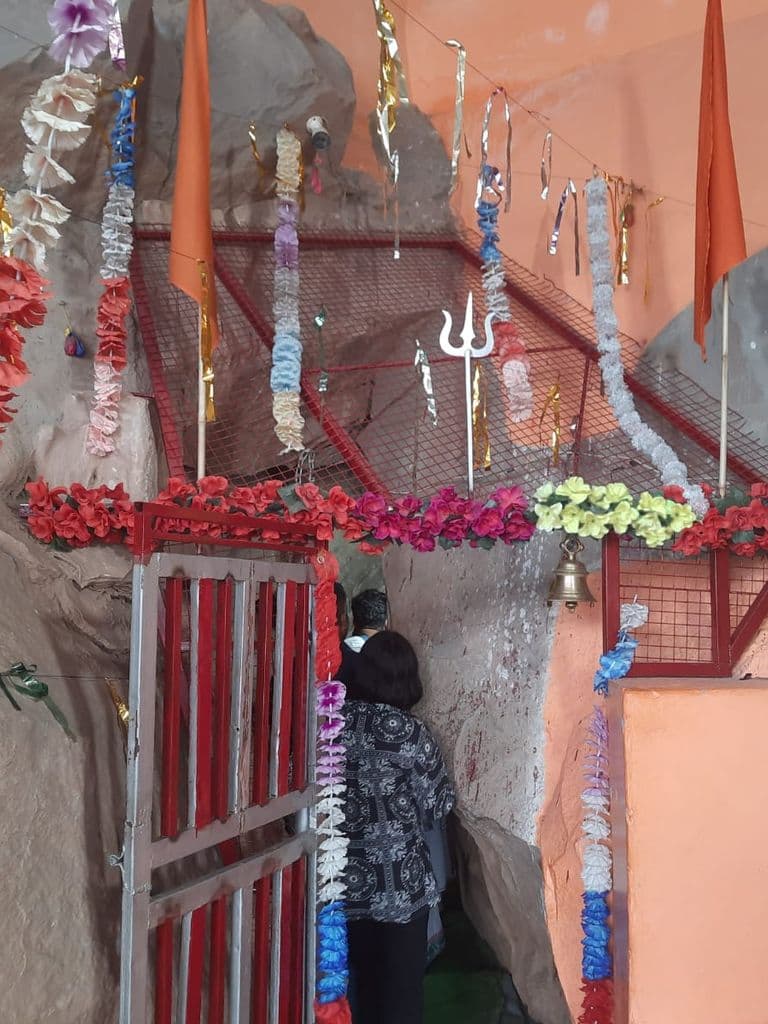
- Tucked away in the folds of the Kashmir Valley, the ancient cave shrine of Śrī Chote Amarnath Jī — known to the devoted as Gupteshvara Mahadeva, the Hidden Lord — carries within its silence the memory of a sacred landscape that has been receiving seekers since before recorded time. The cave itself is nature's own sanctum — stone walls worn smooth by centuries of devotion, the air within cool and still in the way that only a space long consecrated can be — and at its heart, the Śivaliṅga stands in its primordial self-manifest presence, neither fashioned by human hands nor adorned by human ambition, but simply there, as Śiva has always been: self-arising, self-sufficient, eternally still.
- It was to this guhā — that Jagadguru Ādi Śaṅkarācārya came during his Yatra through the Kashmir corridor, and here he stayed for three days: not passing through, not offering a brief consecrating visit, but dwelling — three full days in the presence of Gupteshvara and in the cave's stillness.
- What the cave held in stone and silence, Ādi Śaṅkarācārya held in jñāna — and the three days Ādi Śaṅkarācārya spent here represent a rare, unhurried meeting between the Jagadguru and the Hidden Lord on their own terms.
- Preserved at this shrine to this day is the Rudrākṣa worn by Ādi Śaṅkarācārya himself — the sacred seed-bead that rested against the Jagadguru's own body during his Yatra — a relic of intimate sacred biography, bearing witness in its silence to the three days when the greatest Vedāntin and the self-manifest Śiva of this hidden cave kept company with each other in the heart of Kashmir.
The above findings are based on local recitations and living traditions, as well as inscriptions and markers observed at the site, supported by available historical references, certain scientific observations, and guidance from the Shastras. As our understanding continues to evolve, we will update this account from time to time as additional insights and information emerge from local communities and further study.
Do you have more information about this location, or any questions or feedback?
✉ Write to UsPhotos