Uttarakhand
Śāṅkara Jyoti Prakāśa · शाङ्कर ज्योति प्रकाश
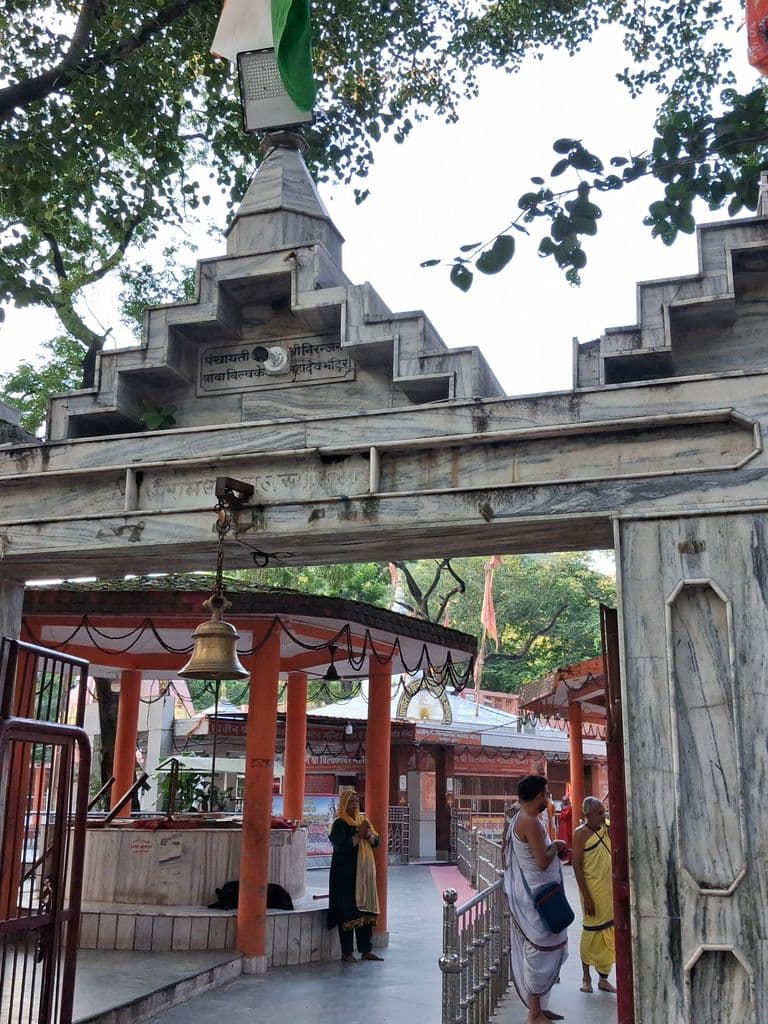
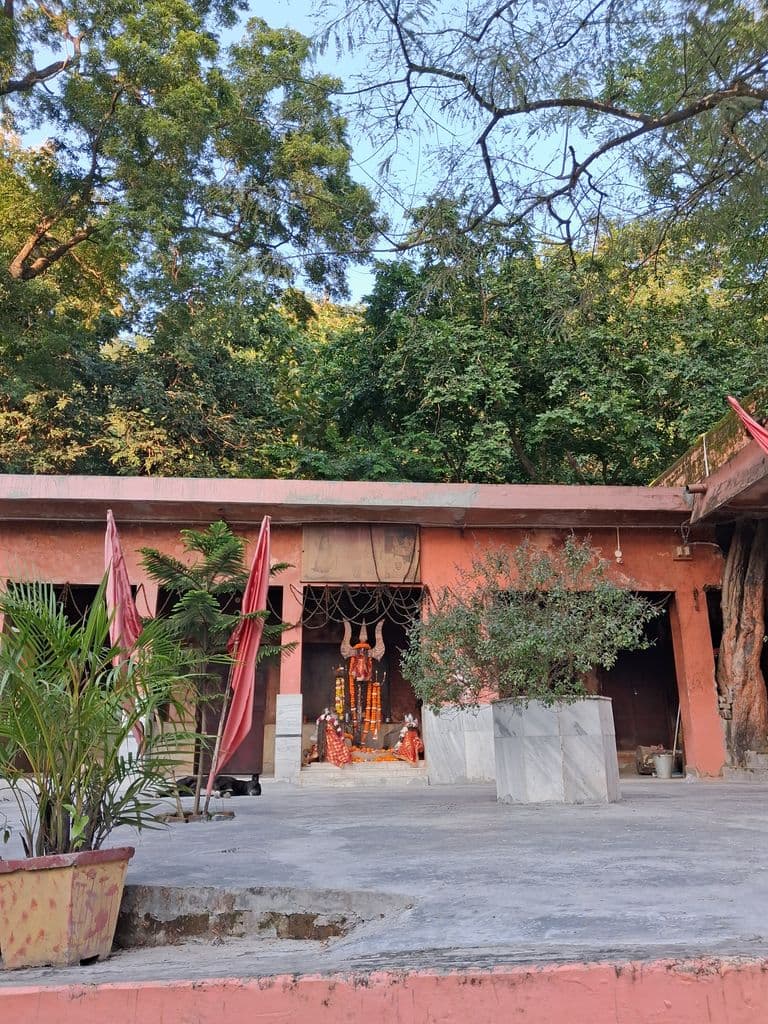
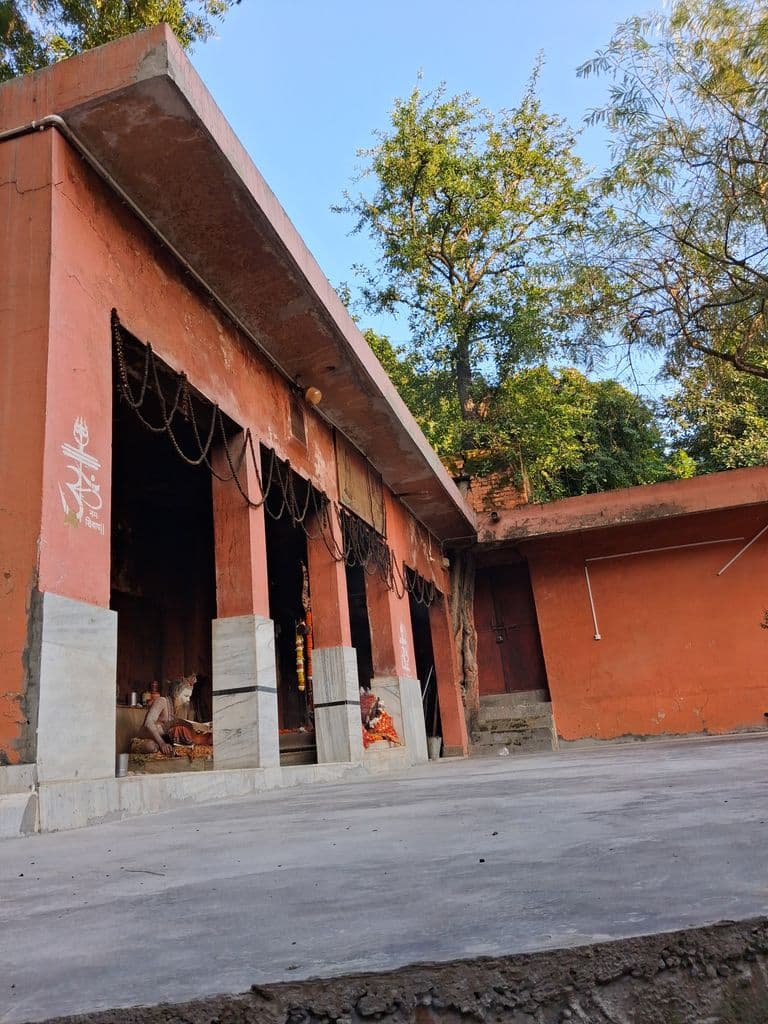
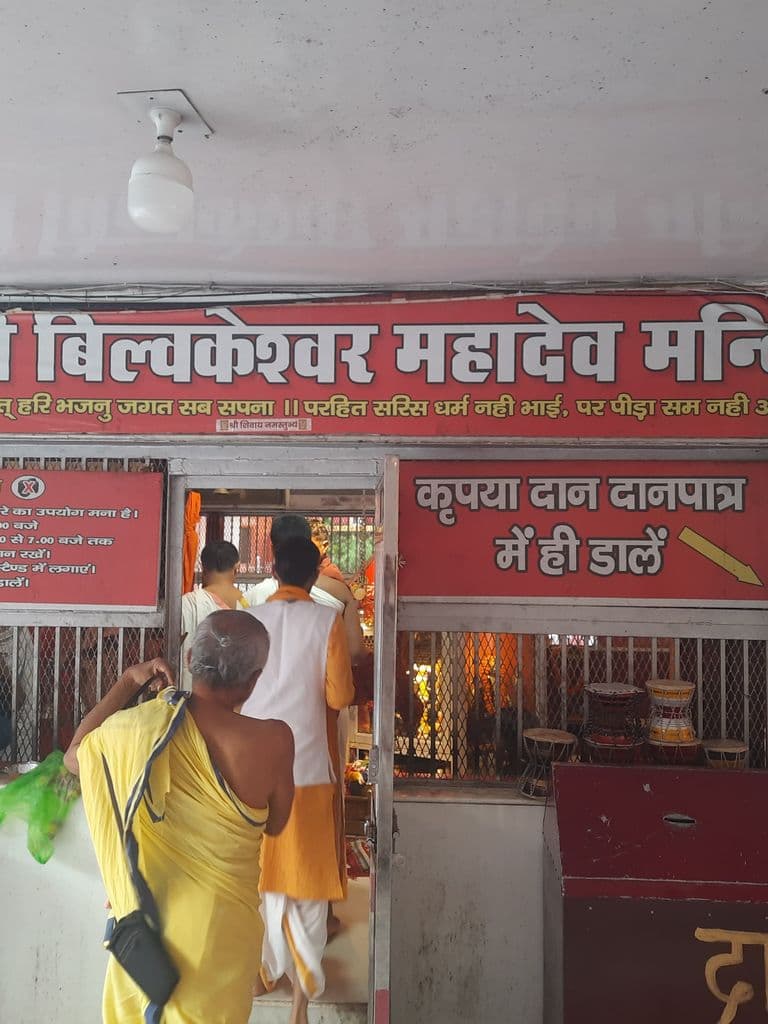
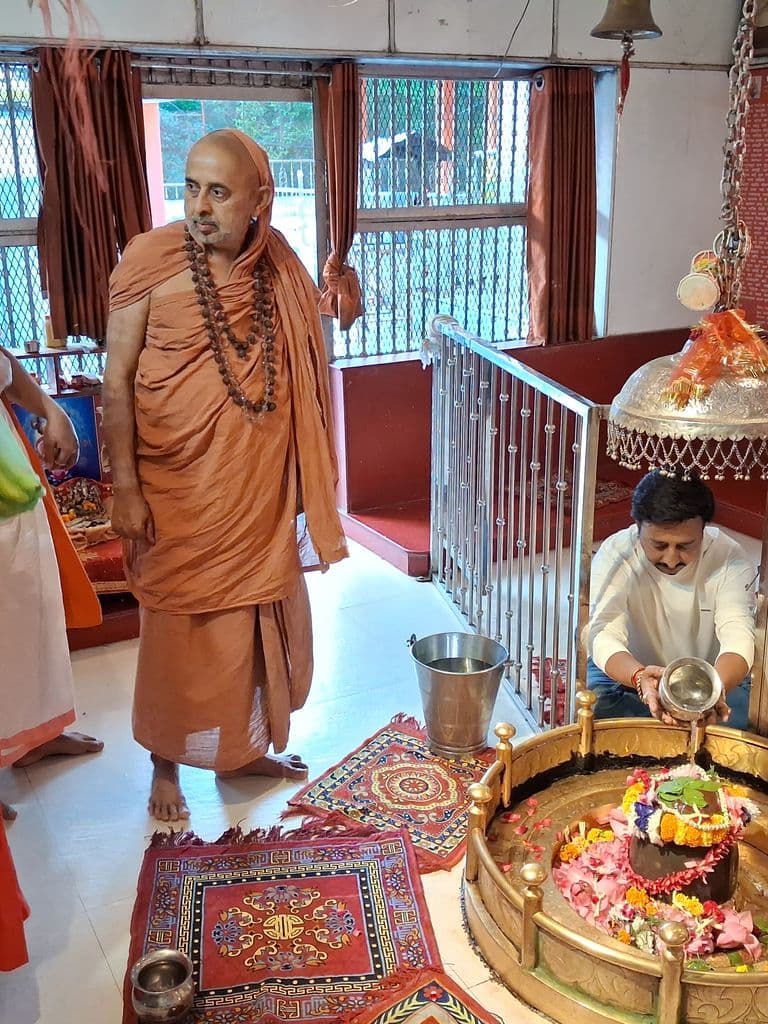
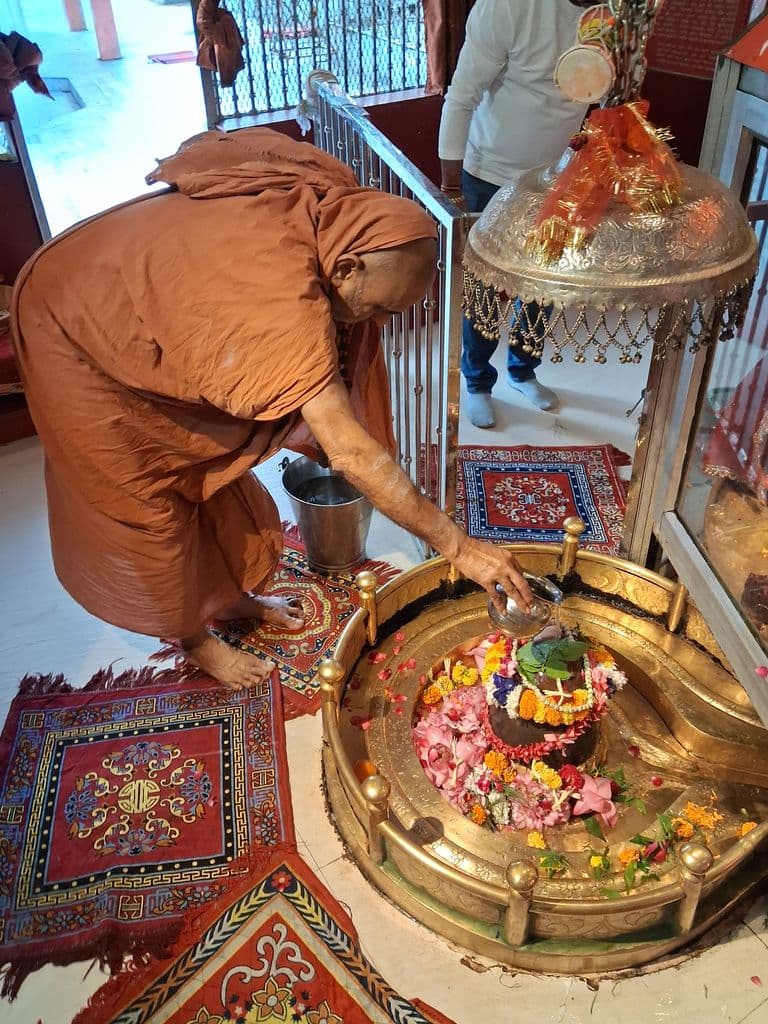
Bilwakeshwar Mahadev Mandir - Haridwar
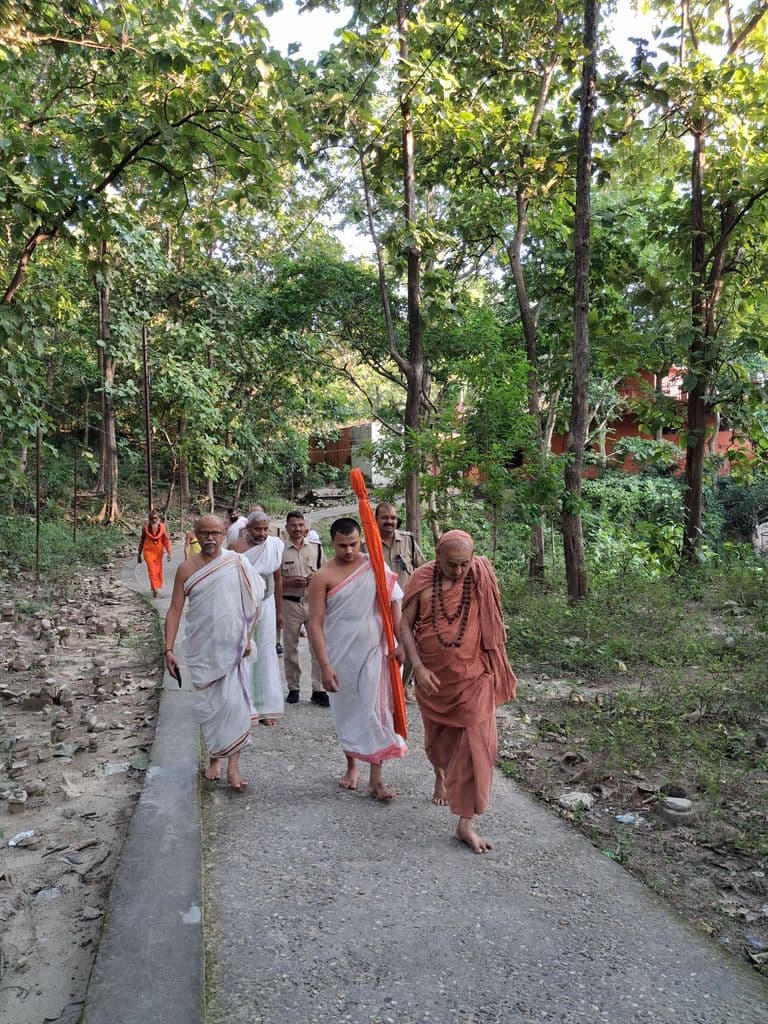
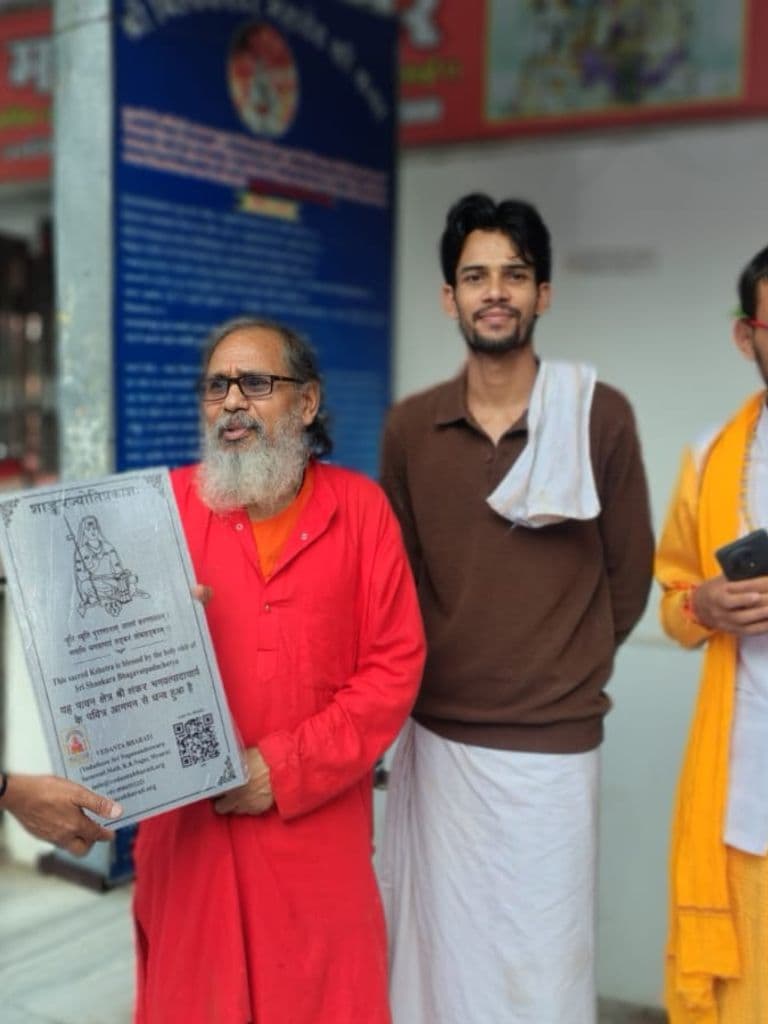
Visited 13 October 2026 during the 2026 Sampoorna Bharata Yatra.
Adi Shankaracharya's Visit
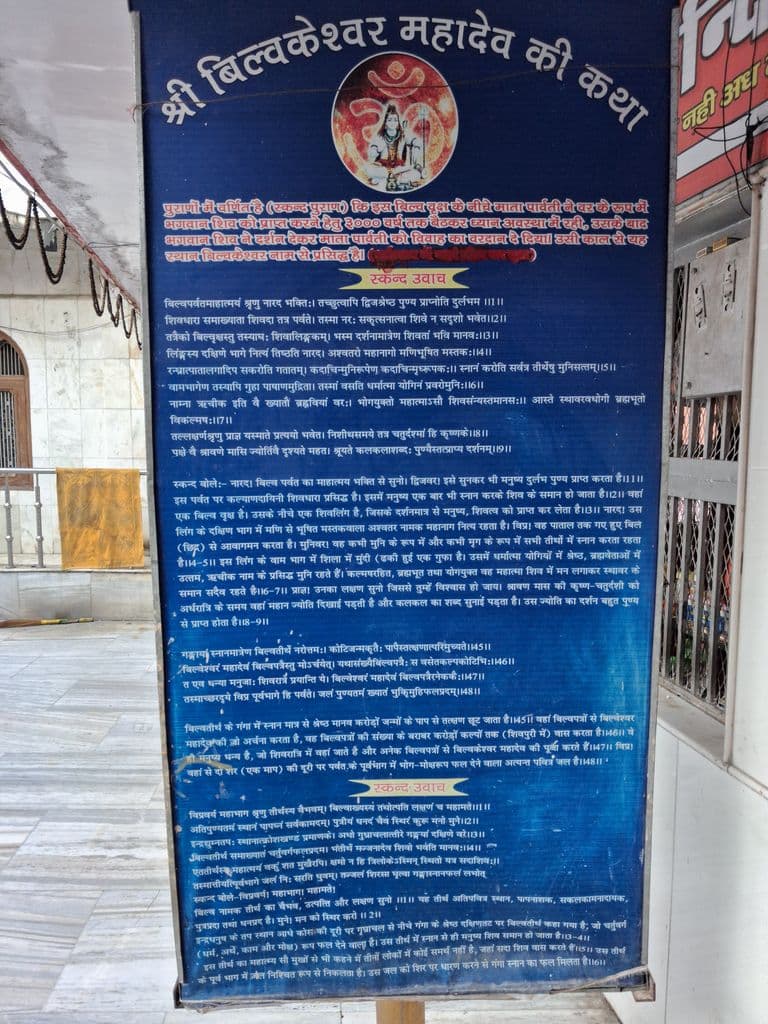
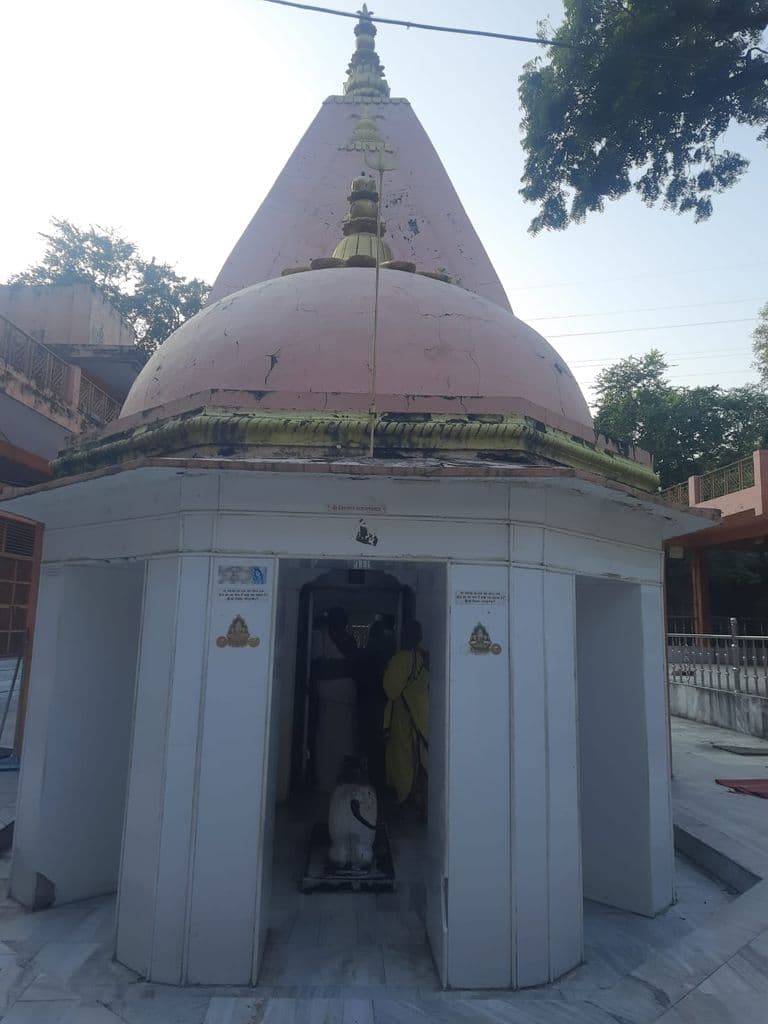
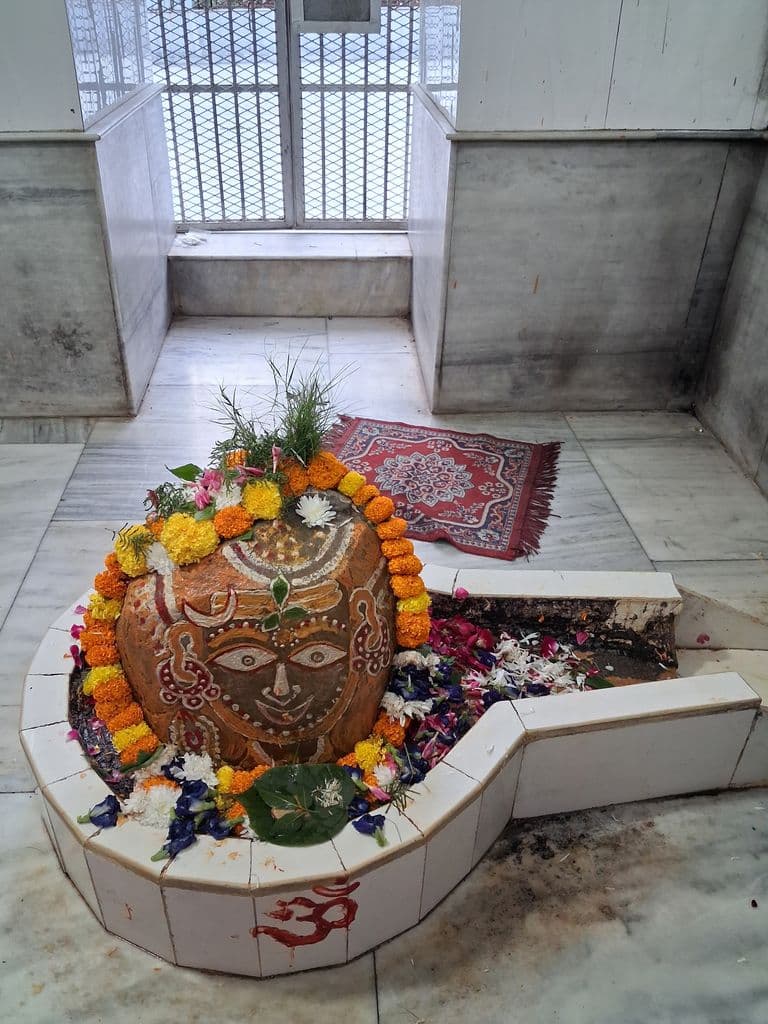
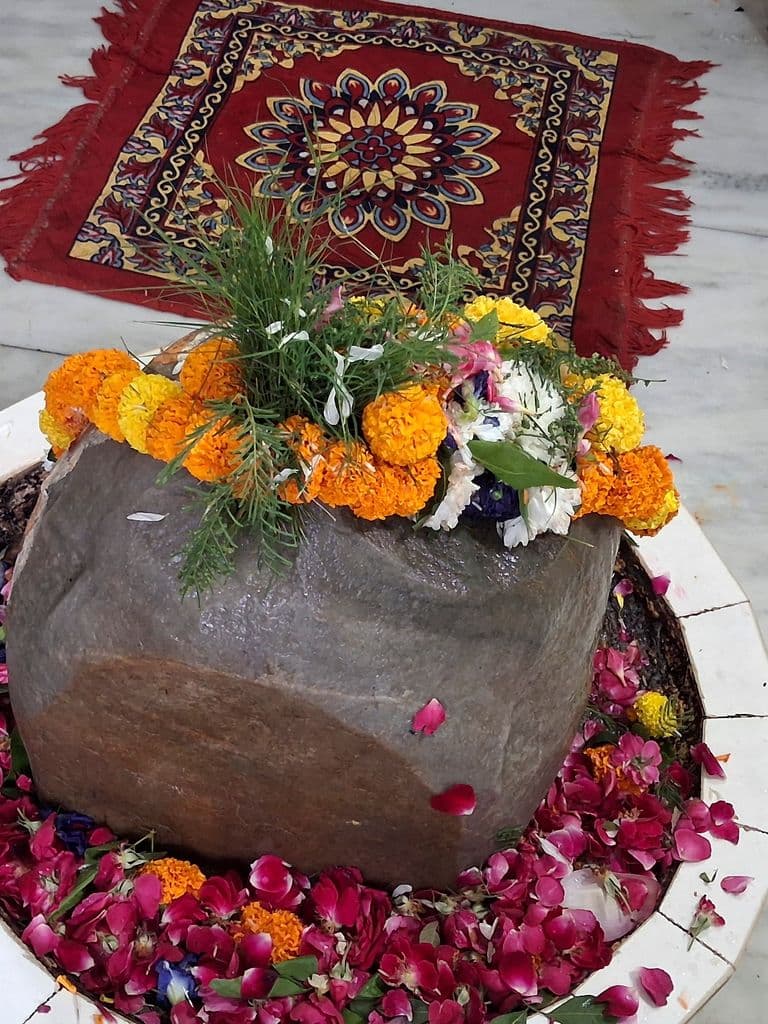
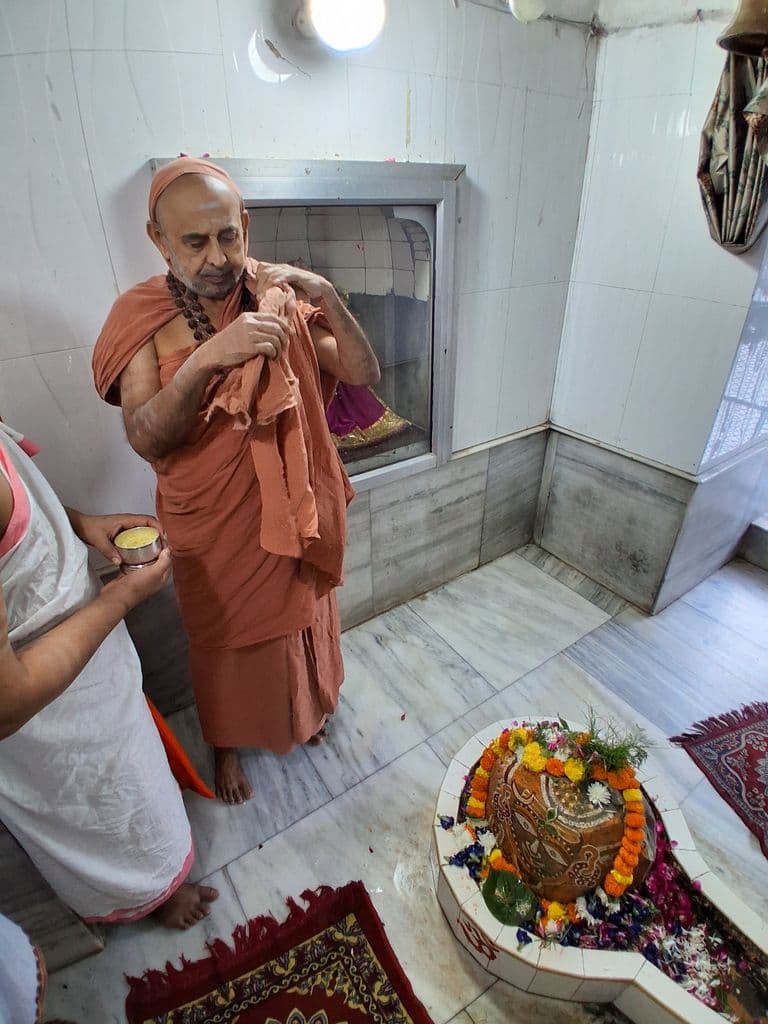
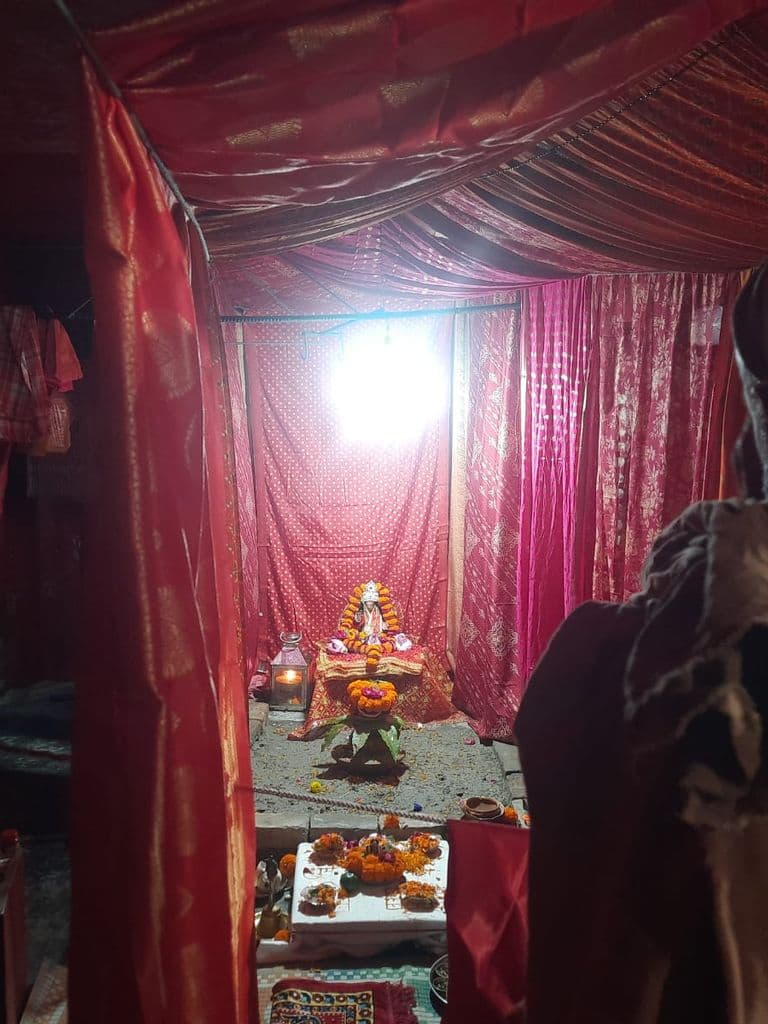
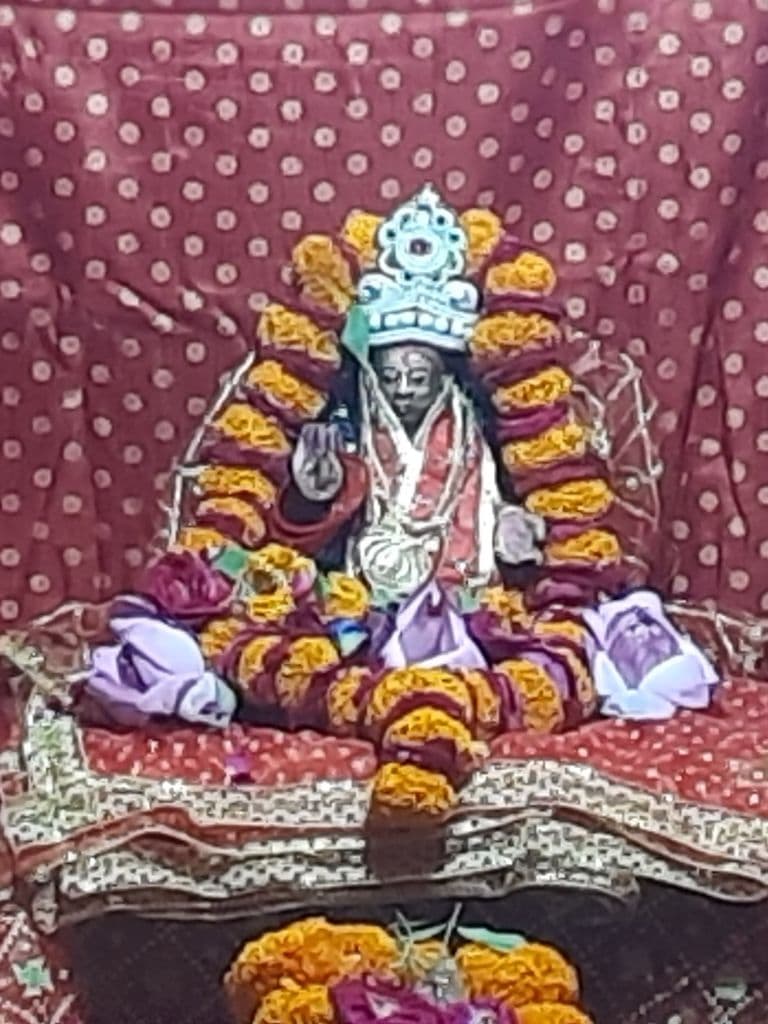
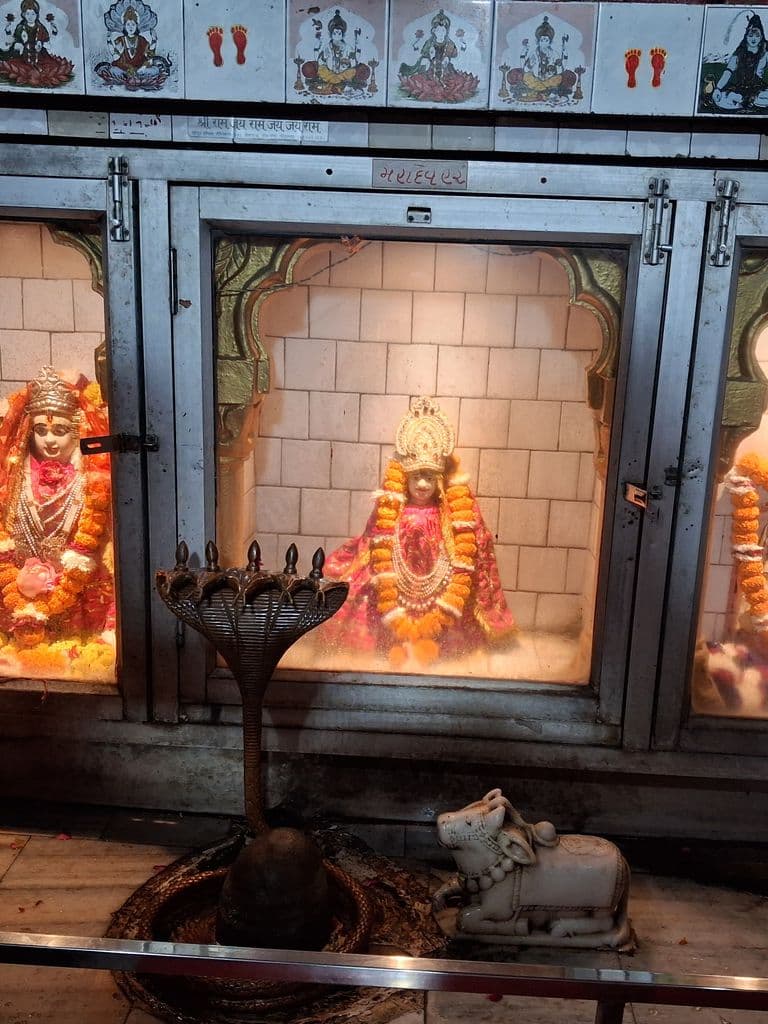
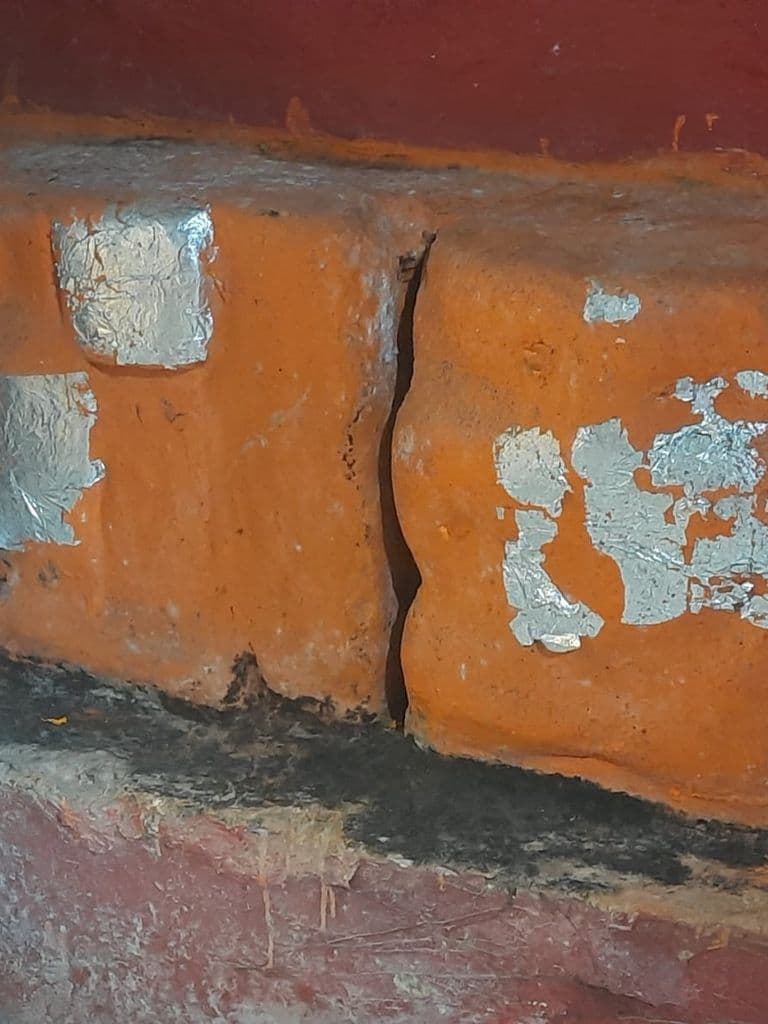
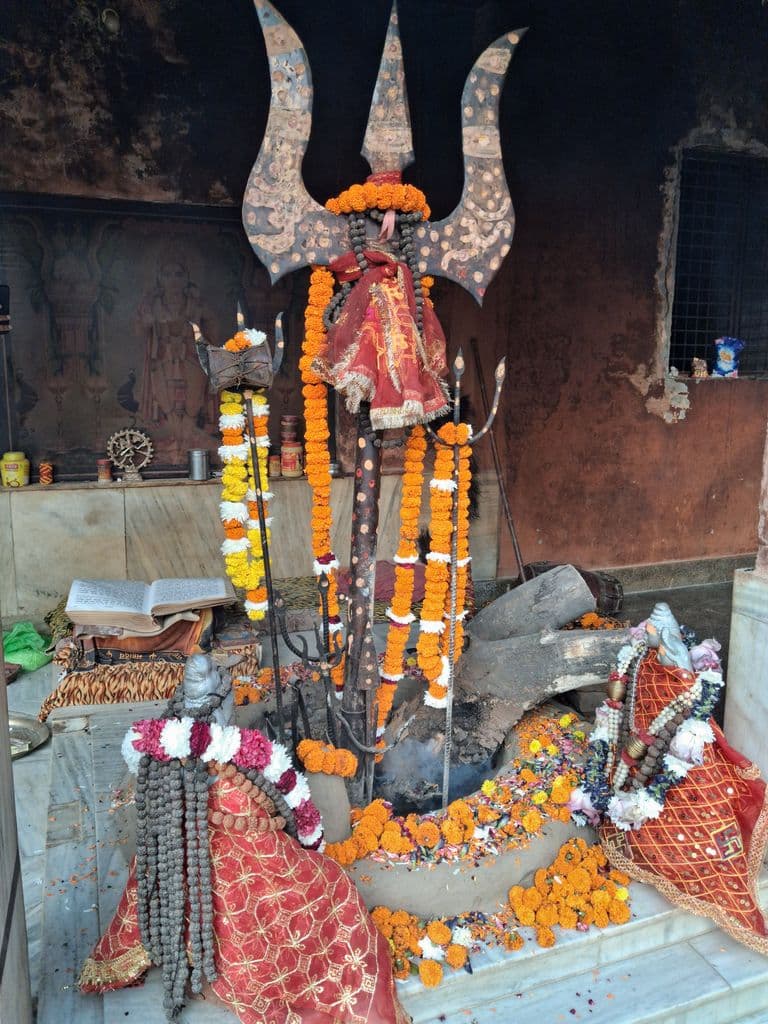
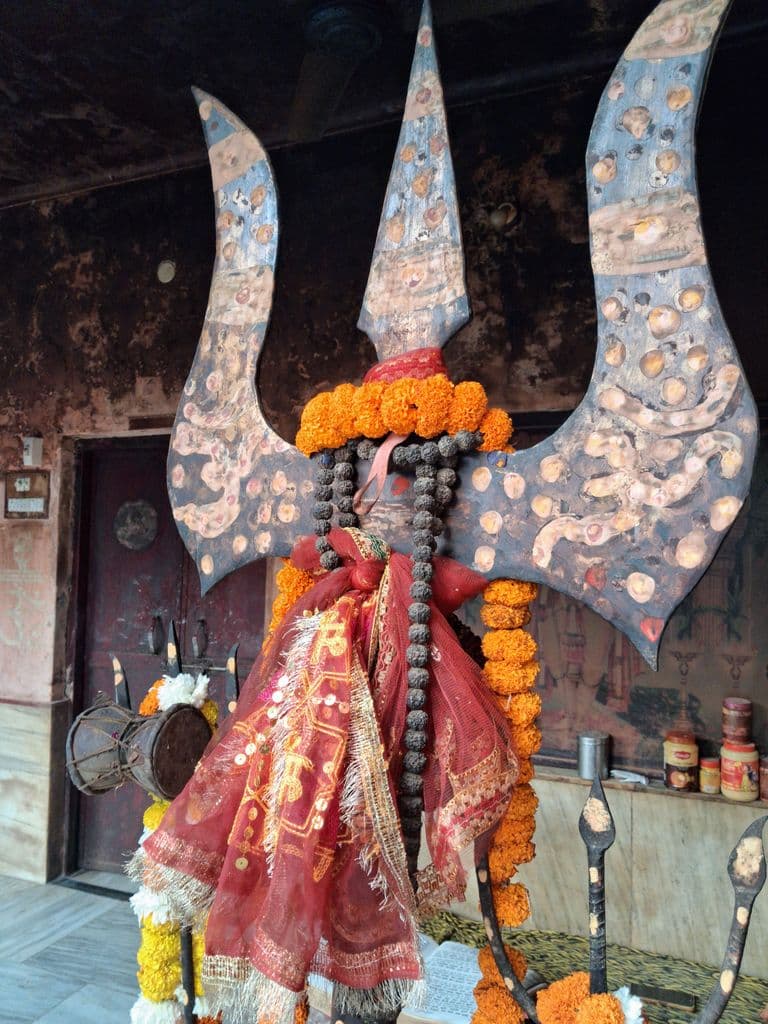
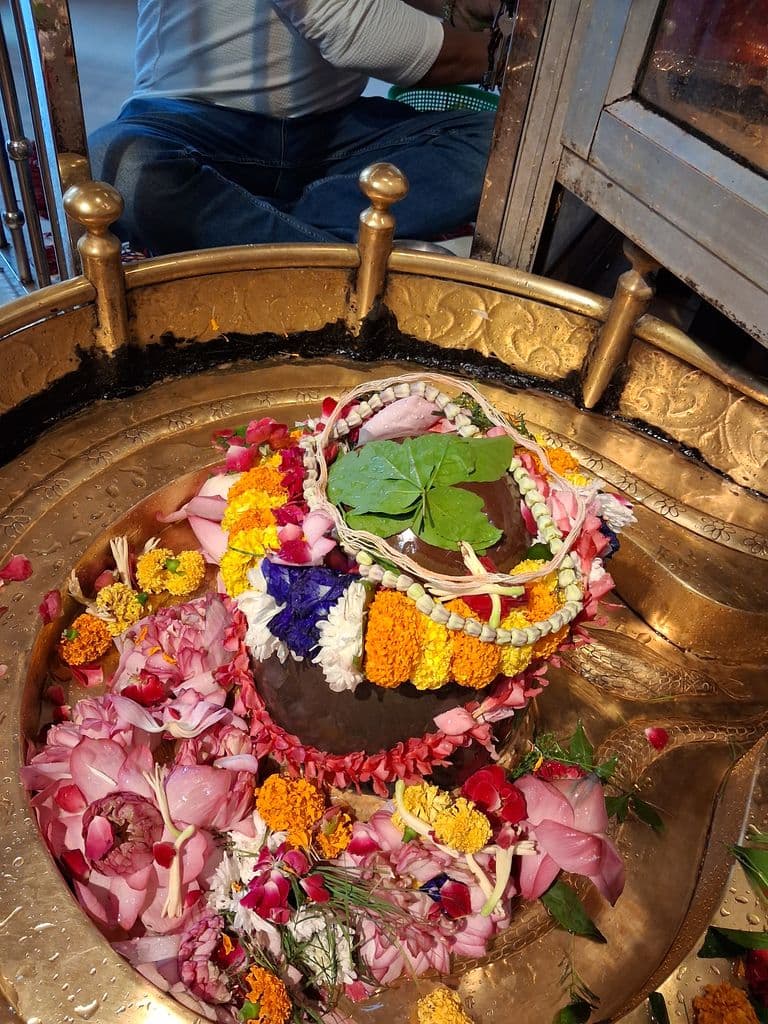
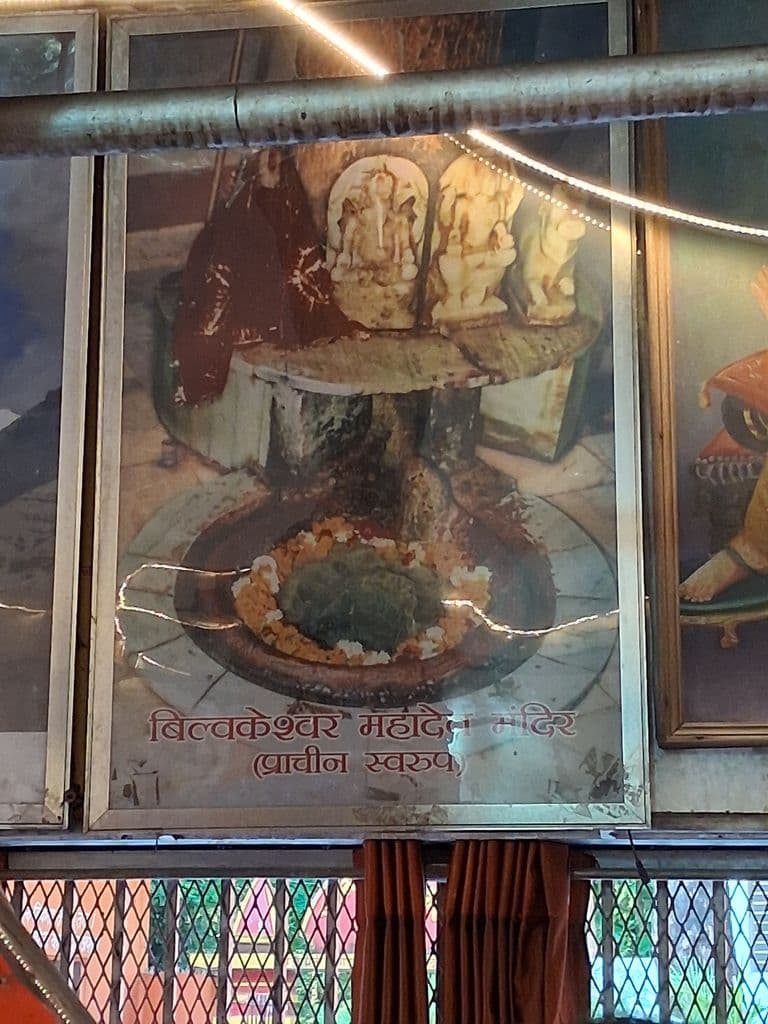
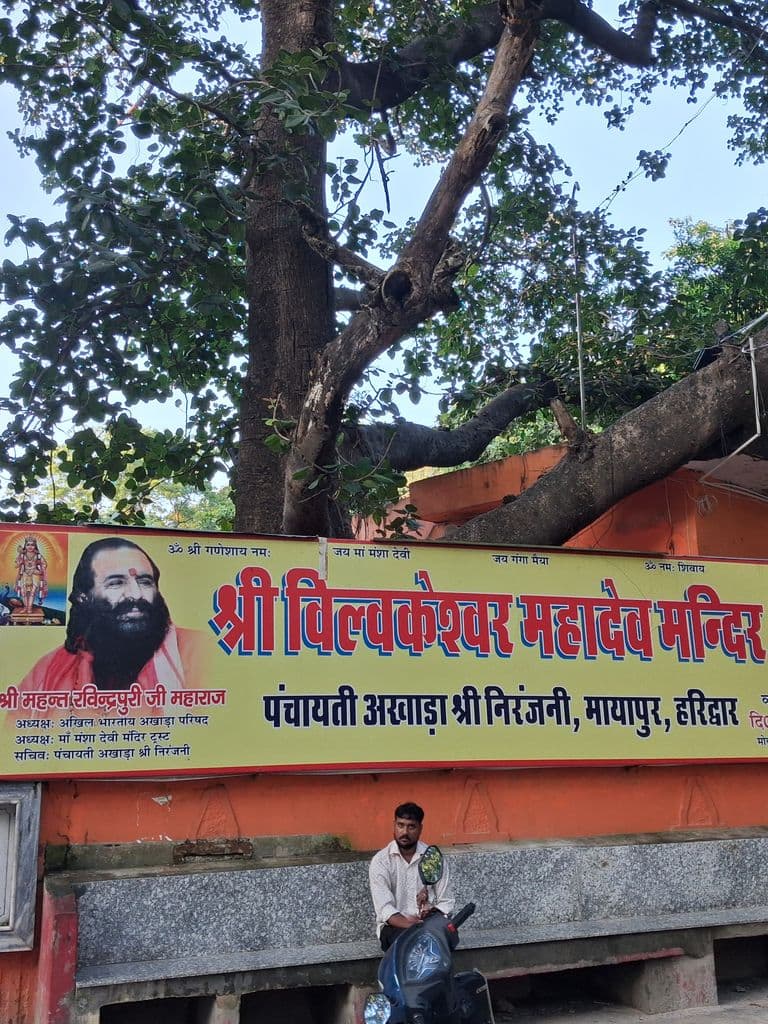
- Bilvakeshwara Mahadev Temple, situated on Bilwa Parvat in Haridwar, Uttarakhand, is an ancient shrine dedicated to Lord Shiva. Nestled amidst the wooded slopes of the Shivalik hills, the Kṣetra is associated with the sacred Bilva tree, whose leaves are central to Shaiva worship. The presiding deity is worshipped as a Śiva Liṅga, to which devotees offer Bilva leaves and perform abhiṣeka. Local tradition holds that an older Śiva Liṅga lies beneath the one currently worshipped, preserving the memory of an earlier sacred presence at this site.
- According to local accounts, Ādi Śaṅkarācārya visited this Kṣetra during his journey through the sacred region of Haridwar. His association is also remembered through the nearby Harihareshwar Temple, which local tradition attributes to him as an establishment dedicated to a Śiva Vigraha. Together, Bilvakeshwara and Harihareshwara preserve local memories of Śaṅkarācārya’s presence and the continuity of sacred worship in this part of Haridwar.
- The Kṣetra is also associated, in accounts preserved by local tradition and attributed to the Śāstras, with one of the sacred Rudrākṣas linked to Ādi Śaṅkarācārya. This association adds another dimension to the sacred landscape of Bilvakeshwara, connecting the traditions of Shiva worship, Rudrākṣa reverence and the spiritual legacy of Bhagawadpāda.
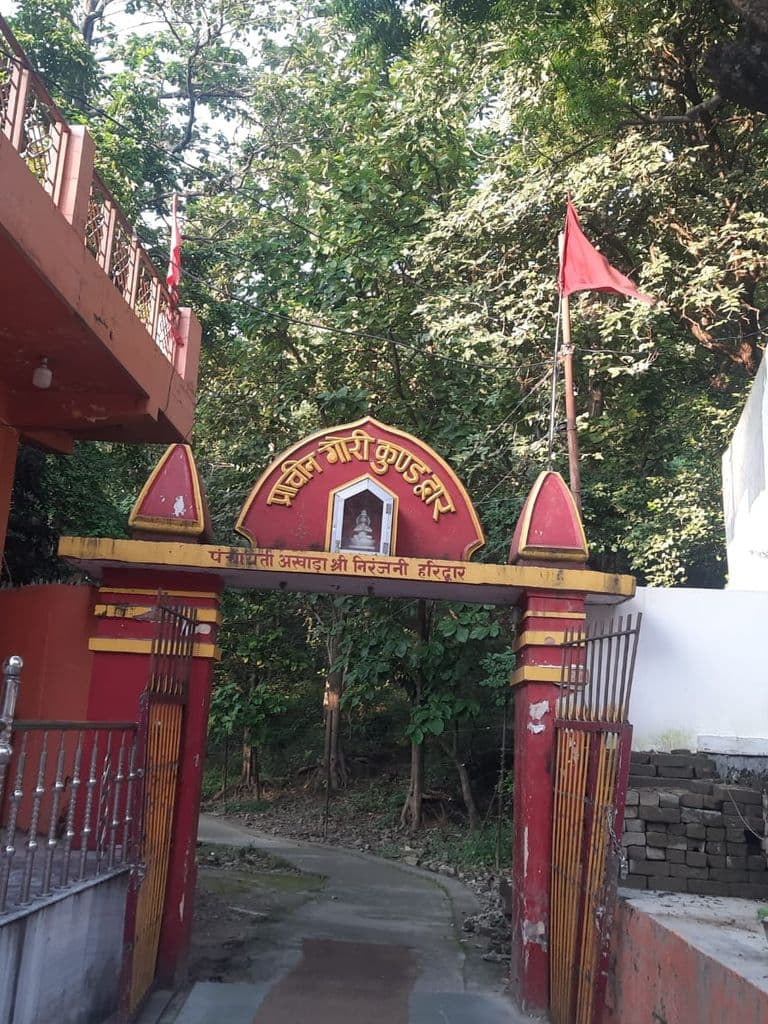
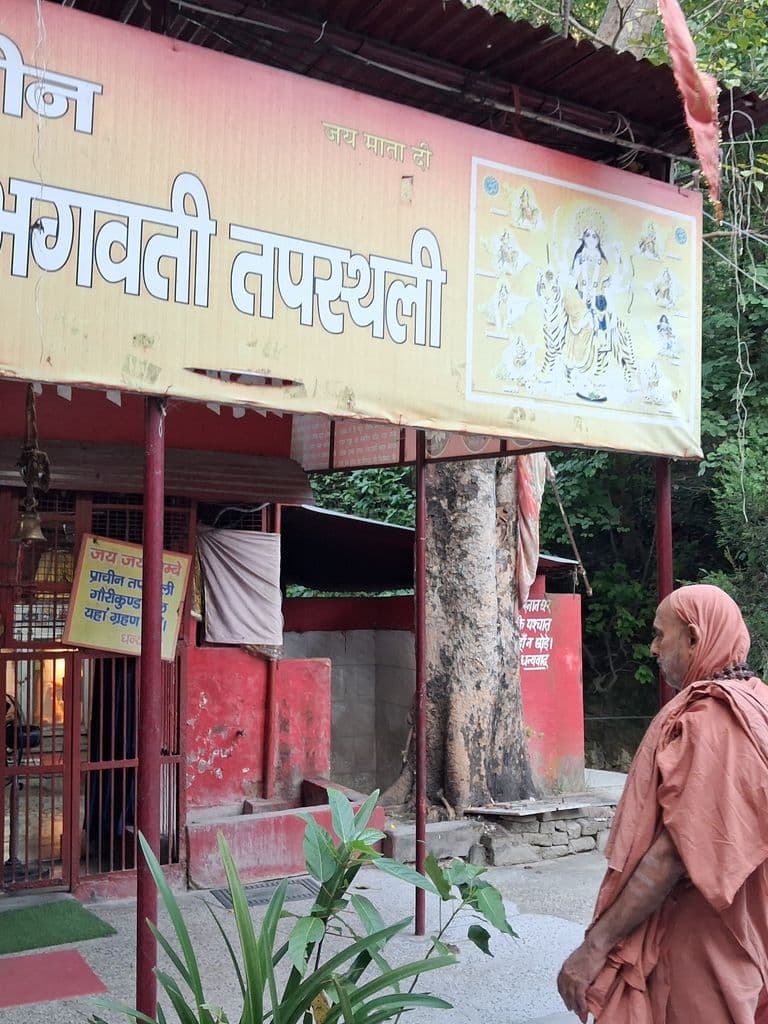
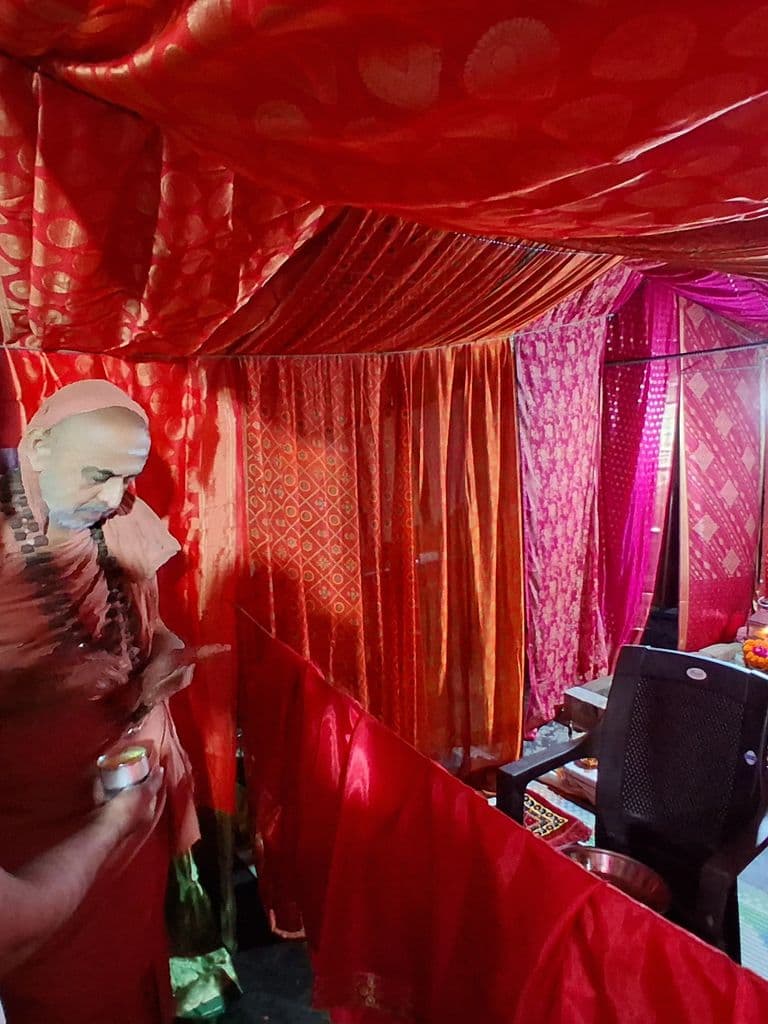
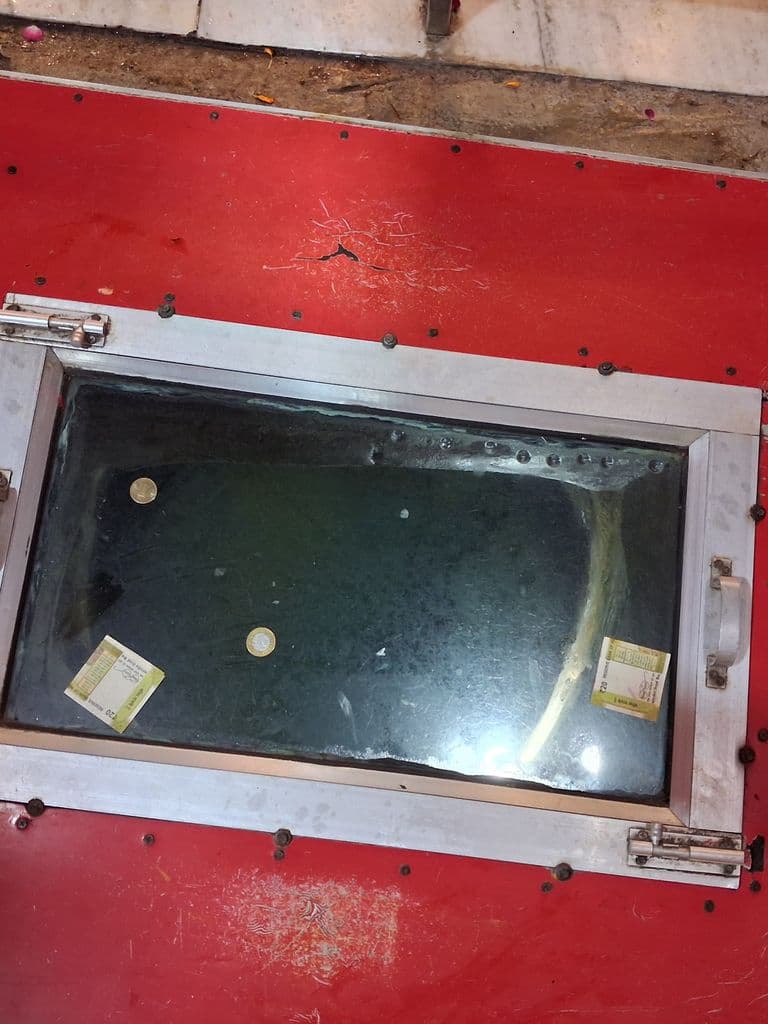
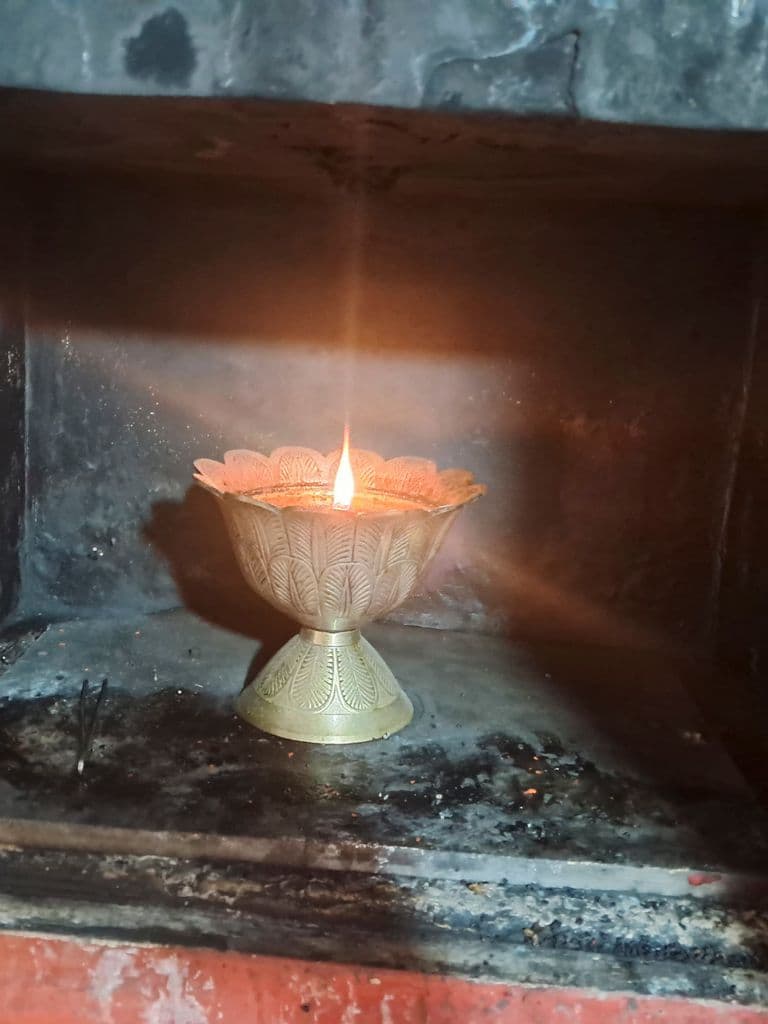
- Gauri Kuṇḍ, near Bilvakeshwara Mahadev Temple in Haridwar, is a sacred water body associated with the tapas of Goddess Pārvatī on Bilwa Parvat. Local tradition connects the site with her austerities to attain Lord Shiva as her consort. The Kṣetra also preserves an Akhanda Dīpa, which, according to local tradition, was lit by Ādi Śaṅkarācārya and has continued to hold a special place in the sacred memory of the site.
The above findings are based on local recitations and living traditions, as well as inscriptions and markers observed at the site, supported by available historical references, certain scientific observations, and guidance from the Shastras. As our understanding continues to evolve, we will update this account from time to time as additional insights and information emerge from local communities and further study.
Do you have more information about this location, or any questions or feedback?
✉ Write to UsPhotos