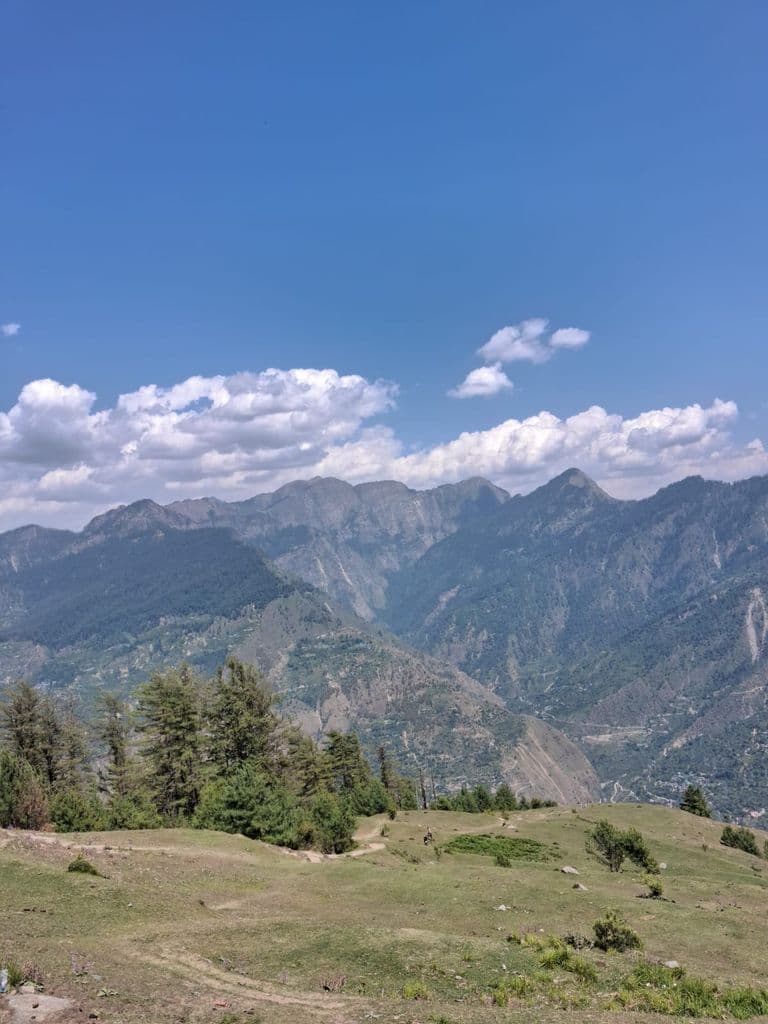
Himachal Pradesh
Śāṅkara Jyoti Prakāśa · शाङ्कर ज्योति प्रकाश
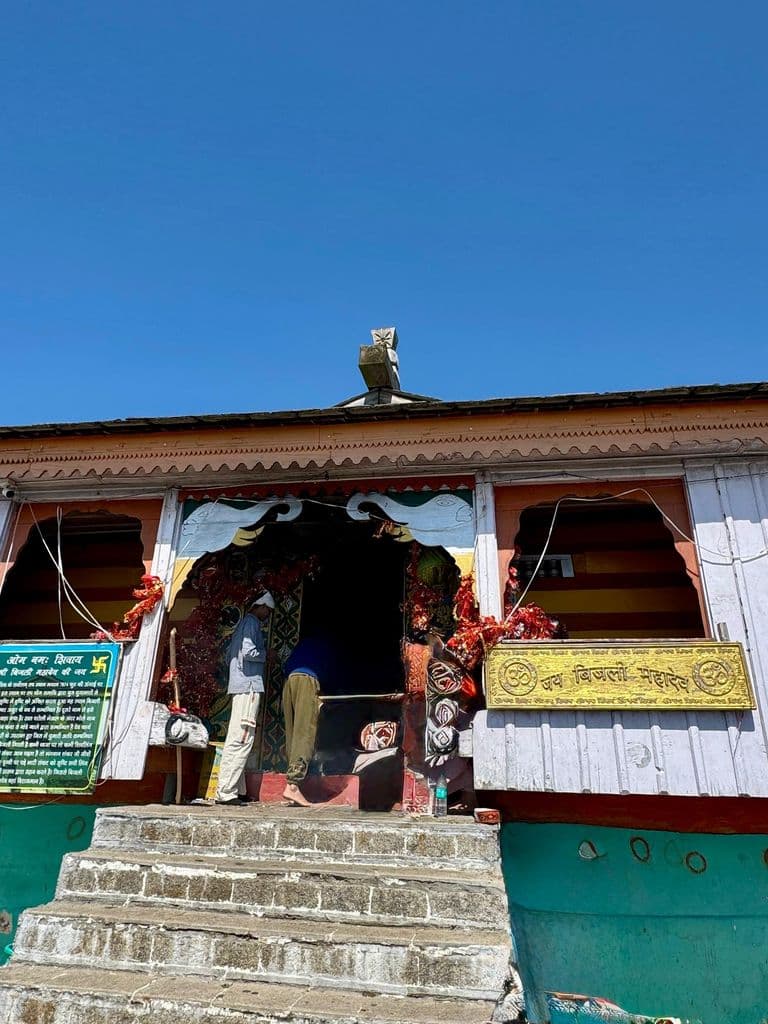
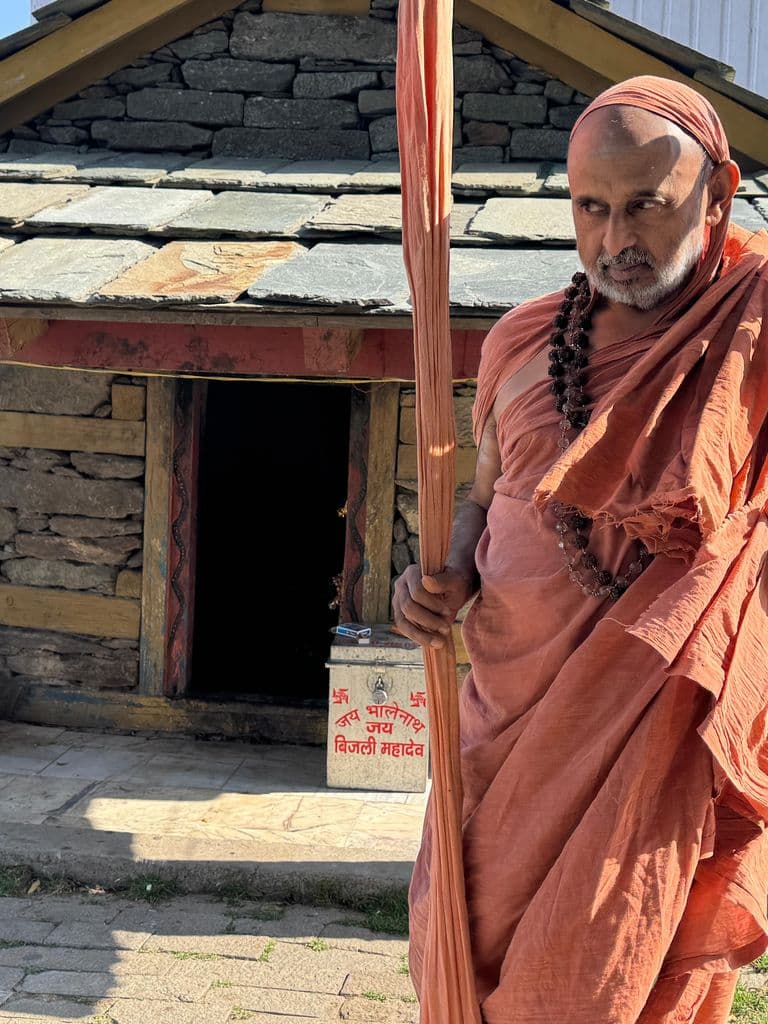
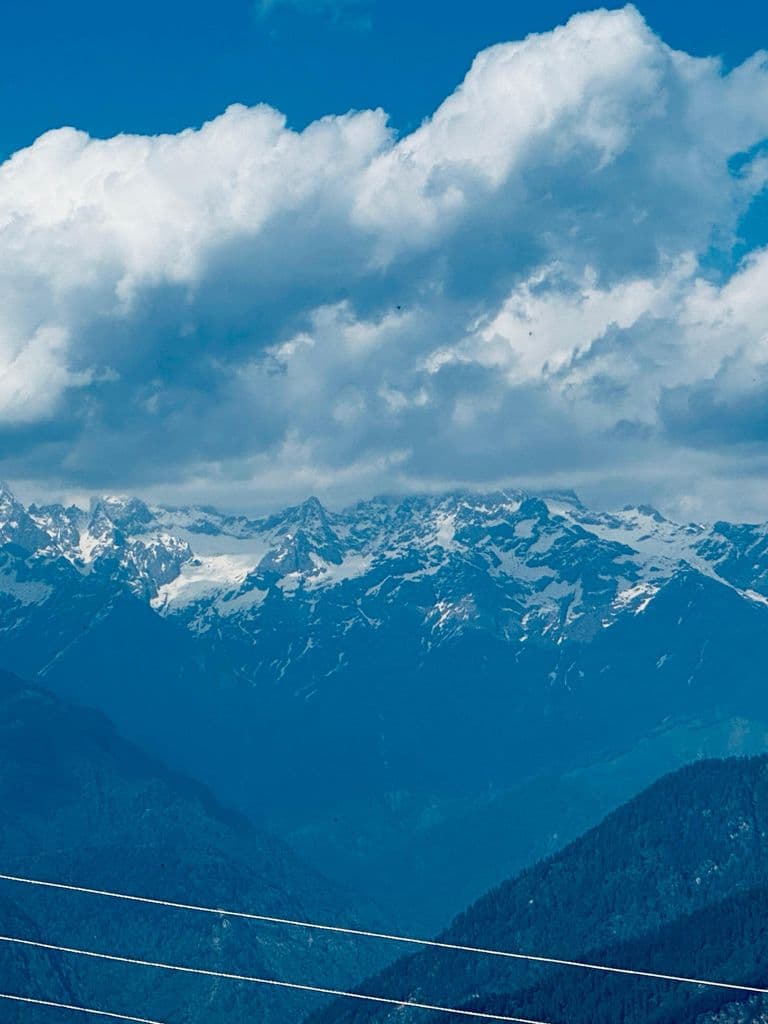
Bijli Mahadev Mandir - Kullu Valley
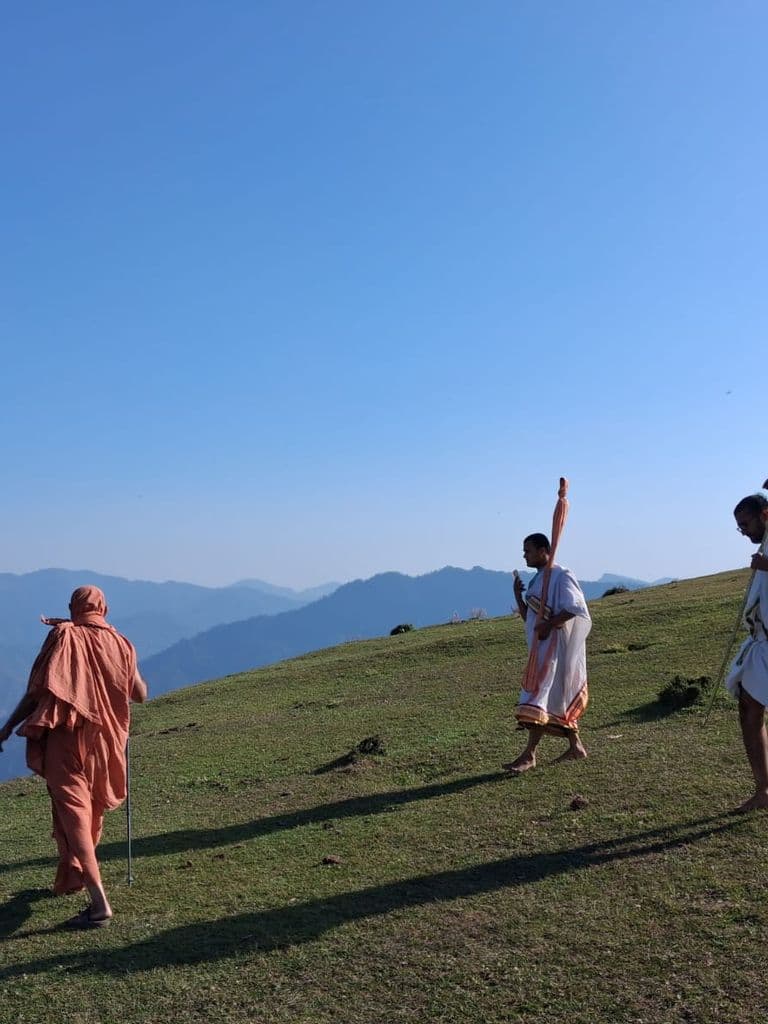
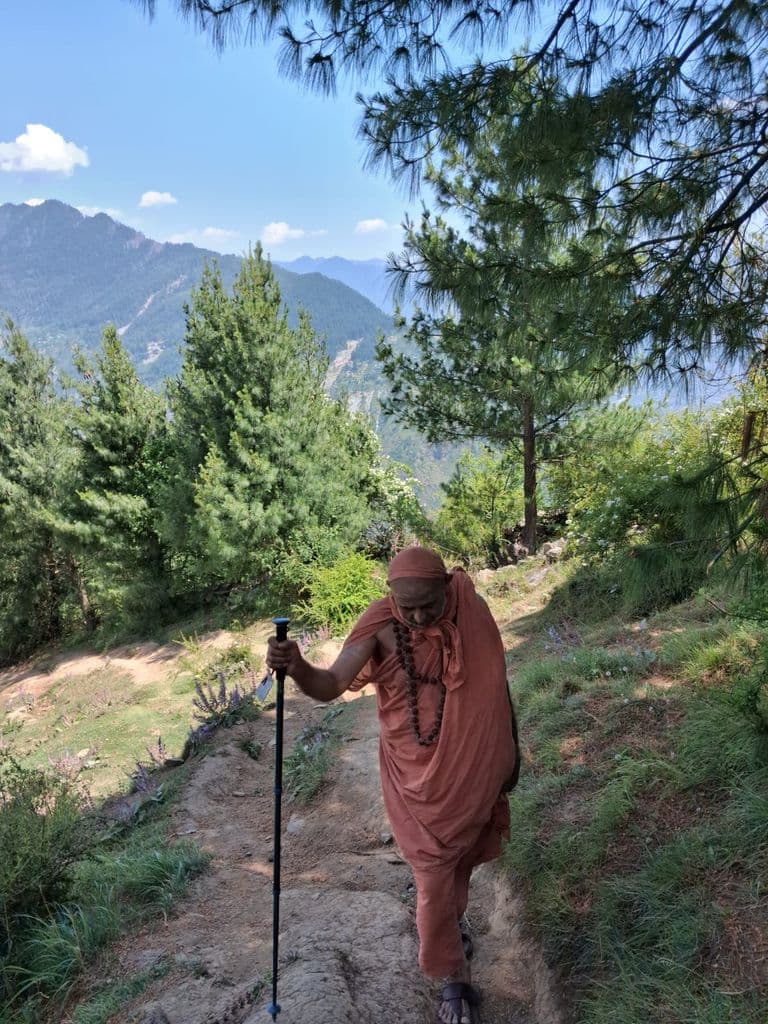
Visited 26 May 2026 during the 2026 Sampoorna Bharata Yatra.
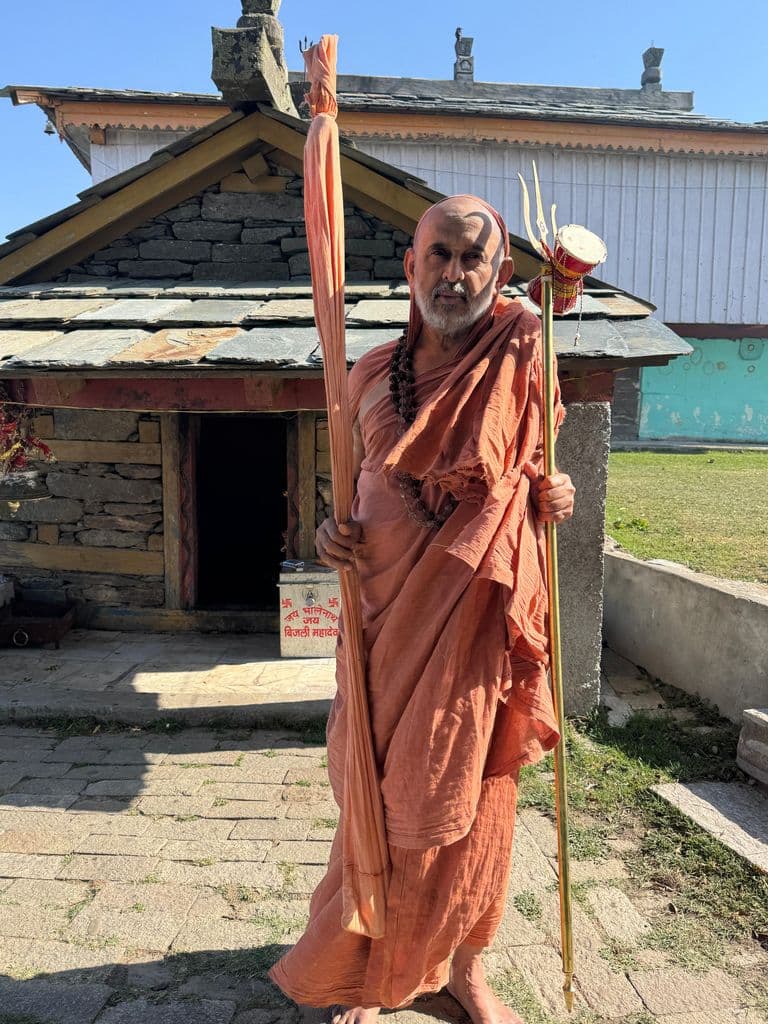
Adi Shankaracharya's Visit
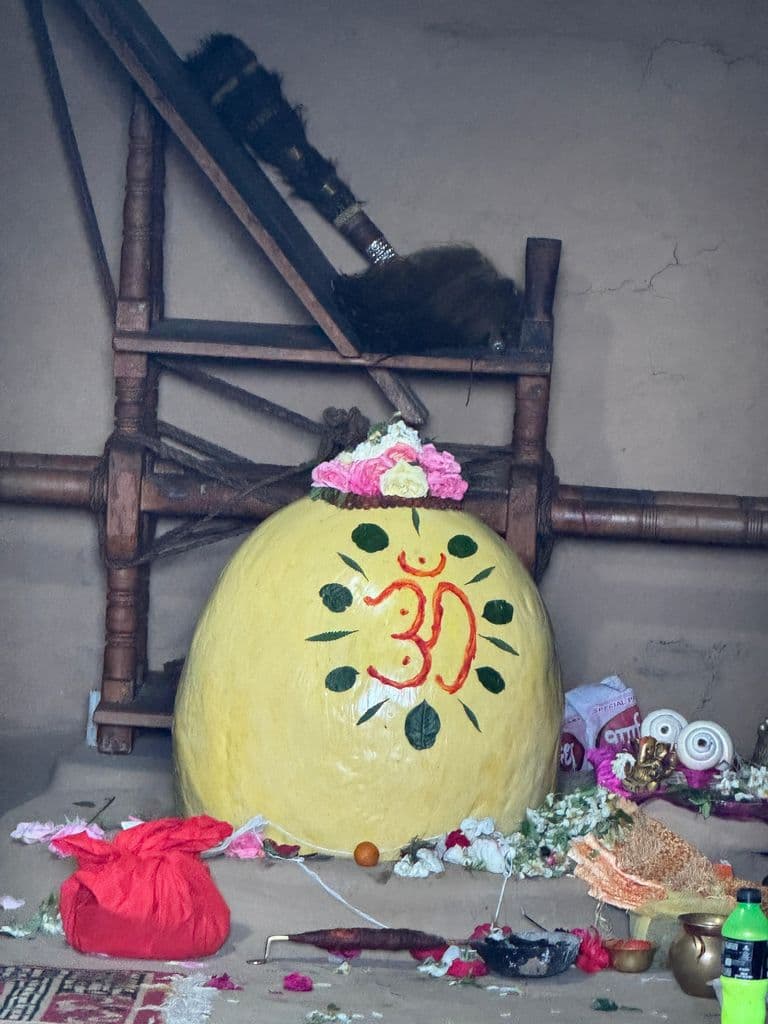
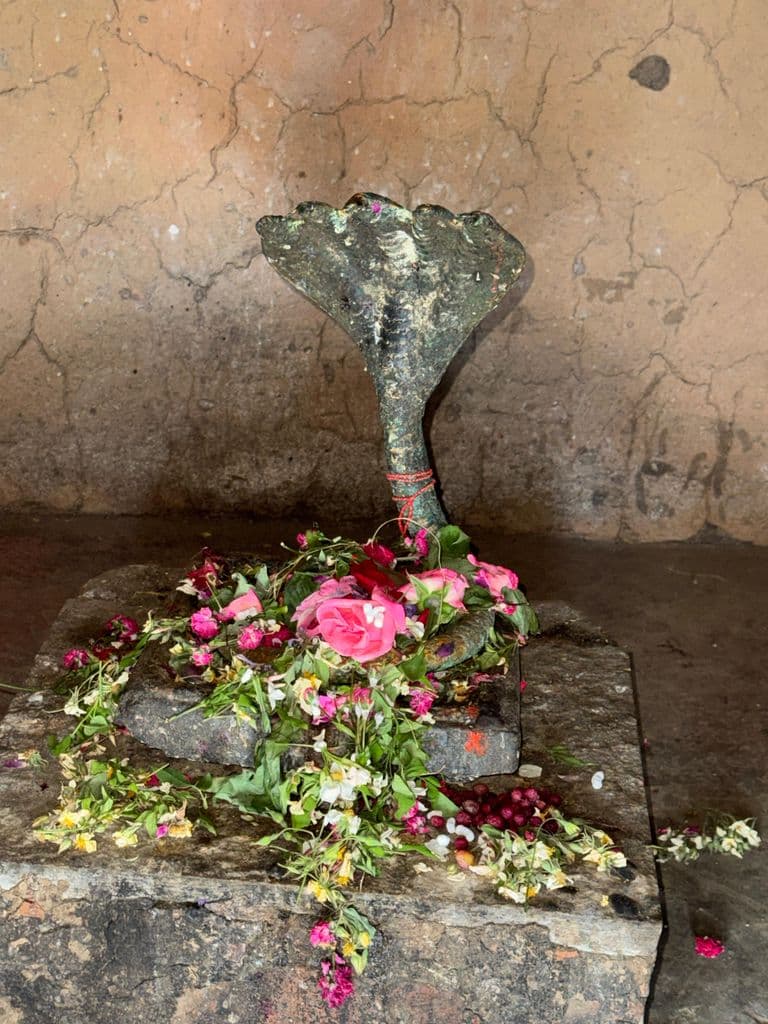
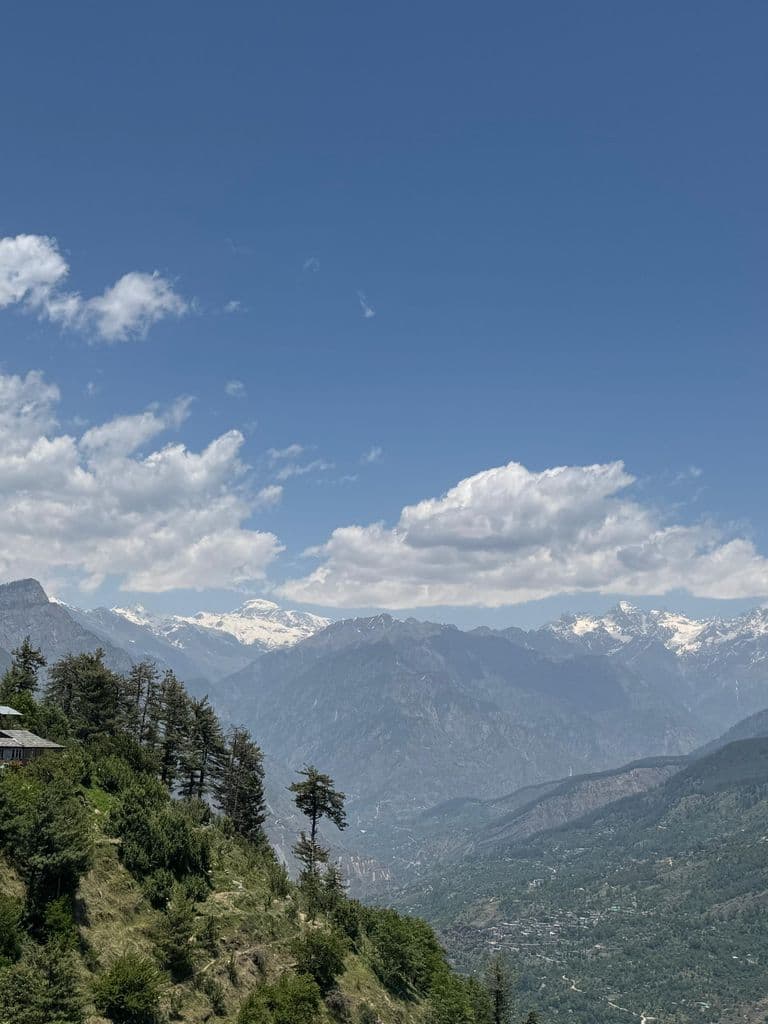
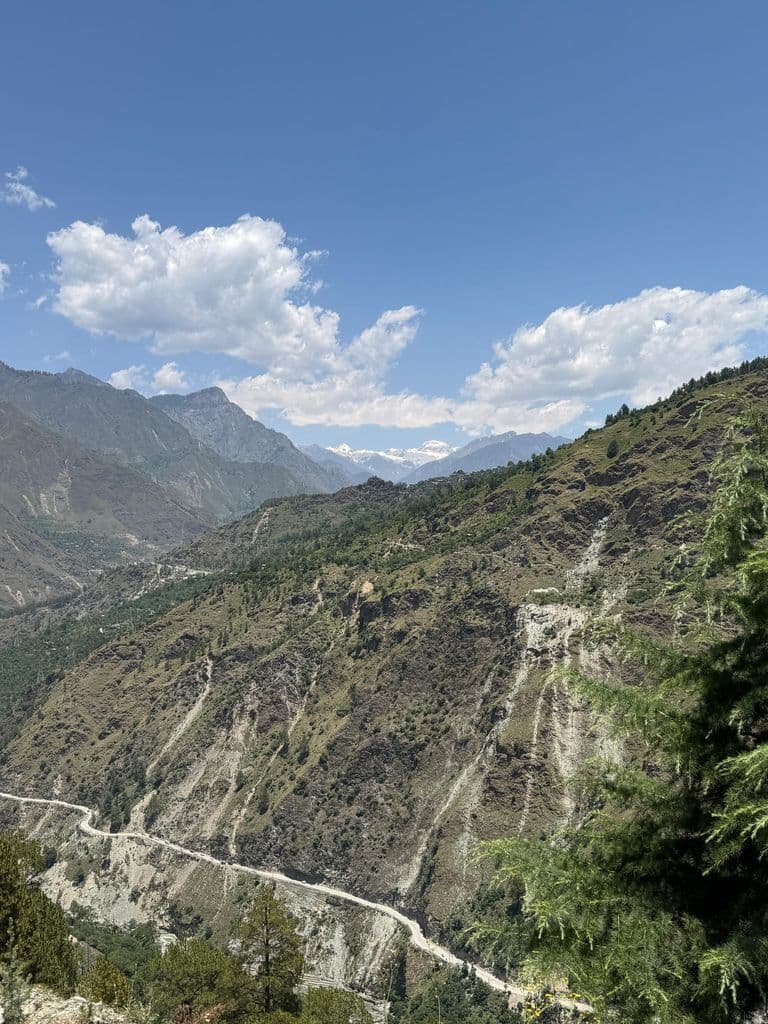
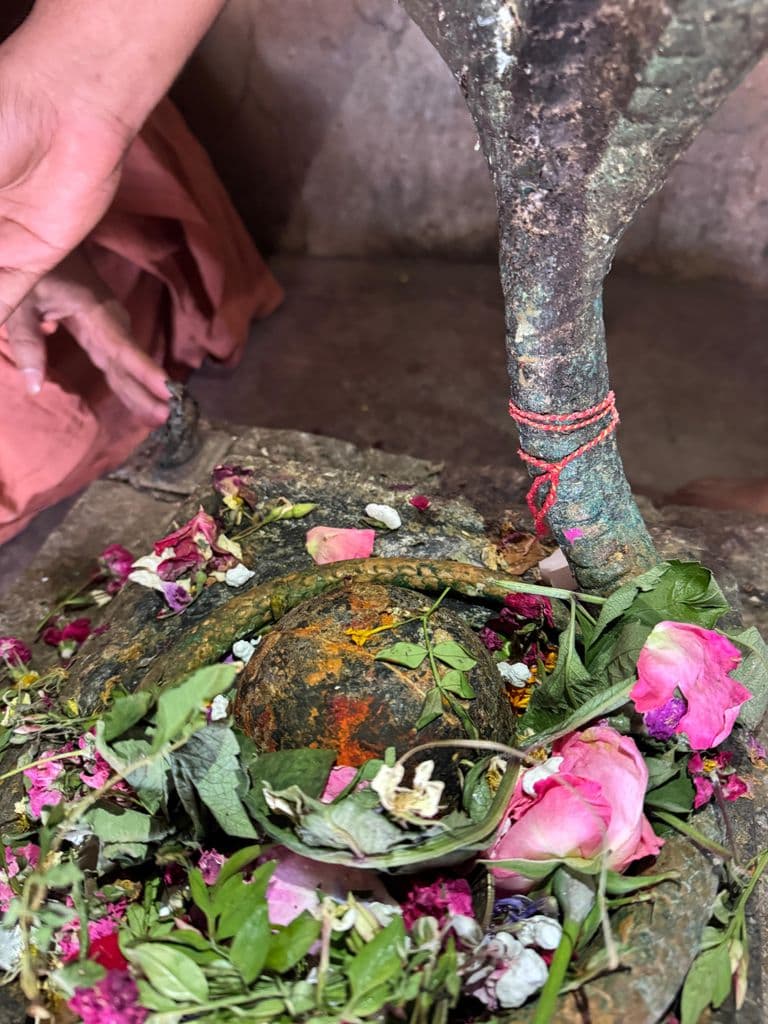
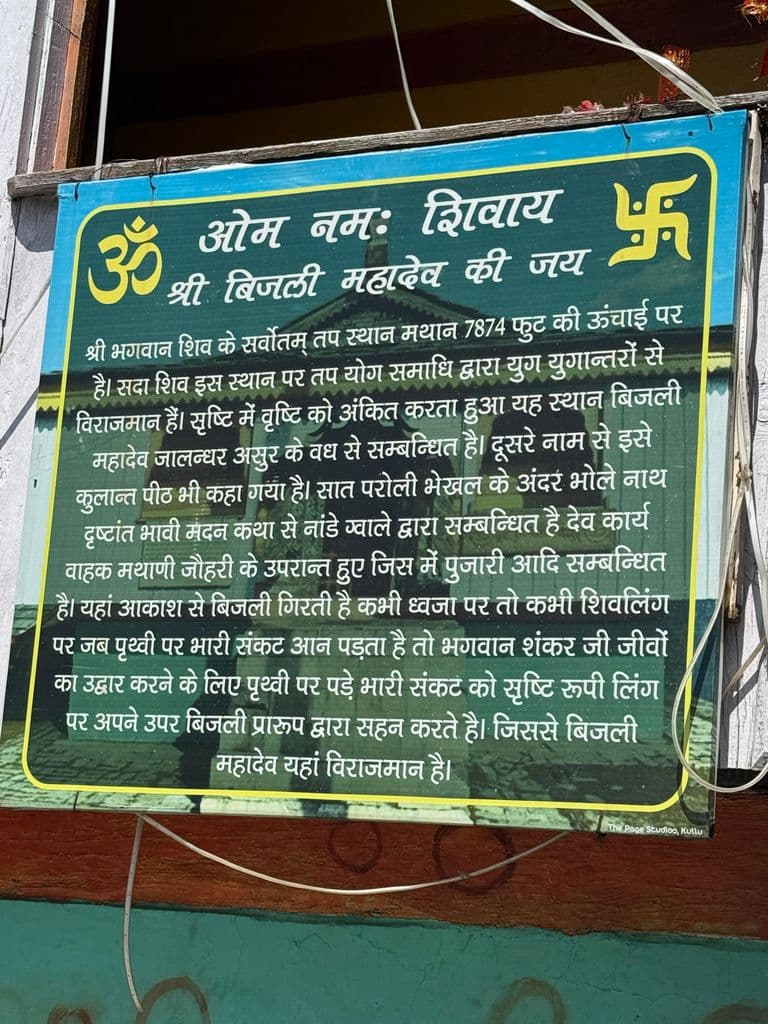
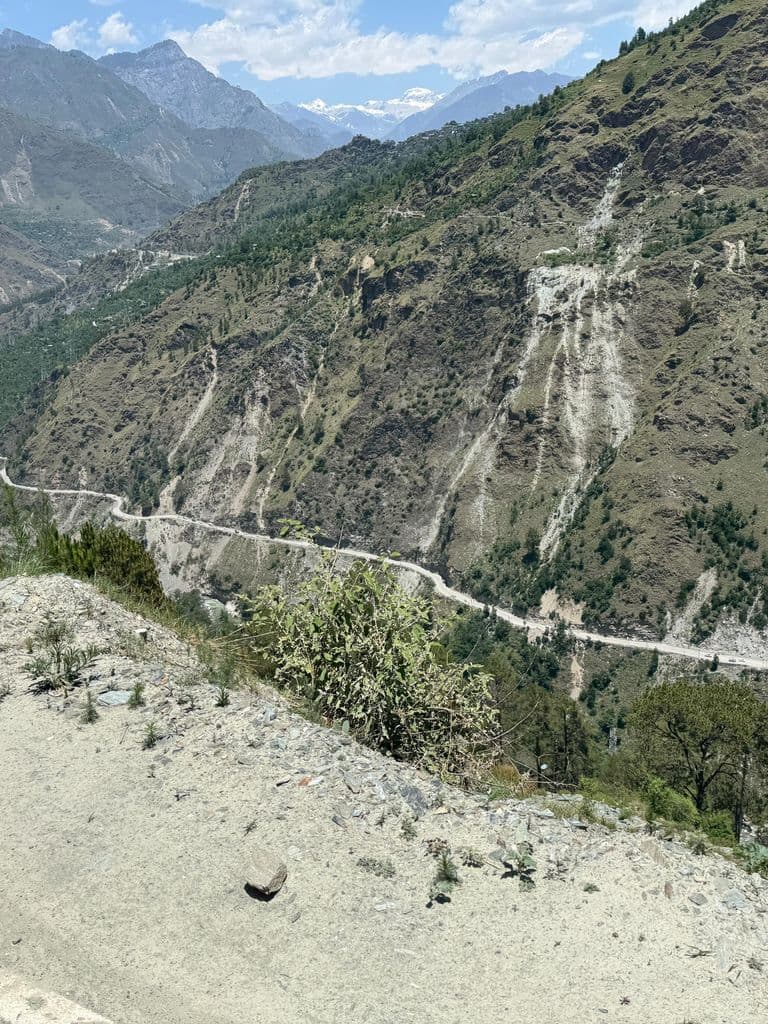
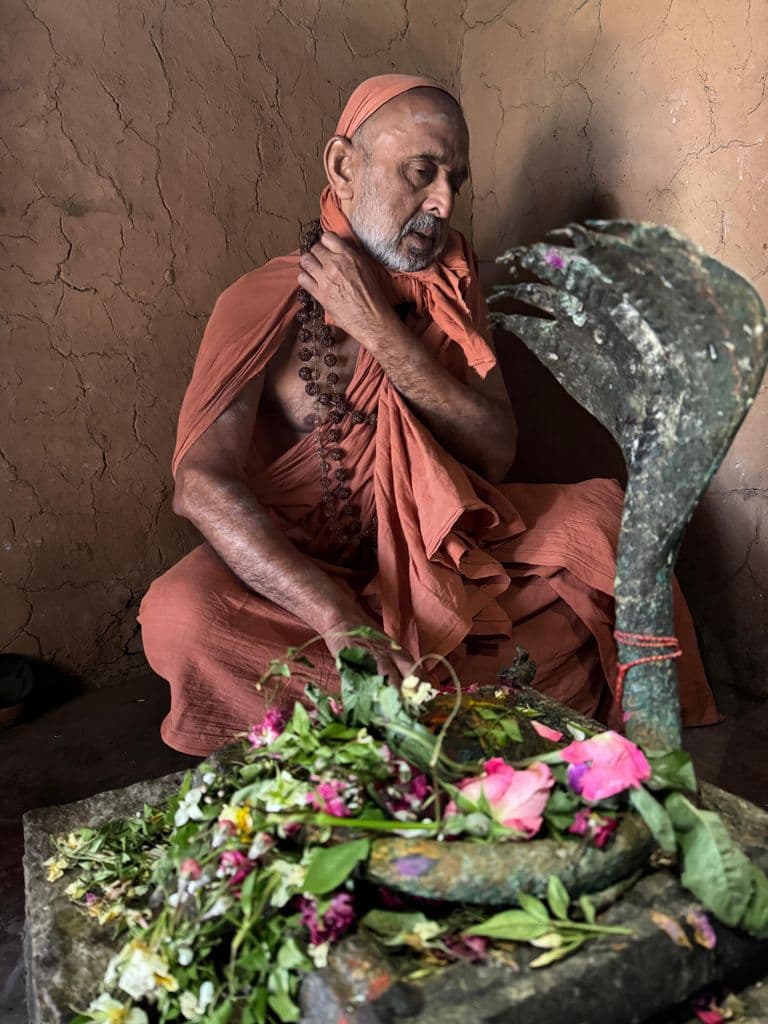
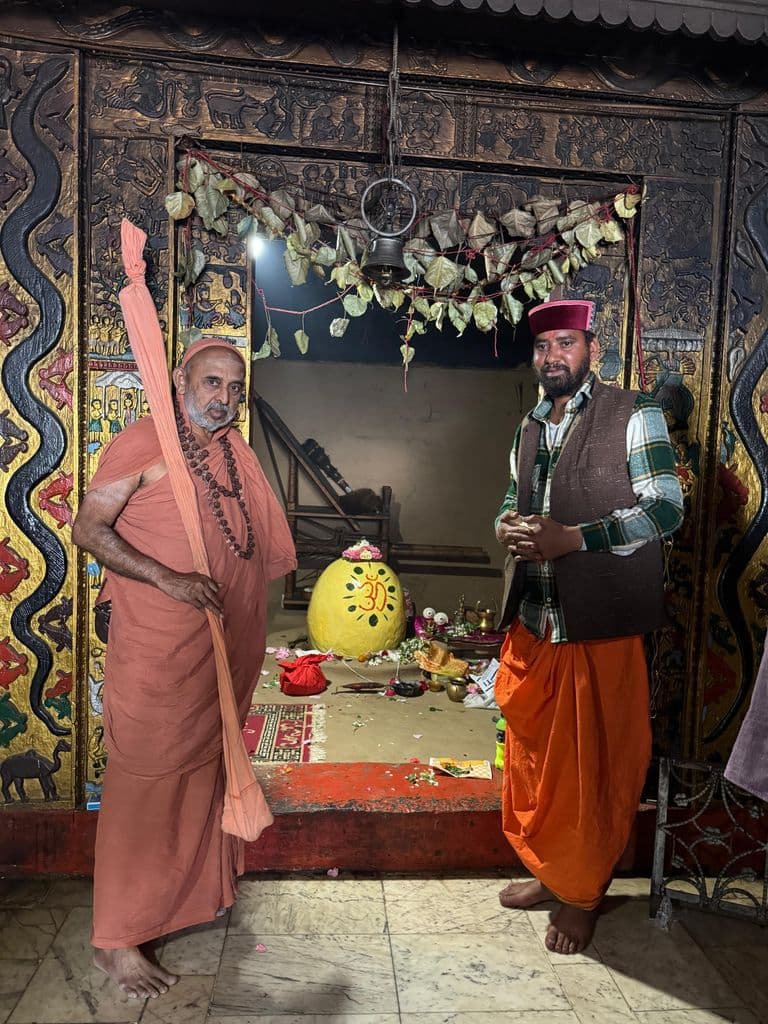
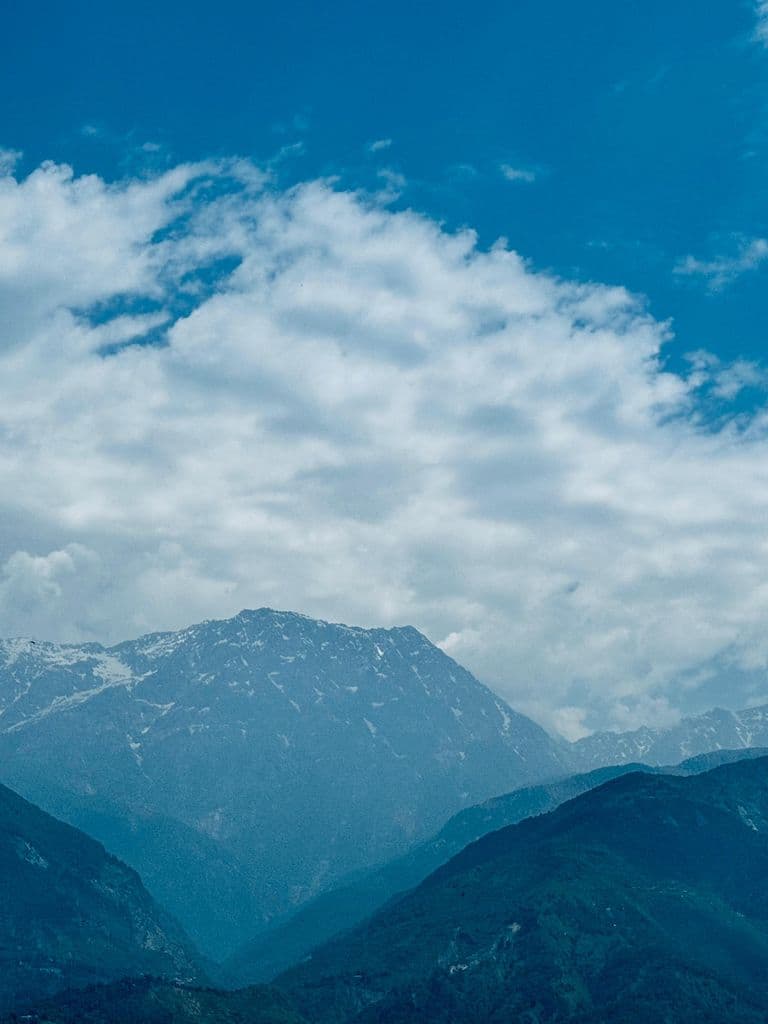
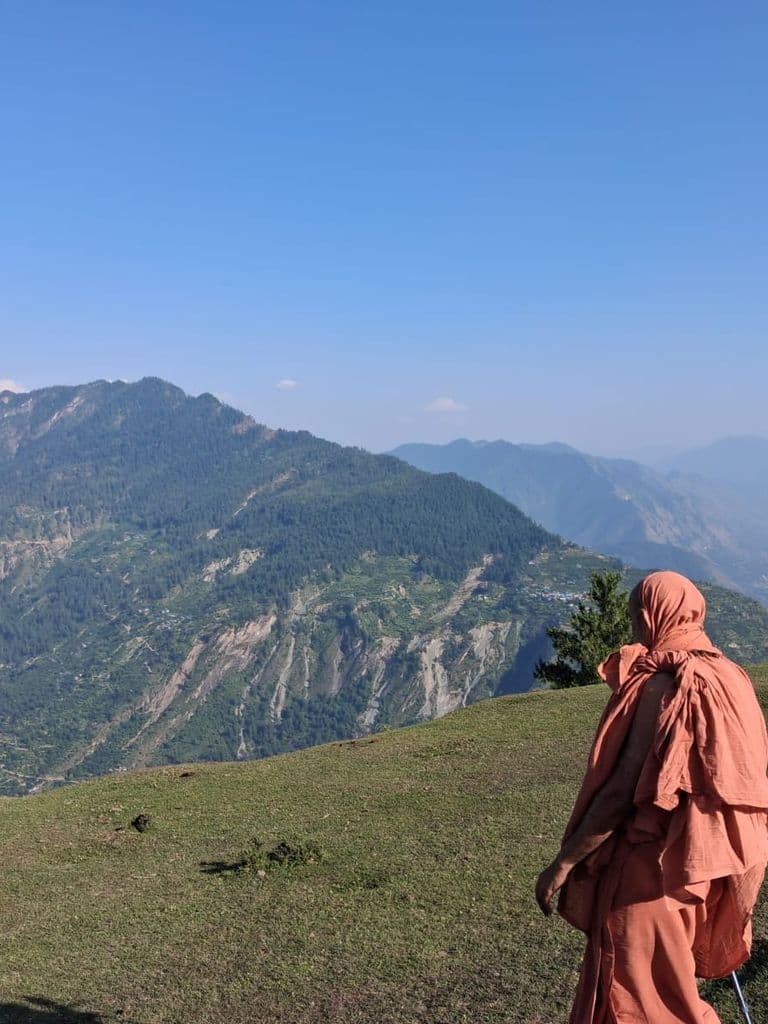
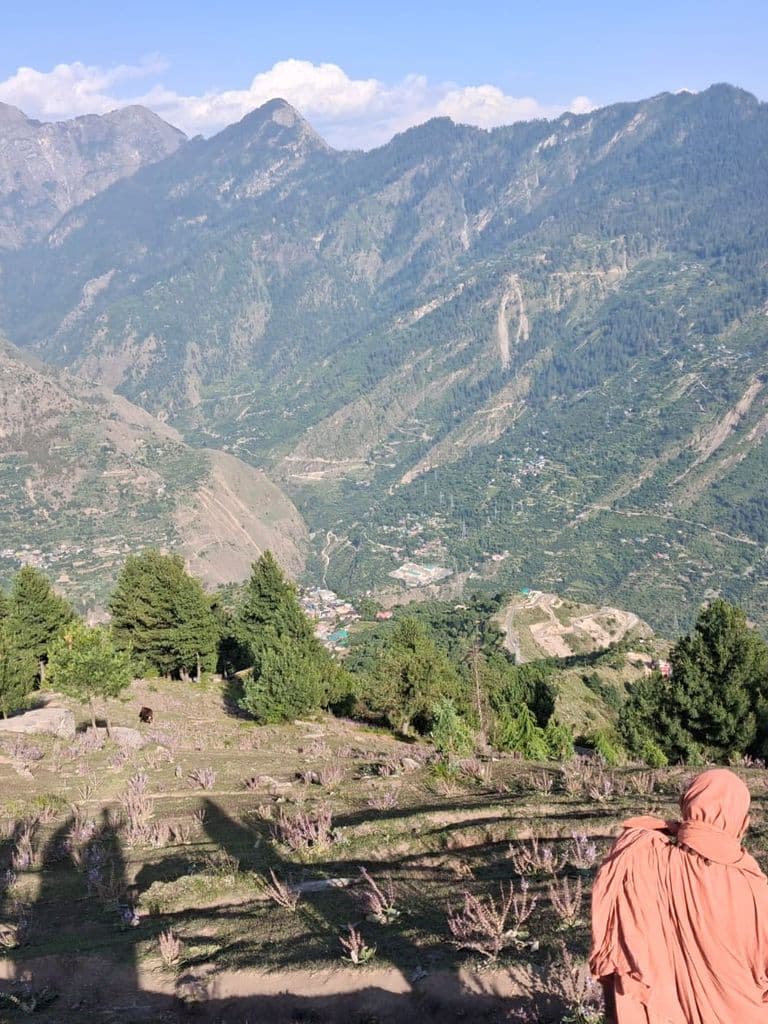
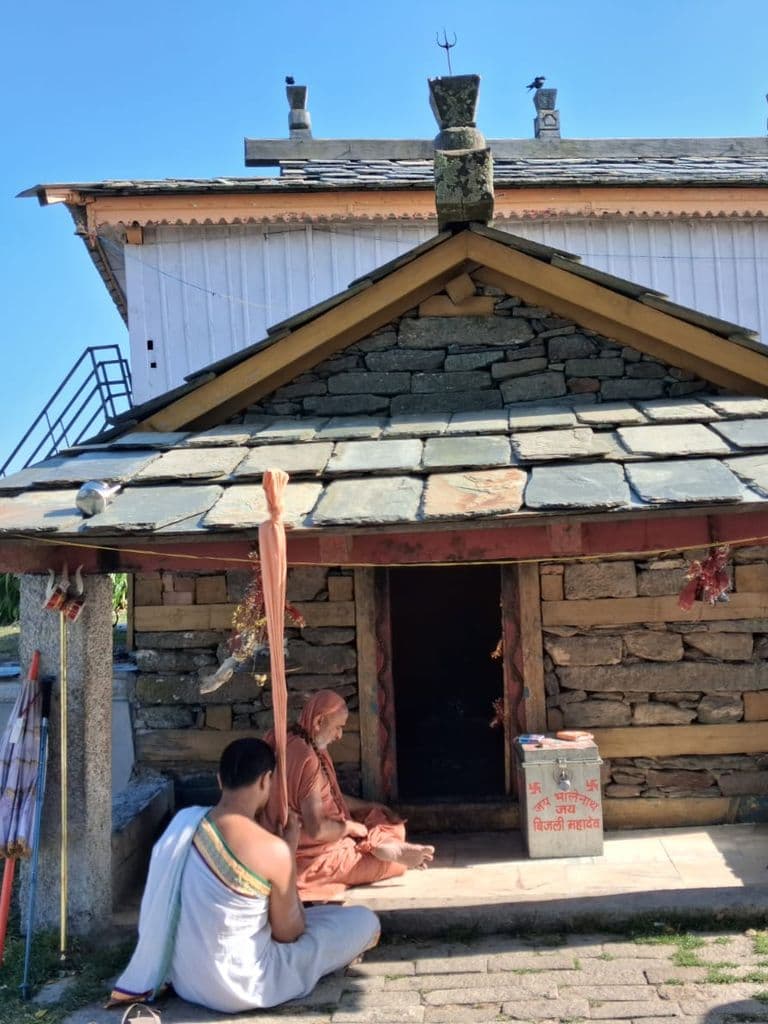
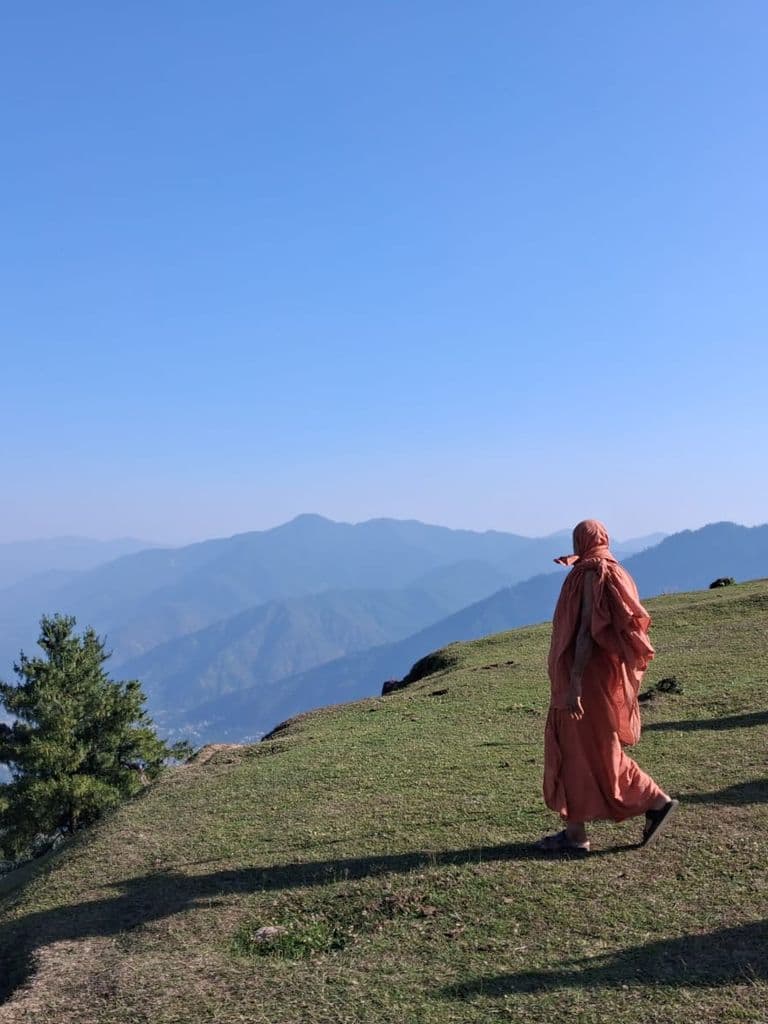
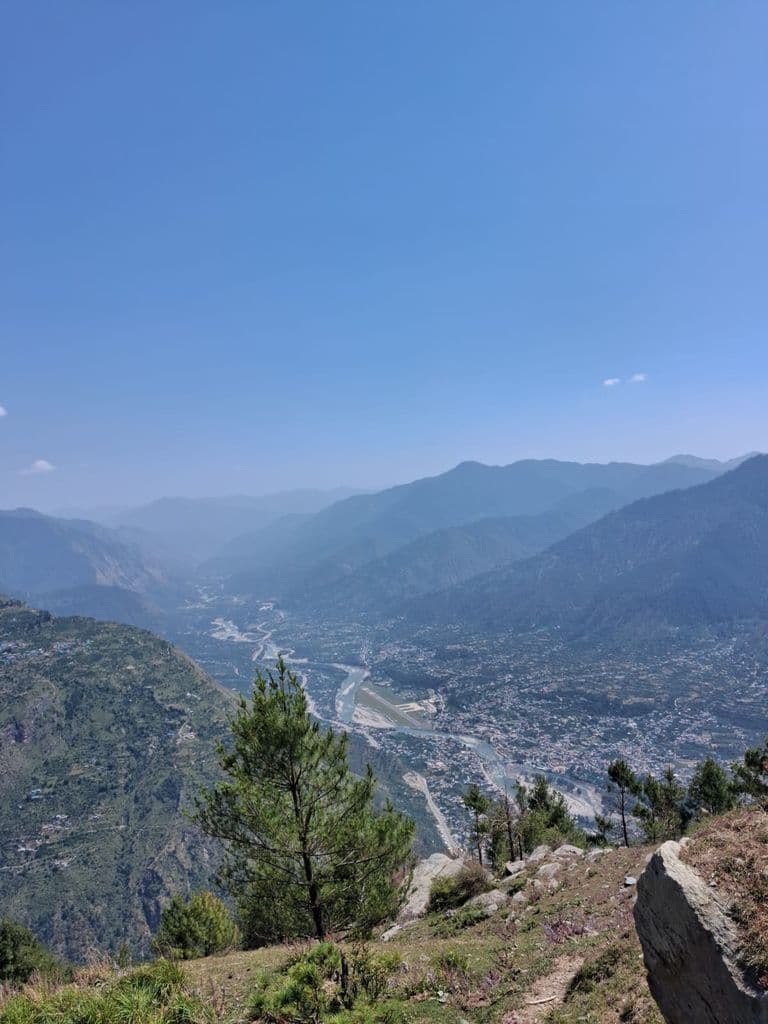
- Perched on Mathan Hill, directly above the confluence of the Parvati and Beas rivers, Bijli Mahadeva is one of the most ancient and sacred Shiva temples in Dev Bhoomi Himachal Pradesh. The name means "Lord of Lightning" — the Shiva Linga here is struck by lightning periodically, shatters into pieces, and is restored by the temple priests using salted butter and sattu — a cycle of cosmic fracture and sacred restoration that has continued unbroken across generations.
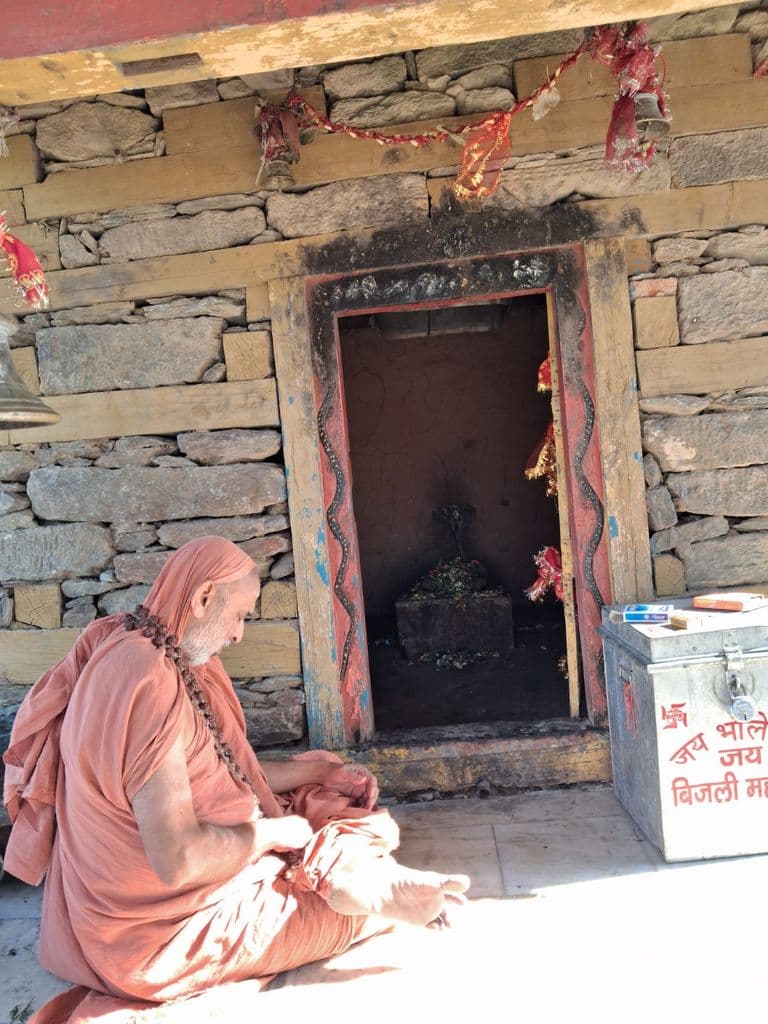
- As per local recitations, Shiva himself is said to have chosen this hilltop to absorb the lightning strikes that once devastated the Kullu Valley — manifesting here as the great protector, taking the force of heaven upon himself so that the valley below may live in peace. Charred patches from past strikes remain visible on the inner temple walls, and a pool of water manifests mysteriously beneath the Linga (as per local recitations)— its source scientifically unexplained to this day.
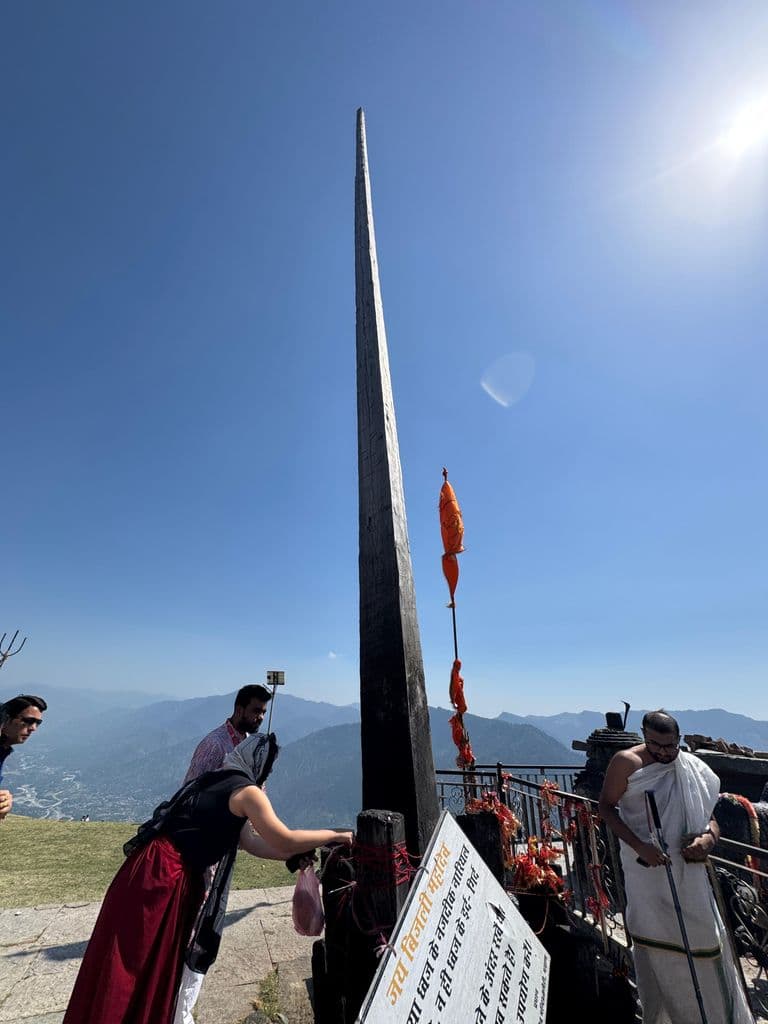
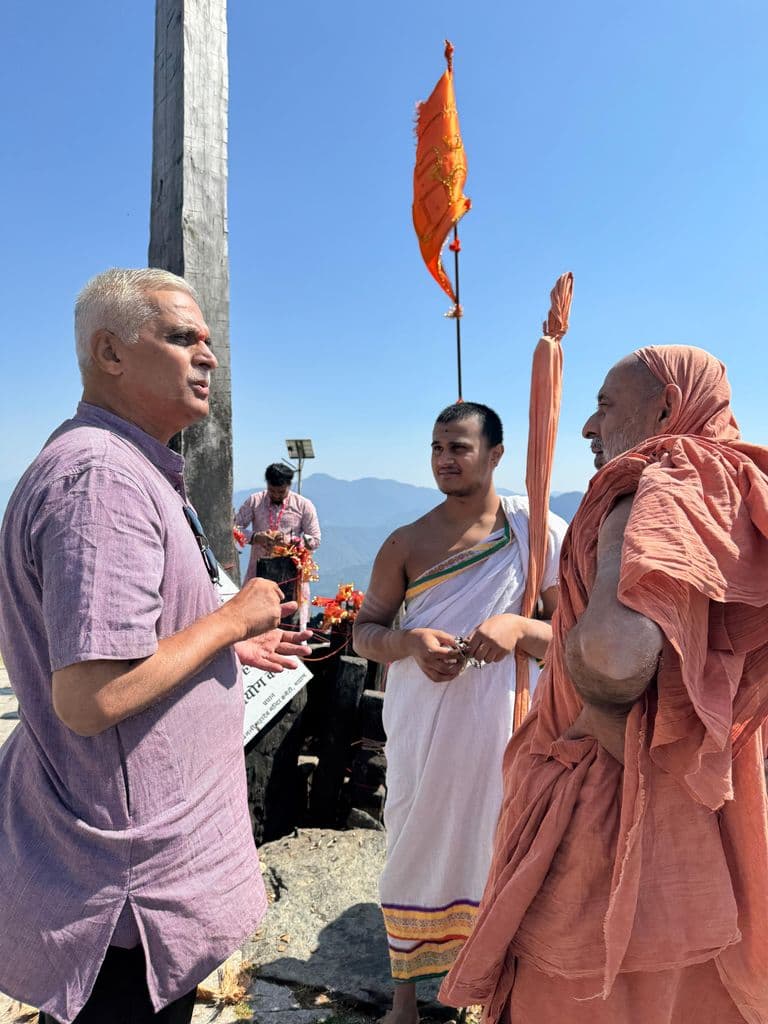
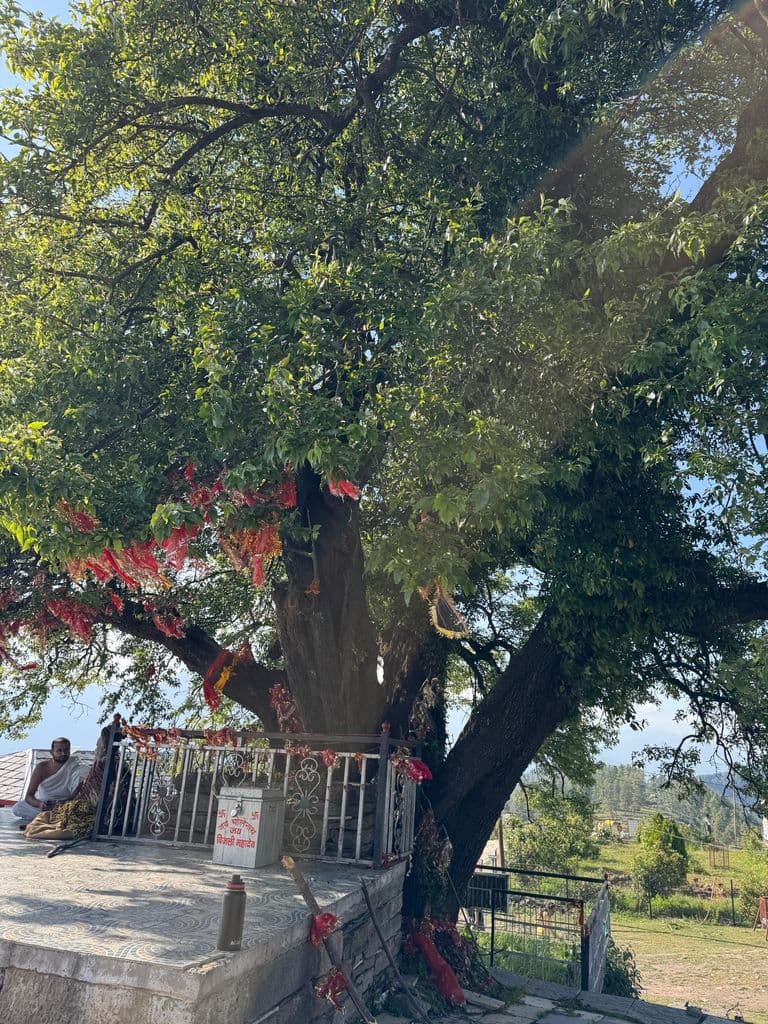
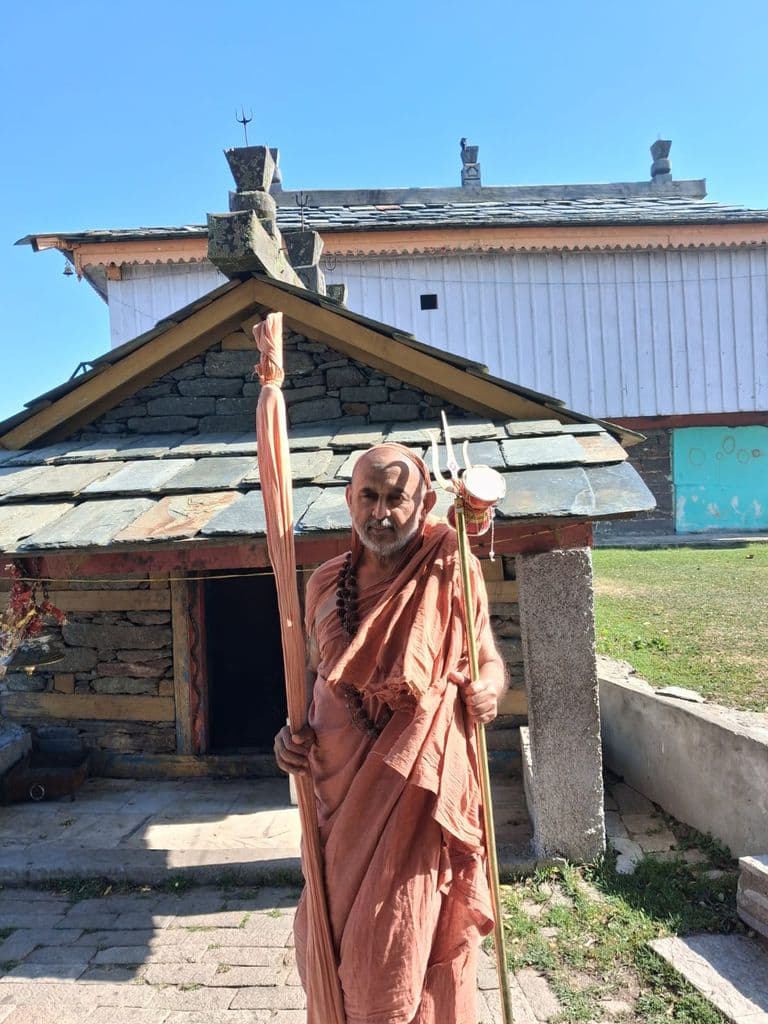
- A single Deodar tree, fashioned into a 20-metre staff, stands before the shrine — said to draw the divine lightning to the Linga year after year.
- Adi Shankaracharya stayed at this kshetra for nine days during his Yatra — and the mark he left is of a precise theological order. In front of the Mahadeva shrine, Adi Shankaracharya consecrated five Ishwara Lingas in the explicit kalpana of Pancha Kedara — bringing the five sacred Himalayan Shiva manifestations together within one kshetra, so that the full Pancha Kedar darshana becomes available to every devotee at this single sacred ground.
- That Shankaracharya chose Bijli Mahadeva — where the Linga resurrects with every lightning strike, where Shiva absorbs all destructive force to protect his devotees — as the site of his Pancha Kedar Pratishtha is profoundly intentional. The five Lingas stand here not merely as consecrated stone but as a living theological architecture, charged by the Acharya's nine-day presence and held in place by the same Shiva who has protected this valley since time immemorial.
The above findings are based on local recitations and living traditions, as well as inscriptions and markers observed at the site, supported by available historical references, certain scientific observations, and guidance from the Shastras. As our understanding continues to evolve, we will update this account from time to time as additional insights and information emerge from local communities and further study.
Do you have more information about this location, or any questions or feedback?
✉ Write to UsPhotos