Uttarakhand
Śāṅkara Jyoti Prakāśa · शाङ्कर ज्योति प्रकाश
Bharat Mandir - Rishikesh
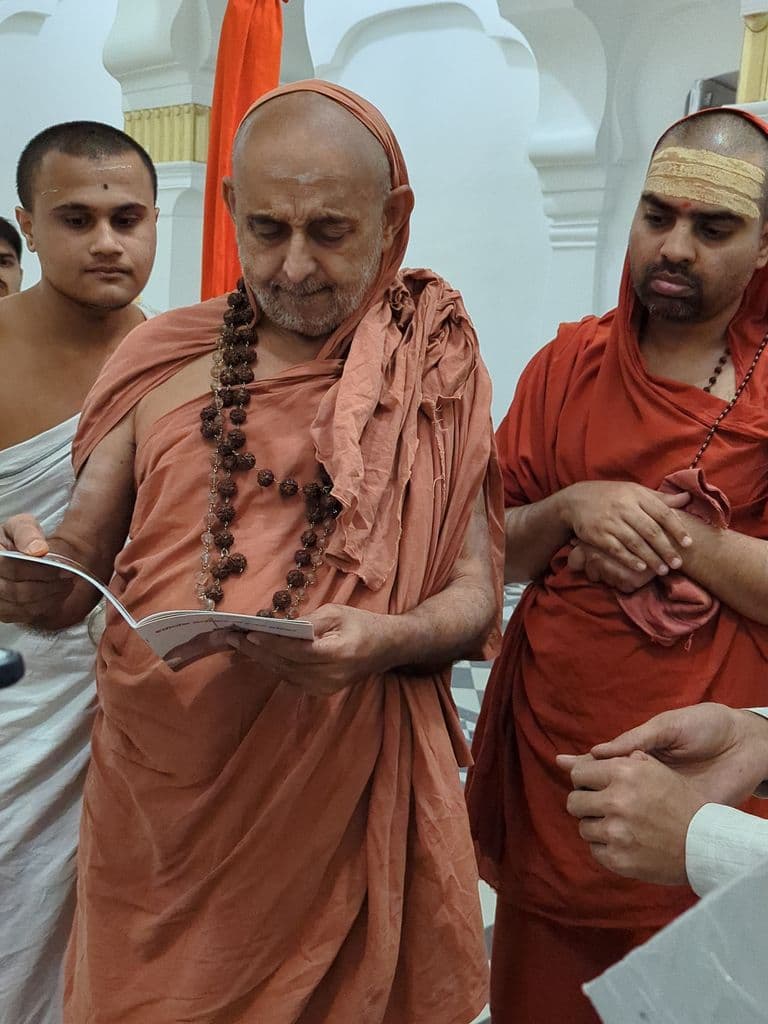
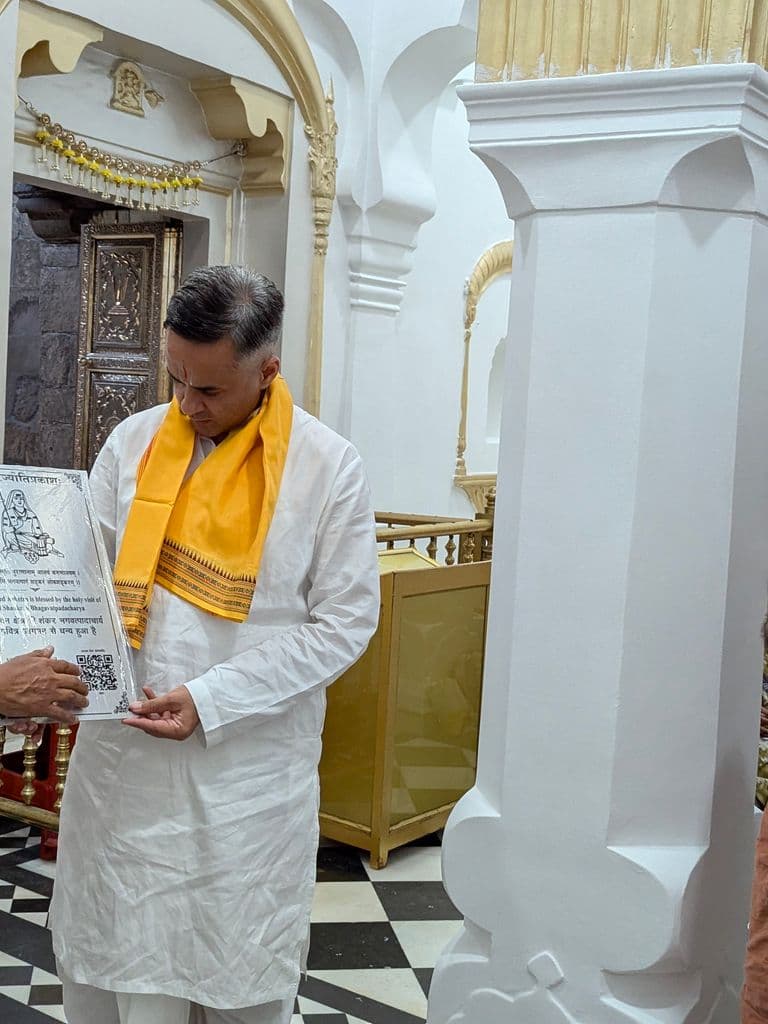
Visited 7 October 2026 during the 2026 Sampoorna Bharata Yatra.
Adi Shankaracharya's Visit
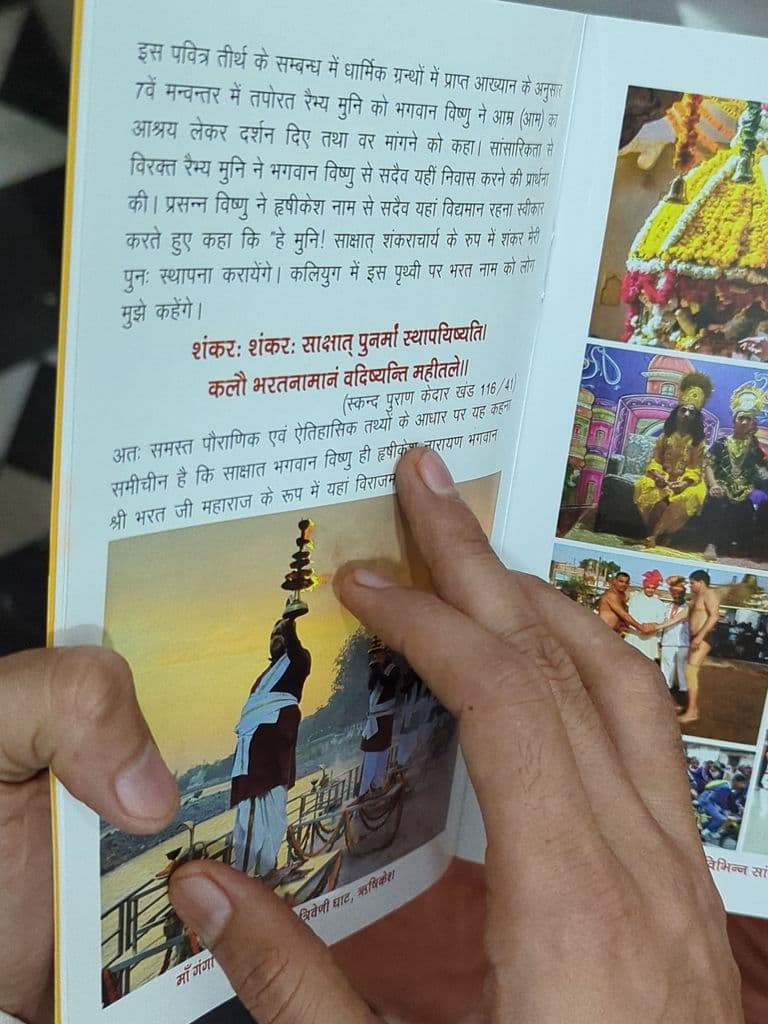
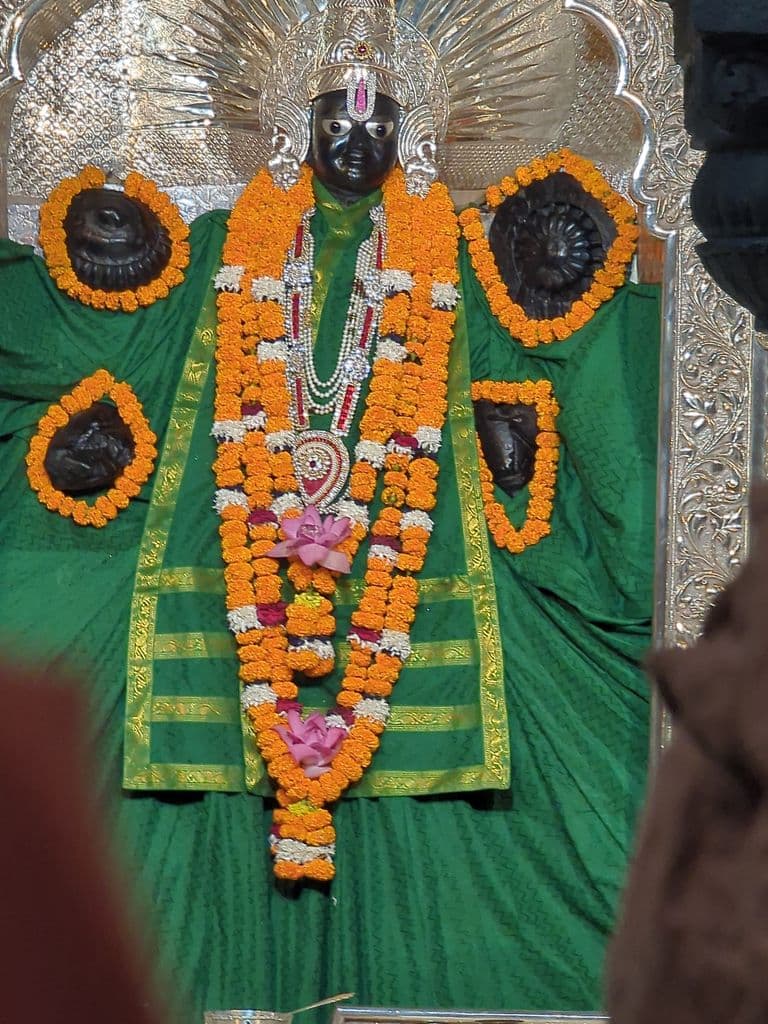
- At the heart of ancient Rishikesh stands Bharat Mandir, the sacred shrine of Hrishikesh Narayan, Bhagavān Viṣṇu, whose presence gives the kṣetra its very name. The Skanda Purāṇa, as traditionally cited at the temple, recounts the tapasya of Raibhya Ṛṣi, before whom Lord Viṣṇu manifested and granted the sage his wish to remain eternally at this sacred spot. He declared that He would be known here as Hrishikesh Narayan and, in Kali Yuga, as Bharat. Thus Bharat Mandir is not merely a temple within Rishikesh; in the sacred tradition of the kṣetra, the history of Bharat Mandir and the history of Hrishikesh are inseparable.
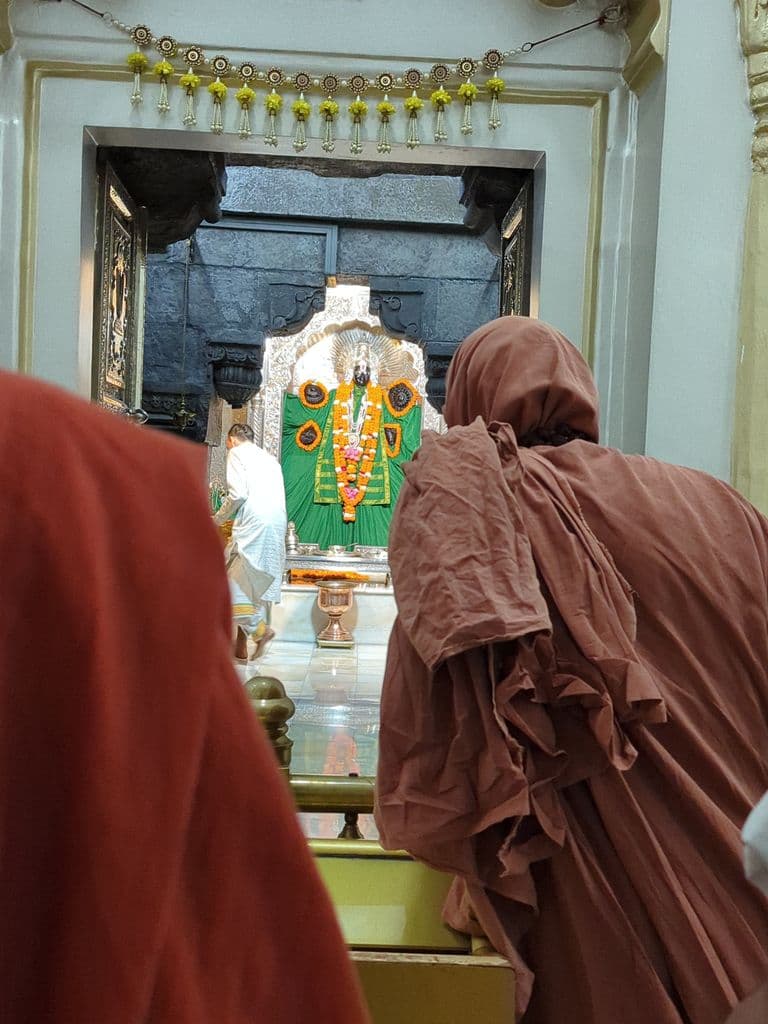
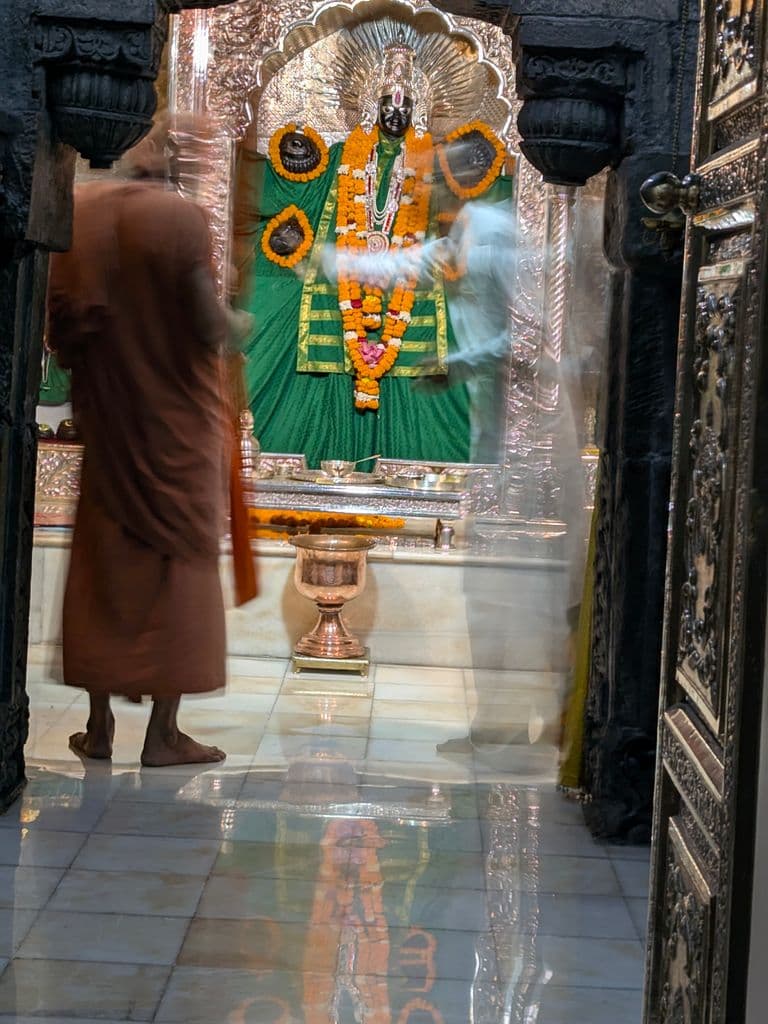
- The principal deity is a magnificent four-armed form of Viṣṇu, carved from a single piece of black Śālagrāma stone, bearing Śaṅkha, Chakra, Gadā and Padma.
- The temple also preserves a remarkable memory of Ādi Śaṅkarācārya and the restoration of Vaidika worship at Hrishikesh. Local recitations place this episode in the 8th century, when the ancient image of Hrishikesh Narayan, which had been concealed at Māyakund for its protection during a period of upheaval, was recovered and re-established in the temple with Prāṇa Pratiṣṭhā by Ādi Śaṅkarācārya.
- The temple's own account dates the reinstallation to Vasanta Pañcamī. Local accounts further preserve the memory that the restoration of the temple was facilitated under the patronage of the ruling authority of the time; rather than attributing the physical reconstruction directly to Śaṅkara, the tradition remembers his role as the spiritual force behind the revival of the kṣetra.
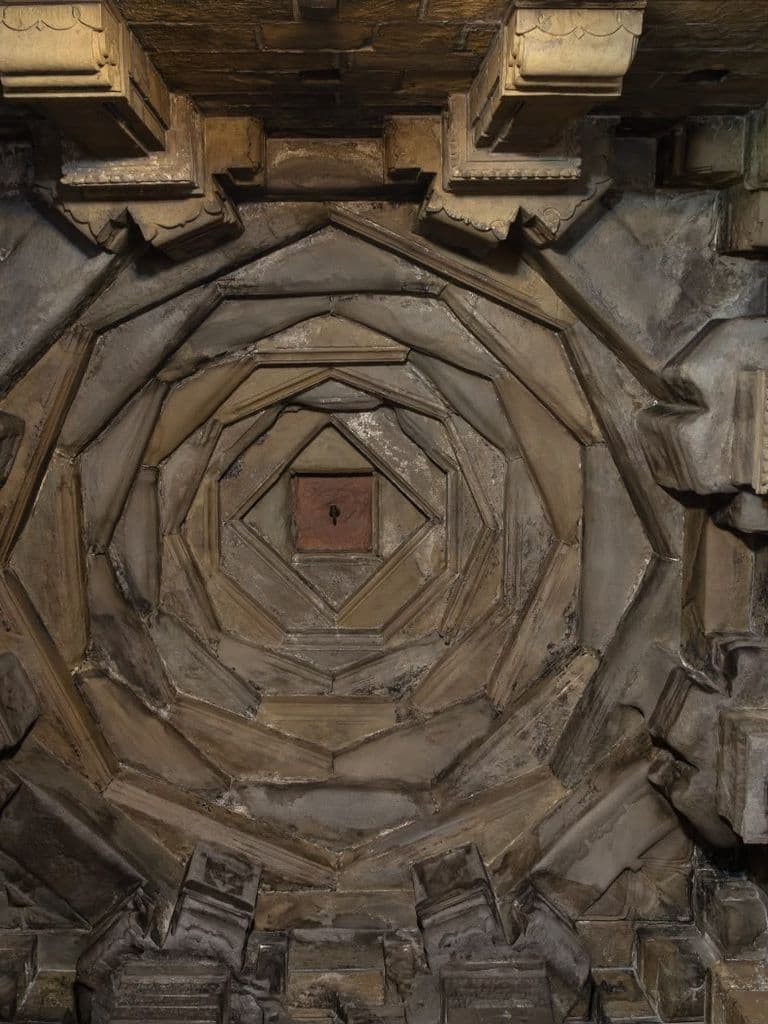
- Above the sanctum, within the inner dome of the temple's Gopura, is the Śrī Yantra, traditionally attributed to Ādi Śaṅkarācārya. Its placement above Hrishikesh Narayan is especially unique and significant.
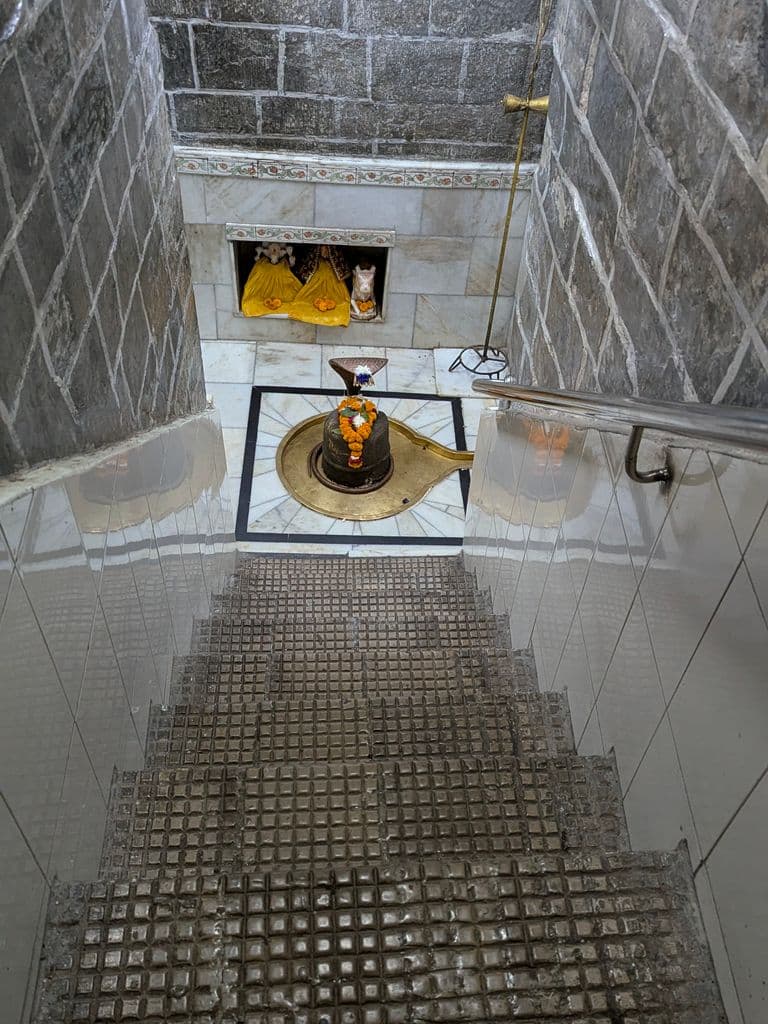
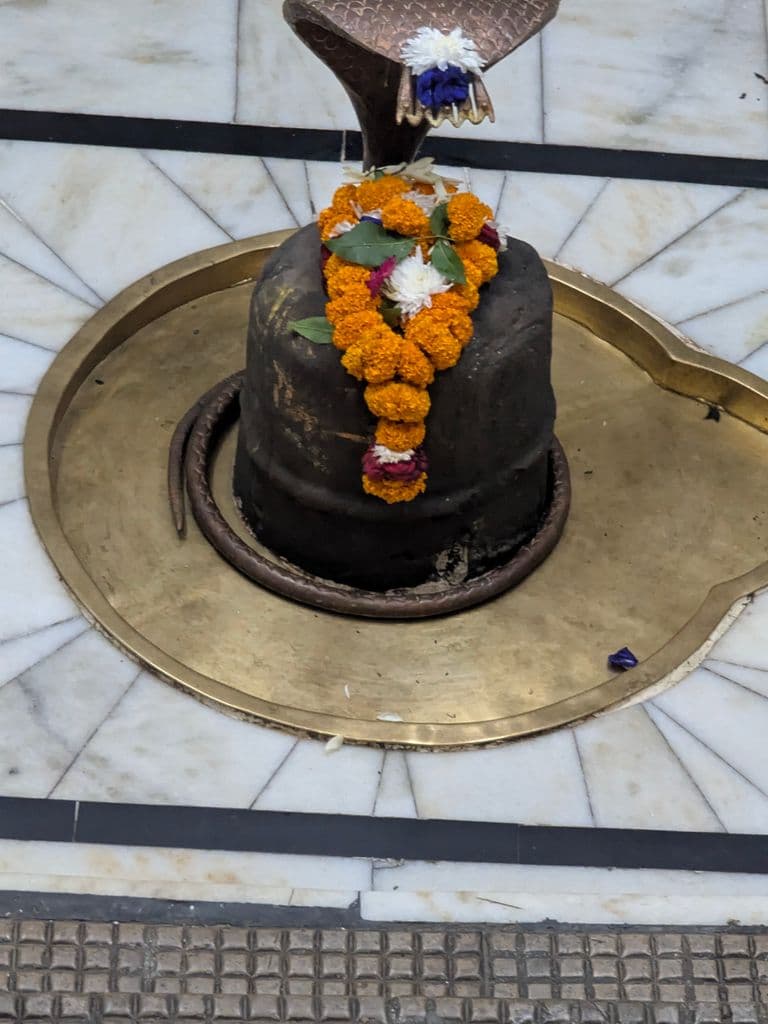
- The presence of Śiva alongside Viṣṇu is made explicit within the temple complex itself. To the south of the circumambulatory path stands Pātāleśvara Mahādeva, whose shrine is traditionally regarded as one of the important Śiva temples of Hrishikesh and as a symbol of harmony between the Śaiva and Vaiṣṇava traditions. The temple precinct therefore brings together Hrishikesh Narayan, Pātāleśvara Mahādeva and Sri Chakra, reflecting the integrated sacred character of the kṣetra.
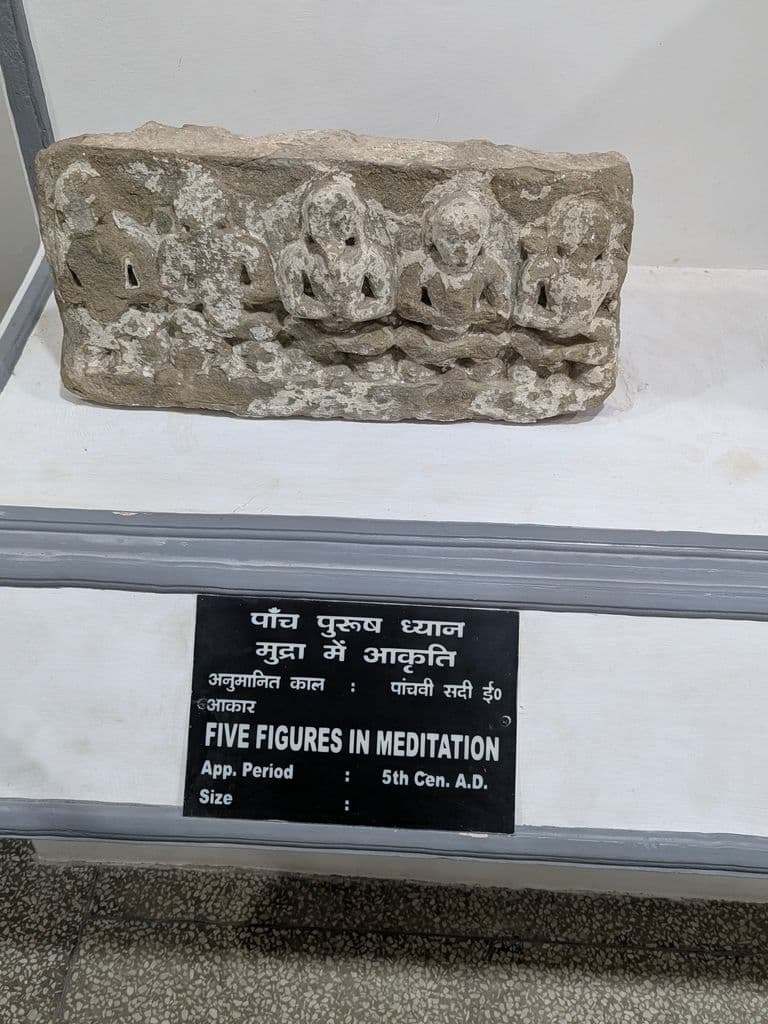
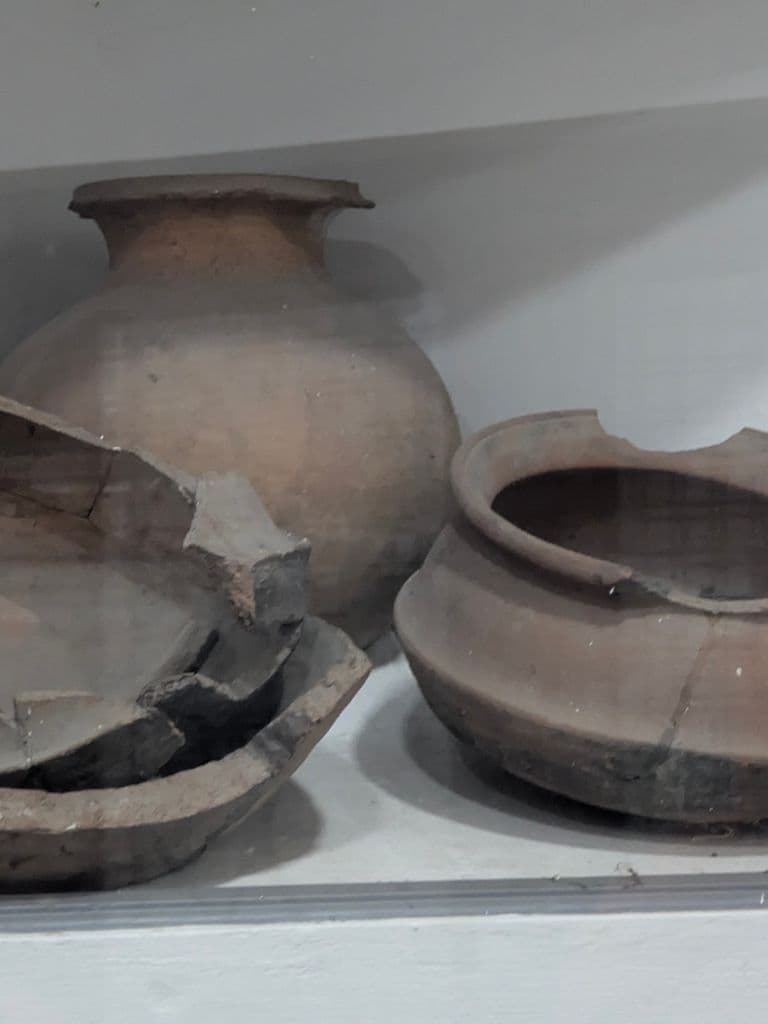
- The antiquity of Bharat Mandir is further reflected in its archaeological museum, which preserves pottery, bricks and sculptures recovered from excavations within the precinct and is associated with Adi Shankaracharya (includes a Pot and a Plate offered by the villagers and used by Adi Shankaracharya during the stay here). The temple records that these artefacts have been dated by archaeological authorities to periods ranging from approximately the 3rd to the 14th century CE. Amongst the other objects associated with the precinct are ancient images of Viṣṇu and other figures, making the museum itself a valuable window into the long civilizational history of Hrishikesh.
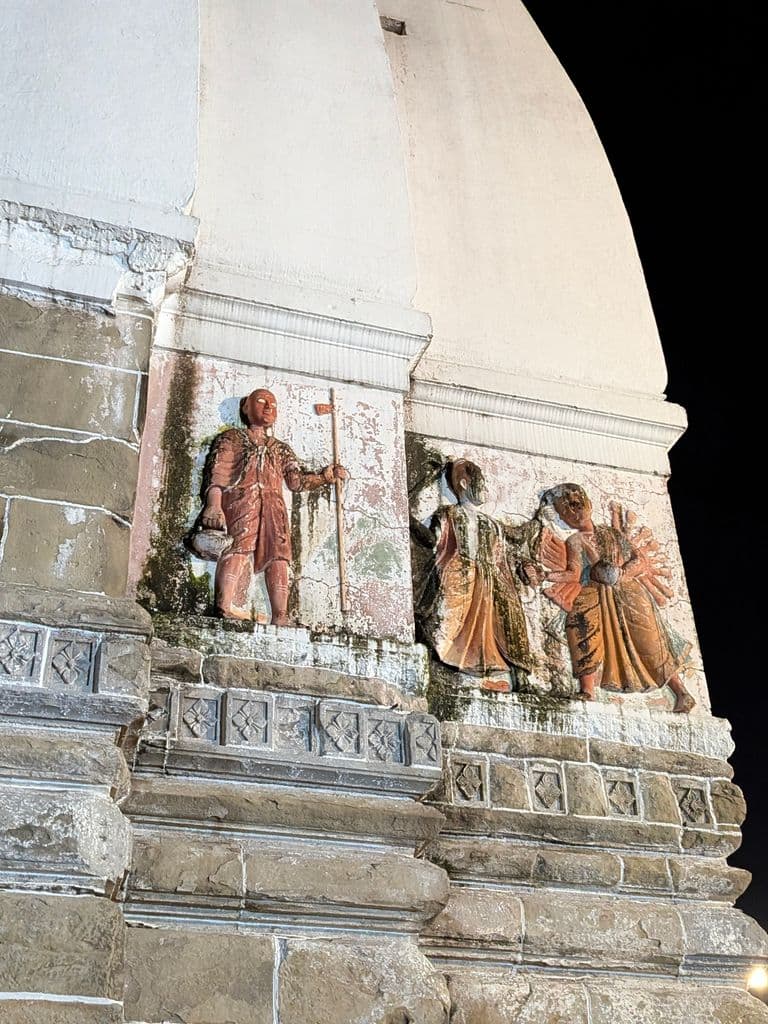
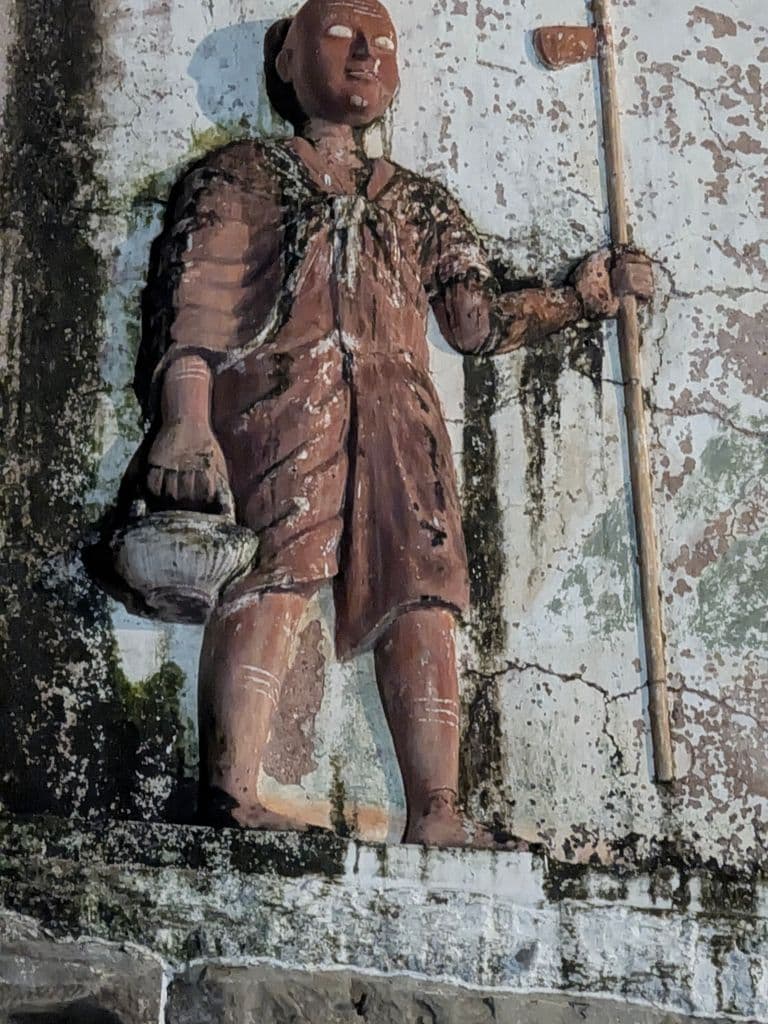
- The living tradition also preserves a particularly intimate memory of Śaṅkarācārya through objects and representations associated with him. On the temple's exterior is a standing yati figure bearing a kamaṇḍalu and daṇḍa, traditionally identified with Ādi Śaṅkarācārya. Within the wider temple tradition, this image, together with the remembered objects associated with Śaṅkara's stay and worship, keeps alive a connection that is not confined to textual history but is embedded in the physical landscape of the kṣetra. These traditions, together with the reinstallation of Hrishikesh Narayan and the Śrī Yantra, make Bharat Mandir a particularly significant point in the Shaankara Jyothi Prakasha Yatra—a place where the ancient Vaidika sacred geography of Hrishikesh and the work of Ādi Śaṅkarācārya's revival come together.
The above findings are based on local recitations and living traditions, as well as inscriptions and markers observed at the site, supported by available historical references, certain scientific observations, and guidance from the Shastras. As our understanding continues to evolve, we will update this account from time to time as additional insights and information emerge from local communities and further study.
Do you have more information about this location, or any questions or feedback?
✉ Write to UsPhotos