Uttarakhand
Śāṅkara Jyoti Prakāśa · शाङ्कर ज्योति प्रकाश
Badrinath
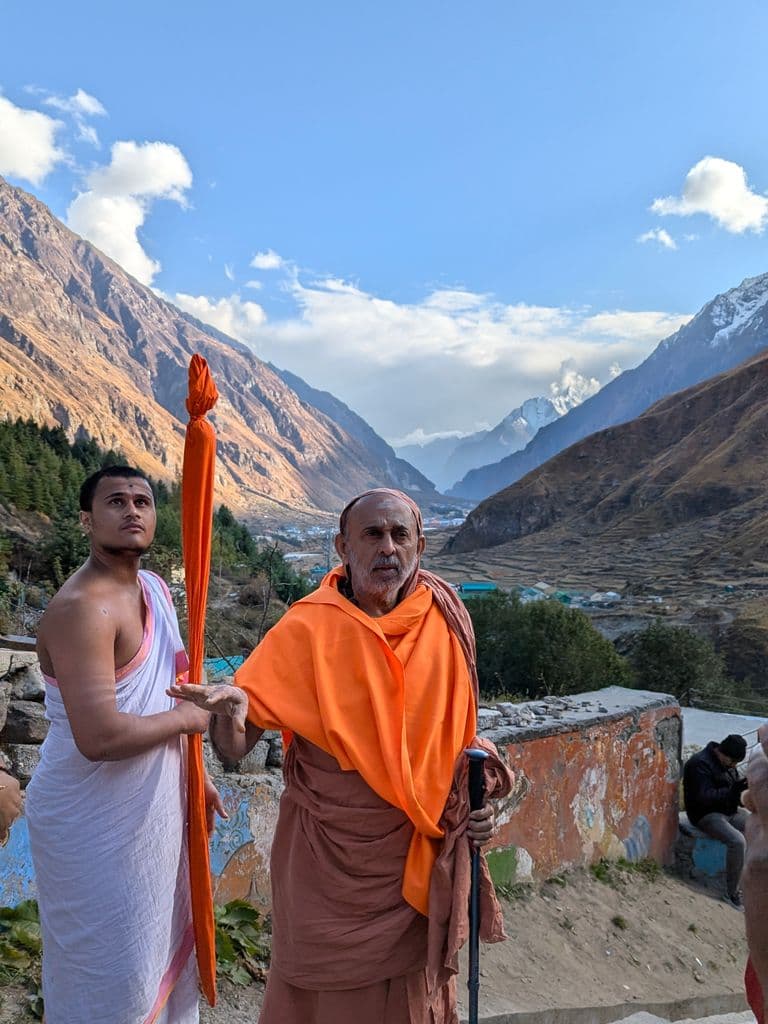
Visited 25 October 2026 during the 2026 Sampoorna Bharata Yatra.
Adi Shankaracharya's Visit
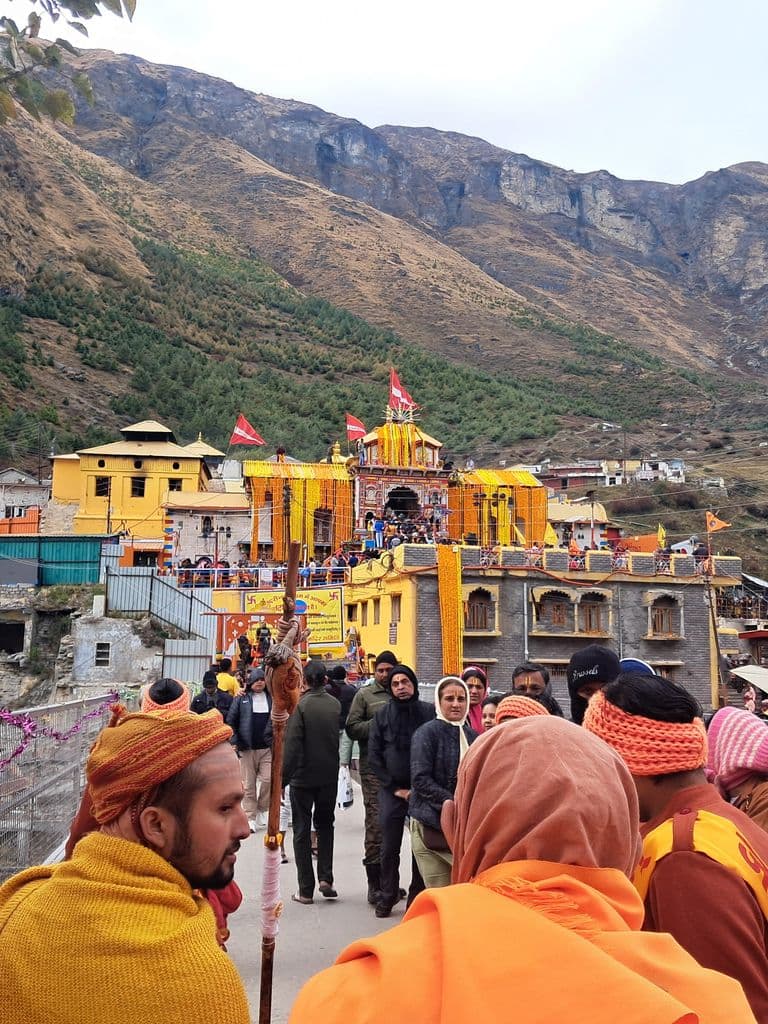
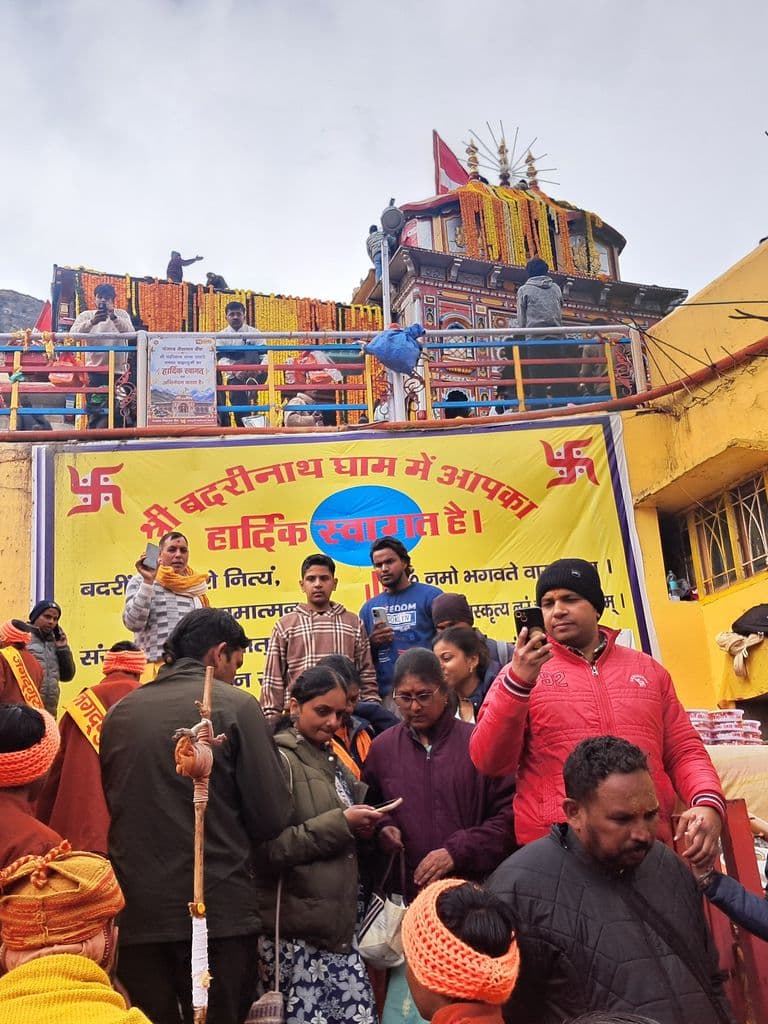
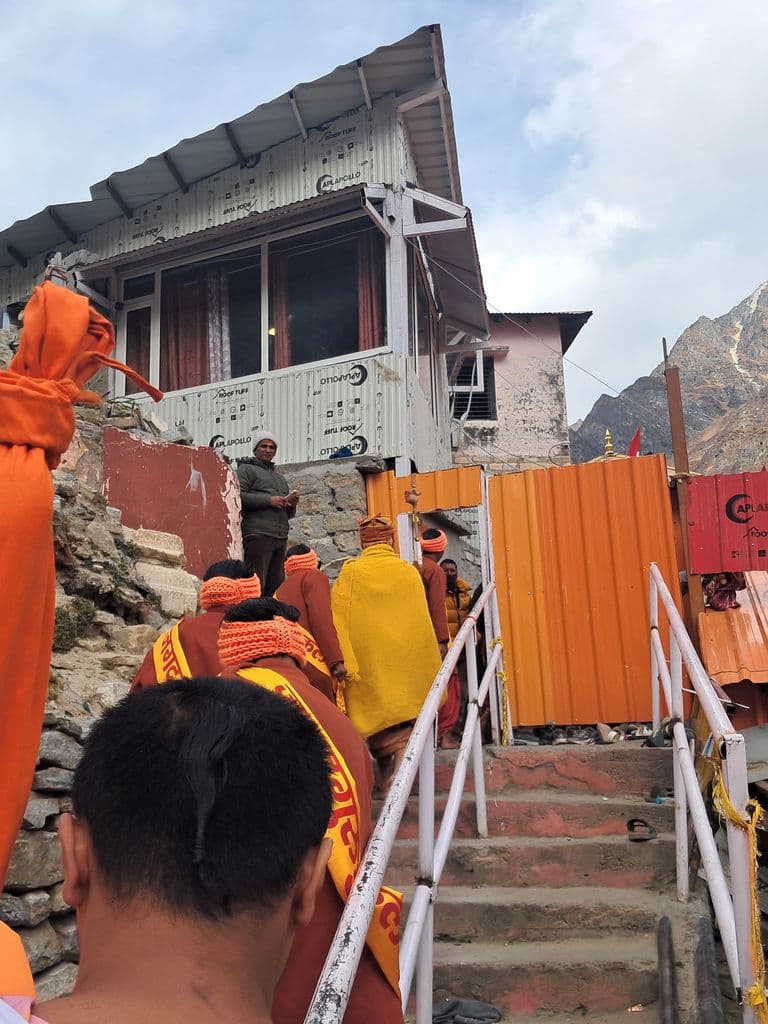
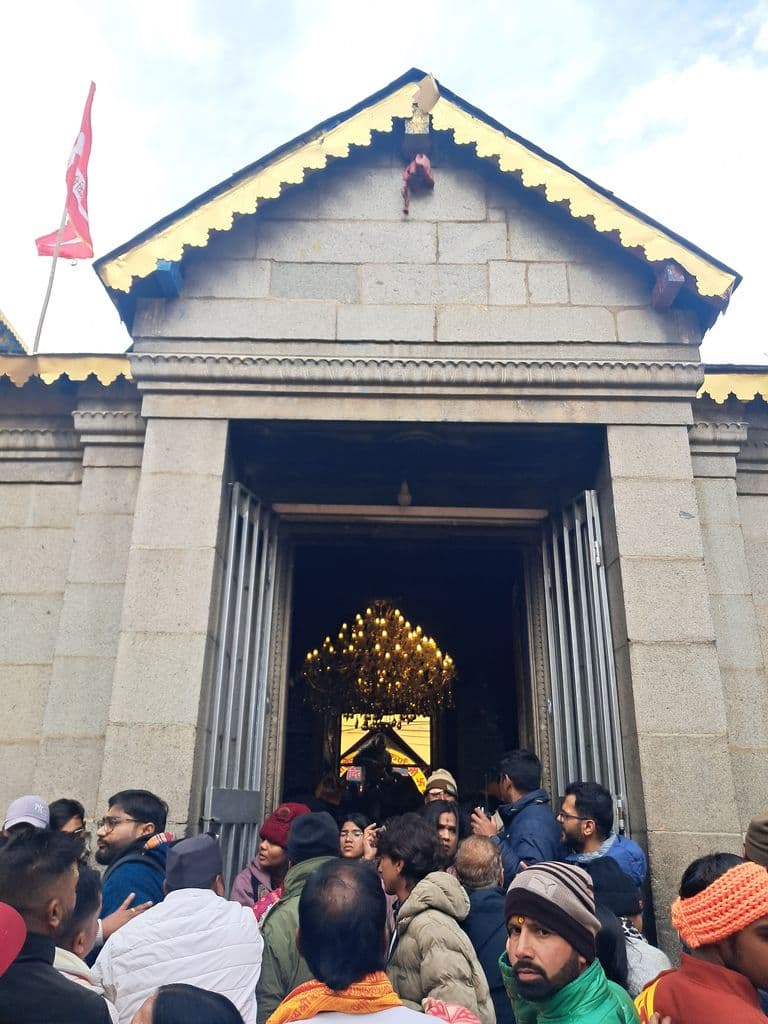
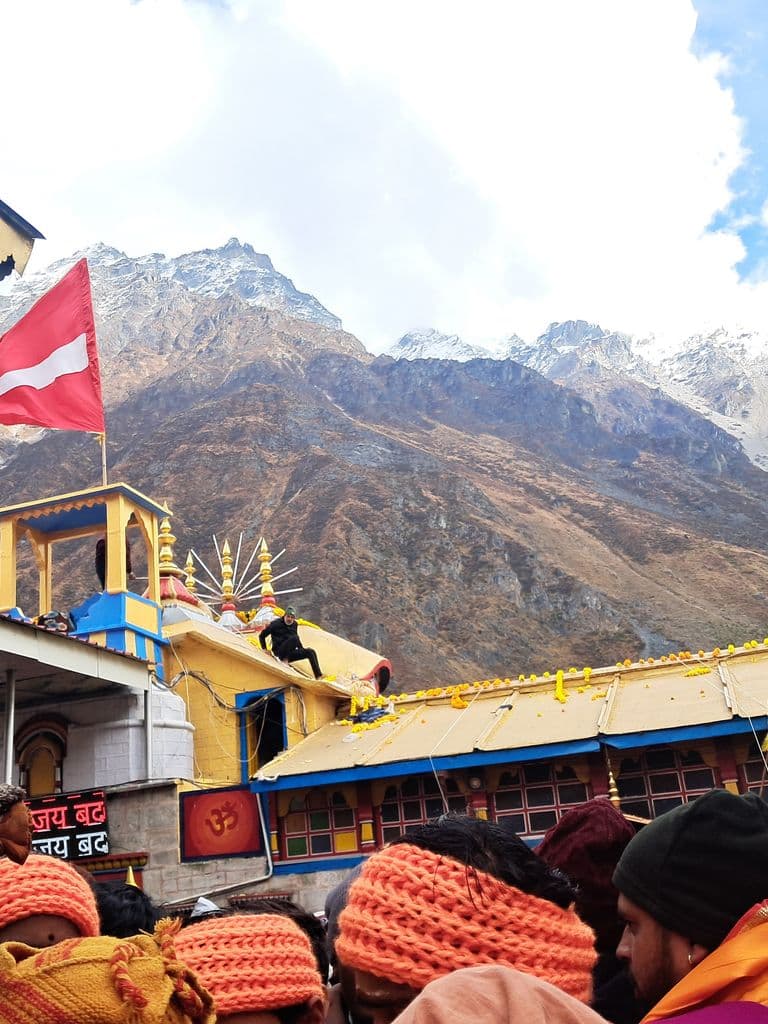
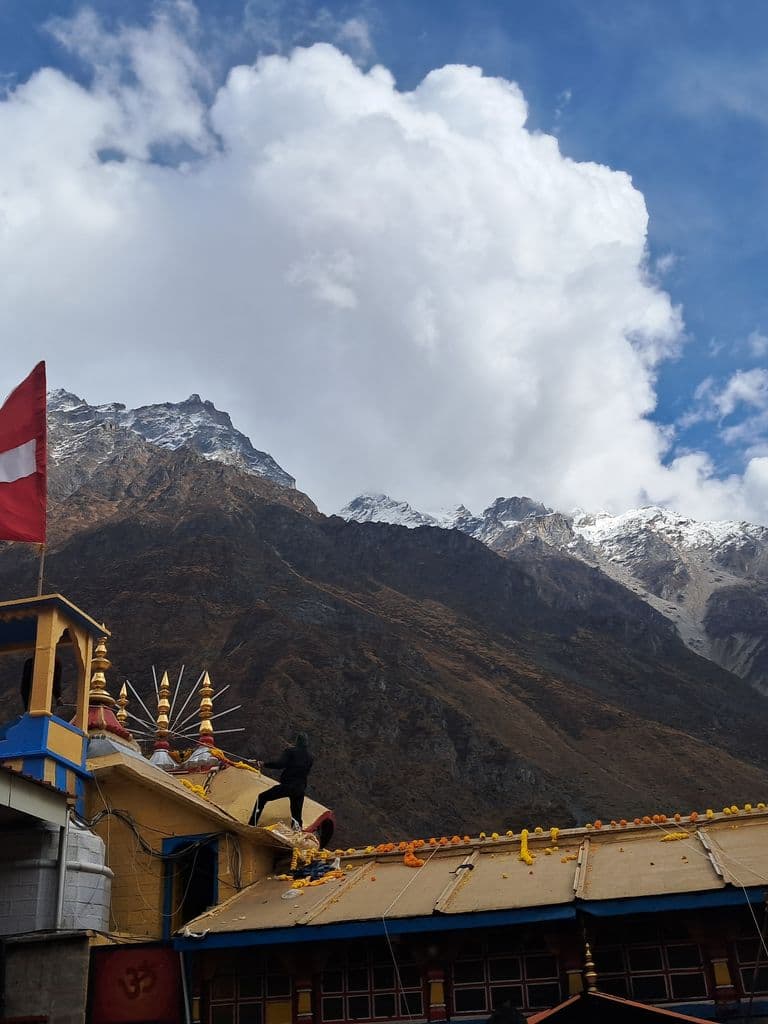
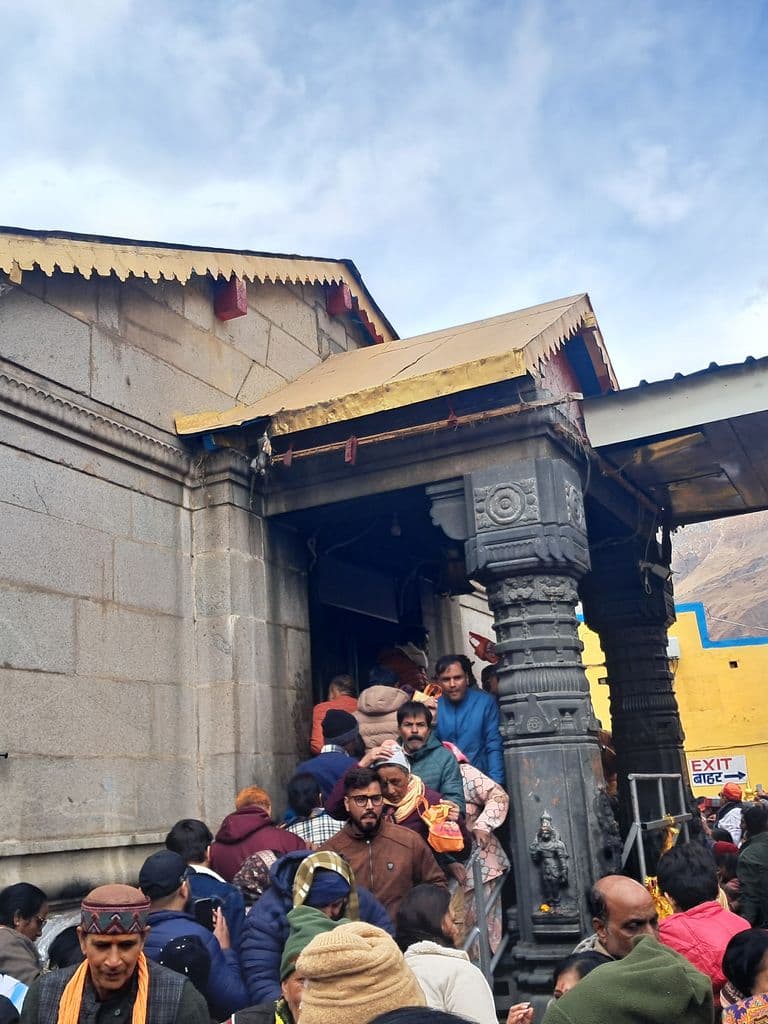
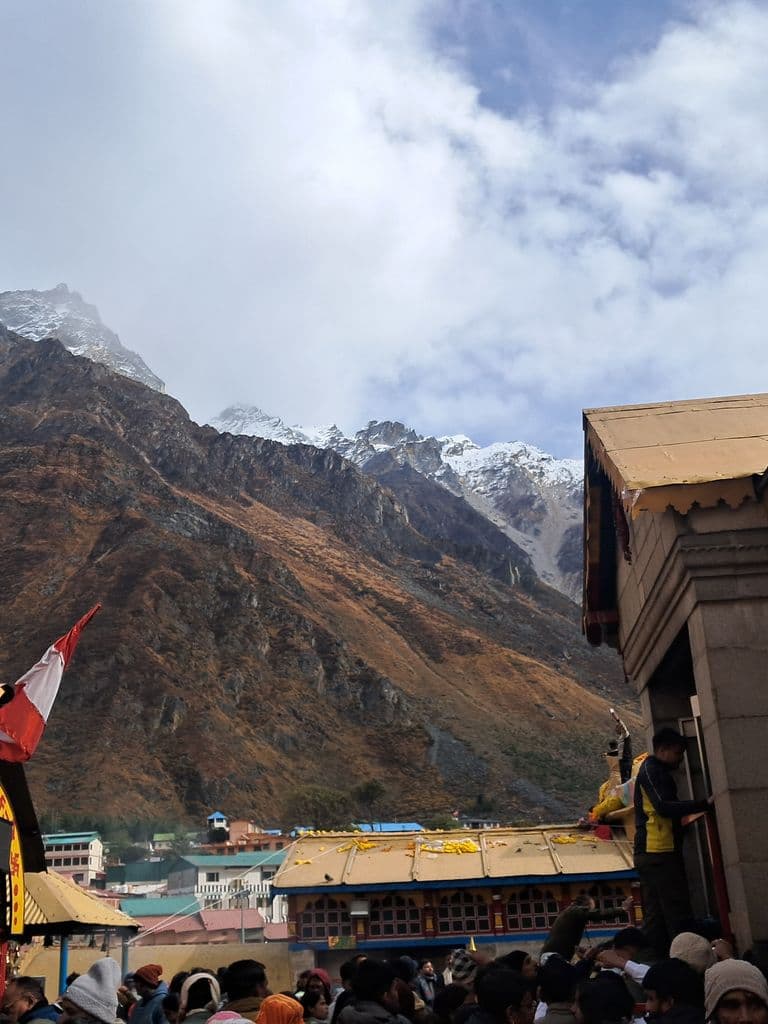
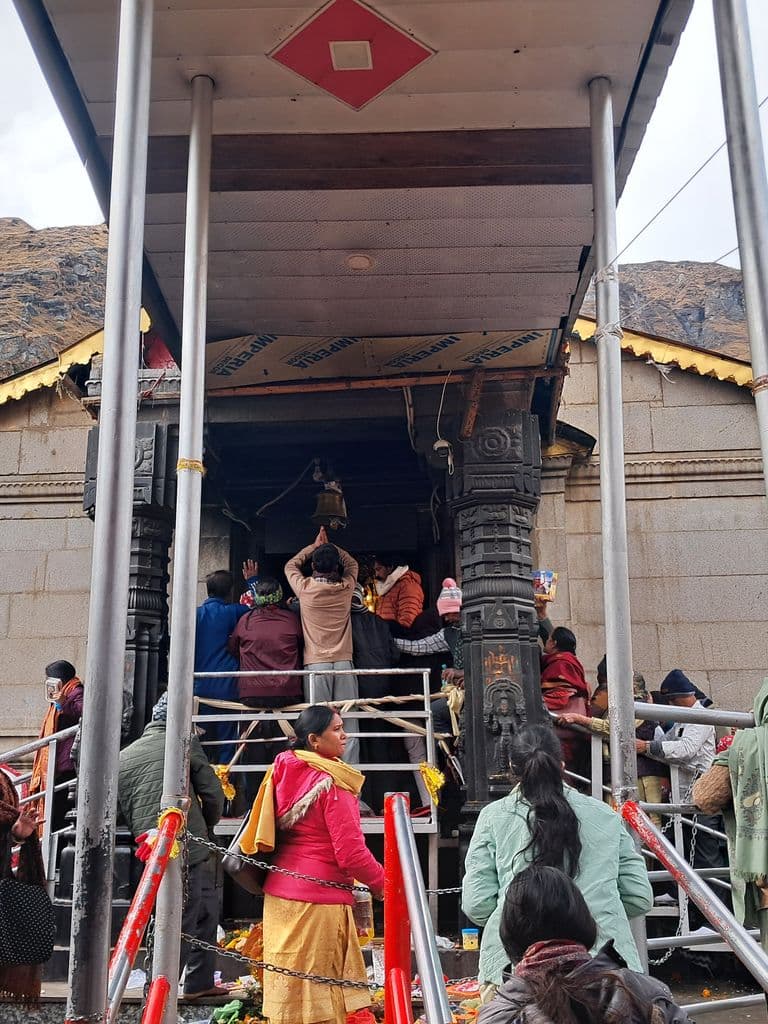
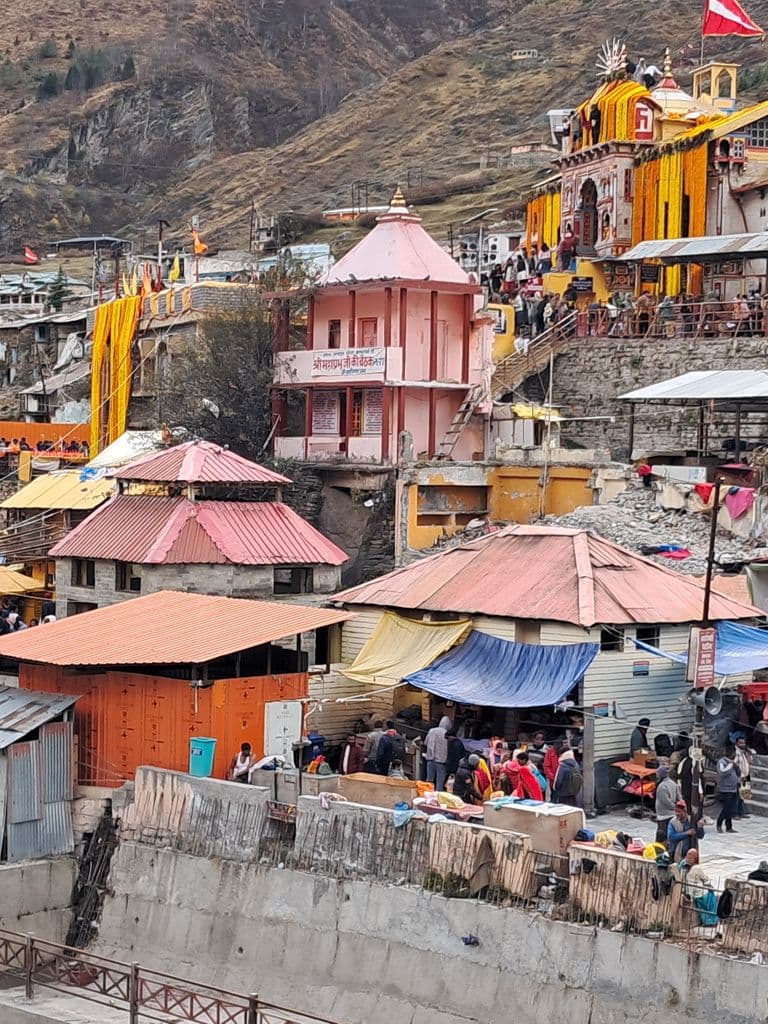
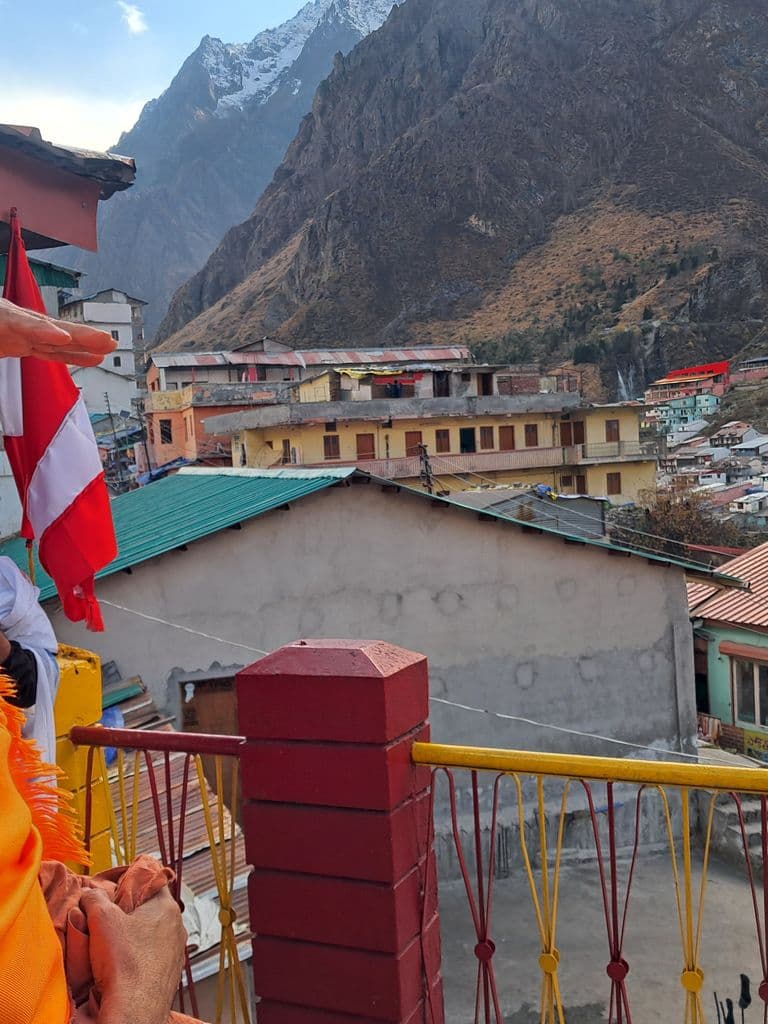
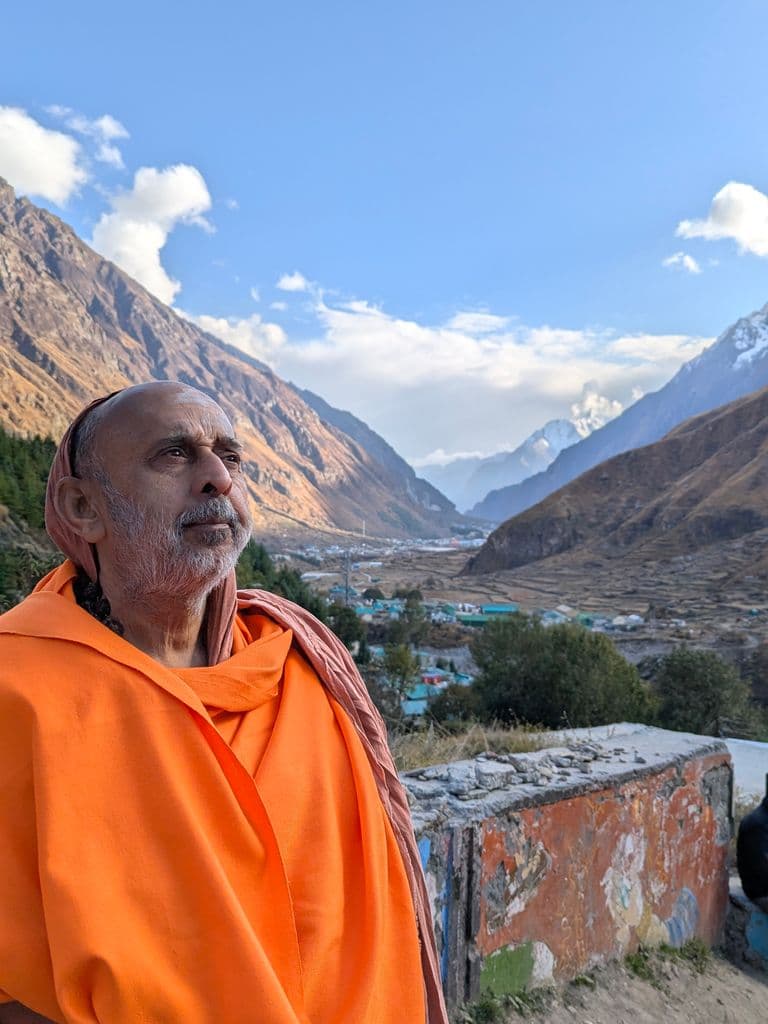
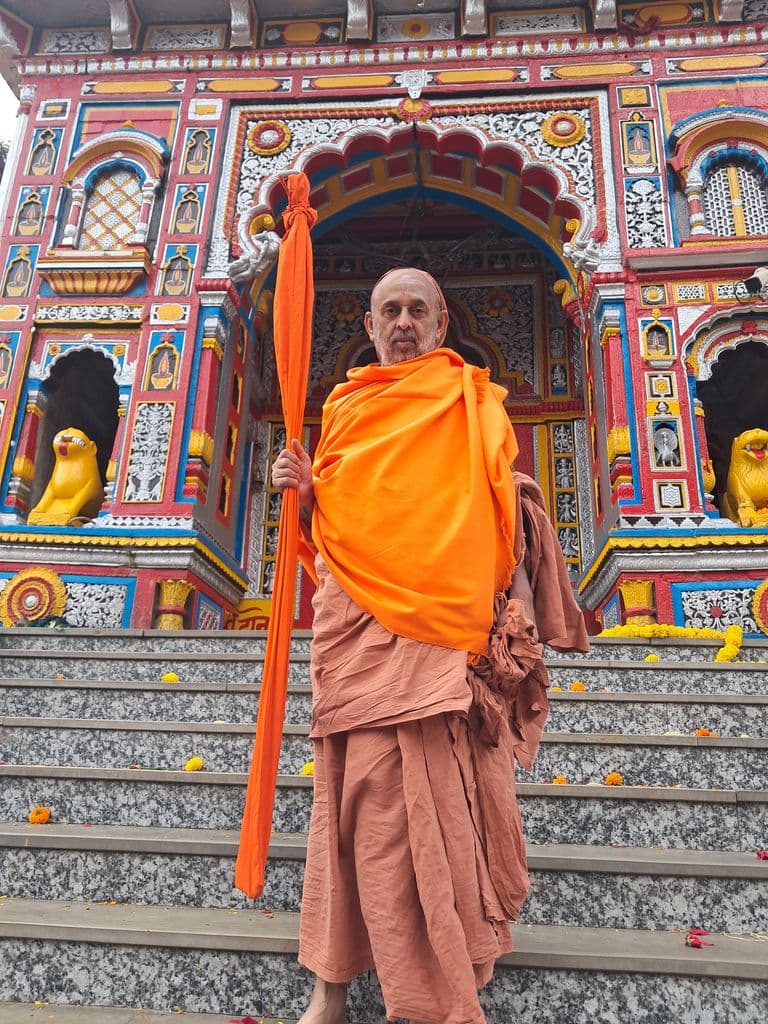
- Śrī Badarīnātha Temple, situated on the banks of the Alakanandā River between the Nara and Nārāyaṇa mountain ranges, is one of the most sacred Vaiṣṇava pilgrimage centres in Bharat. The presiding deity, Śrī Badarīnārāyaṇa, is represented by a black Śālagrāma stone image of Lord Viṣṇu, seated in Padmāsana in a meditative posture, holding the conch and discus. The sanctum also houses images of Kubera, Nārada, Uddhava, Nara and Nārāyaṇa. The sacred Taptakuṇḍa, Nārada Kuṇḍa and the surrounding Himalayan landscape form important elements of the pilgrimage experience.
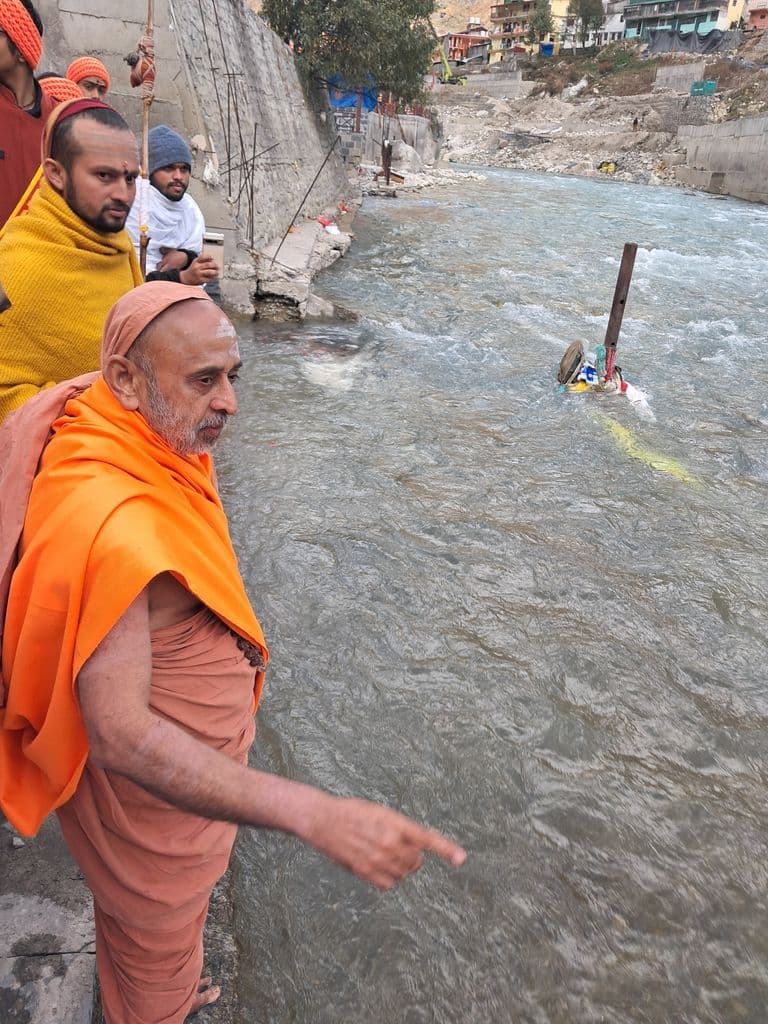
- Ādi Śaṅkarācārya occupies a particularly significant place in the history and sacred tradition of Badarīnātha. According to the traditional account, the Acharya recovered the ancient image of Lord Badarīnārāyaṇa from Nārada Kuṇḍa in the Alakanandā and re-established its worship, initially installing it in a cave near Taptakuṇḍa before the shrine was established at its present location. His intervention is remembered as a revival of this important pilgrimage centre and the restoration of its religious significance. The Acharya is also traditionally associated with the establishment of Jyotirmaṭha at nearby Joshīmaṭha, making the Badarī region central to his efforts to strengthen the spiritual and philosophical foundations of Sanātana Dharma.
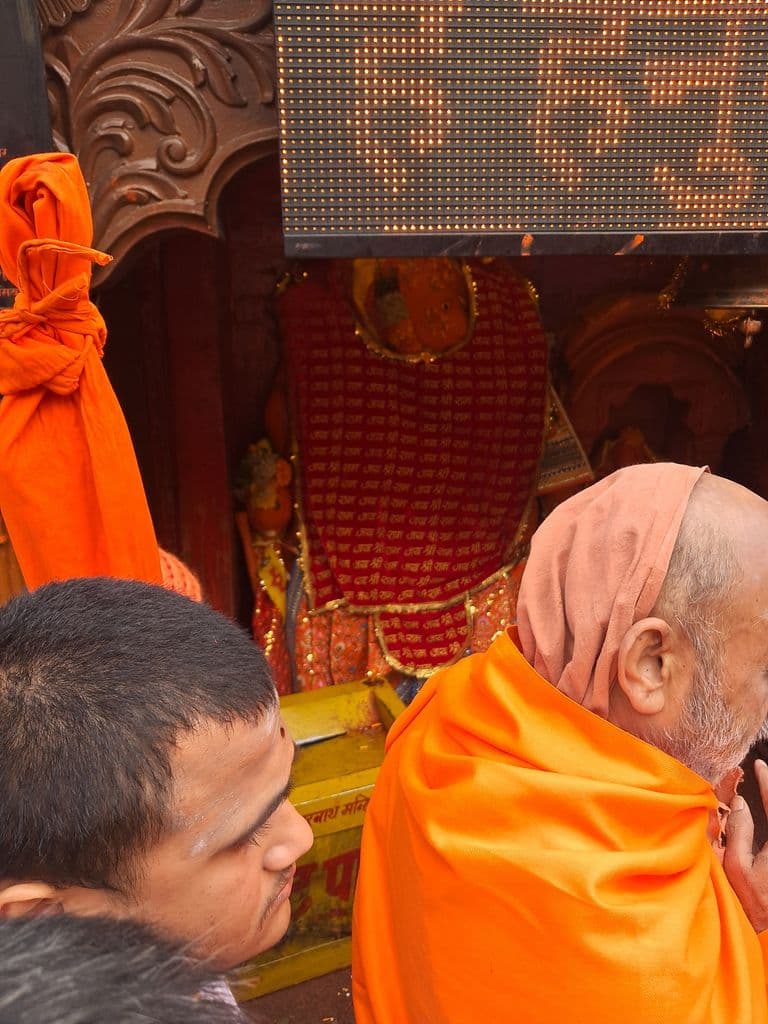
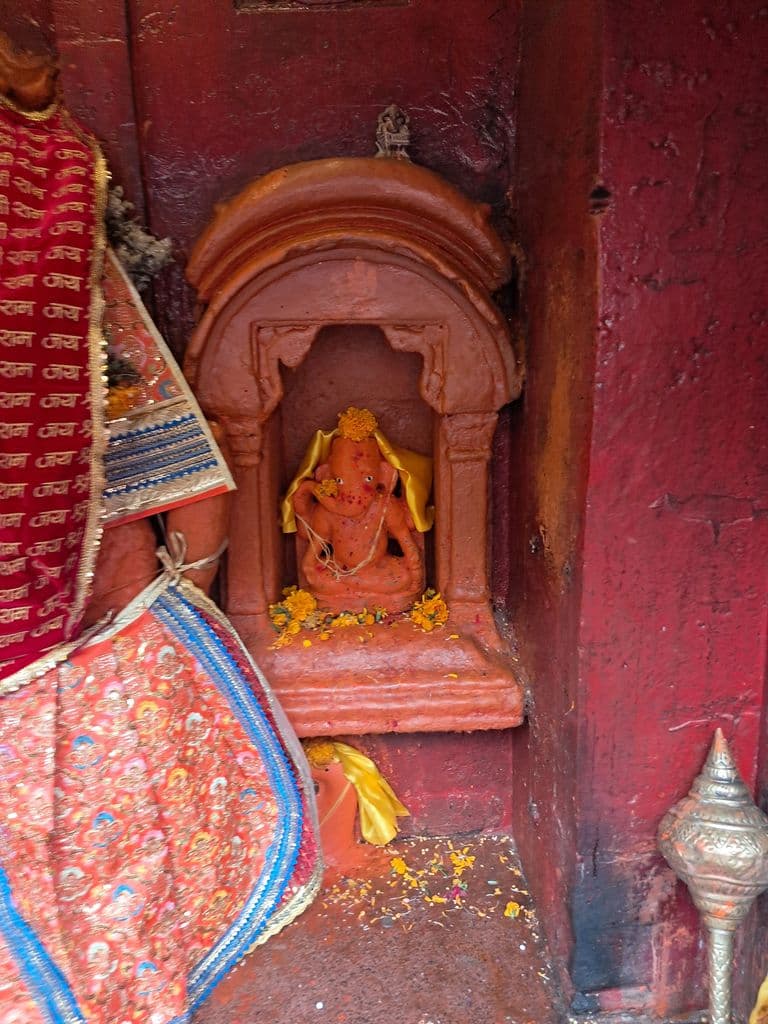
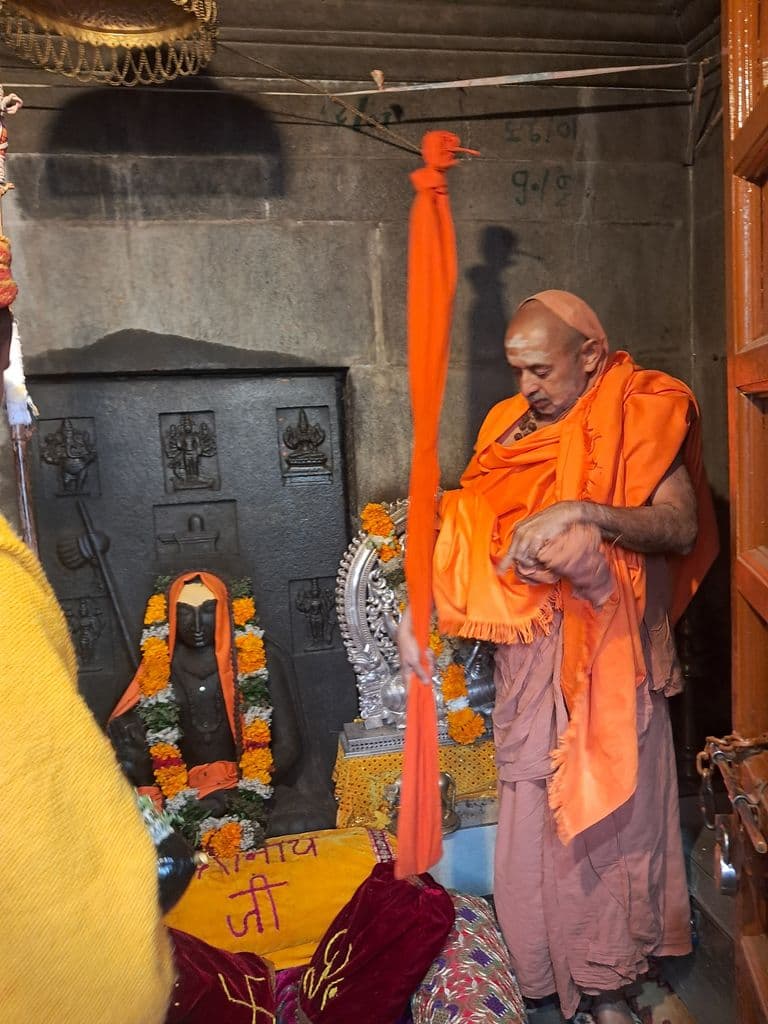
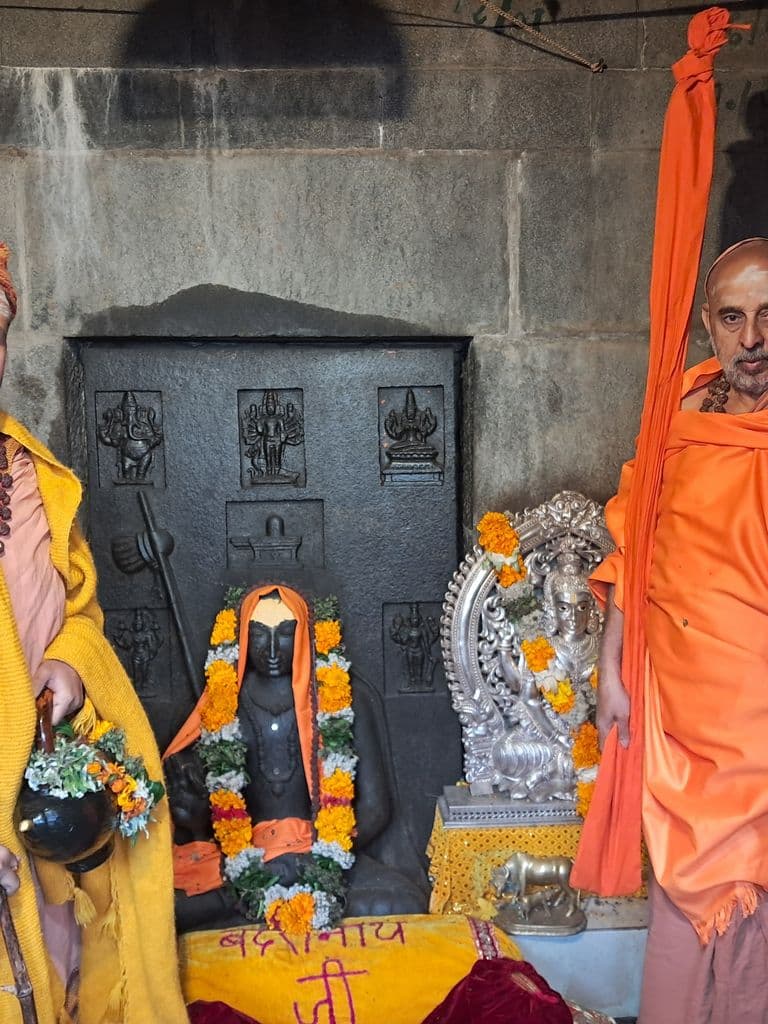
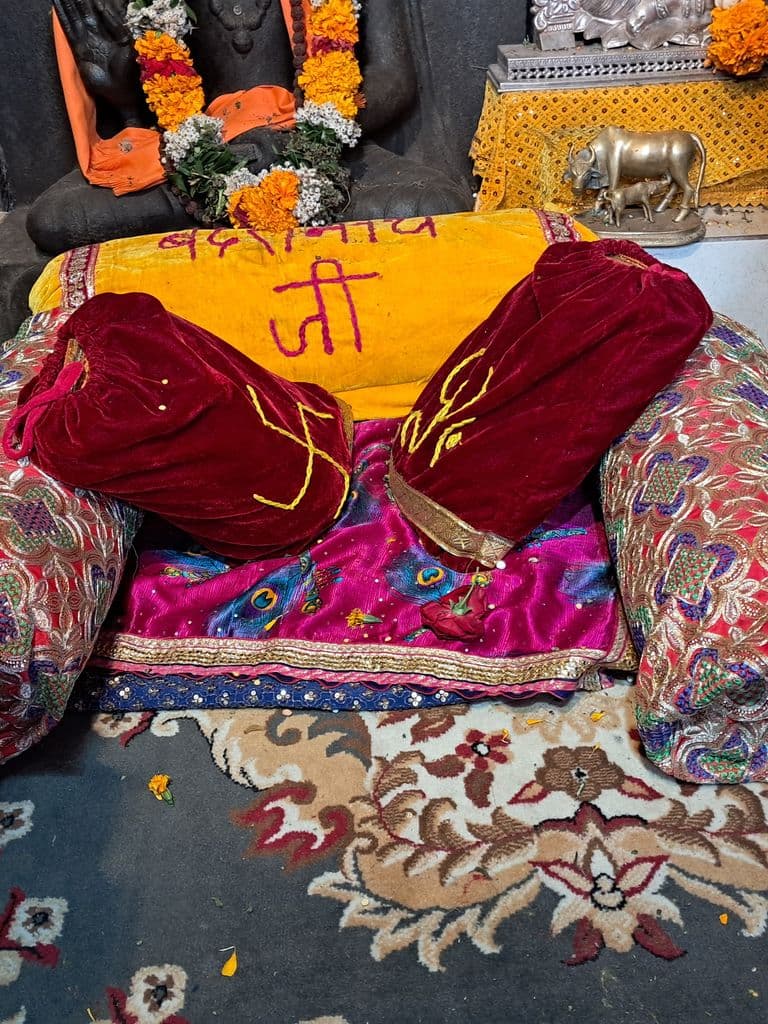
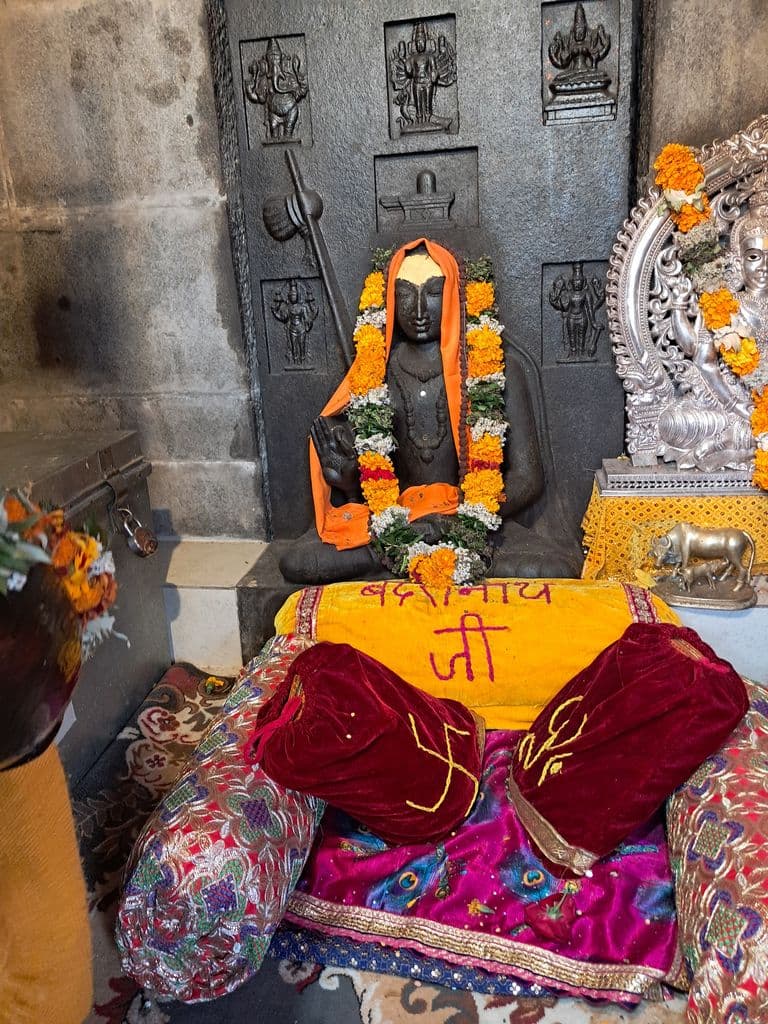
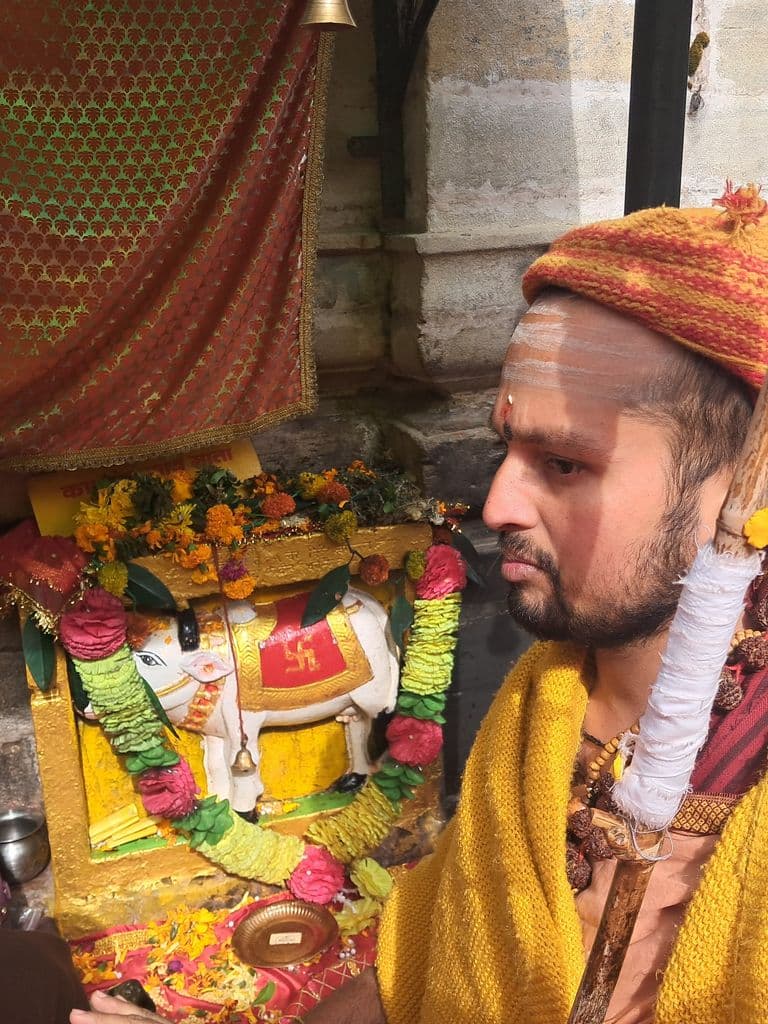
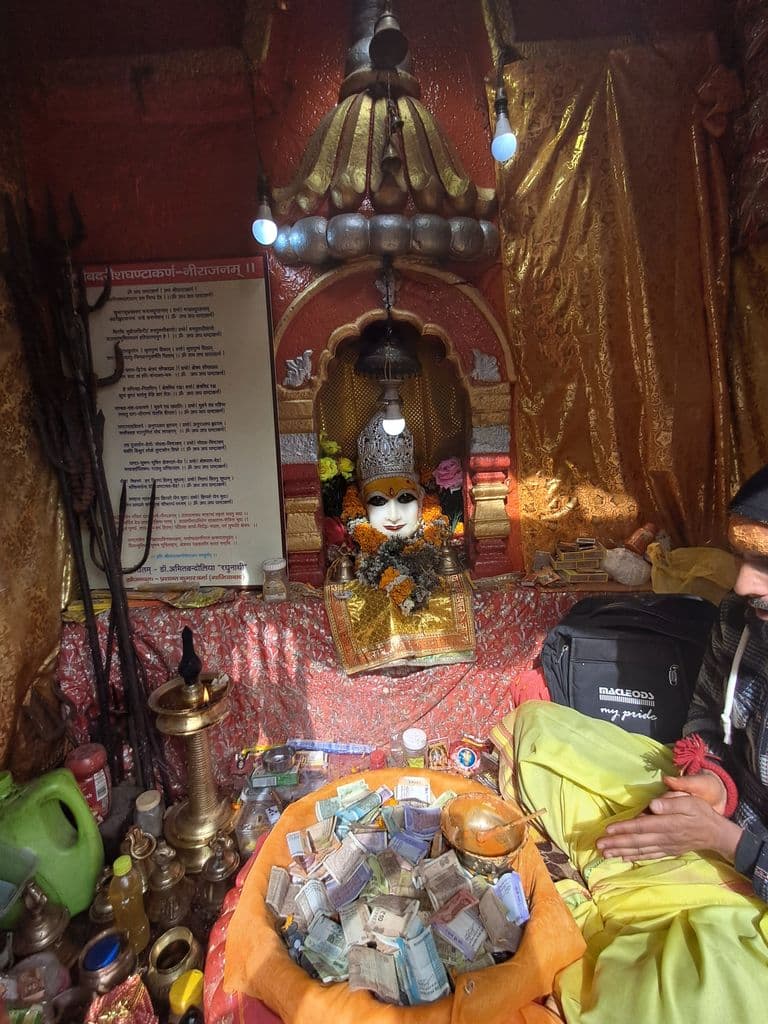
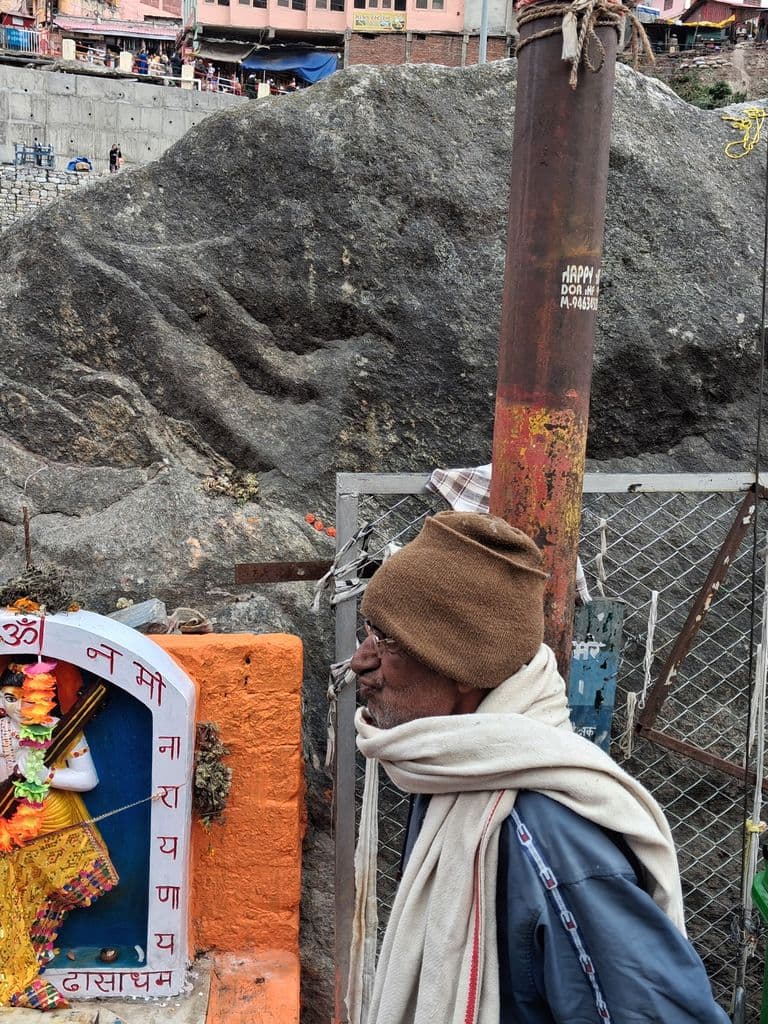
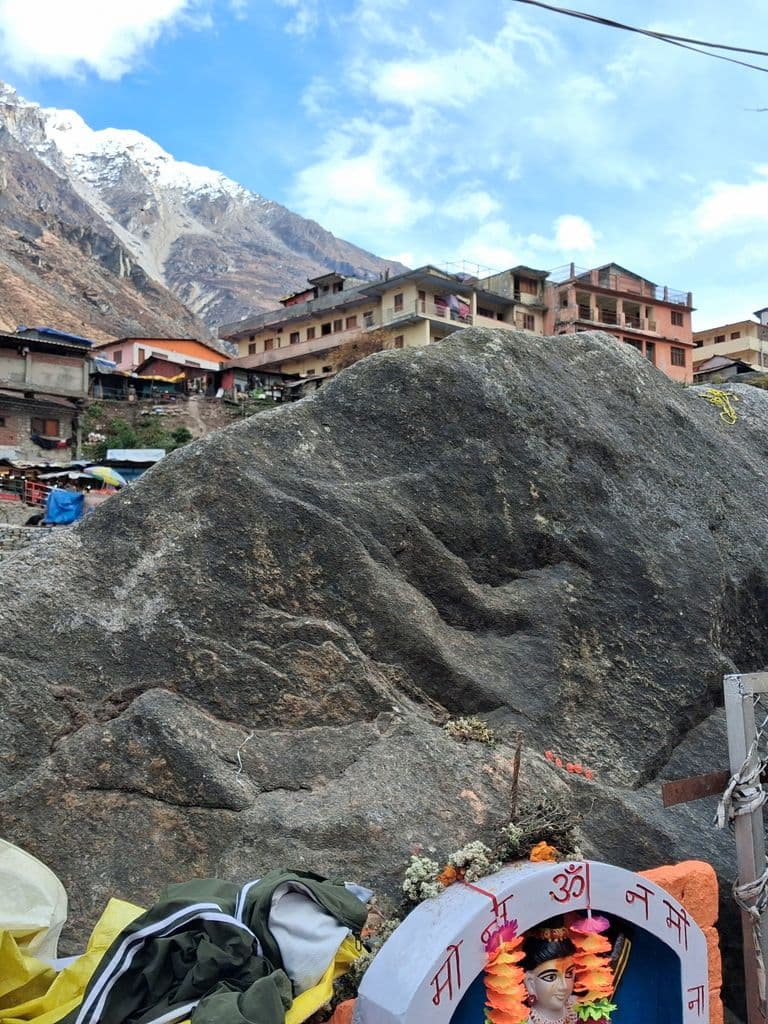
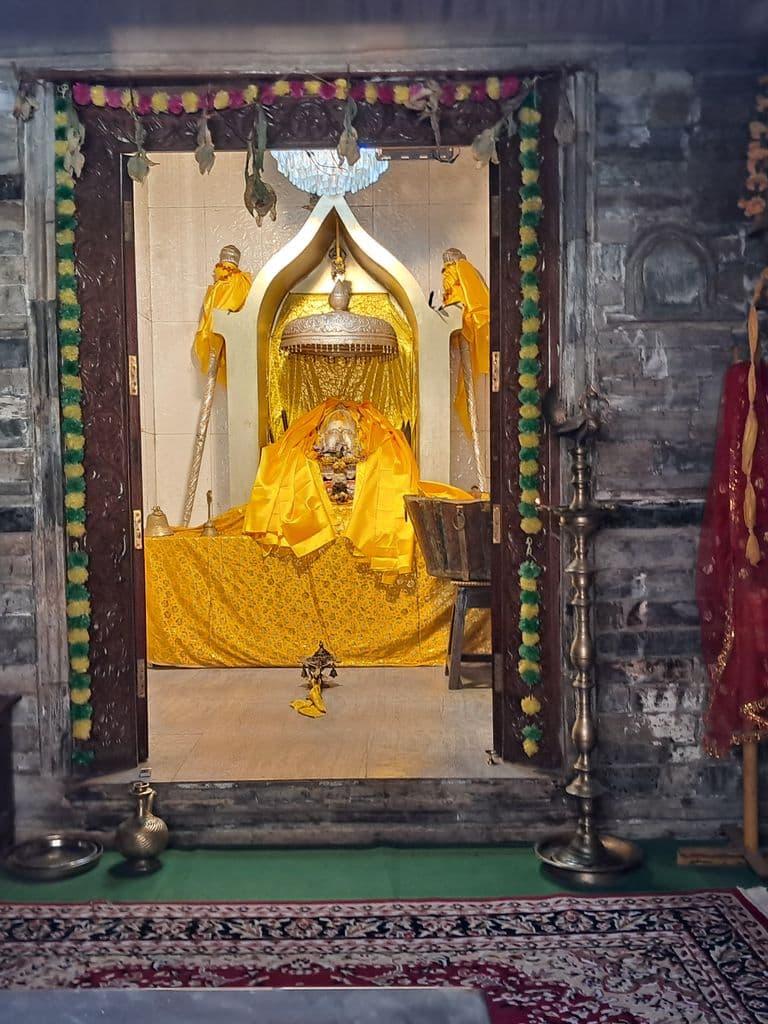
- The exterior precincts of the temple preserve several sacred objects and shrines associated with the traditional accounts of Ādi Śaṅkarācārya. Among these is a distinctive representation of the Acharya seated on a “Gaddi”, a traditional cushioned seat resembling a small throne, accompanied by two pillows. This representation recalls his position as a spiritual preceptor and the reverence accorded to his presence and teaching tradition. The complex also houses another Vigraha of Ādi Śaṅkarācārya, an Anjaneya Vigraha and an Īśvara Liṅga, alongside other sacred images associated with the kṣetra. These installations collectively preserve the memory of the Acharya's association with Badarīnātha and his contribution to the restoration of its worship.
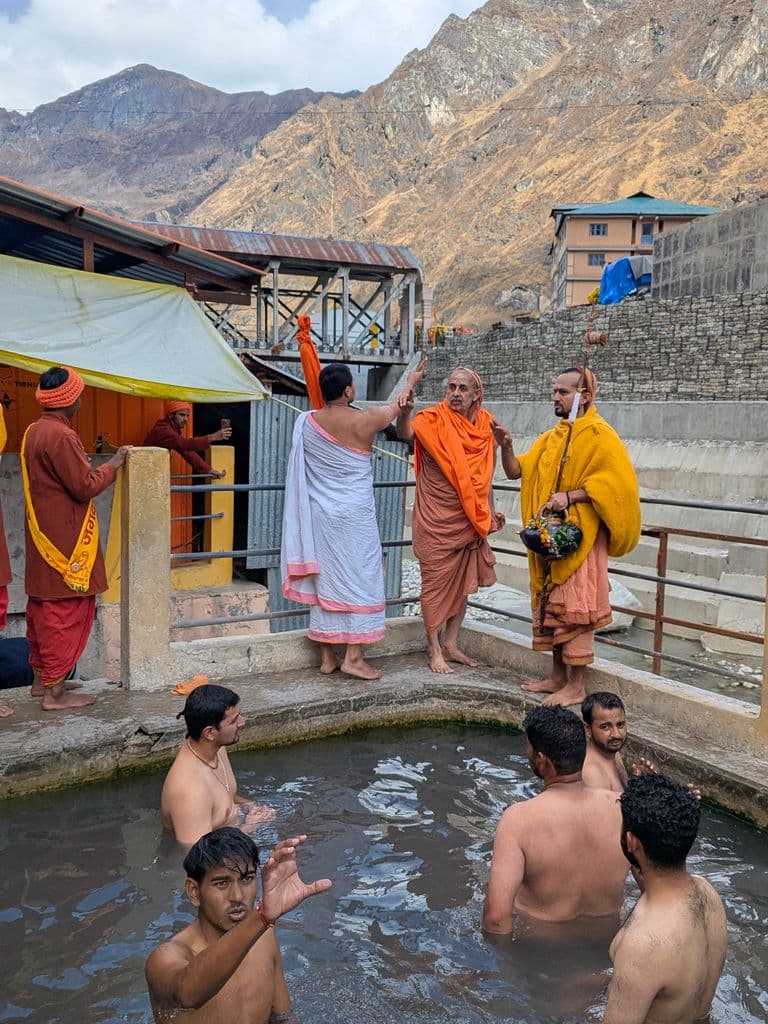
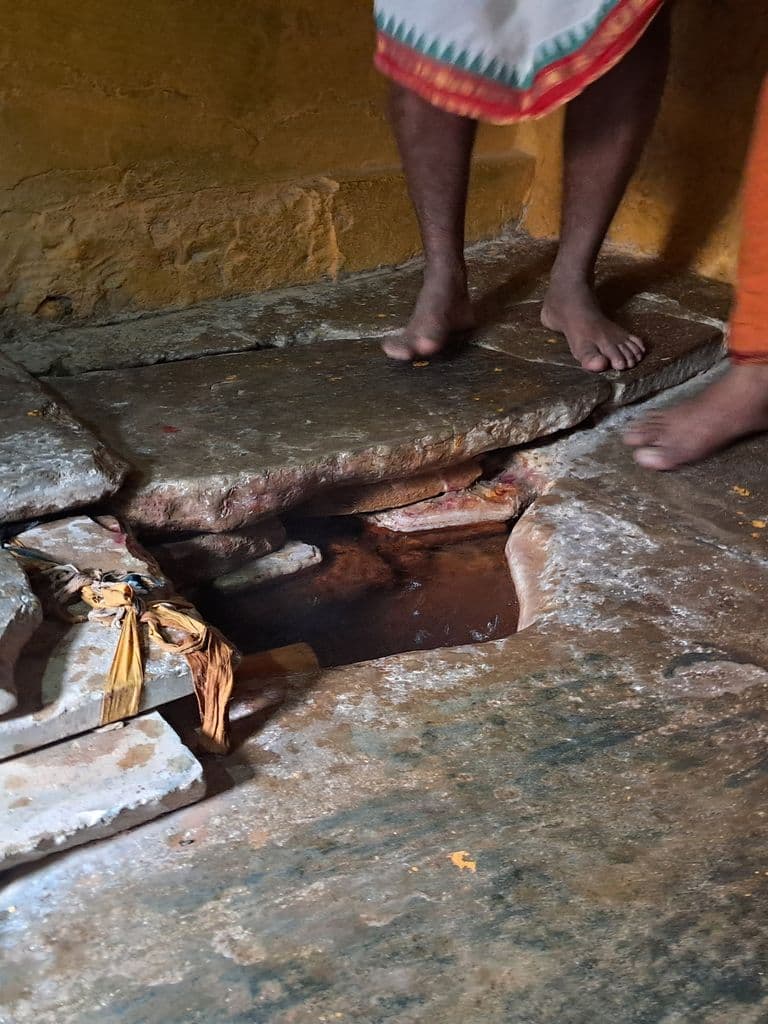
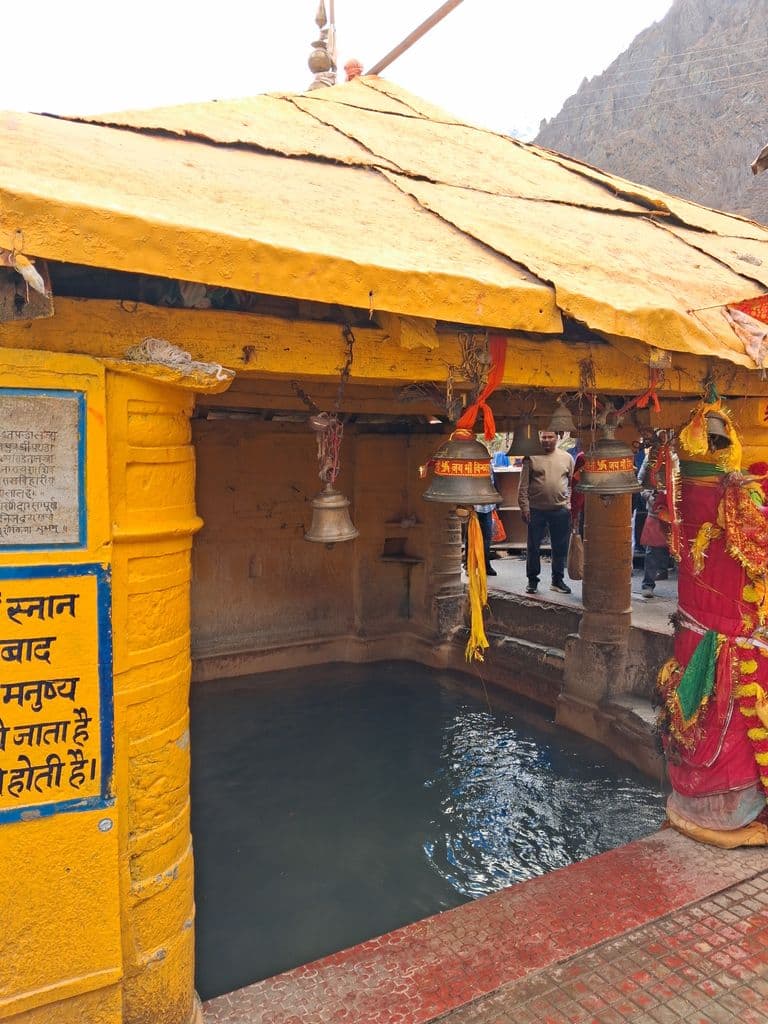
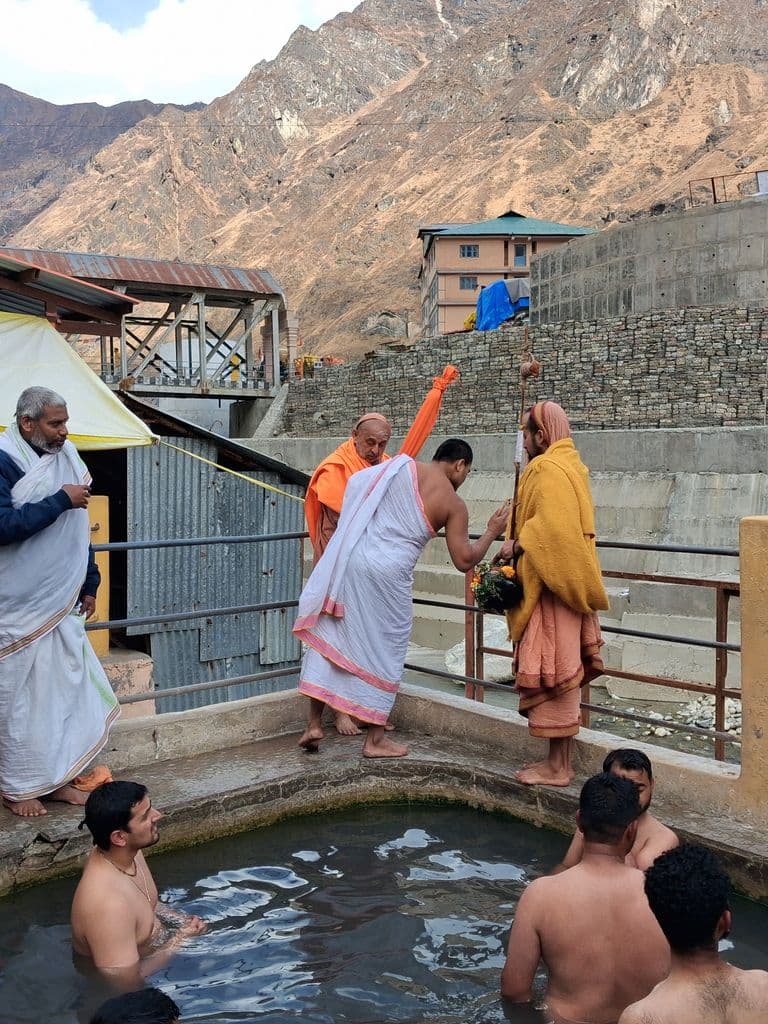
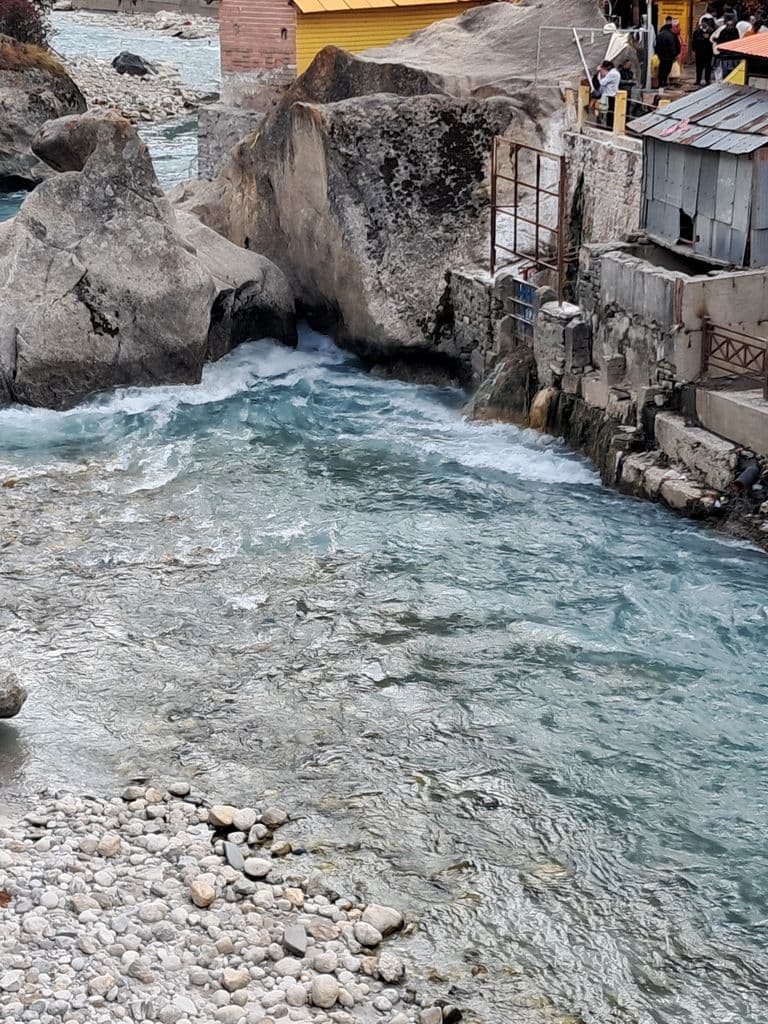
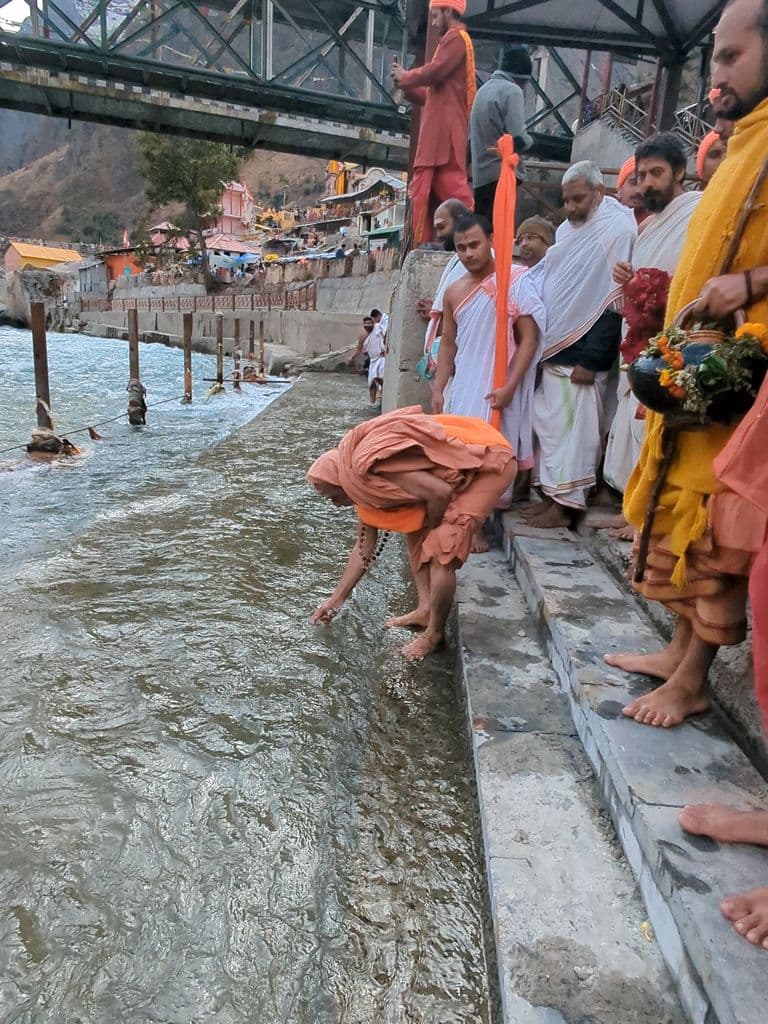
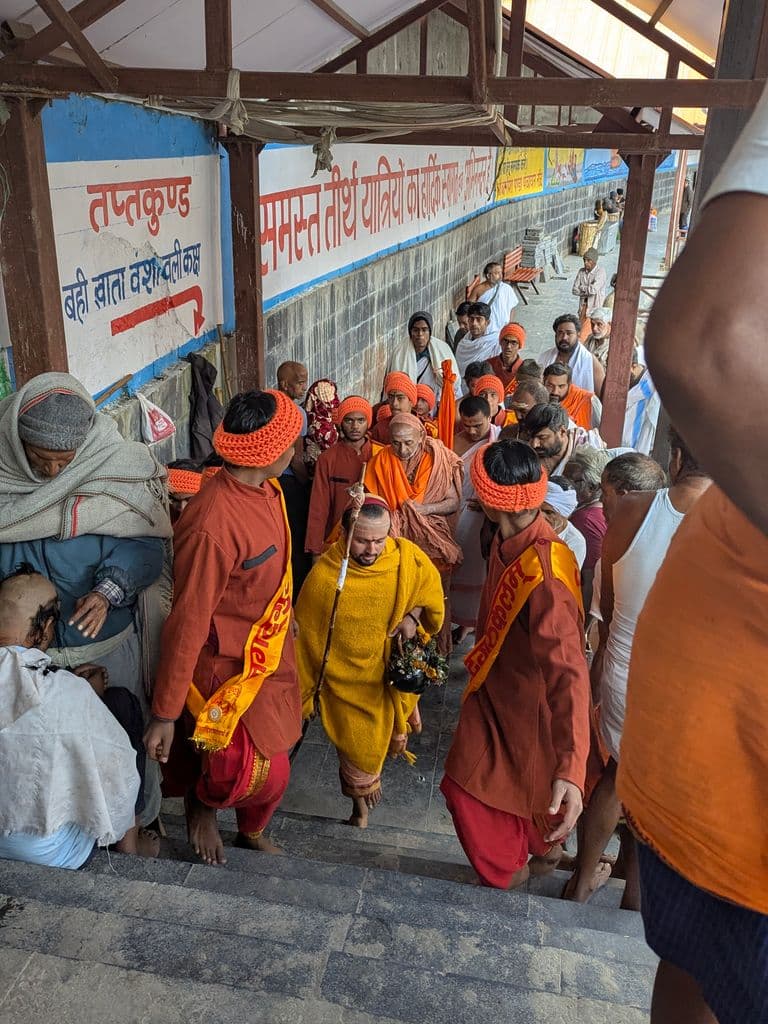
- Another important feature of the temple precincts is the Agni Kuṇḍa, associated with the natural hot-water springs, particularly Taptakuṇḍa. The spring emerges near the Alakanandā, and its naturally heated waters are channelled into bathing enclosures, including separate bathing sections. Pilgrims traditionally bathe in these waters before proceeding for the darśan of Lord Badarīnārāyaṇa. The spring is revered as a manifestation of Agni, the deity of fire, and its presence amid the cold Himalayan surroundings is regarded as a divine blessing. Local tradition attributes the establishment or activation of this sacred water source to Ādi Śaṅkarācārya through his daivika śakti. While the thermal spring is a natural geographical feature, this attribution remains an important part of the living sacred narrative connecting the Acharya with the kṣetra.
- Badarīnātha thus represents not only an ancient centre of Viṣṇu worship but also an enduring symbol of Ādi Śaṅkarācārya's contribution to the preservation and renewal of Bharat's sacred pilgrimage traditions. The temple, its associated shrines, sacred waters and the continuing traditions of worship together make this kṣetra an important centre of India's spiritual and philosophical heritage.
The above findings are based on local recitations and living traditions, as well as inscriptions and markers observed at the site, supported by available historical references, certain scientific observations, and guidance from the Shastras. As our understanding continues to evolve, we will update this account from time to time as additional insights and information emerge from local communities and further study.
Do you have more information about this location, or any questions or feedback?
✉ Write to UsPhotos