Assam
Śāṅkara Jyoti Prakāśa · शाङ्कर ज्योति प्रकाश
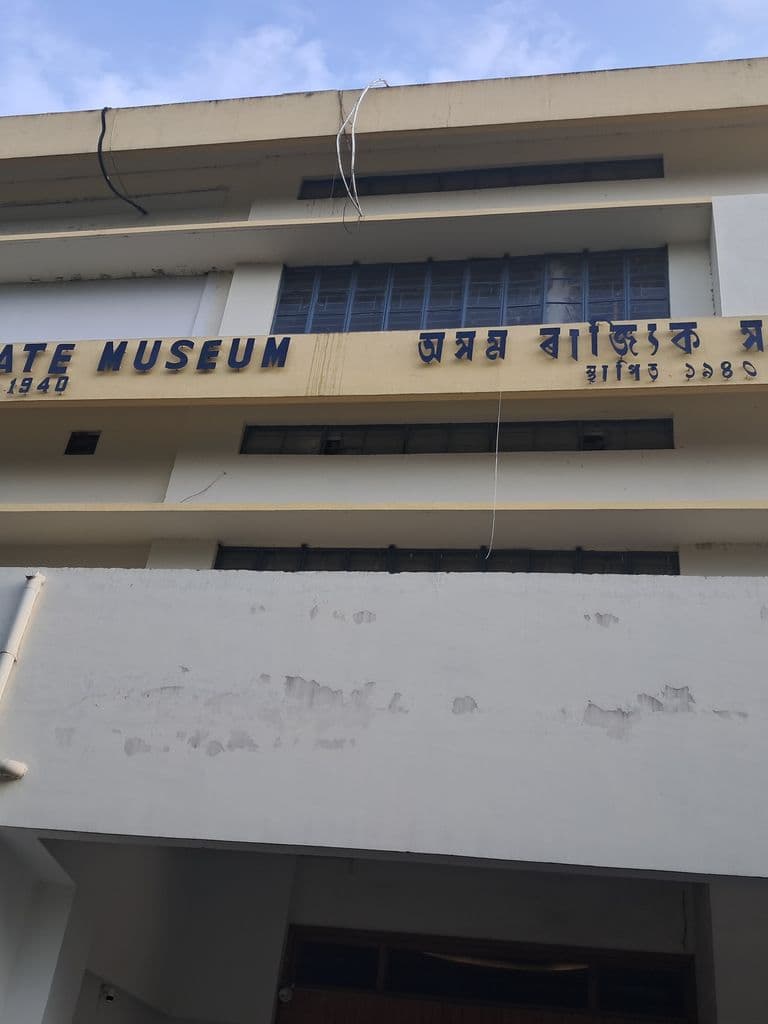
Assam State Museum - Guwahati
Visited 18 June 2026 during the 2026 Sampoorna Bharata Yatra.
Adi Shankaracharya's Visit
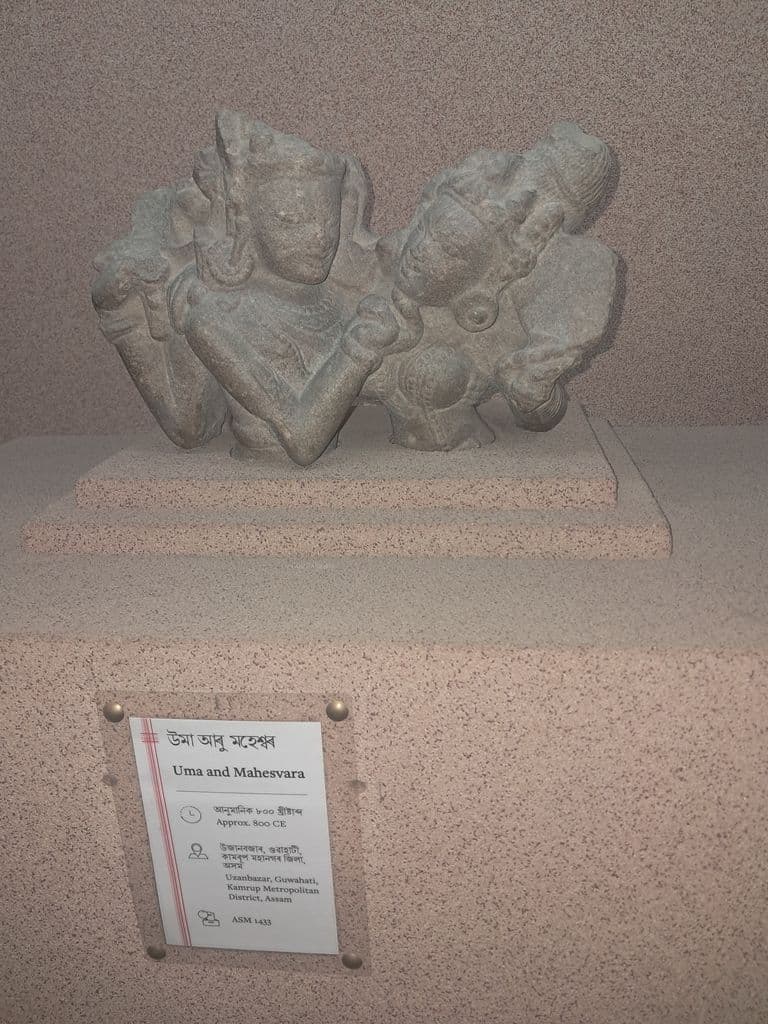
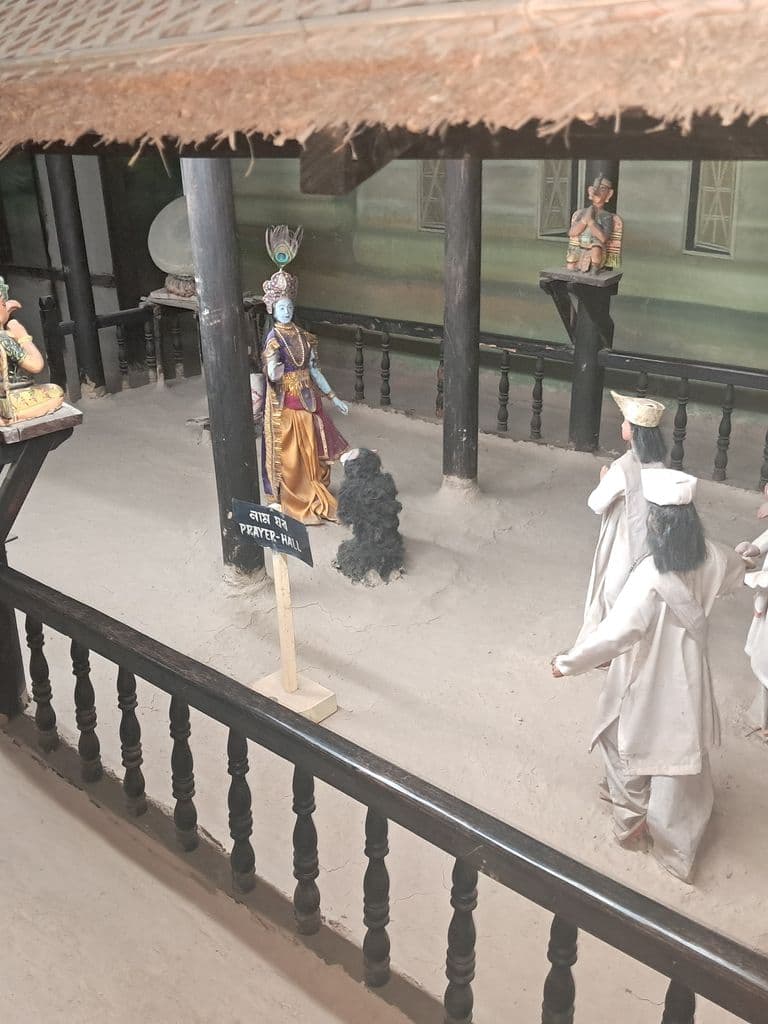
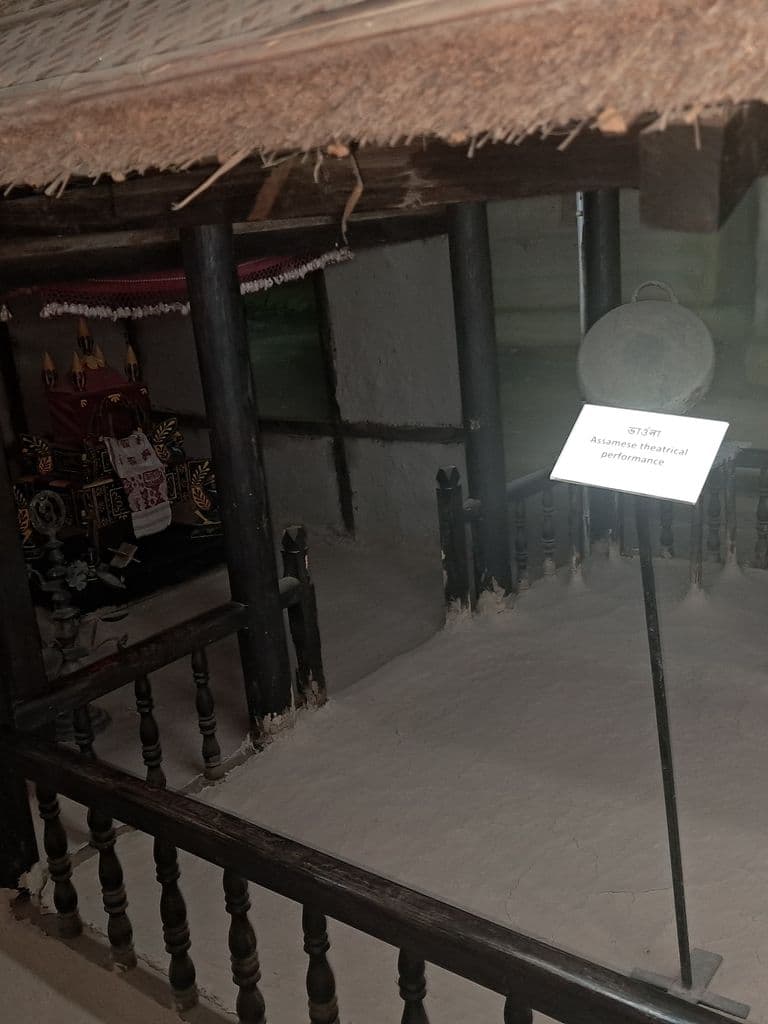
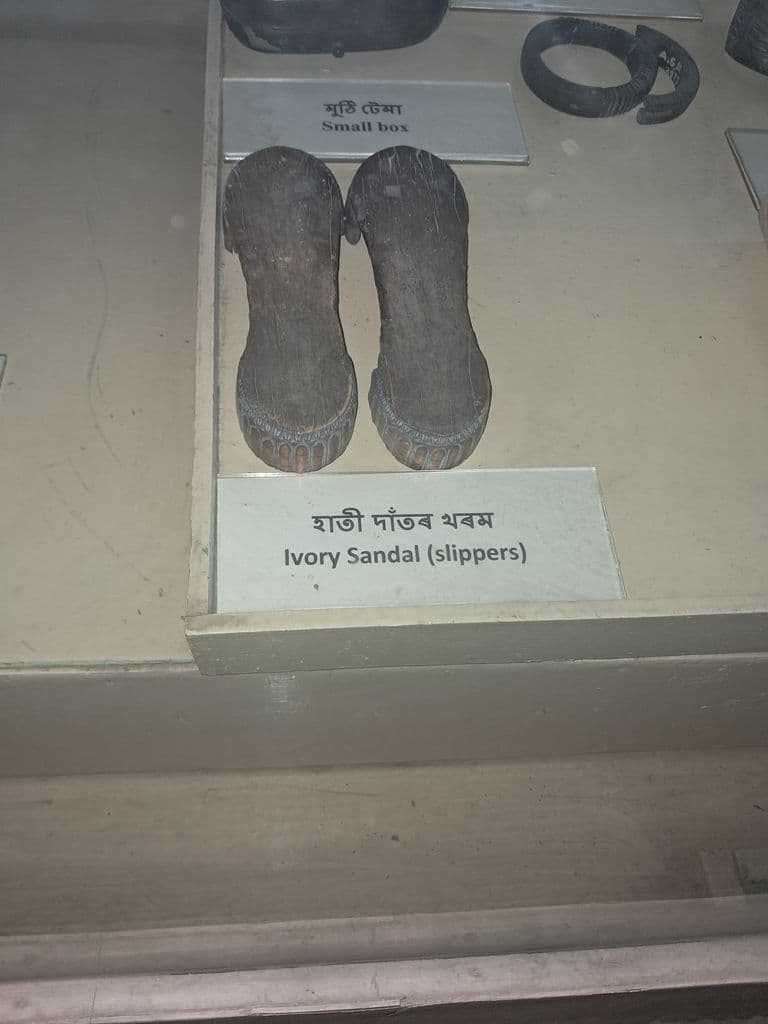
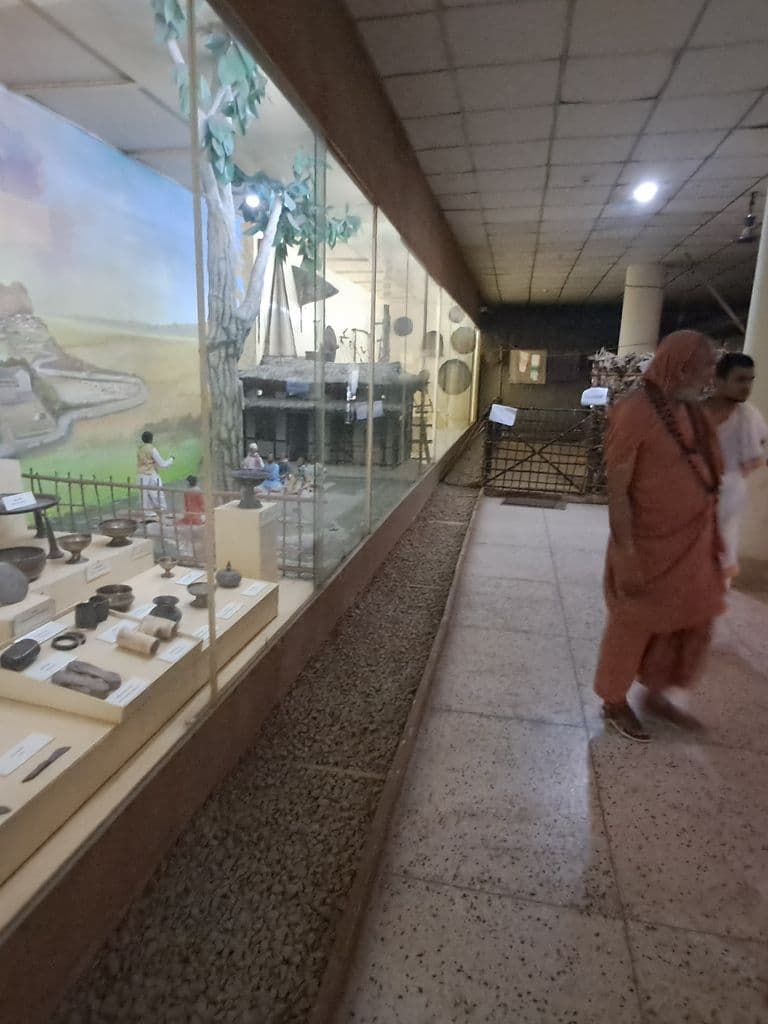
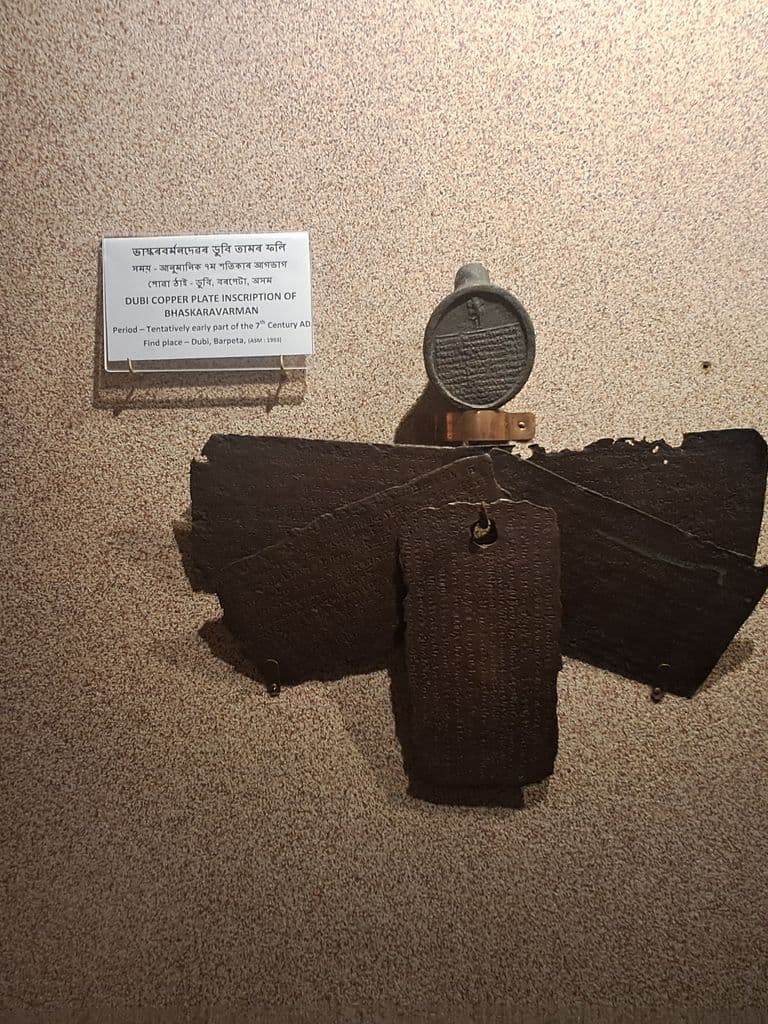
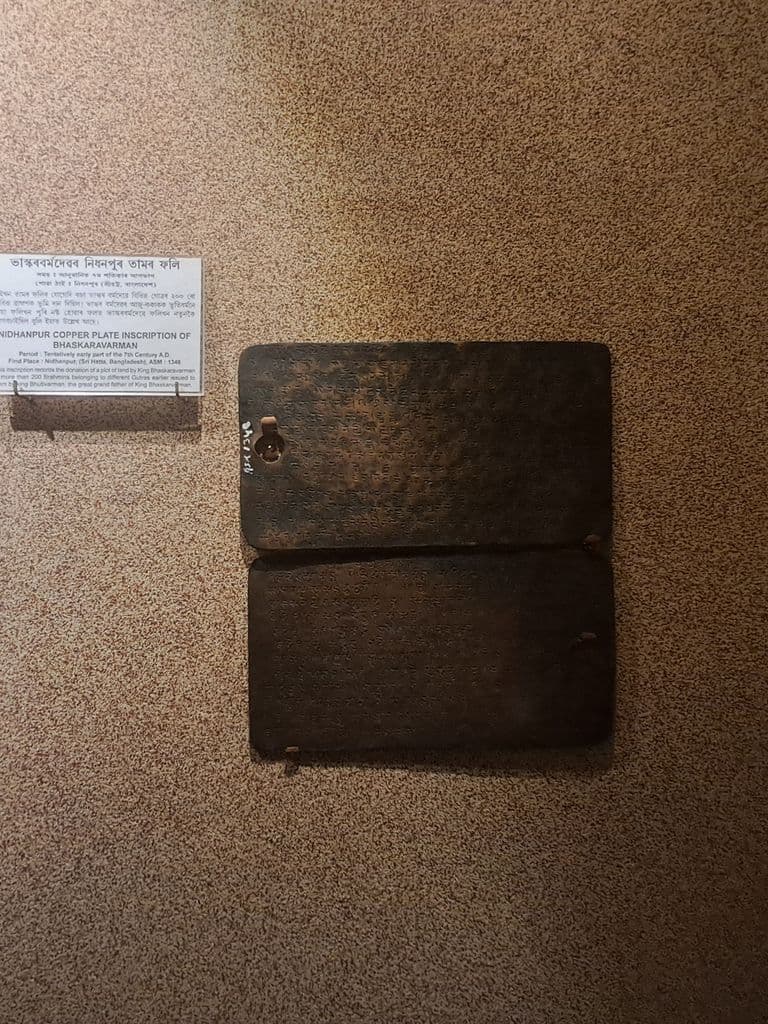
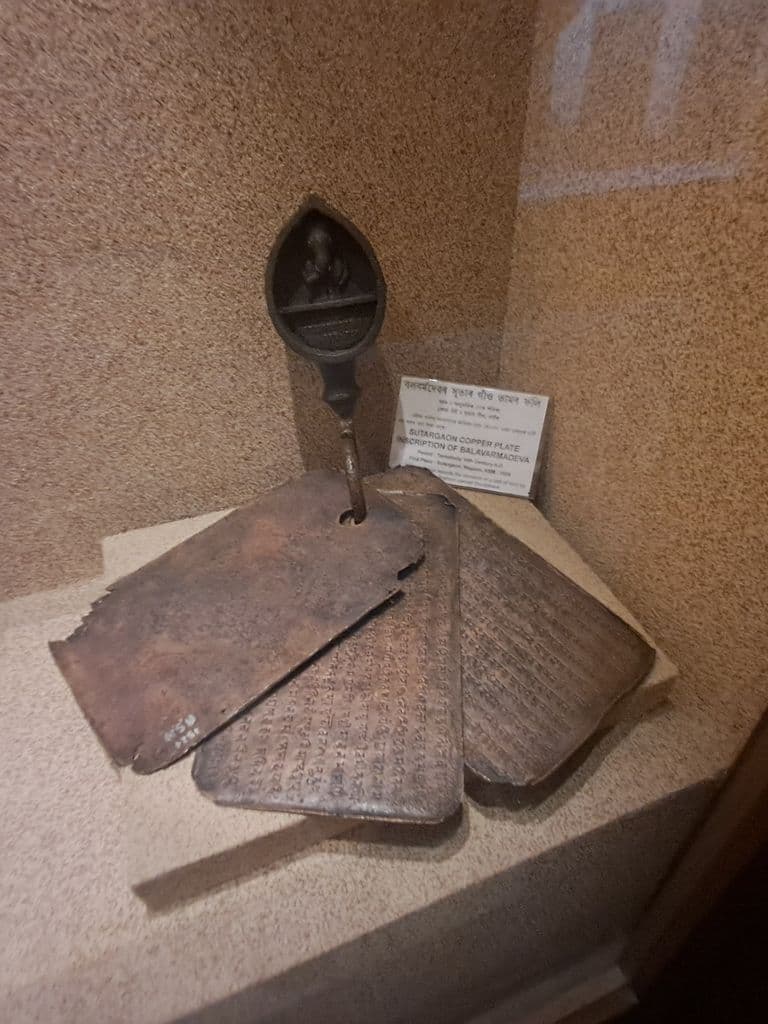
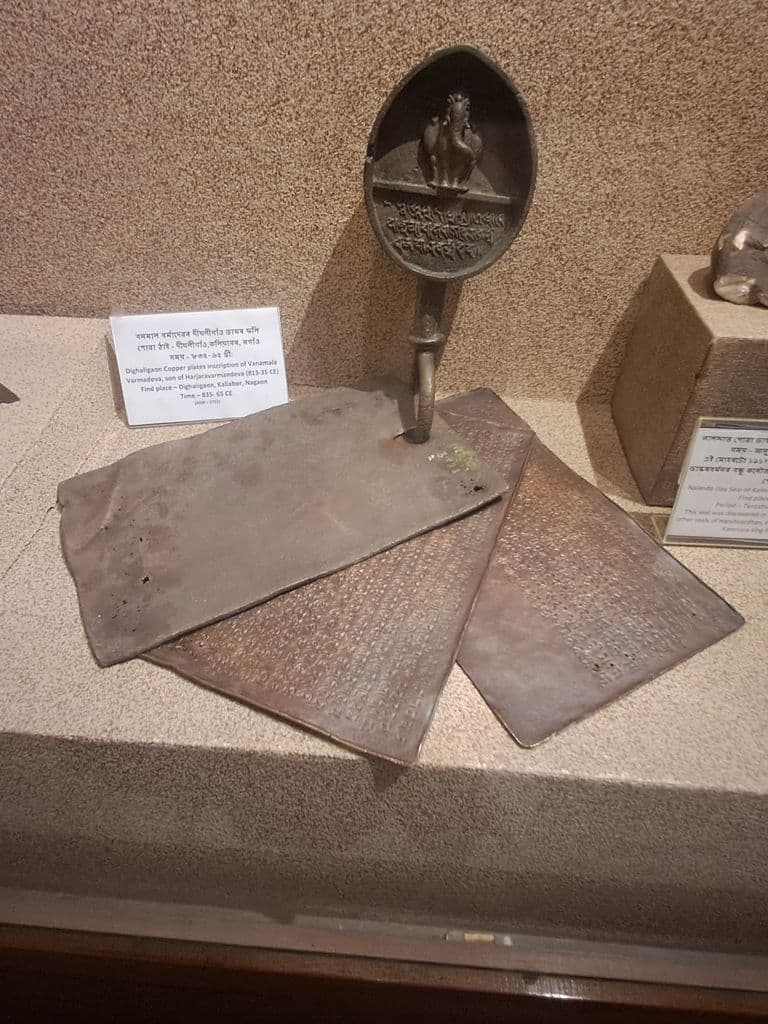
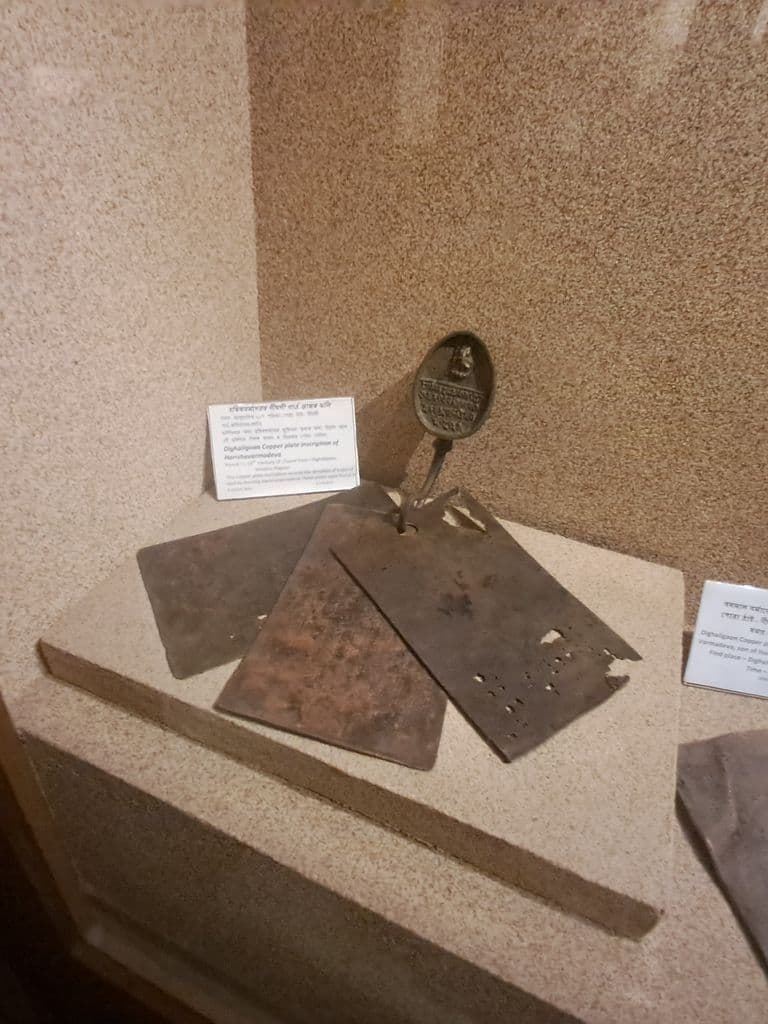
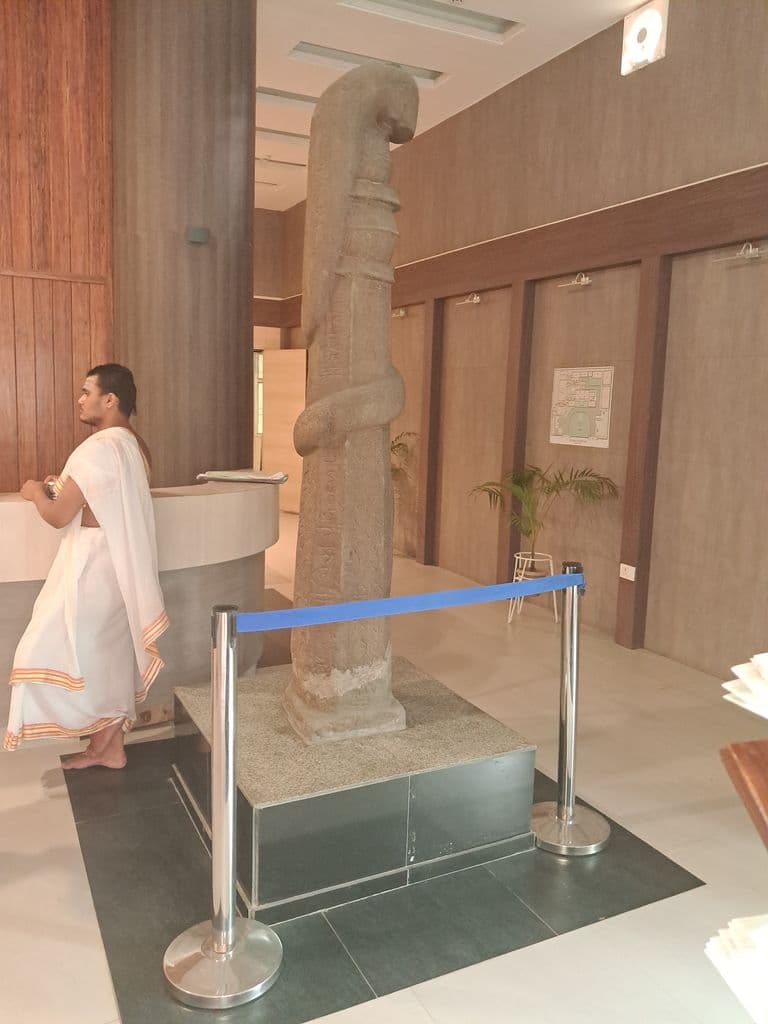
- Located in close proximity to Sūrya Pahāḍ is an archaeological museum that preserves several important artifacts recovered during excavations and conservation efforts associated with the region. Local traditions and narratives preserved alongside these discoveries connect many of these objects with the spiritual legacy of Jagadguru Adi Shankaracharya and his visit to ancient Kāmarūpa.
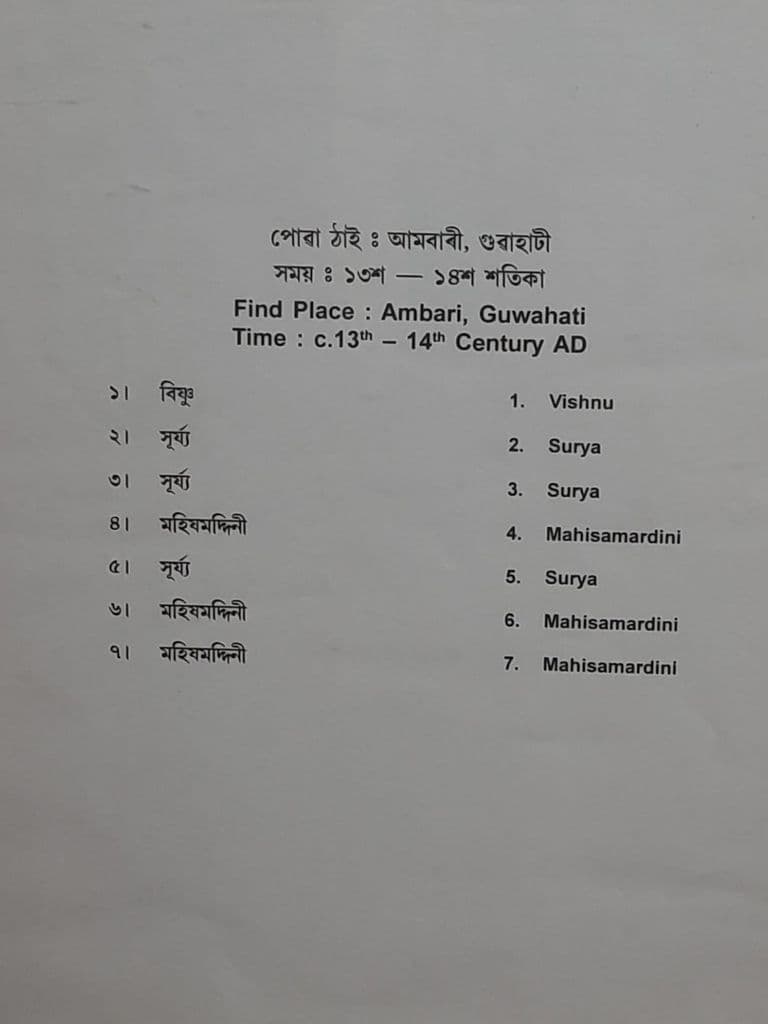
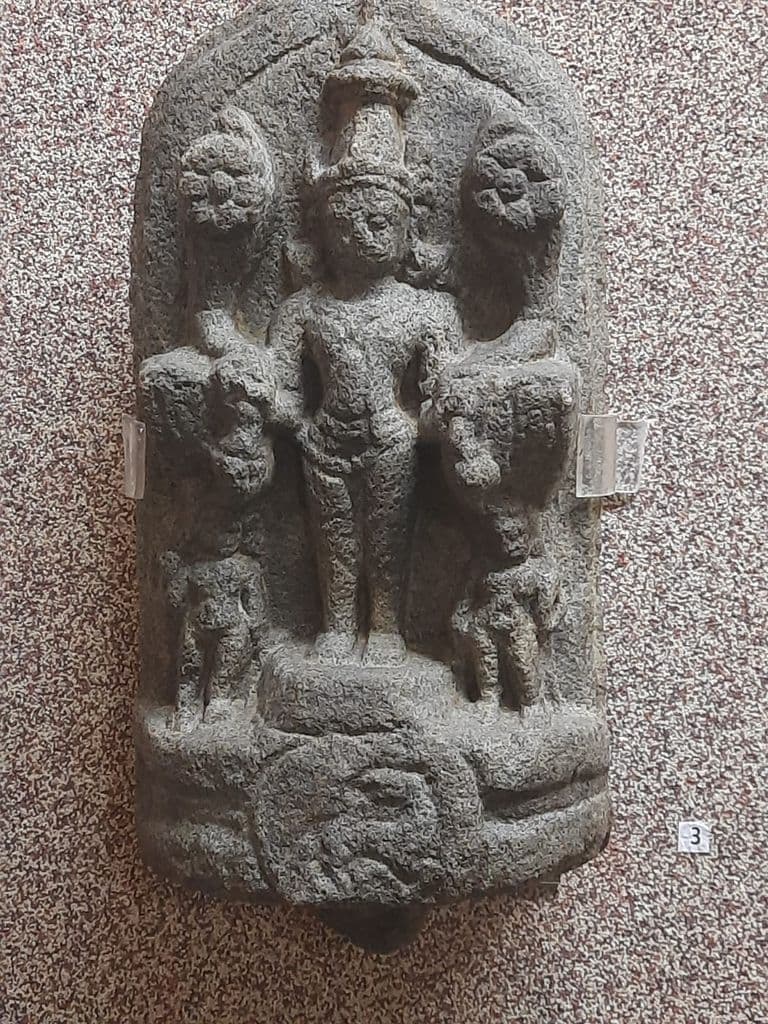
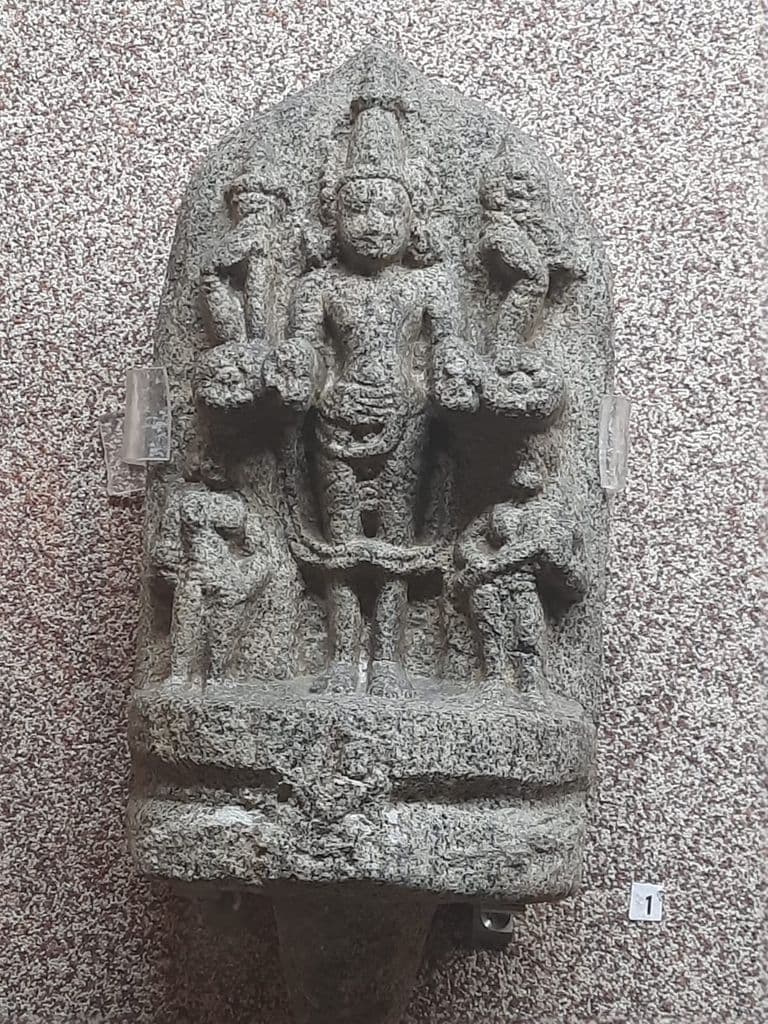
- Among the notable exhibits is a striking Mahīṣāsuramardinī Vigraha, dated to approximately the 6th–7th century CE, reflecting the prominence of Śākta worship in the region. The museum also houses an ancient Sūrya Vigraha dating to the 5th–6th century CE, believed by local tradition to be the original Mūla Vigraha associated with the Sūrya worship traditions that gave Sūrya Pahāḍ its name and enduring sanctity.
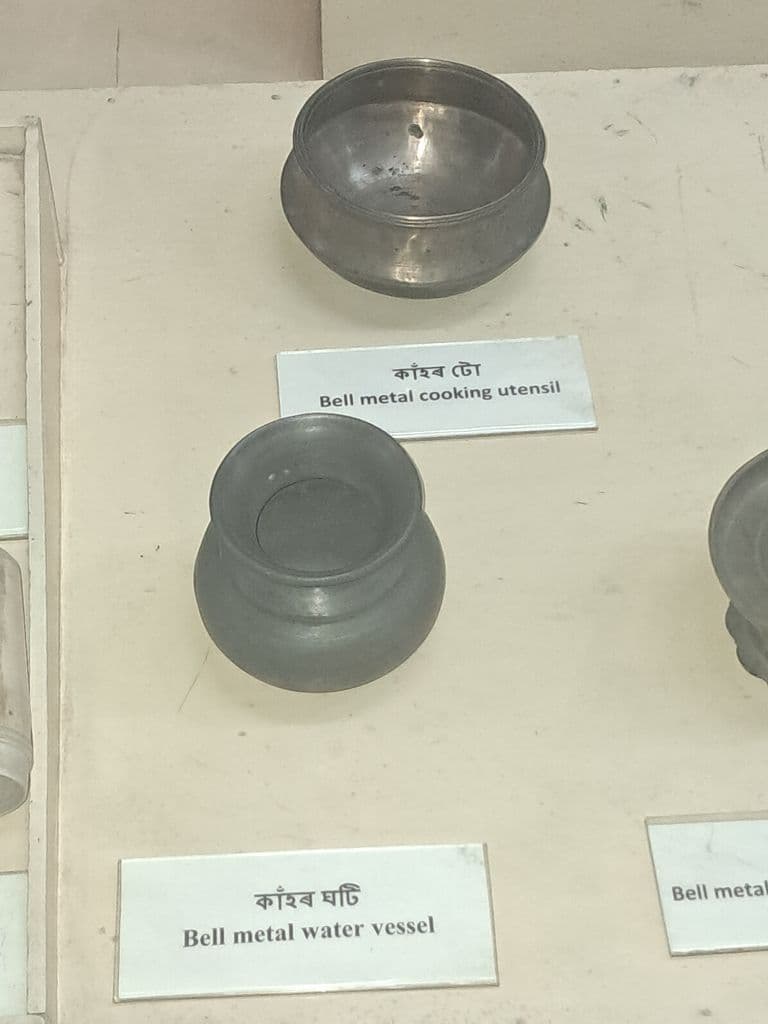
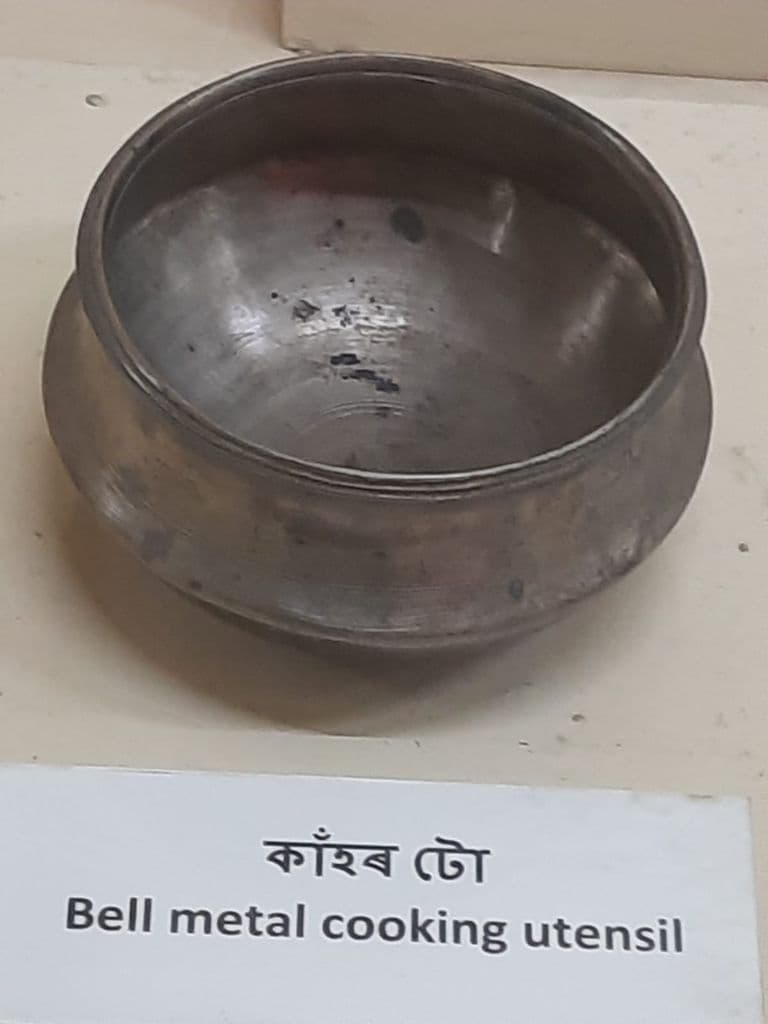
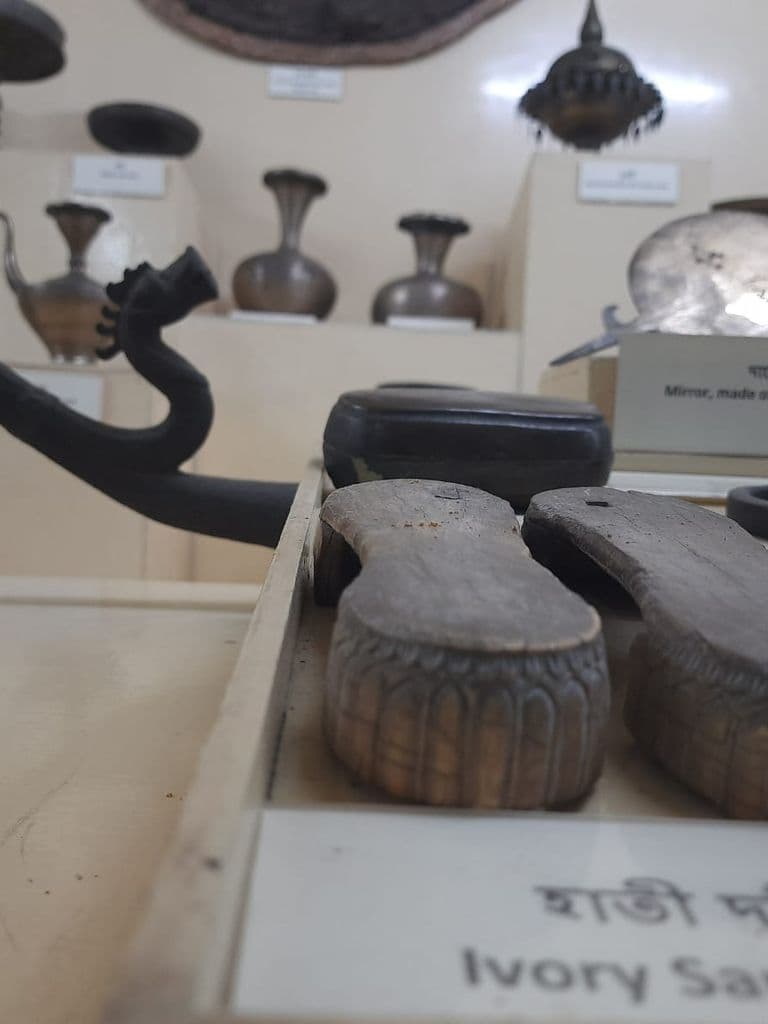
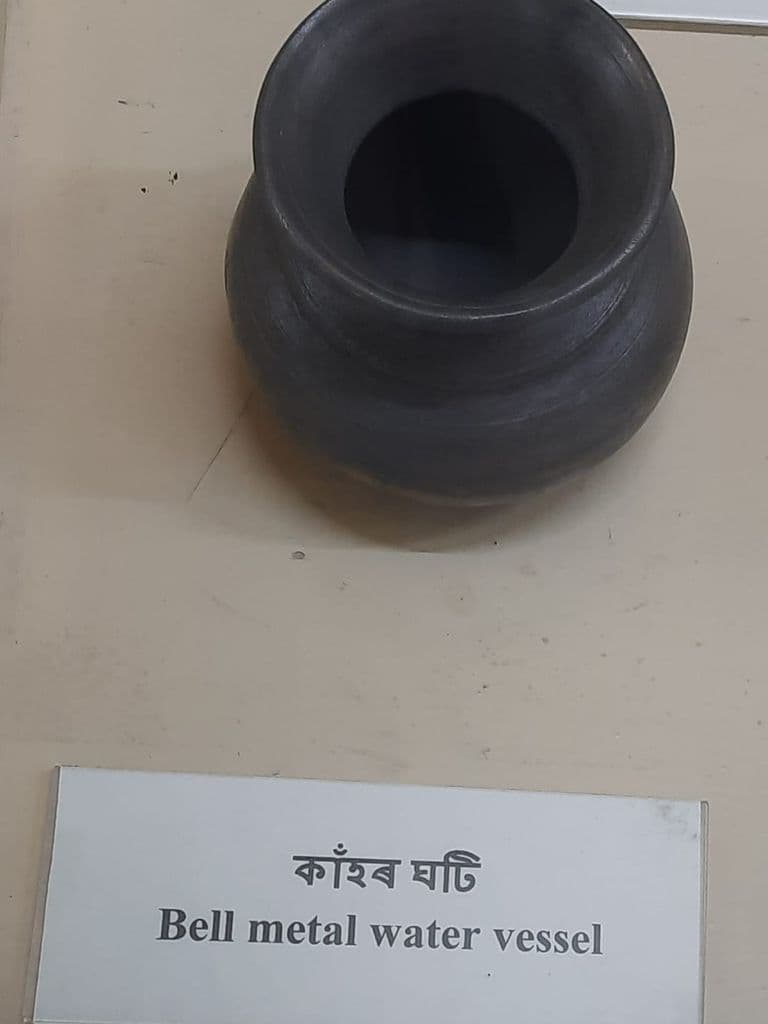
- One of the most revered objects preserved in the collection is an ancient ritual vessel known locally as the Pot Hooji, traditionally identified as a ceremonial vessel used by Bhagavatpāda himself.
- Local Śāstric traditions further associate a rare Haṃsa Vigraha, dated to the 6th century CE, with Adi Shankaracharya's efforts to communicate the principles of Vaidika Siddhānta to the people of the region. Oral narratives recount that when devotees sought guidance on how they could express gratitude and preserve the teachings they had received, Bhagavatpāda instructed them to symbolically fashion and install a mud-based Haṃsa, representing purity, discrimination and the highest Vedāntic wisdom. The Haṃsa, revered in the Advaita tradition as a symbol of the Paramahaṃsa and the ability to discern the eternal from the transient, became a lasting reminder of the teachings imparted at Sūrya Pahāḍ.
- Together, these artifacts are regarded by local traditions as tangible reminders of Adi Shankaracharya's presence and his role in strengthening Vaidika Dharma in the sacred land of Kāmarūpa.
The above findings are based on local recitations and living traditions, as well as inscriptions and markers observed at the site, supported by available historical references, certain scientific observations, and guidance from the Shastras. As our understanding continues to evolve, we will update this account from time to time as additional insights and information emerge from local communities and further study.
Do you have more information about this location, or any questions or feedback?
✉ Write to UsPhotos