Gujarat
Śāṅkara Jyoti Prakāśa · शाङ्कर ज्योति प्रकाश
Ashapur Mandir - Bhuj
Visited 14 April 2026 during the 2026 Sampoorna Bharata Yatra.
Adi Shankaracharya's Visit
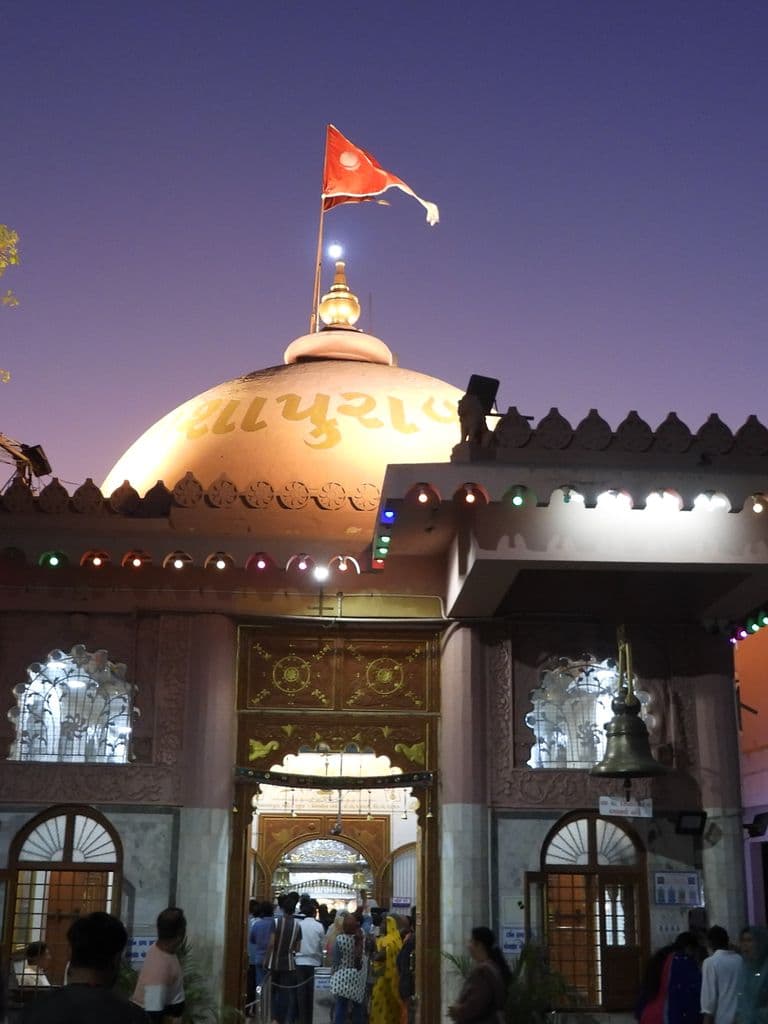
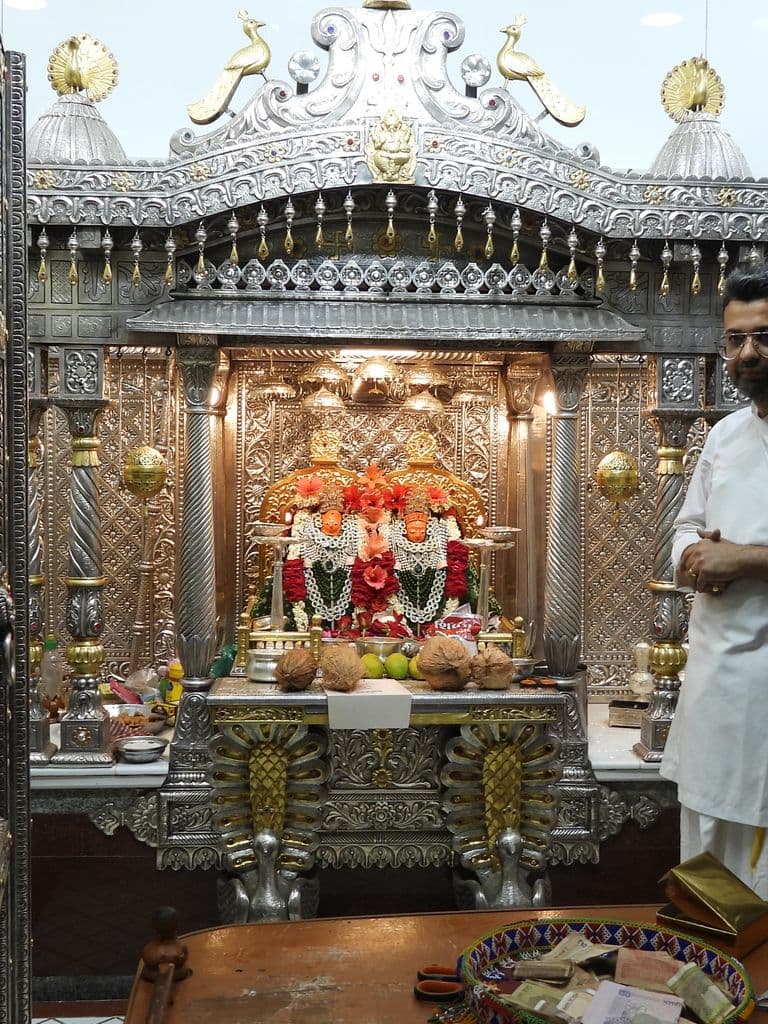
- The ancient temple of Maa Ashapura stands as one of the most revered Shakti Peethas of the Kutch region, carrying a living legacy of devotion, protection, and divine grace for nearly five centuries. The temple has remained a spiritual nucleus for generations of devotees who approach the Mother with unwavering faith, seeking fulfillment of heartfelt prayers — true to Her name “Ashapura,” the One who fulfills aspirations.
- One of the most awe-inspiring miracles associated with this temple unfolded during the devastating earthquake that ravaged the region, reducing nearly 80% of the surrounding structures to ruins. Amidst widespread destruction, the sanctum of Maa Ashapura and the sacred Akhand Jyot remained completely untouched. The eternal flame, believed to have been continuously burning for all these years since the establishment of the temple, continued to shine undisturbed — becoming a profound symbol of the indestructible presence of Shakti.
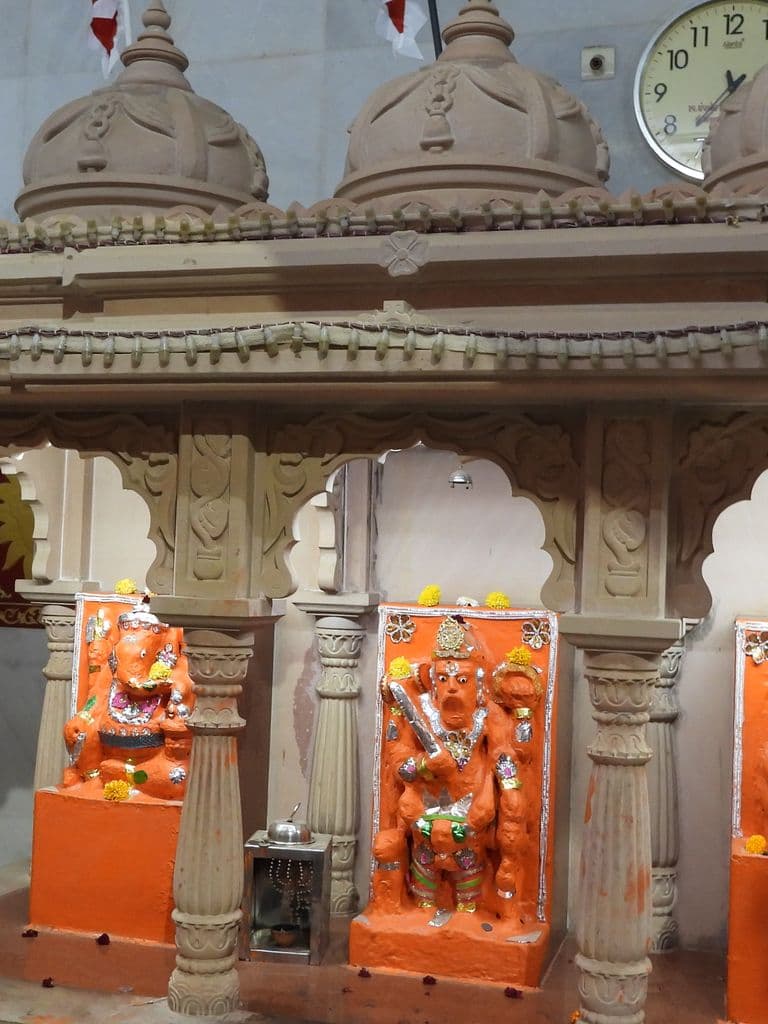
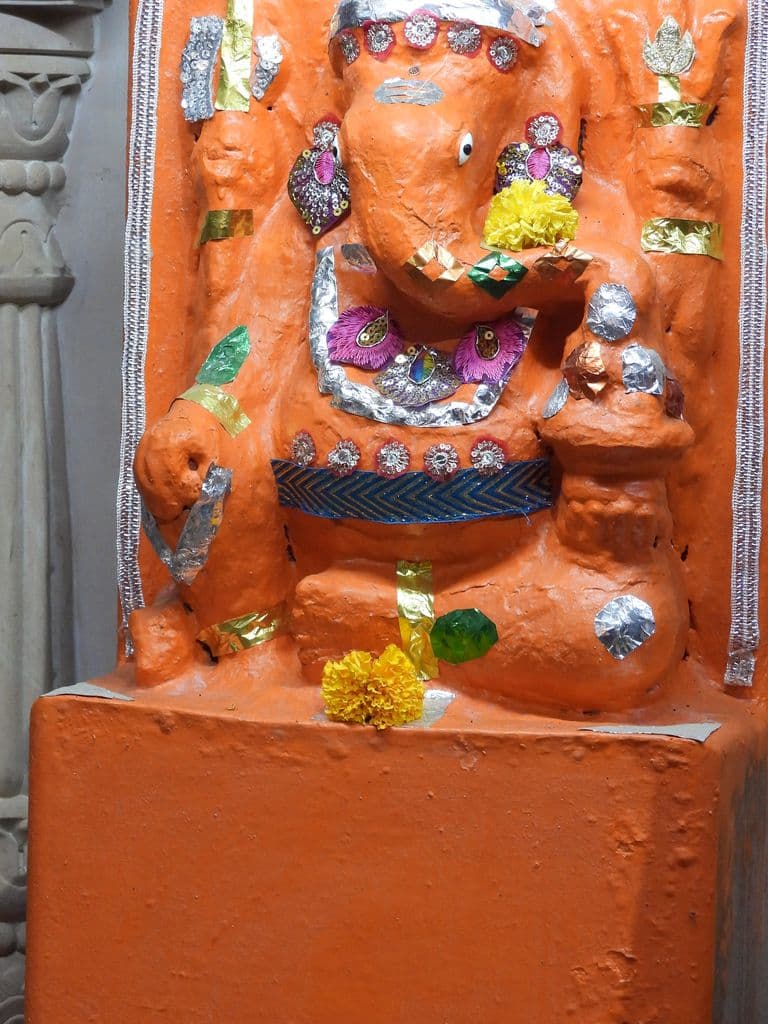
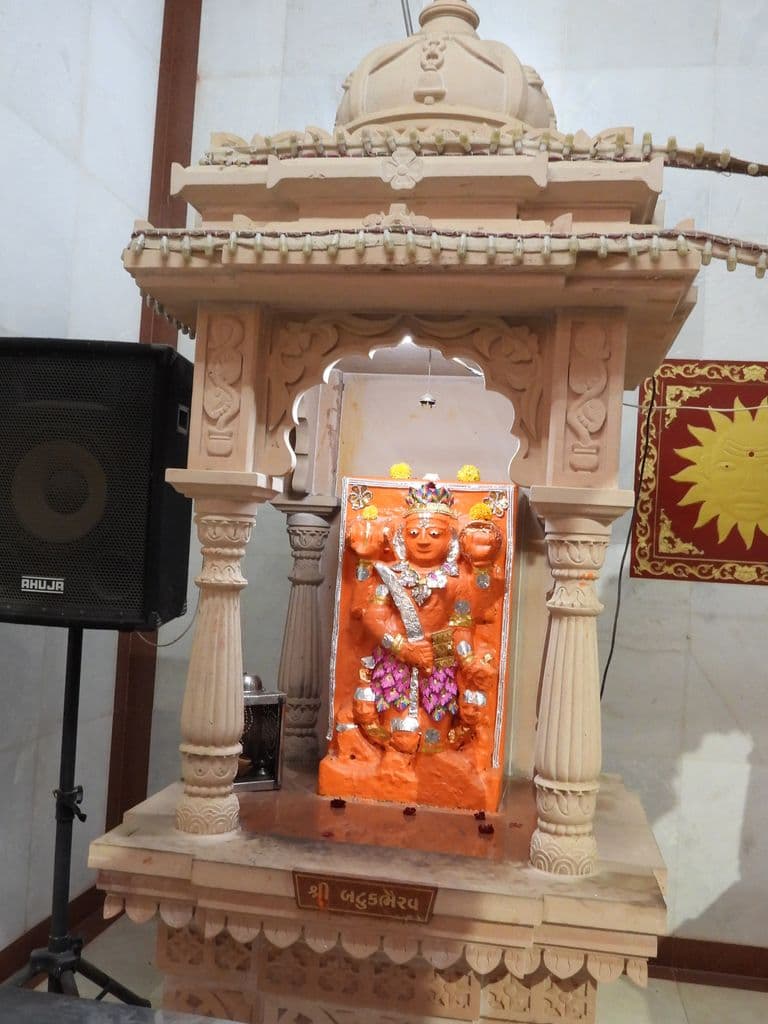
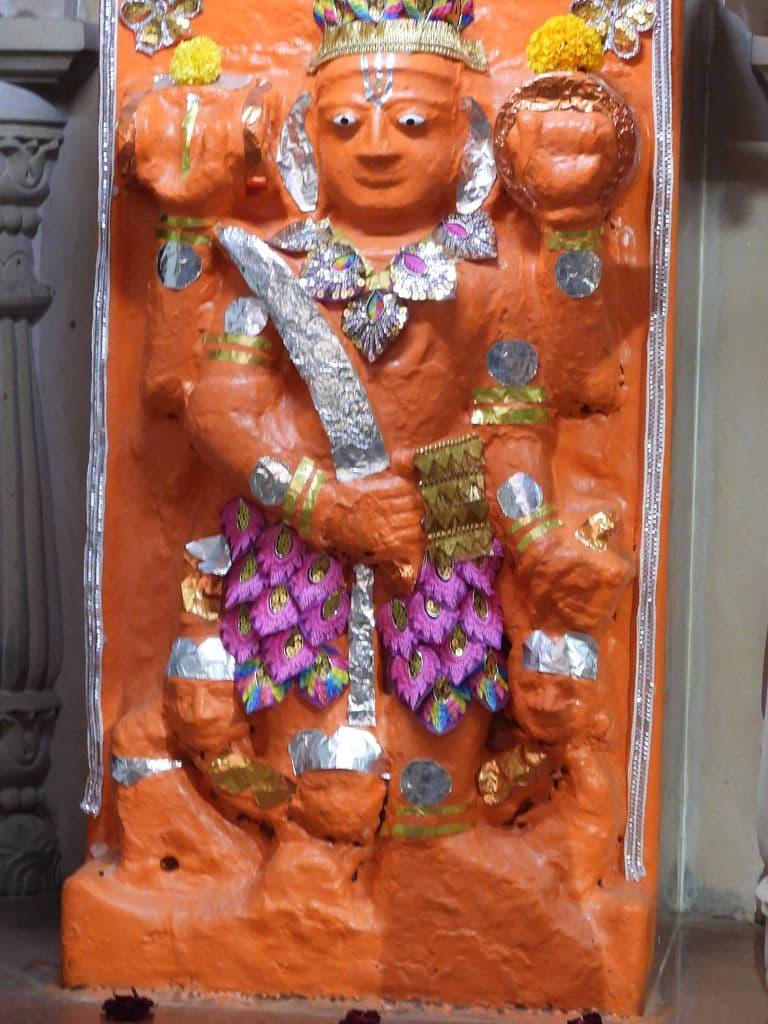
- Local traditions and Shastras reveal that Sri Adi Shankaracharya had bestowed anugraha upon Maa Ashapura Devi on 27th January 608 AD. Within the temple premises, local traditions and shastras identified the Vigrahas of Sri Ganapati and Sri Batuk Bhairava as deities consecrated by Sri Adi Shankaracharya Himself. These sacred presences continue to radiate the living spiritual current established centuries ago.
- Maa Ashapura is worshipped as a powerful manifestation of Goddess Durga in the formof Mahishasuramardini, functioning in union with four principal Shaktis — Maheshwari, Mahalakshmi, Mahakali, and Mahasaraswati. The temple remains spiritually vibrant throughout the year and uniquely celebrates all four Navratris —Chaitra, Ashadh, Magh, and Ashwin Navratri — with great devotion and ritual grandeur. During Chaitra and Ashwin Navratris, elaborate Yagnas and Ghat Sthapana ceremonies are performed, invoking divine blessings for the welfare of society and preservation of Dharma.
The above findings are based on local recitations and living traditions, as well as inscriptions and markers observed at the site, supported by available historical references, certain scientific observations, and guidance from the Shastras. As our understanding continues to evolve, we will update this account from time to time as additional insights and information emerge from local communities and further study.
Do you have more information about this location, or any questions or feedback?
✉ Write to UsPhotos