Haryana
Śāṅkara Jyoti Prakāśa · शाङ्कर ज्योति प्रकाश
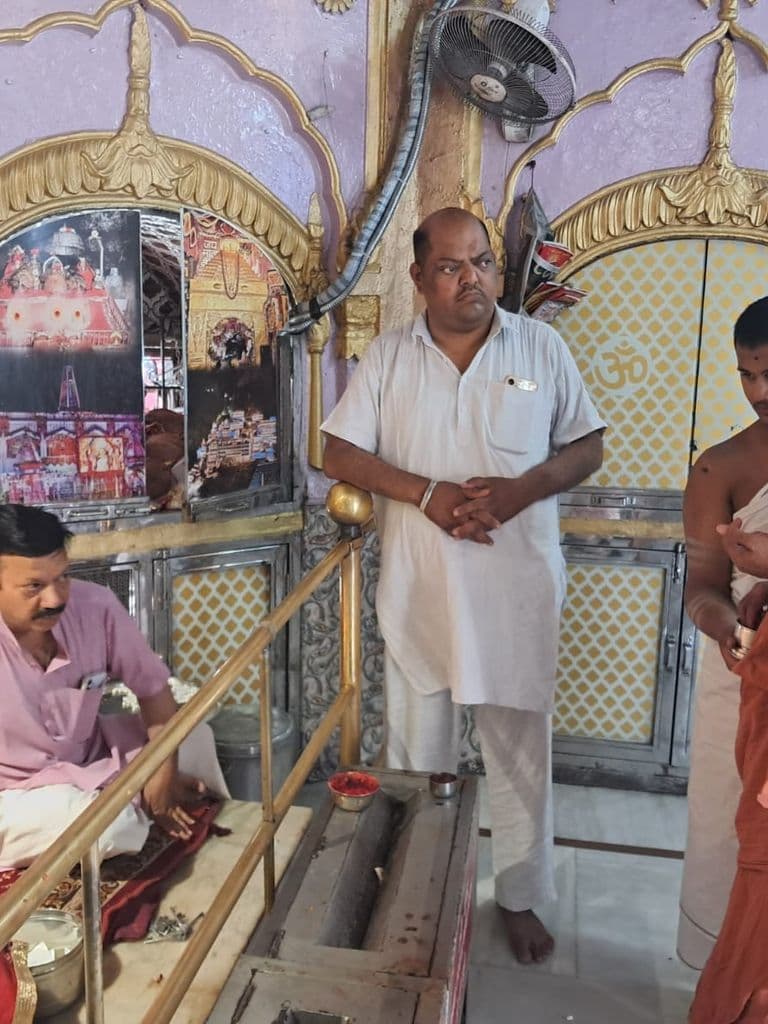
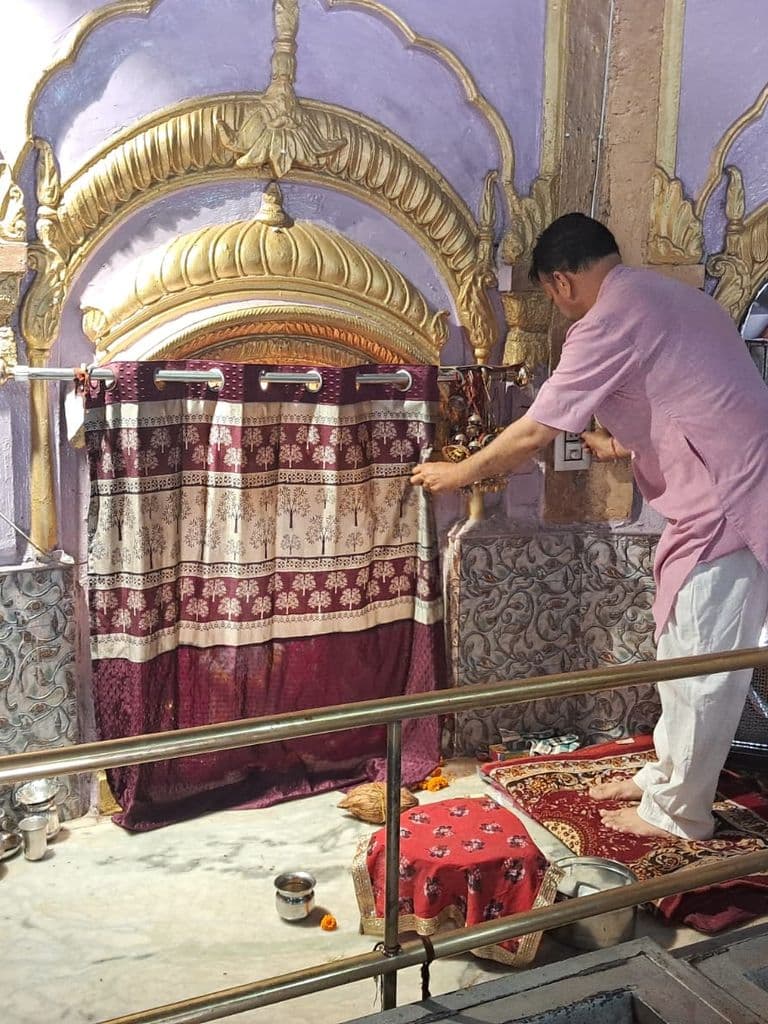
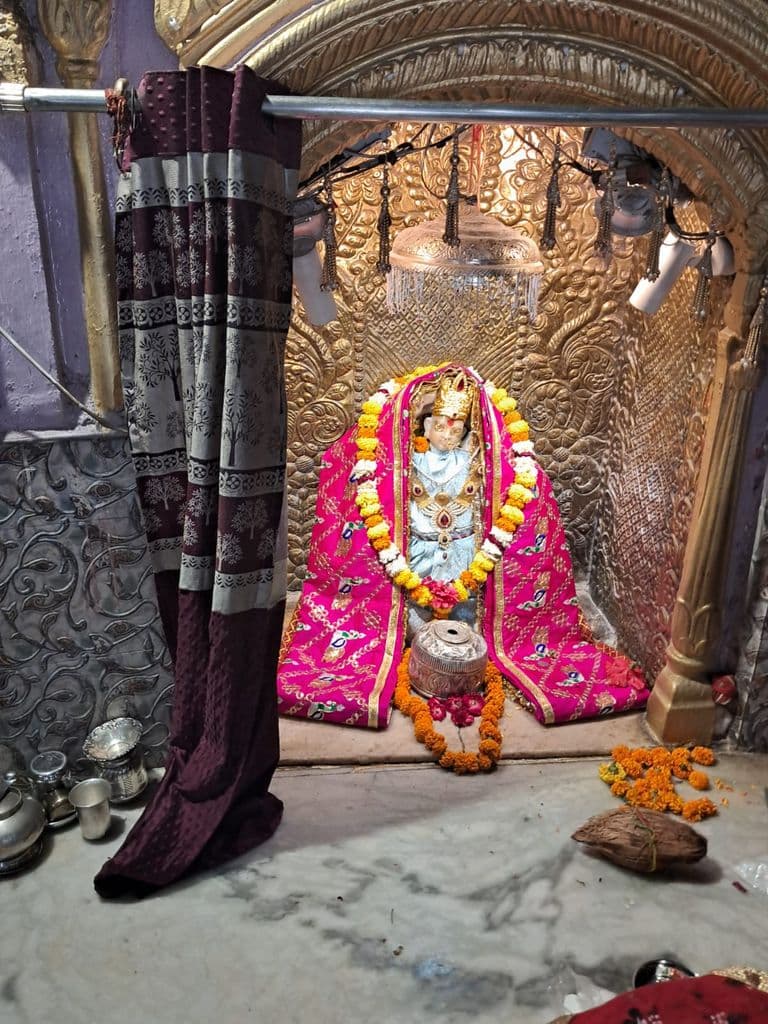
Ambika Devi Mandir - Ambala
Visited 8 June 2026 during the 2026 Sampoorna Bharata Yatra.
Adi Shankaracharya's Visit
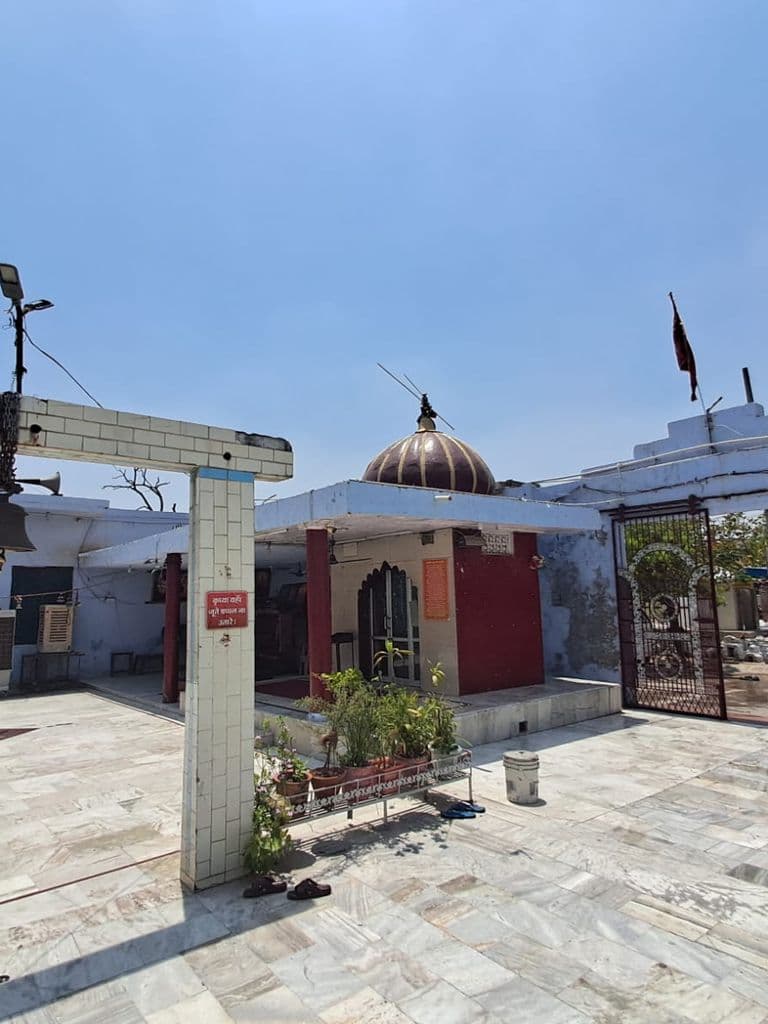
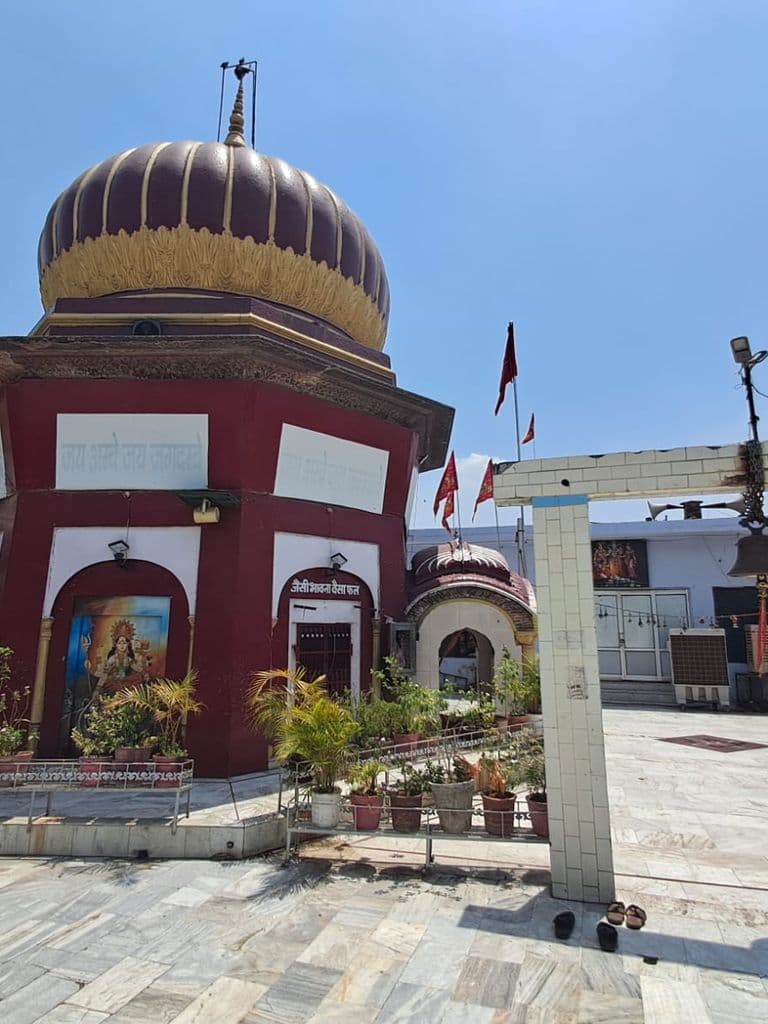
- The Śrī Ambikā Devī Mandira of Ambala is not merely the oldest temple in the city — it is the very origin of the city's name and identity. Ambala derives its name from Goddess Bhavānī Ambikā herself, making this kṣetra the sacred axis around which the entire settlement grew.
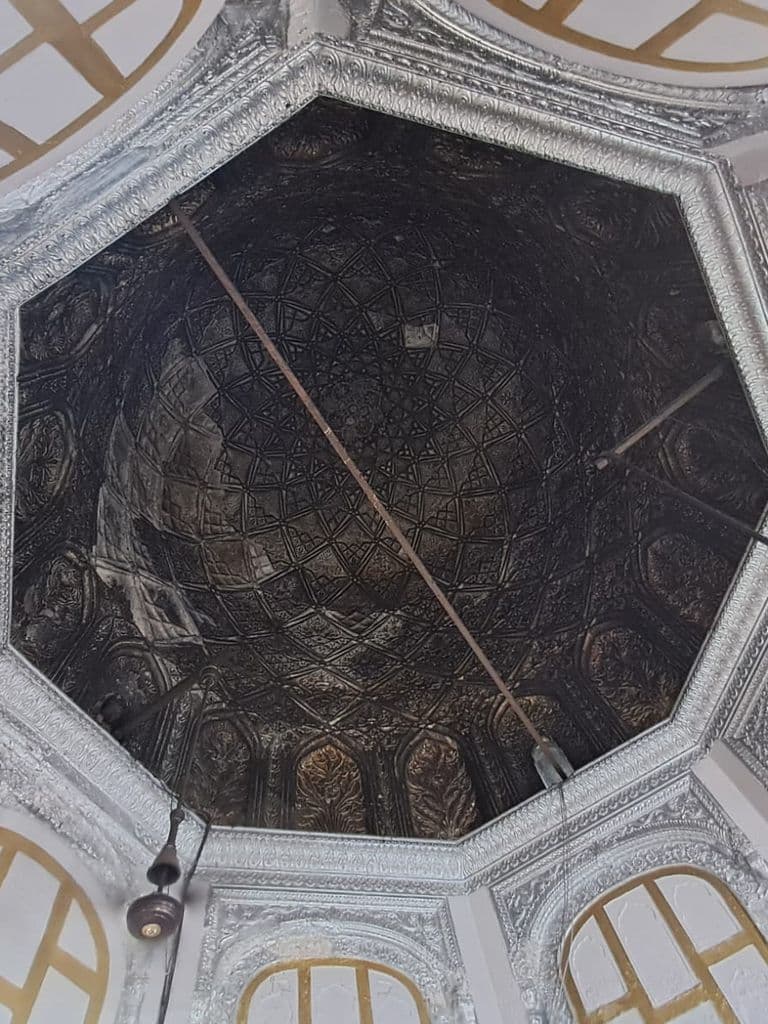
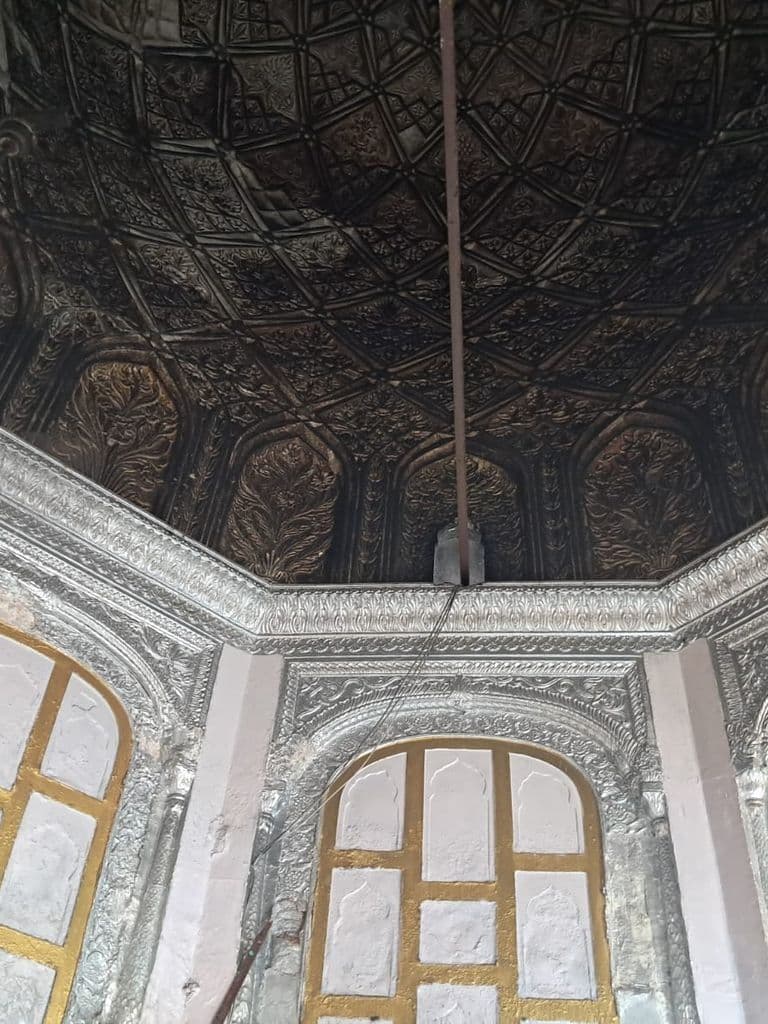
- It is believed that the shrine was first established by the Pāṇḍavas during the period of the Kurukṣetra war on a small mound within the bed of the Sarasvatī river. The temple enshrines three distinct vigrahas — Ambā, Ambikā, and Ambālikā — the three great feminine figures of the Mahābhārata. Its octagonal form with a dome-shaped roof painted in red and gold, crowned with a golden kalaśa, and its upper walls bearing ancient paintings and carvings speak of a temple whose sacred grammar reaches back into the deepest antiquity of Haryana's civilisational memory.
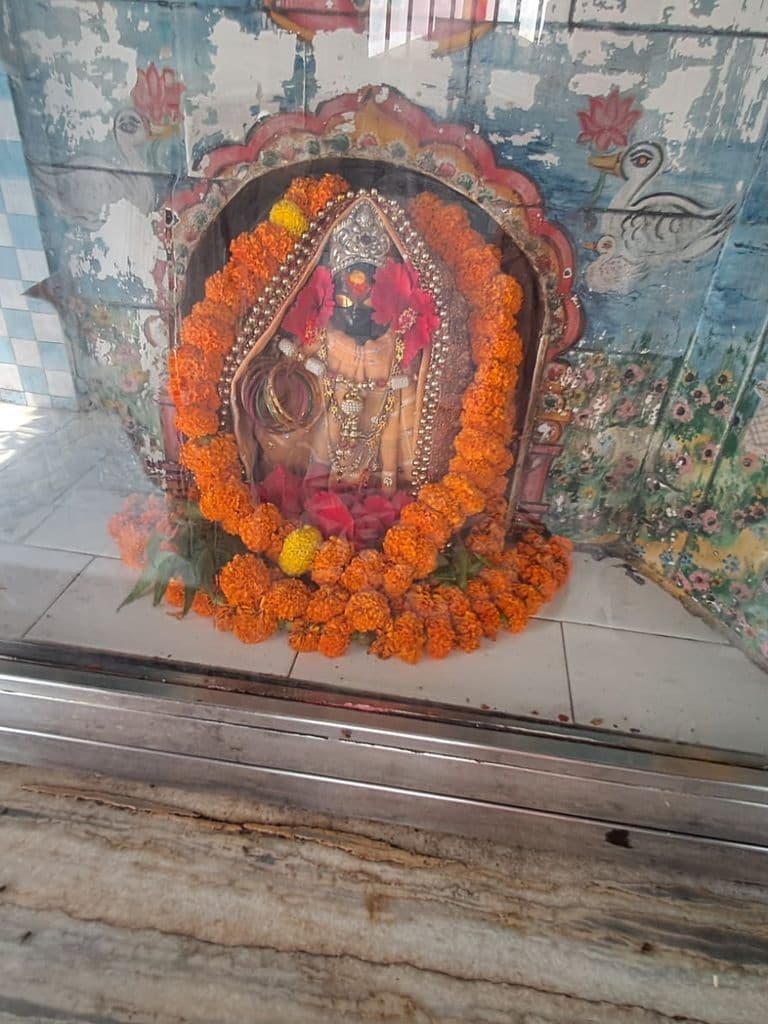
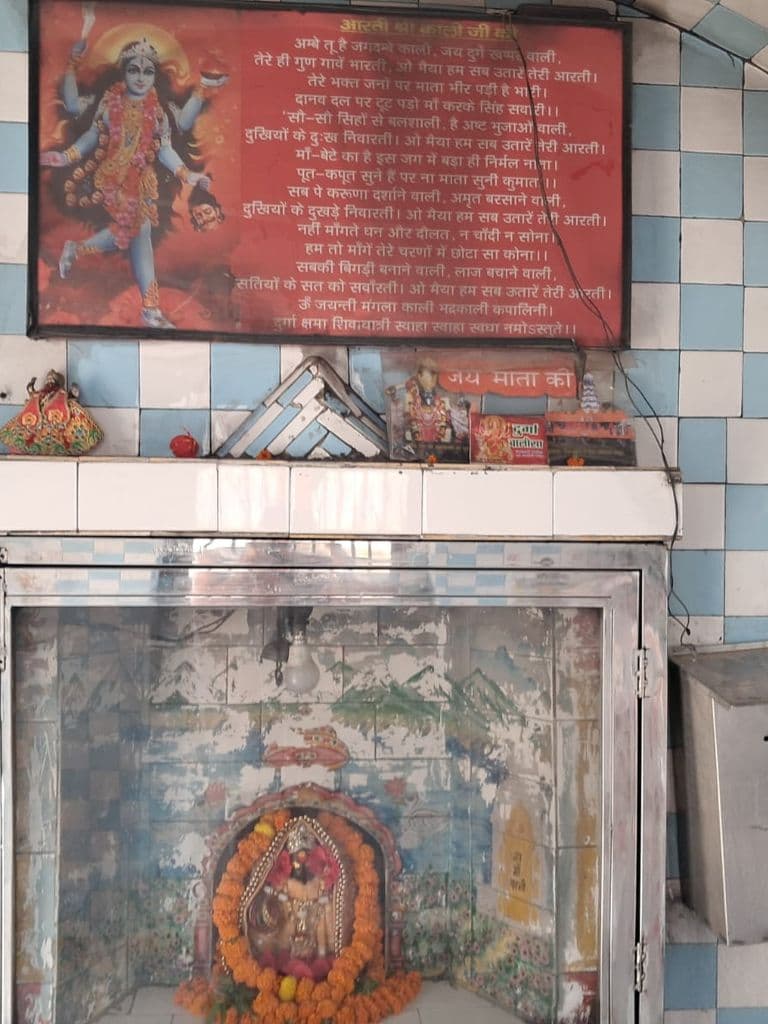
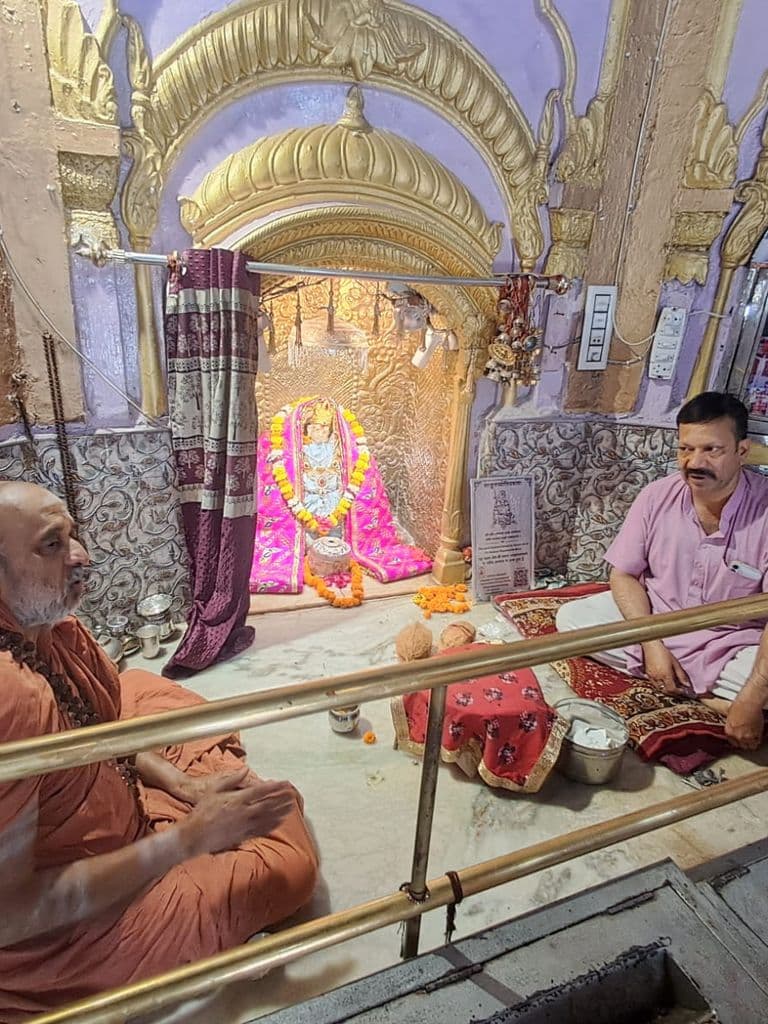
- According to the Śāstras and sacred tradition, Ādi Śaṅkarācārya visited this kṣetra in 606 CE and consecrated the Ambikā Devī vigraha — a Piṇḍī form, a sacred stone vigraha of great power.
- For the Pratiṣṭhā, Bhagavatpāda invited the various devotional traditions of the region to the temple and called upon Vaidika paṇḍitas to fill the sacred precinct with Mantra Ghoṣa. What the assembled devotees witnessed was rare and extraordinary — a Jyothi, a divine luminescence, manifested within the vigraha at the moment of consecration. The participants present were overwhelmed and surrendered to Ādi Śaṅkarācārya, pledging to adopt Vaidika practices — a momentous integration of Devi devotion and Vaidika dharma in this ancient corridor.
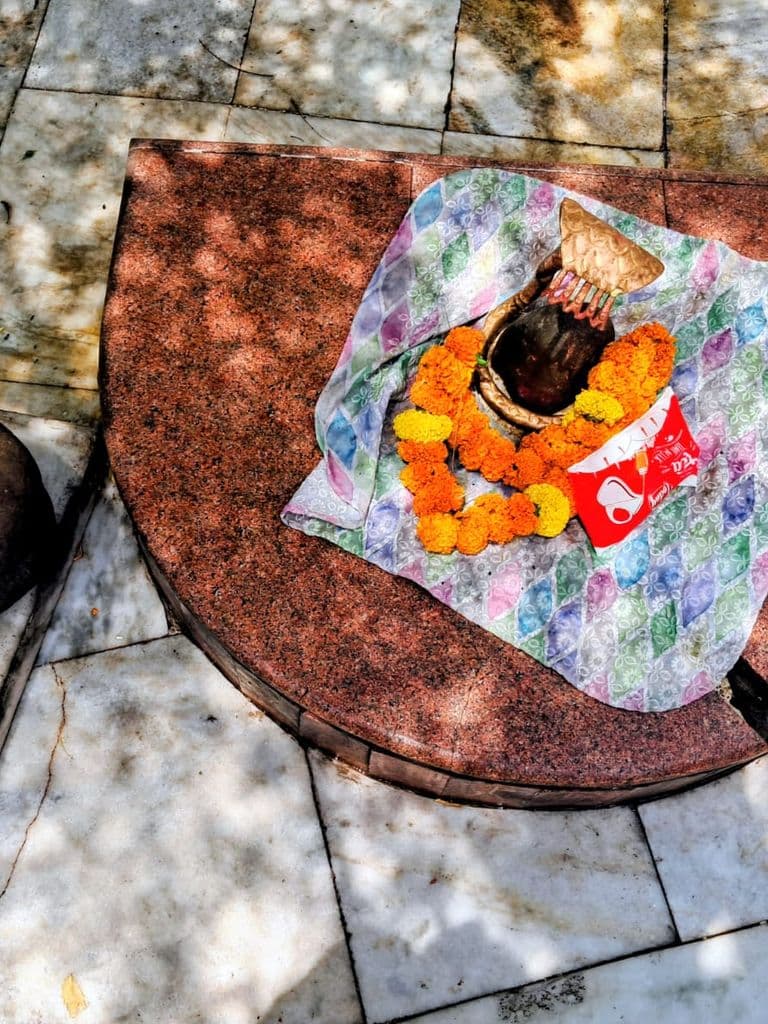
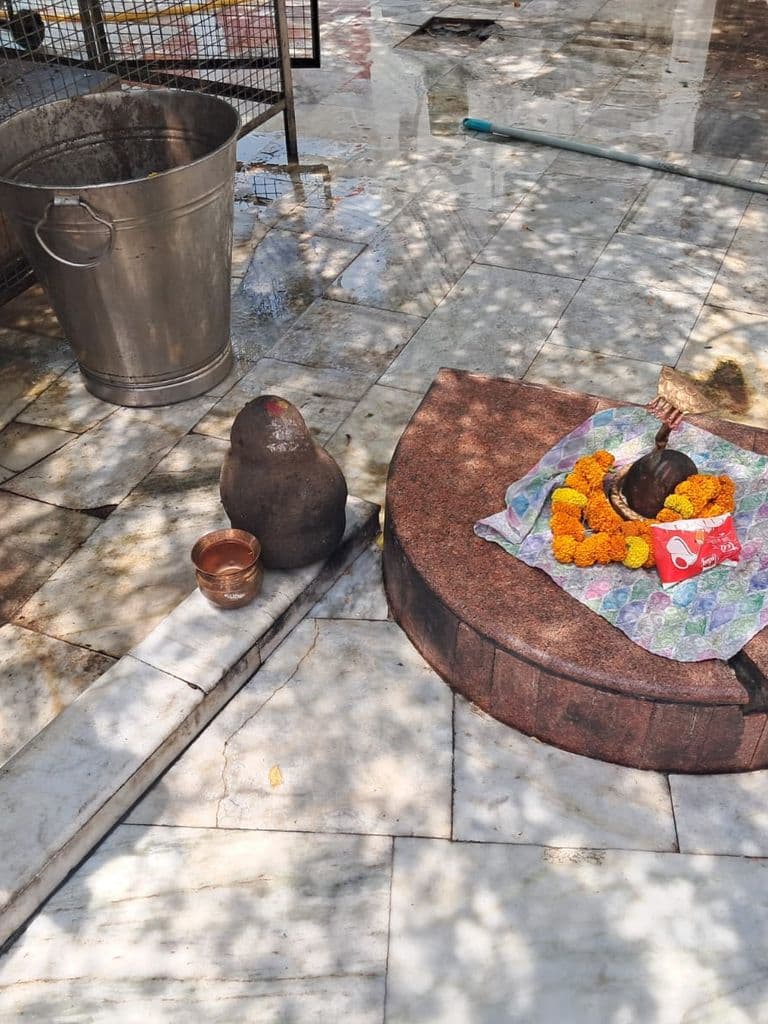
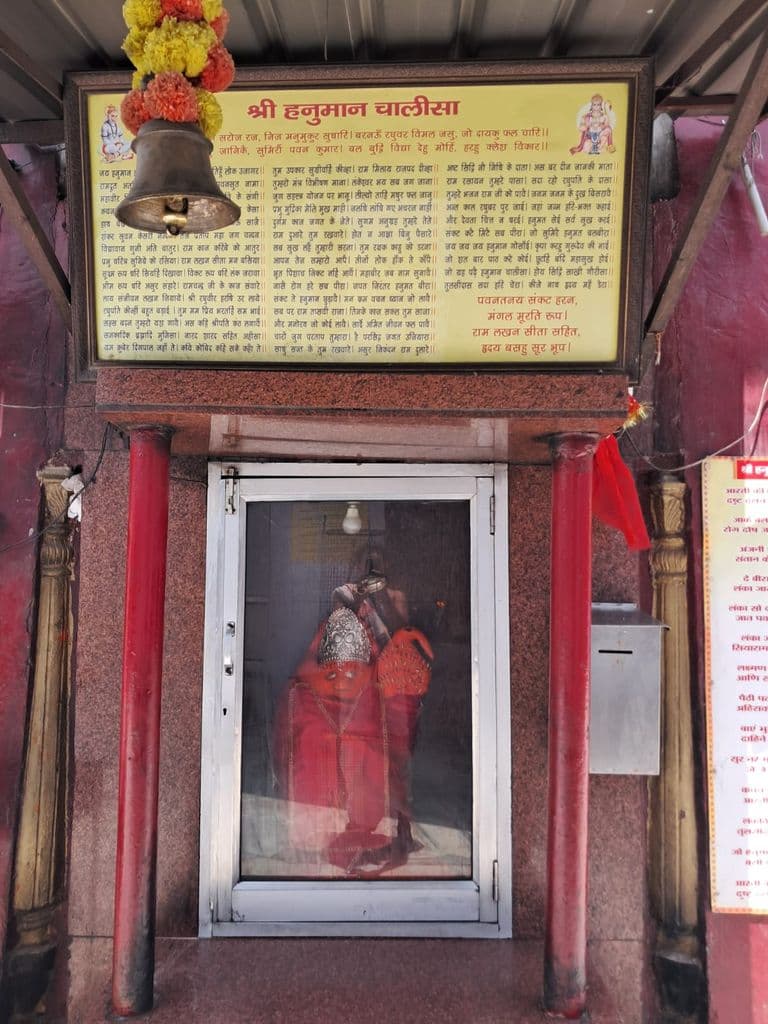
- Ādi Śaṅkarācārya is said to have resided half a kilometre from this temple during his stay, and established a Sanyāsa Kendra at Ambala — a centre for the training and transmission of the renunciate tradition. At the rear of the temple complex stand the shrines of Īśvara and Āñjanēya, both blessed by Ādi Śaṅkarācārya — together completing a sacred precinct that bears, in every corner, the indelible imprint of the Jagadguru's transformative presence.
The above findings are based on local recitations and living traditions, as well as inscriptions and markers observed at the site, supported by available historical references, certain scientific observations, and guidance from the Shastras. As our understanding continues to evolve, we will update this account from time to time as additional insights and information emerge from local communities and further study.
Do you have more information about this location, or any questions or feedback?
✉ Write to UsPhotos