Haryana
Śāṅkara Jyoti Prakāśa · शाङ्कर ज्योति प्रकाश
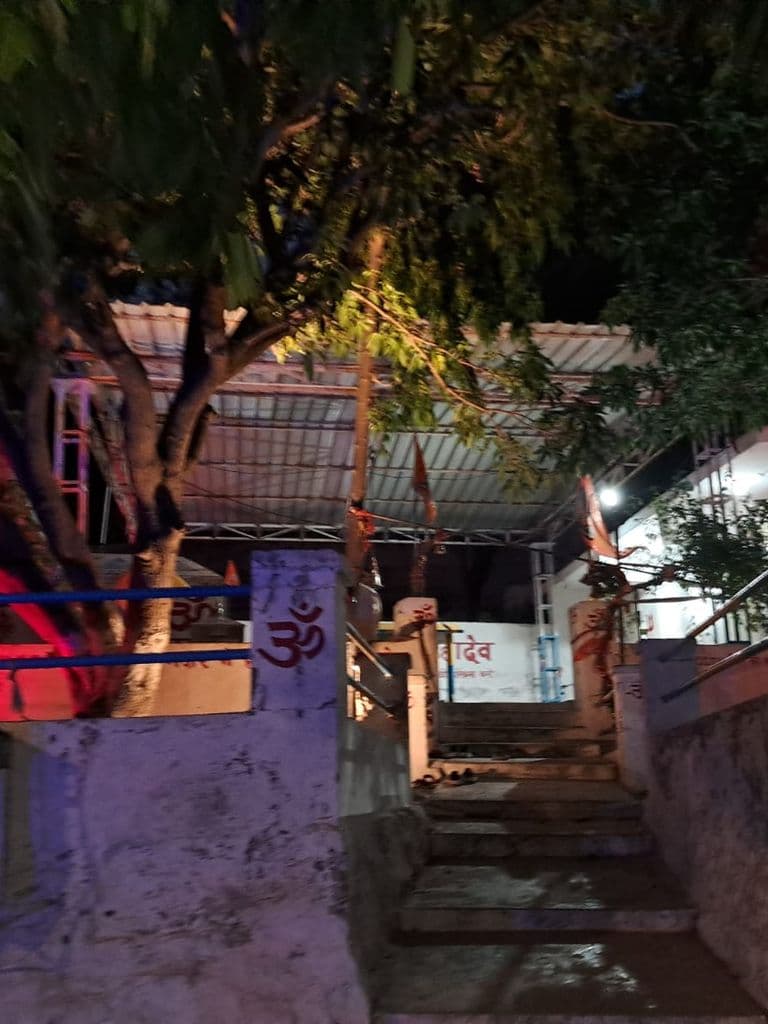
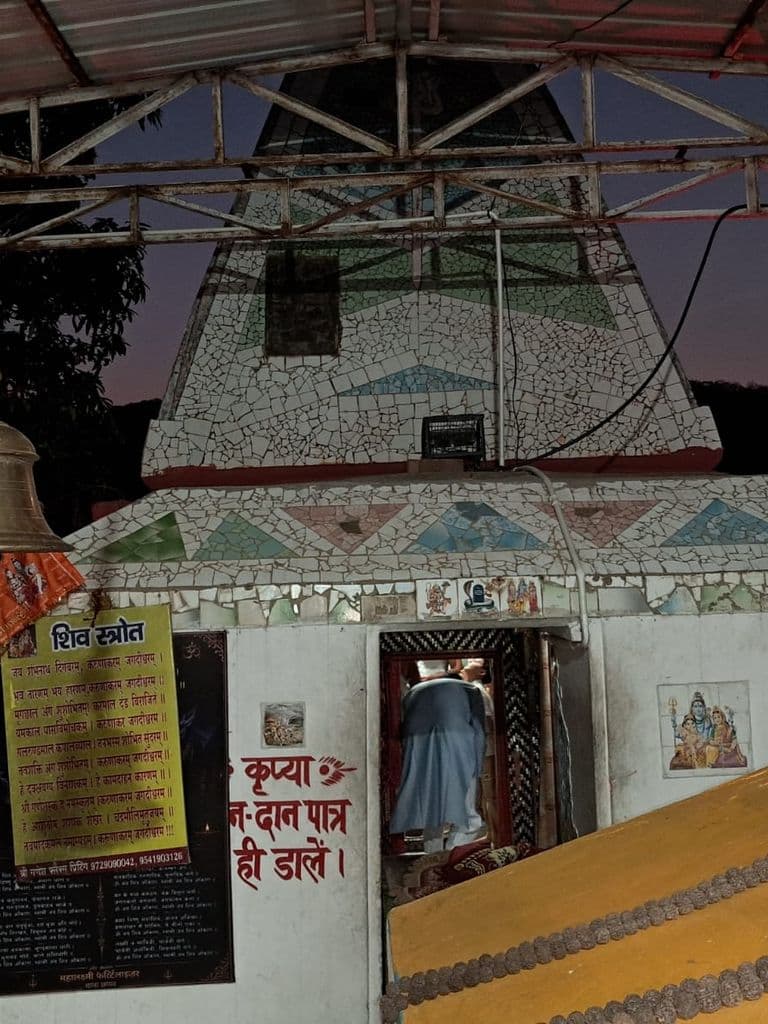
Adi Badari Shiva Mandir - Paniwala
Visited 8 June 2026 during the 2026 Sampoorna Bharata Yatra.
Adi Shankaracharya's Visit
- Ādi Badarī, nestled in the foothills of the Śivālik range in present-day Haryana, is revered as the Tīrtha of the sacred Sarasvatī River and one of the most ancient spiritual centres of North India. Historians and local traditions alike regard Ādi Badarī as a sacred alternative for devotees who are unable to undertake the arduous pilgrimage to the Himalayan Char Dhams.
- Situated near the confluence of the cultural boundaries of Himachal Pradesh, Uttarakhand, Punjab, Haryana and Uttar Pradesh, the kṣetra occupies a unique position in the spiritual geography of Bhārata. Pilgrims approaching Ādi Badarī pass through a landscape sanctified by sacred water bodies and the Yamunā River before reaching this ancient seat of worship. Even today, seekers can experience the visible flow and presence of the revered Sarasvatī River, whose emergence in this region has been celebrated for centuries in local tradition.
- Śāstric traditions preserved affirm that Jagadguru Adi Shankaracharya blessed this kṣetra in 606 AD, recognizing its importance as a centre of Vedic worship and sādhana. The sacred complex houses the ancient Badarī Nārāyaṇa Mandira, where a revered conch identified as Pañcajanya is worshipped; tradition holds that Bhagavatpāda himself used this conch during his worship at the kṣetra.
- On an adjoining hill stands the Mātā Mantrā Devī Mandira, where Adi Shankaracharya is believed to have performed the deity's pratiṣṭhā.
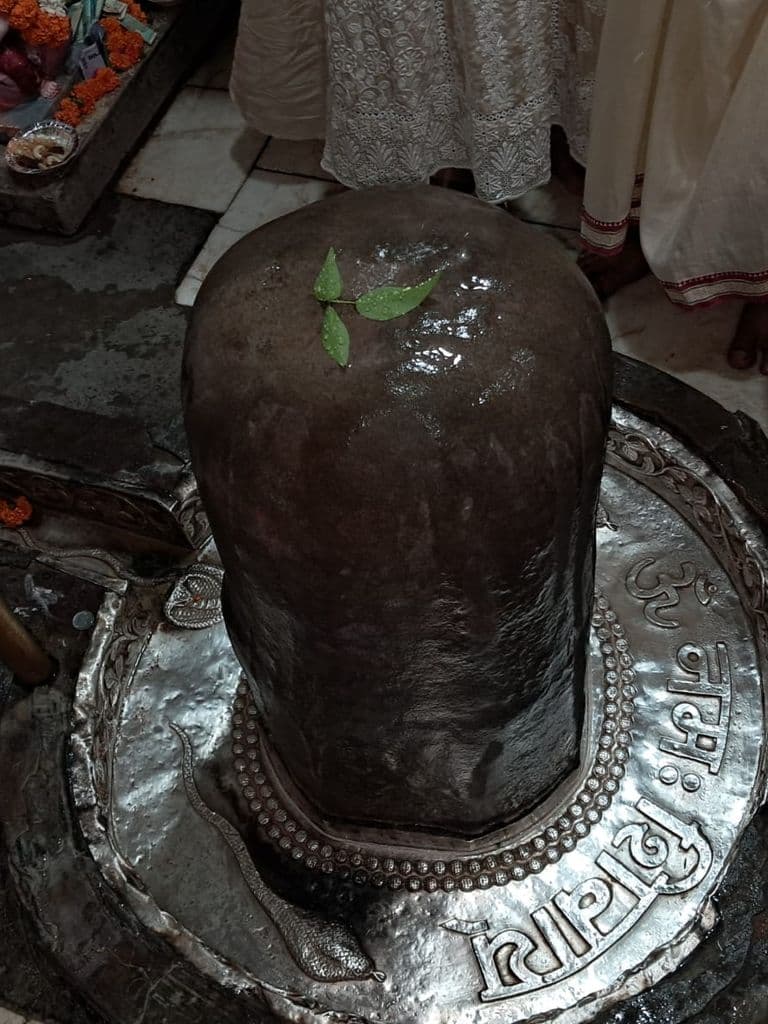
- The complex also includes an ancient Īśvara temple, behind which are preserved two vigrahas identified with Bhagavatpāda. Equally revered are two sacred Pādukās discovered at the site, which local tradition and the Śāstric heritage of the Peetha associate directly with Adi Shankaracharya.
- Together, these living traditions make Ādi Badarī not merely an ancient pilgrimage centre, but a powerful reminder of Bhagavatpāda's enduring presence in the sacred Sarasvatī region and his efforts to revitalize Sanātana Dharma across Bhārata.
The above findings are based on local recitations and living traditions, as well as inscriptions and markers observed at the site, supported by available historical references, certain scientific observations, and guidance from the Shastras. As our understanding continues to evolve, we will update this account from time to time as additional insights and information emerge from local communities and further study.
Do you have more information about this location, or any questions or feedback?
✉ Write to UsPhotos